DbcultAccessing Vault...
5.6/10
Senior Film Conservator
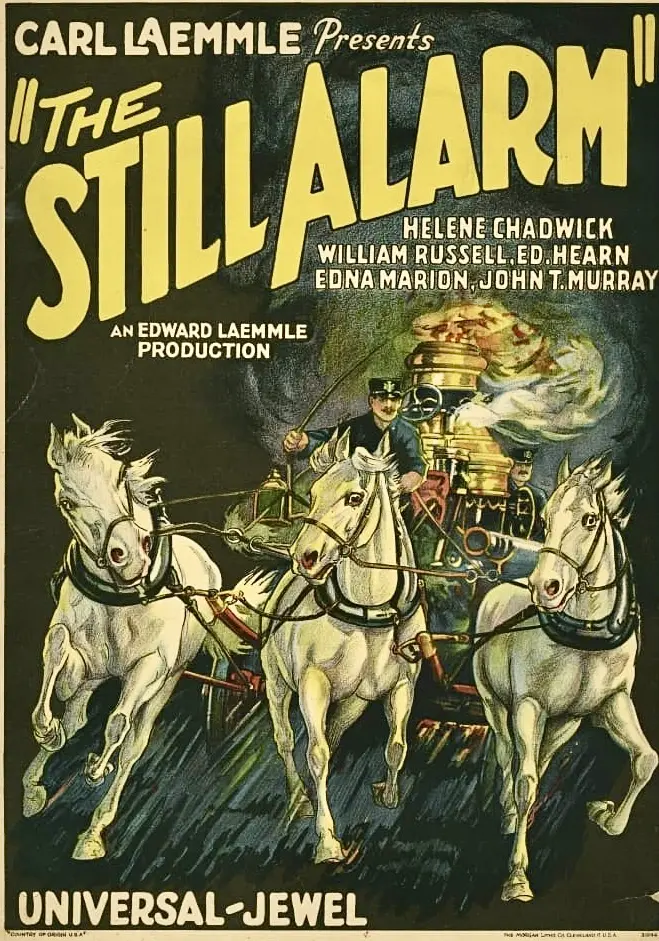
A definitive 5.6/10 rating for a film that redefined the boundaries of cult cinema. The Still Alarm remains a cornerstone of transgressive art.
Short answer: Yes, but it requires the right mindset. The Still Alarm is a compelling drama that delves into the complexities of human relationships and the consequences of our choices. However, it's not for everyone – those looking for modern, fast-paced thrillers might find it slow and old-fashioned. If you're willing to engage with a classic that explores timeless themes, then The Still Alarm is definitely worth your time.
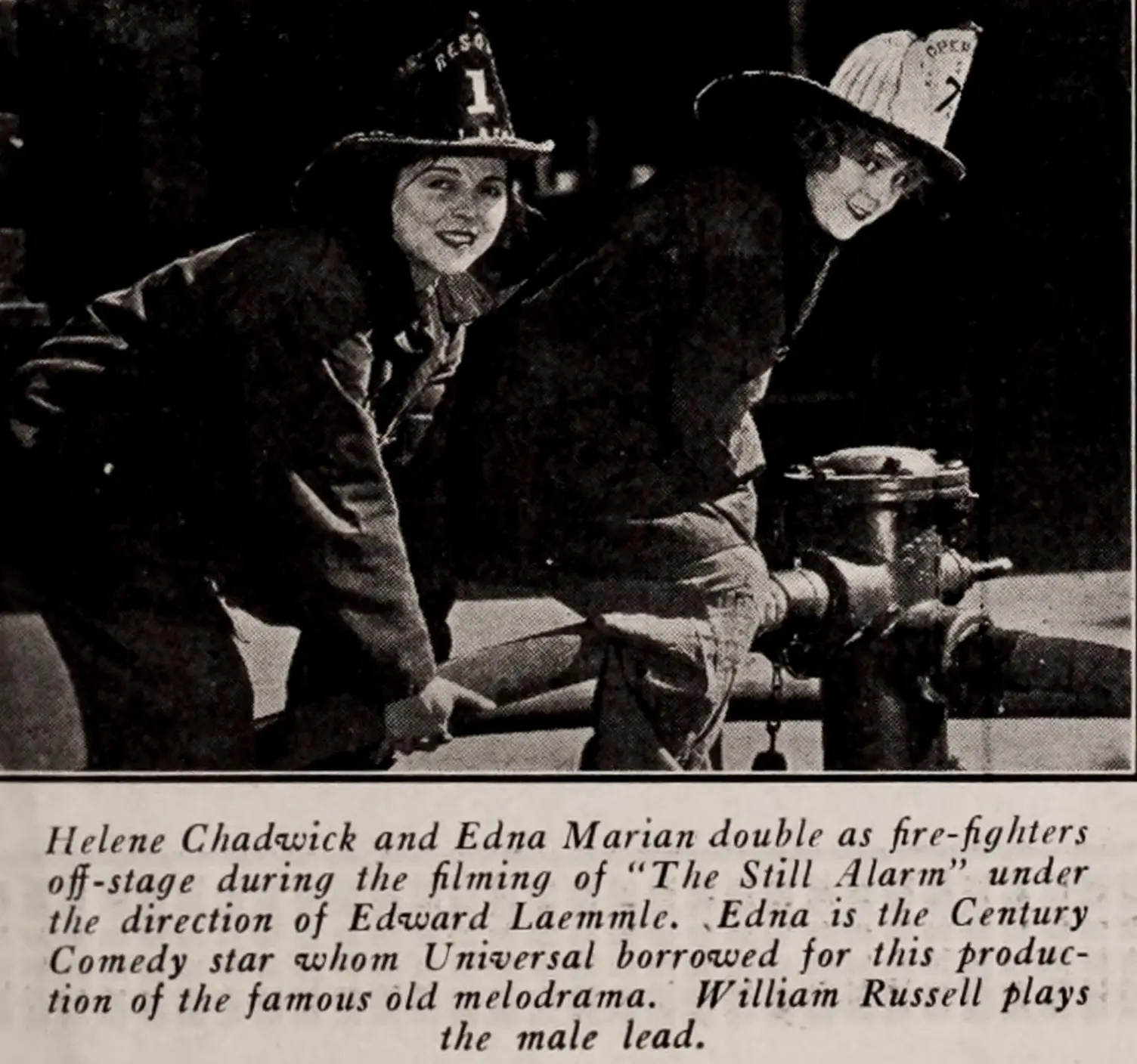
This film works because its characters are deeply flawed and compelling, making their journey both believable and captivating. The story is rich with emotional depth and historical context, providing a window into the era's social dynamics. However, it fails because of its pacing, which can feel slow at times, and its reliance on melodramatic elements that can be overwrought.
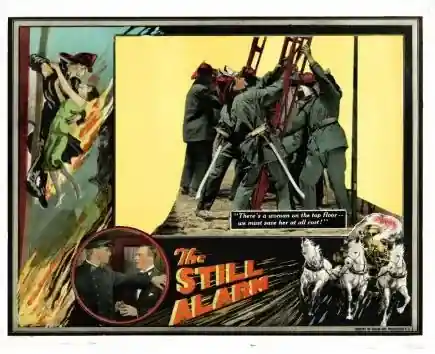
You should watch it if you're a fan of classic cinema, enjoy nuanced character development, and are willing to explore a slower, more introspective narrative.
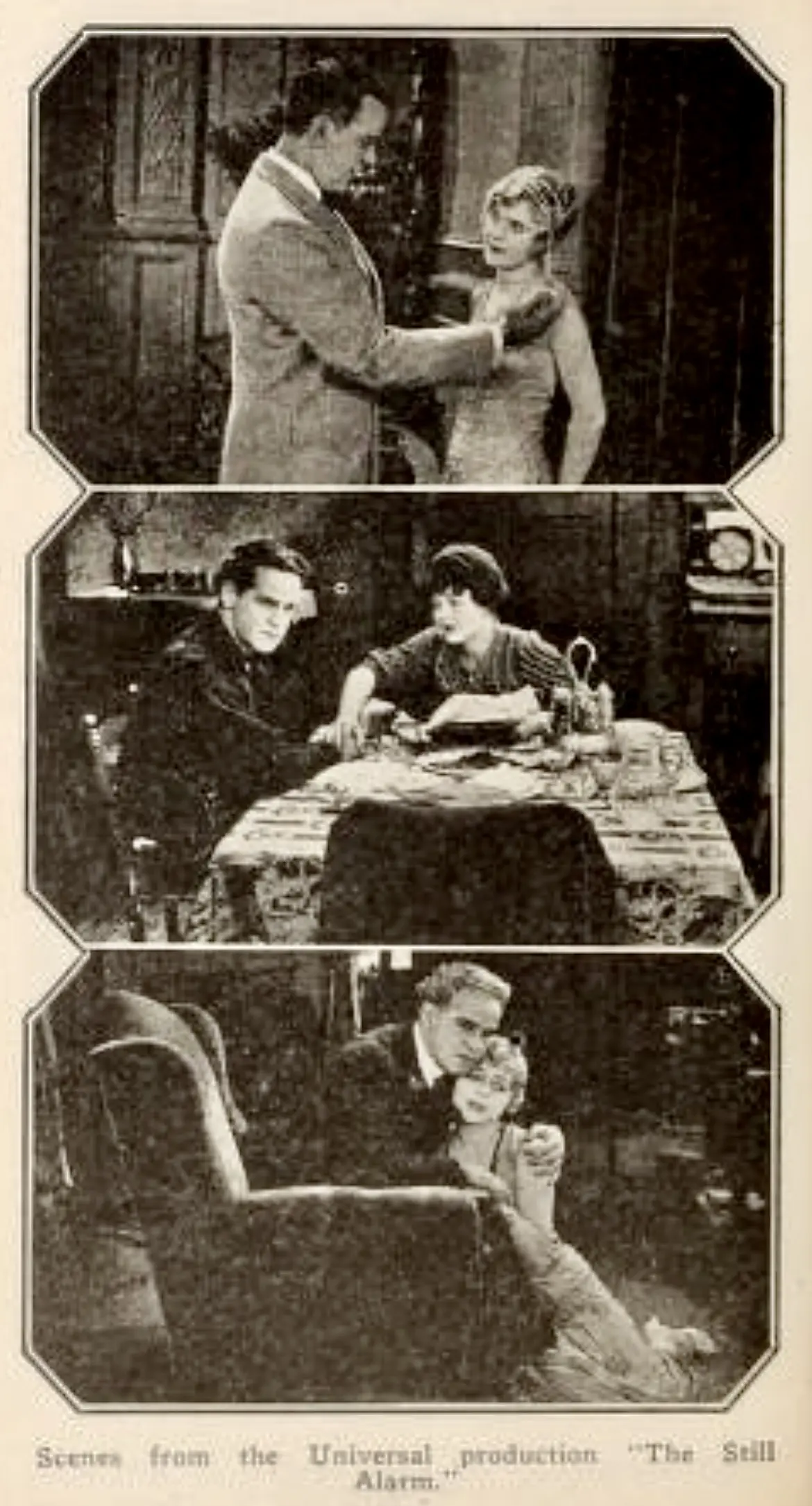
Helene Chadwick stars in The Still Alarm, a 1926 drama that unfolds against the backdrop of a tumultuous marriage and a tragic fire. The film's intricate plot weaves through themes of loyalty, betrayal, and the enduring impact of choice. With its meticulous attention to storytelling and its rich character development, The Still Alarm offers a fascinating glimpse into the era's social and emotional landscape.
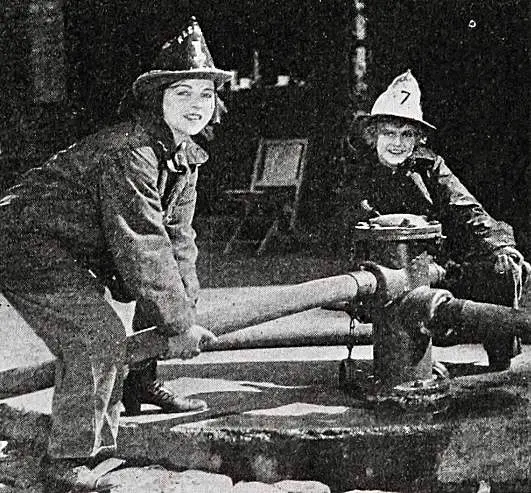
Helene Chadwick delivers a nuanced performance as Lucy Fay, a woman torn between loyalty and passion. Her portrayal is both sympathetic and complex, capturing the depth of her character's emotions. John T. Murray as Richard, Lucy's husband, brings a sense of resilience and sincerity to the role. However, the supporting cast, including Erin La Bissoniere as Drina, falls short in terms of depth and charisma.
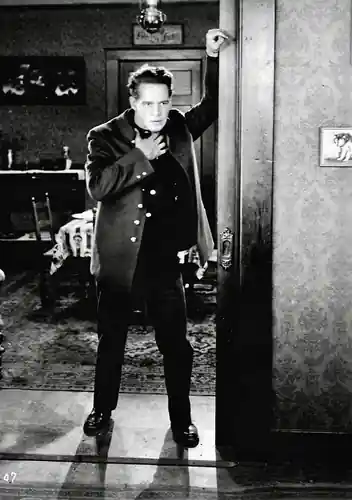
Under the direction of Charles Kenyon, the film maintains a steady pace, allowing the narrative to unfold at a measured pace. The use of natural lighting and period-appropriate settings enhances the authenticity of the era. The cinematography is particularly noteworthy for its ability to capture the tension and drama of pivotal scenes, such as the fire where Drina is trapped.
The pacing of The Still Alarm is one of its strengths, as it allows the audience to fully immerse themselves in the story. However, the film occasionally drags, particularly during certain scenes that rely heavily on exposition. This can make for a slower viewing experience, which may not appeal to everyone.
The tone of The Still Alarm is somber and emotionally charged, reflecting the gravity of the themes explored. The film's treatment of the fire as a catalyst for character development gives it a sense of urgency and intensity. However, the melodramatic elements can at times feel overdone, detracting from the overall impact of the story.
While The Still Alarm is a valuable piece of classic cinema, it is not a film for everyone. Its pacing and reliance on melodramatic elements might be off-putting for modern viewers. However, if you appreciate nuanced storytelling and a rich exploration of human emotions, then this film is a must-watch. It offers a fascinating look into the era and a compelling narrative that rewards close attention.
The Still Alarm is a classic film that deserves a place in the annals of cinema. Its storytelling and character development are both compelling and thought-provoking. While it may not be to everyone's taste, it offers a unique and enriching viewing experience. If you're willing to engage with a slower, more introspective narrative, then this film is definitely worth your time.

IMDb —
1919
Community
Log in to comment.