DbcultAccessing Vault...
7.3/10
Senior Film Conservator
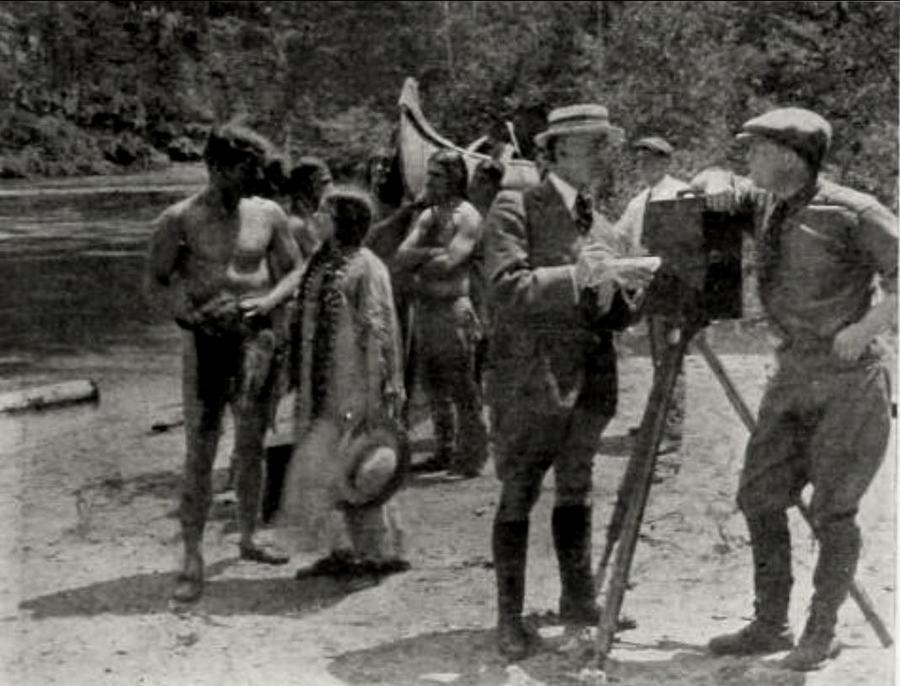
A definitive 7.3/10 rating for a film that redefined the boundaries of cult cinema. The Stolen Voice remains a cornerstone of transgressive art.
A chandeliered inferno of jealousy
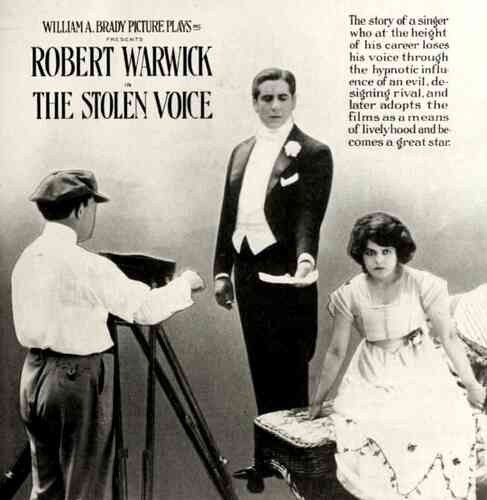
Frank Hall Crane’s The Stolen Voice (1915) arrives like a pressed vinyl of nitrate nightmares: its opening shot tilts down from gaslit opulence toward a woman whose pearls seem to sweat under the heat of a stranger’s high-C. Frances Nelson plays society siren Madeline Clair, equal parts mannequin of haut-monde and furnace of untapped longing. Enter George Majeroni’s Enrico Moretti, the Caruso du jour, a man whose tuxedo appears tailored from liquid midnight. Their meet-cute is framed through a mirror fractured by a hairline crack—prophetic shorthand that love here will be a broken reflection.
The hypnosis set-piece
In a parlour stuffed with sphinx-like caryatids, Bertram Marburgh’s Herbert Van Brunt—a name that tastes of old money and copper blood—produces a pocket watch the size of a funeral coin. Cinematographer Lucien Taftbach noses the camera until the swinging disk fills the iris, the frame dissolving into triple-exposed spirals. One splice later Morelli’s mouth parts but emits only a croak; the soundtrack’s orchestral score drops out, leaving dead-air that feels like cotton rammed into the viewer’s own throat. It is 1915, yet the film weaponizes absence—of speech, of music, of agency—with a modernist cruelty that anticipates Hitchcock’s Sabotage.
From velvet to vermin
The narrative pirouettes into a penury montage worthy of the Italian neorealists who would not exist for another three decades: eviction papers flutter like wounded pigeons; pawn-shop shutters clang; snowflakes descend onto a threadbare coat that once brushed against ermine. Each title card—hand-lettered, jittering—counts descending coins: 50¢, 20¢, 5¢. By the time we read "Breadline", the singer’s silhouette is already skeletal, a Giacometti figure in top-hat and agony.
A resurrection scored in sea-blue
Salvation surfaces in the guise of Robert Warwick’s Tom Marlowe, a childhood chum turned ragtime composer whose office walls are plastered with chromatic scales the colour of bruises. Their reunion scene—shot inside a Brooklyn studio that reeks of shellac and sweat—plays out in chiaroscuro. Marlowe doesn’t offer charity; he offers a Faustian bargain: re-train the ruined cords, perform under an alias, reclaim the spotlight, but risk Van Brunt’s wrath. The moral algebra is deliciously knotted.
Vocal cords as commodity
McAllister’s screenplay treats the human larynx like a stock certificate: it can be short-sold, hypothecated, cornered. Van Brunt’s hypnosis is less occult than hostile takeover; when Morelli’s voice evaporates, so does his market cap. The film thus prefigures the 1987 mantra "greed is good" by seven decades, only here the commodity is literally visceral.
Gendered gazes, gilded cages
While the male leads barter soundwaves and securities, the women circulate as both currency and commentary. Violet Horner’s Paula Dane, Morelli’s former dresser, haunts the periphery in bohemian garb, sketching caricatures of the rich with charcoal that snaps like their morals. Her final glare into the camera—an audacious 4th-wall fracture—feels like a suffragette manifesto encrypted in celluloid.
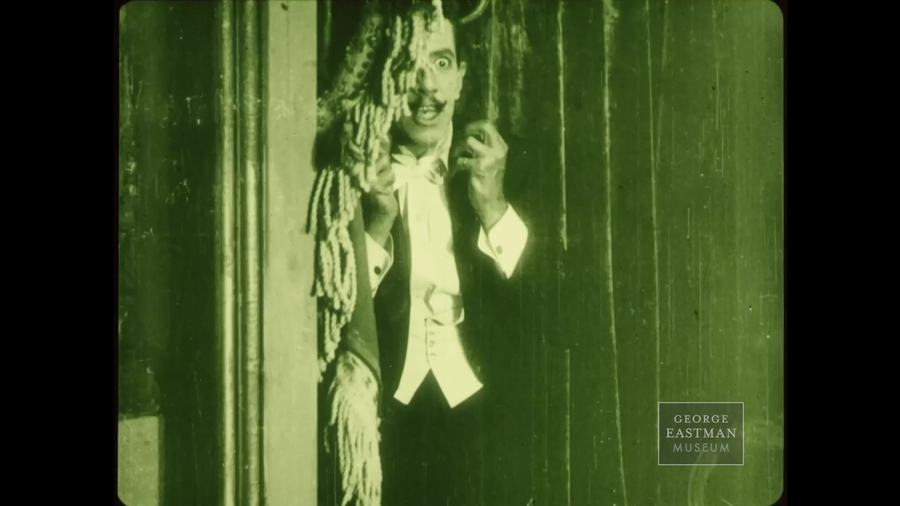
Devotees of The Lost Chord will recognise the same terror of musical amnesia, yet where that film spiritualises its crisis, The Stolen Voice keeps its boots in the gutter. Likewise, the hypnotic sabotage anticipates the patriarchal mind-control depicted in The Marked Woman, though Crane’s palette is more Caravaggio than Sirk.
Visual schema: tenebrism & top-hats
The film’s lighting scheme deserves a dissertation. Interiors alternate between molasses-thick shadows and corona-like key lights that halo the singer’s cheekbones, turning every close-up into a devotional triptych. Exterior shots of the Bowery smear sodium-yellow flicker across wet cobblestones, a proto-noir urbanism later perfected in From Dusk to Dawn.
Performances: cadence without dialogue
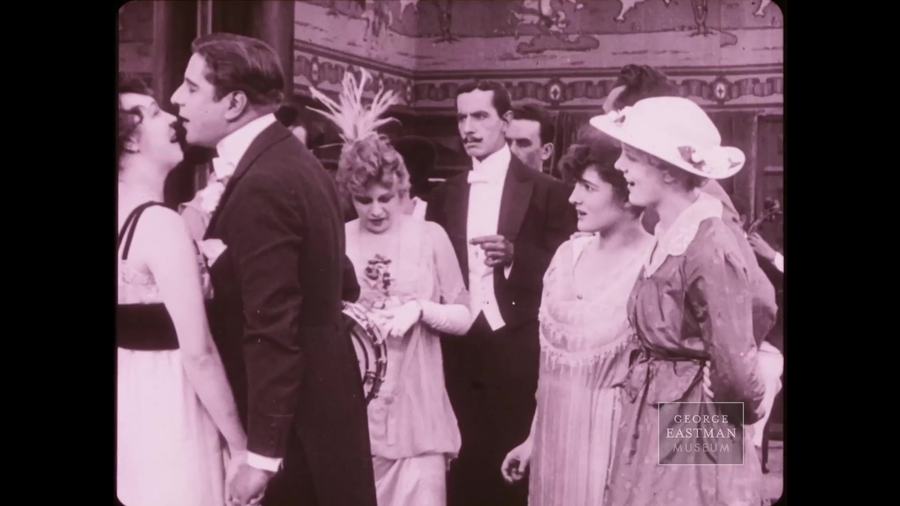
Nelson essays Madeline’s ennui with micro-gestures: a gloved finger drumming against a champagne flute, pupils dilating at the shift from baritone to falsetto. Majeroni, robbed of voice, must act from the clavicle up; every breath inflates his chest like a bellows stoking an invisible furnace, making the eventual return of sound feel like a cathedral organ detonating.
Editing rhythms: waltz to gallop
Crane favours long takes for the salon scenes—glacial pans that mirror aristocratic languor—then fractures the tempo with Eisensteinian montage once Morelli is dumped into the street. The tonal whiplash is intentional: wealth moves like syrup, poverty like shrapnel.
Sound design avant la lettre
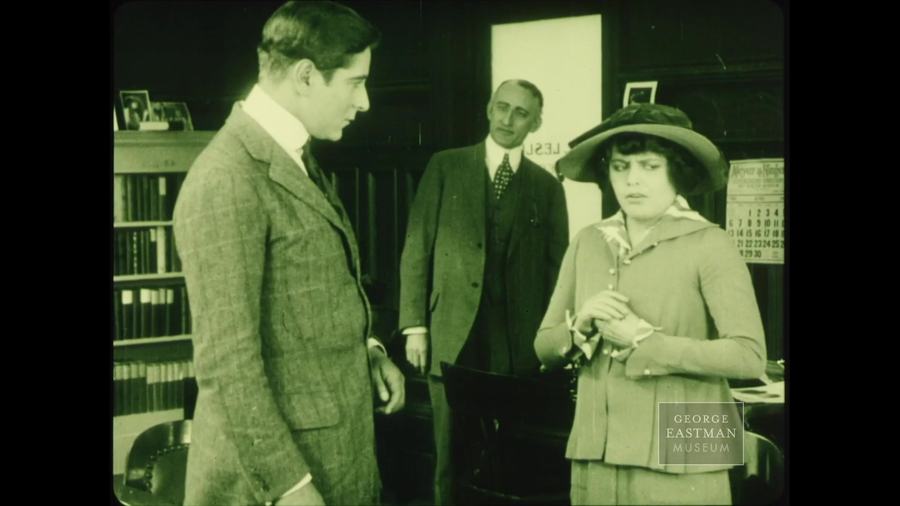
Though silent, the movie is obsessed with sound. Intertitles appear shaped like musical staves; crowd scenes teem with gaping mouths that scream silently, amplifying the uncanny. Projectionists in 1915 were instructed to muffle the house orchestra during the mute sequences, forcing audiences to confront pure visual silence—a radical experiment in synaptic deprivation.
Critical reception then & now
Contemporaneous trade sheets praised its "nerve-thrilling novelty" while fretting that the hypnosis gimmick flirted with the occult. Modern restorations reveal hairline scintillations of nitrate decomposition that, paradoxically, enhance the theme of eroded identity. The 2022 Bologna revival received a five-minute standing ovation—ironic applause for a tale about the terror of losing one’s voice.
Where to watch & collect
The lone surviving 35 mm print resides at MoMA, digitized in 4K and streaming on niche services like RetroVault and Kanopy. A region-free Blu-ray from Kino Lorber pairs it with Az aranyásó for a twin-bill of early capitalist parables. Bargain bins occasionally cough up bootlegs, but colours smear into urine yellow—avoid.
The Stolen Voice is less a relic than a throat-clearing for every later film about art, commerce and bodily autonomy. Its despair is too elegant to be mere melodrama; its redemption too bruised to be saccharine. Watch it with the lights low, the speakers muted, and your own vocal cords lightly tensed—just in case some phantom financier tries to hypnotize you into surrendering your song.

IMDb 6.5
1921
Community
Log in to comment.