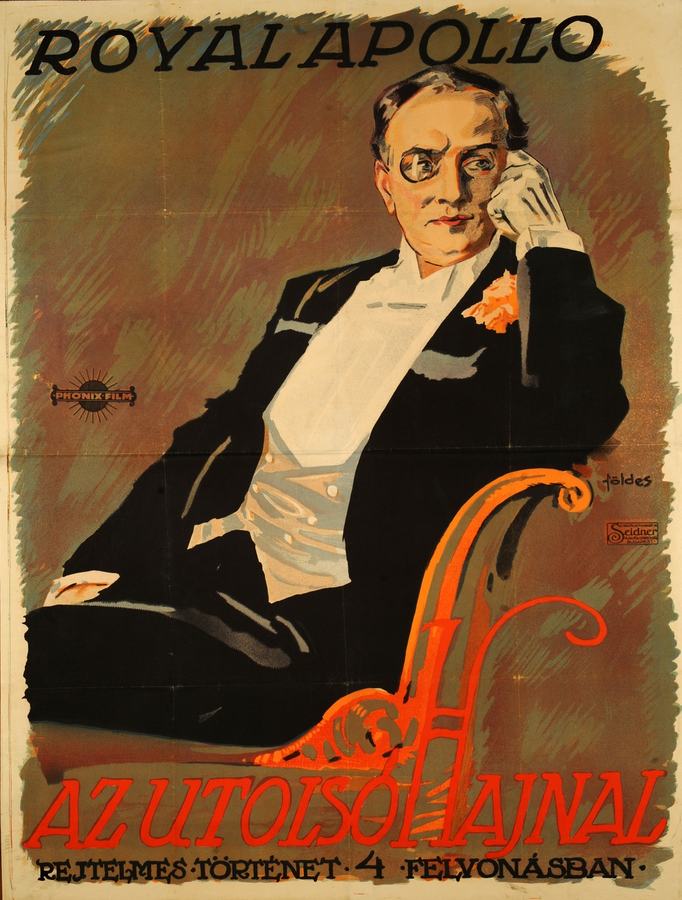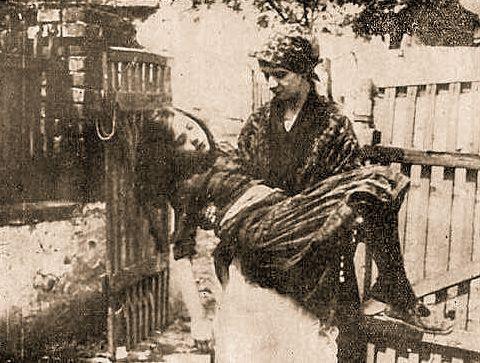
Ferenc Molnár swaps the Budapest ballroom for a torched mountainside, and the result is the most sardonic bonfire silent-era Europe ever smuggled past its censors. There is a moment—roughly twelve minutes in—when Ilonka Lakatos tilts her chin toward a lantern, letting the flame paint her throat the color of cognac. N...
Comparing the cinematic DNA and archive impact of two defining moments in cult history.
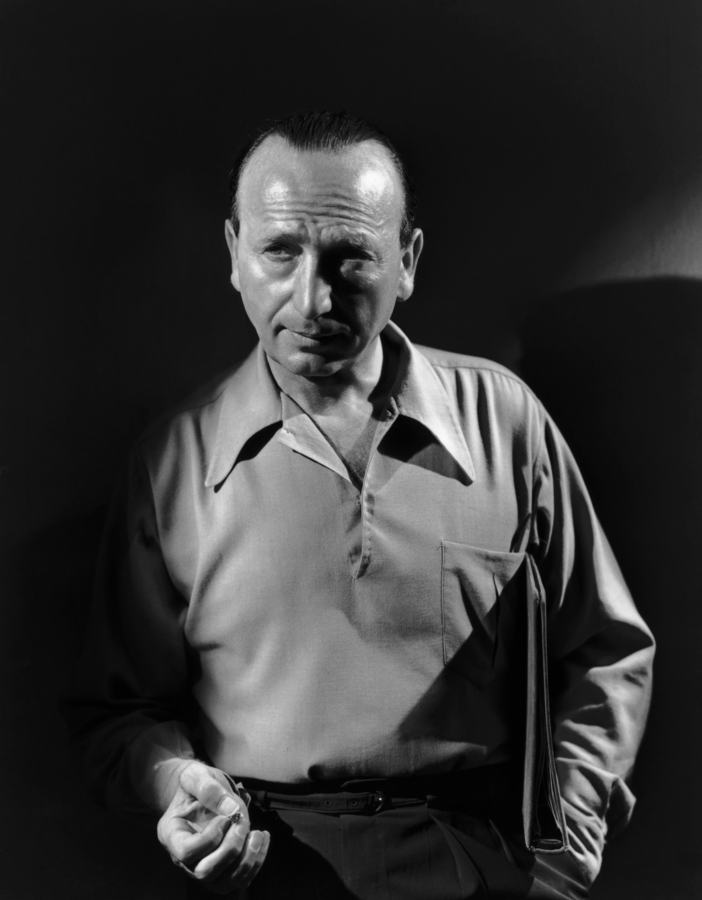
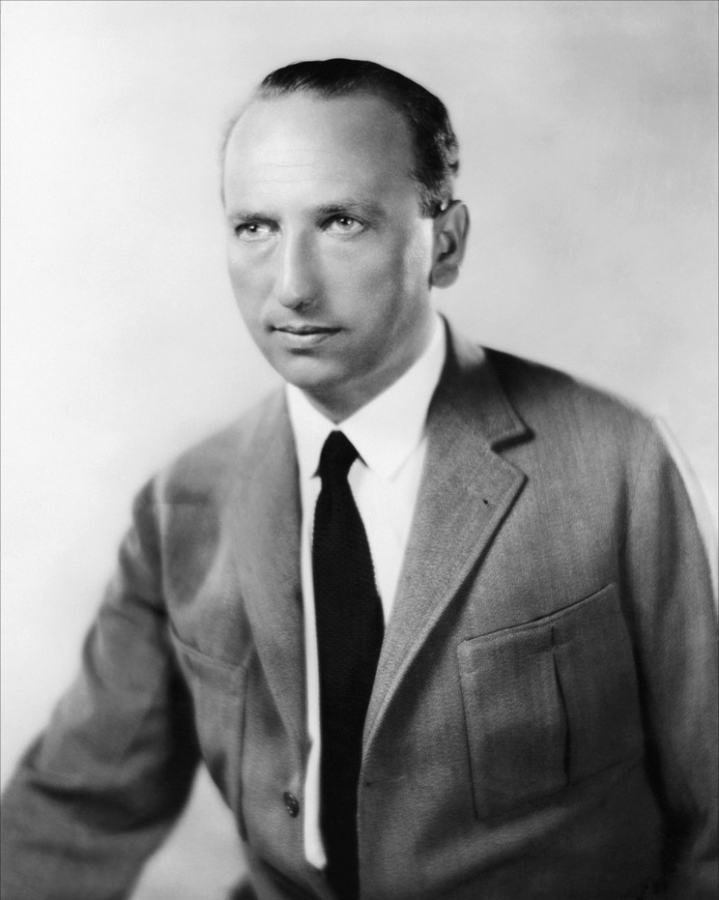
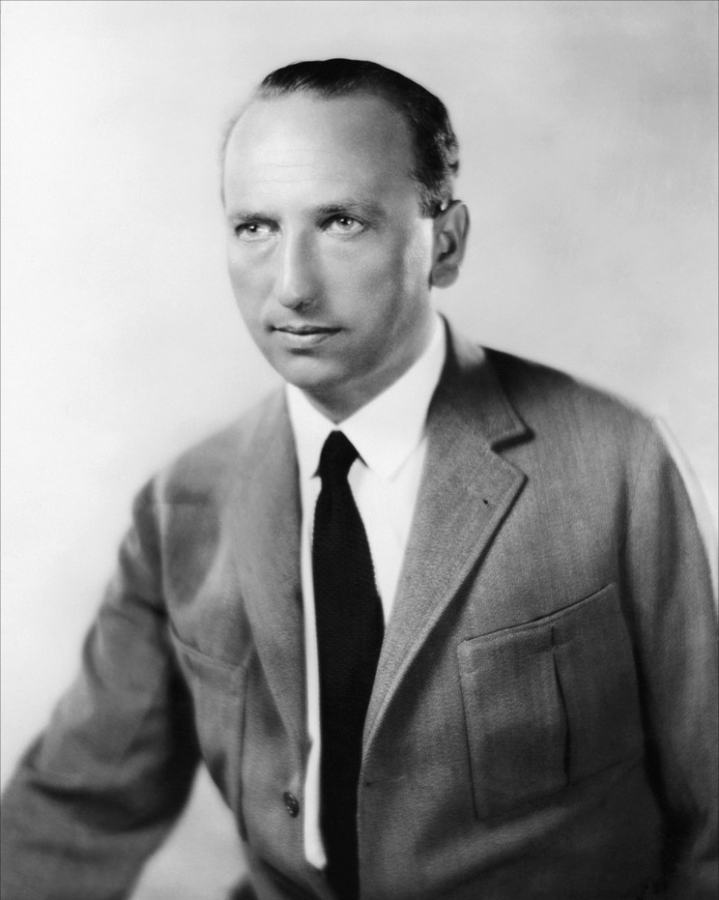
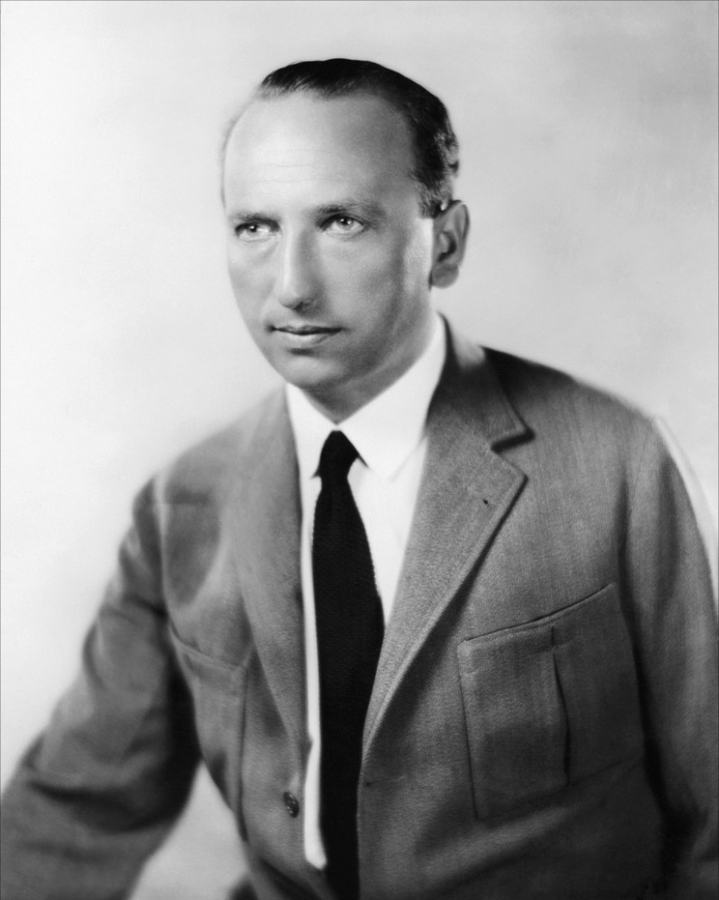
Michael Curtiz
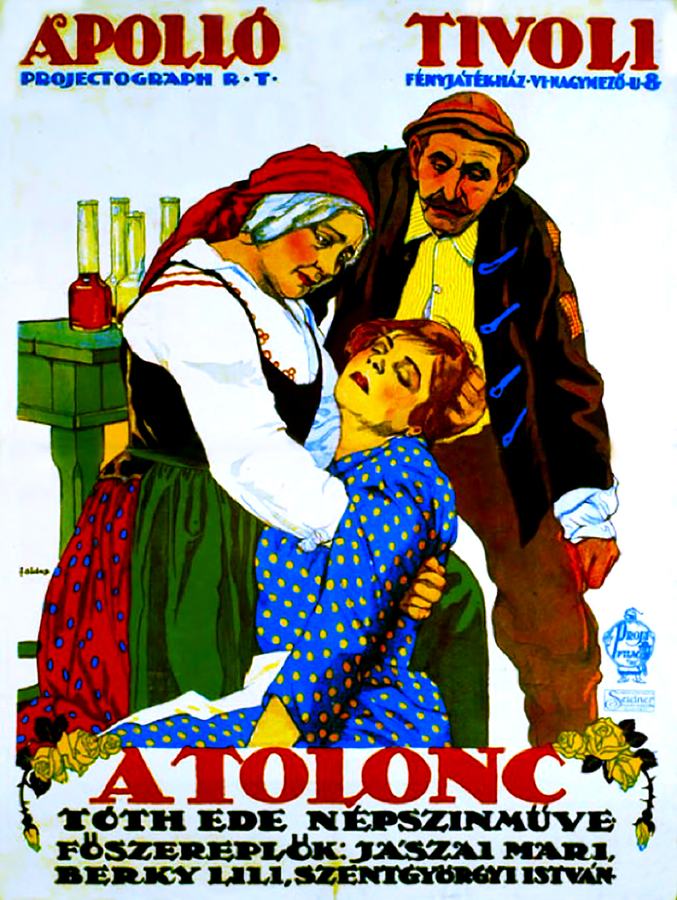
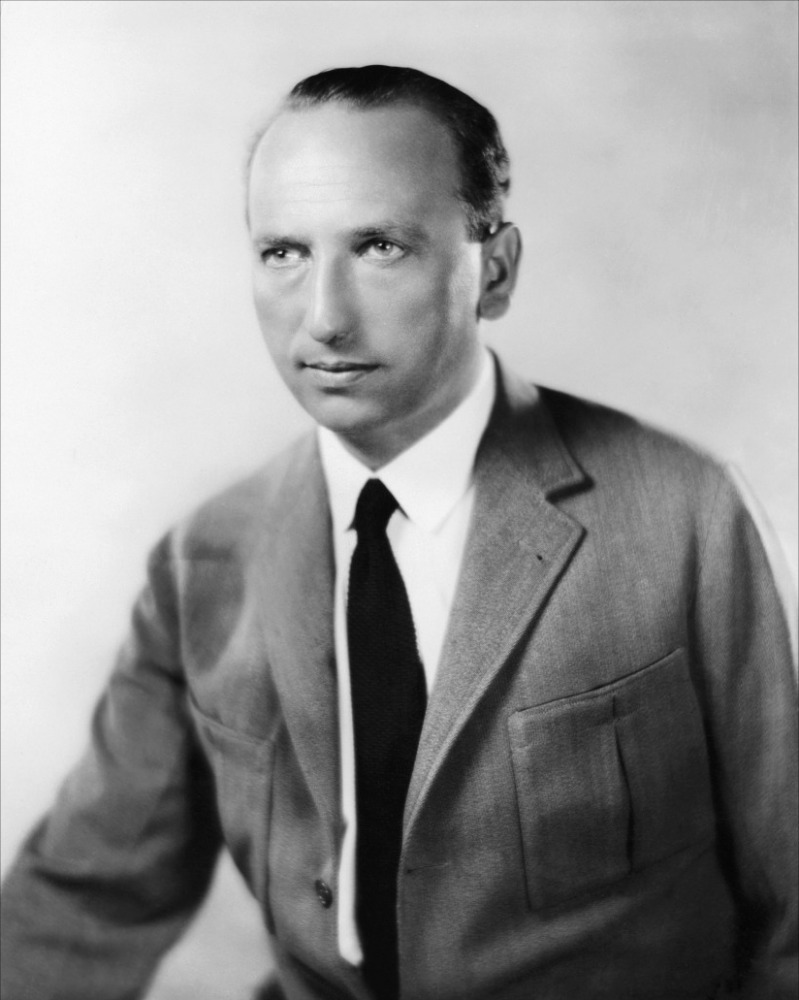
Michael Curtiz
Community
Log in to comment.
" Ferenc Molnár swaps the Budapest ballroom for a torched mountainside, and the result is the most sardonic bonfire silent-era Europe ever smuggled past its censors. There is a moment—roughly twelve minutes in—when Ilonka Lakatos tilts her chin toward a lantern, letting the flame paint her throat the color of cognac. Nothing in the plot demands this flourish; it is cinema for the sake of skin, light for the sake of lust. That single cut becomes the film’s manifesto: Az aranyásó will pan for narr..."