DbcultAccessing Vault...
Cult Review
Senior Film Conservator
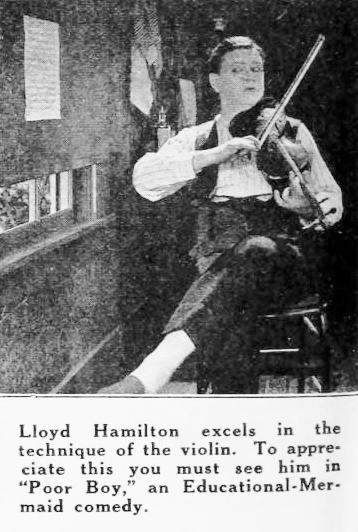
Poor Boy is a film that masterfully weaves a complex tapestry of human emotions, delving into the intricacies of the human condition with unflinching candor. The narrative is a poignant exploration of the transformative power of compassion and the human spirit's capacity for redemption. As we delve into the world of this film, we are introduced to a tramp, played by Lloyd Hamilton, who is struggling to survive on the periphery of society. His life is a constant battle against the unforgiving forces of poverty and despair, until he is presented with an opportunity to change his circumstances by a kindhearted policeman.
The policeman's gesture of kindness sets in motion a chain of events that ultimately leads the tramp to the Mission, where he encounters a beautiful and compassionate reformer, played by Irene Dalton. She is a paragon of virtue, with a deep-seated commitment to helping those in need, and her presence in the tramp's life serves as a catalyst for his transformation. As their relationship blossoms, we witness a profound metamorphosis in the tramp, as he begins to shed the vestiges of his former life and embracing a newfound sense of purpose.
The film's narrative is replete with themes that resonate deeply with audiences, including the struggle for redemption, the power of human connection, and the importance of compassion. These themes are woven throughout the story, creating a rich and complex emotional landscape that draws the viewer in and refuses to let go. The cinematography is equally impressive, with a keen attention to detail that captures the harsh realities of life on the streets, as well as the warmth and comfort of the Mission. The contrast between these two worlds serves to underscore the tramp's journey, highlighting the stark differences between his old and new lives.
In comparison to other films of the era, such as Shadows of the Moulin Rouge and Hay Fever, Poor Boy stands out for its unflinching portrayal of the human condition. While films like The Unknown Ranger and Nobody's Wife may have explored similar themes, they lack the depth and nuance that Poor Boy brings to the table. The film's commitment to realism, coupled with its strong narrative and memorable characters, makes it a standout in the world of cinema.
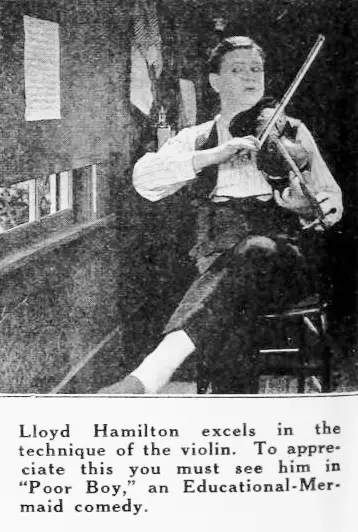
One of the most striking aspects of Poor Boy is its use of character development. The tramp, in particular, is a masterfully crafted character, with a rich inner life that is gradually revealed over the course of the film. His transformation from a downtrodden vagrant to a confident and self-assured individual is nothing short of remarkable, and serves as a testament to the power of the human spirit. The reformer, too, is a well-developed character, with a deep sense of compassion and empathy that drives her to help those in need.
The film's technical aspects are equally impressive, with a keen attention to detail that permeates every aspect of the production. The cinematography, as mentioned earlier, is superb, capturing the harsh realities of life on the streets with unflinching candor. The score, too, is noteworthy, with a haunting and evocative soundtrack that perfectly complements the on-screen action. The editing is tight and well-paced, with a clear narrative flow that draws the viewer in and refuses to let go.
In addition to its technical merits, Poor Boy is also noteworthy for its historical significance. Released during a time of great social change, the film offers a powerful commentary on the human condition, highlighting the struggles and triumphs of those living on the margins of society. The film's portrayal of the Mission and its inhabitants, for example, serves as a powerful indictment of the social and economic systems that perpetuate poverty and inequality. At the same time, the film offers a message of hope and redemption, suggesting that even in the darkest of times, there is always the possibility for transformation and renewal.
In comparison to other films that explore similar themes, such as Torchy's Promotion and Fireman Save My Child, Poor Boy stands out for its nuanced and compassionate portrayal of the human condition. While films like A Regular Pal and Kino-Pravda No. 13: Yesterday, Today, Tomorrow. A Film Poem Dedicated to the October Revolution may have explored similar themes, they lack the depth and nuance that Poor Boy brings to the table. The film's commitment to realism, coupled with its strong narrative and memorable characters, makes it a standout in the world of cinema.
Ultimately, Poor Boy is a film that will resonate deeply with audiences, offering a powerful and poignant exploration of the human condition. With its strong narrative, memorable characters, and technical merits, the film is a must-see for anyone interested in cinema. Whether you're a fan of classic films or simply looking for a movie that will challenge and inspire you, Poor Boy is an excellent choice. So why not check it out, and experience the transformative power of cinema for yourself? You can also explore other classic films like A Regular Fellow, Eldorado, The Lure of the Circus, Once a Mason, Wanted: A Mother, Pages of Life, The Cave Girl.
IMDb 6.9
1934
Community
Log in to comment.