DbcultAccessing Vault...
Cult Review
Senior Film Conservator

The Storm Daughter, a film of surprising depth and emotional resonance, presents a narrative that deftly subverts expectations, much like the thematic complexity of Merchant of Menace. At its core, the story revolves around a sea captain, portrayed with remarkable nuance by J. Farrell MacDonald, whose life is forever altered by his encounter with a beautiful young girl, played by Priscilla Dean. This unexpected romance, unfolding against the backdrop of the vast and unforgiving sea, serves as a poignant reminder of the transformative power of love.
The captain, a man of formidable reputation and unyielding resolve, finds himself inexplicably drawn to the young maiden, embarking on a pursuit that would challenge even the most hardened of hearts. This crucial juncture in the narrative not only underscores the captain's vulnerability but also highlights the universality of love, a theme that transcends the boundaries of character and circumstance. As the story unfolds, the captain's demeanor, once characterized by brutality and detachment, gradually gives way to a softer, more compassionate disposition, a transformation that is as compelling as it is heartwarming.
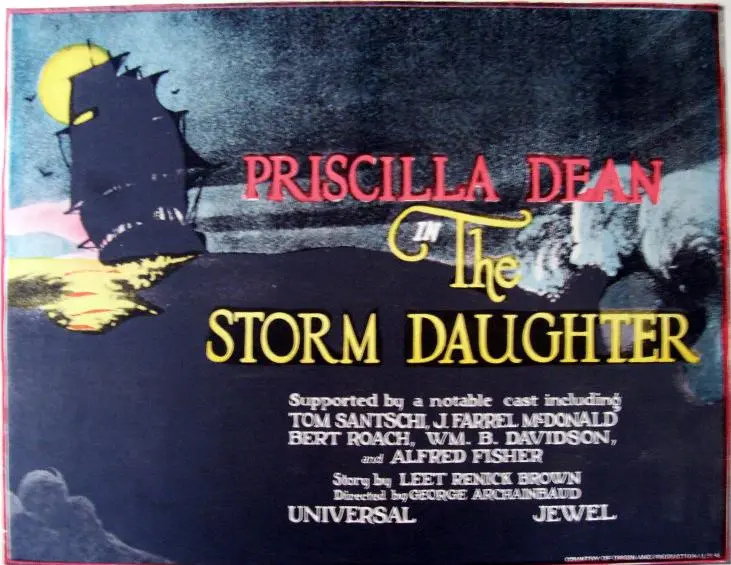
The film's exploration of love and its myriad forms is reminiscent of the nuanced character studies found in The Marriage Lie and Gemini Ambrose. The narrative's ability to balance the harsh realities of life at sea with the gentle whispers of romance is a testament to the skill of its writers, Leete Renick Brown, Edward J. Montaigne, and Edward J. Montagne. Their collaborative effort has resulted in a screenplay that is both engaging and emotionally resonant, inviting viewers to reflect on the complexities of the human experience.
In terms of character development, the film demonstrates a remarkable level of sophistication, with each character, regardless of their role, contributing to the narrative's richness. The supporting cast, including George Kuwa, Cyril Chadwick, and Tom Santschi, among others, add layers of depth to the story, creating a cinematic experience that is as immersive as it is thought-provoking. This attention to detail and commitment to character-driven storytelling aligns with the narrative ambitions of films like Alf's Button and The Broken Trestle.
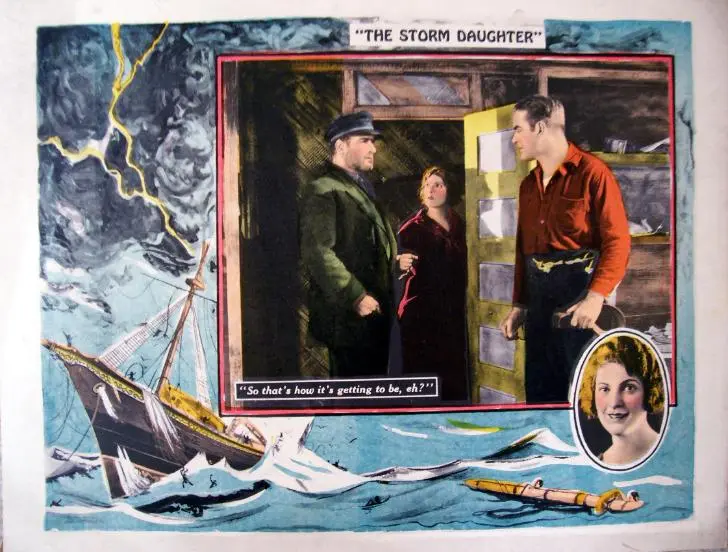
The Storm Daughter also warrants comparison with Pure But Simple and The Price of Crime in terms of its thematic exploration of morality and redemption. The film's portrayal of the captain's journey, marked by his confrontation with his own vulnerabilities, serves as a powerful exploration of the human condition, one that is both universally relatable and profoundly moving. This cinematic achievement underscores the enduring appeal of stories that challenge, inspire, and ultimately, transform us.
In conclusion, The Storm Daughter stands as a testament to the power of love and the complexity of human emotion. Through its thoughtful narrative, nuanced character development, and thematic resonance, the film offers a viewing experience that is as enriching as it is entertaining. For those who appreciate a story that combines the toughness of the sea with the tenderness of love, The Storm Daughter is a must-see cinematic treasure, one that lingers in the mind long after the curtain falls.

Ultimately, The Storm Daughter joins the ranks of films like Beauty and the Feast, Incantesimo, and Miracle of the Wolves in its exploration of the human experience through a lens of drama, romance, and self-discovery. It is a film that not only captivates the heart but also stimulates the mind, leaving viewers with a lasting impression of the transformative power of love.
The film's ability to navigate the delicate balance between drama and romance is a notable achievement, one that speaks to the skill of its creators. As a cinematic work, The Storm Daughter stands as a poignant reminder of the enduring appeal of stories that explore the depths of human emotion and the complexities of the human heart.

IMDb 6.1
1932
Community
Log in to comment.