Summary
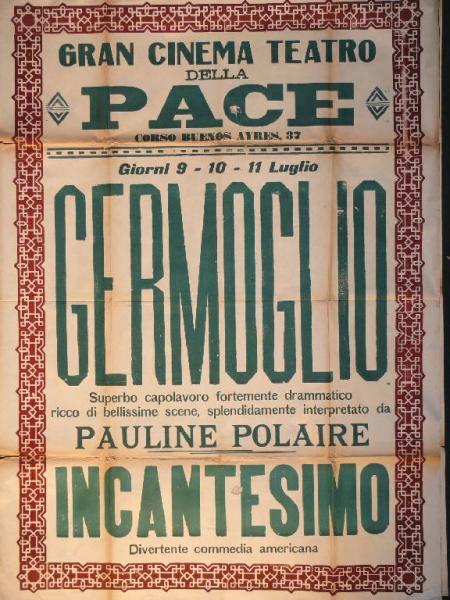
Incantesimo, a seldom-screened 1913 Italian gem, unfurls like a feverish tapestry of fin-de-siècle longing: a marble-white Roman villa, moon-drenched cypresses, and a violin motif that seems to bleed from the very walls. Camillo De Rossi’s aristocratic composer, tortured by an unspoken wound from a past amour, drifts through salons where Gianna Terribili-Gonzales’s widowed countess glides in ebony silks, her gaze a blade of melancholy. Into this chiaroscuro steps Pépa Bonafé’s enigmatic gypsy siren, her tambourine rattling like fate’s own metronome; she trades prophecies for kisses, whispering that music itself will betray him. When Teresa Termini’s ingénue cousin—roses braided through auburn hair—arrives for Carnivale, the villa’s mirrors begin to cloud, reflecting not faces but futures: a nocturnal duel, a poisoned mazurka, a child’s lullaby hummed atop the Tiber’s parapets. Salvatore Ferdinando Ramponi’s priest, more pagan than penitent, pockets love-letters instead of absolution, while Tullio Ferri’s one-eyed cellist retunes reality with every glissando. Henry Bataille’s scenario, distilled through Ugo Gracci’s intertitles, coils toward a climax in which the composer burns his scores, believing the flames will cauterize memory; yet the smoke forms her name above the city, an incandescent sigil no deluge can wash away. The final iris-in lingers on a single surviving page of music, its notes rearranging themselves into the countess’s heartbeat—a sublime admission that art, once enchanted, never relinquishes its hostage.
Review Excerpt
"
Incantesimo does not unspool; it haunts. One hundred eleven years after its Roman première, the nitrate still smells of verbena and gunpowder, as though each frame were soaked in carnival wine and confession-booth wax.
A Villa That Breathes
Set almost entirely within a crumbling patrician manor, the film turns marble into membrane: corridors contract like ventricles whenever the protagonist—an unnamed composer played by Camillo De Rossi—passes beneath vaulted ceilings. Directors of the period ..."