DbcultAccessing Vault...
5.5/10
Senior Film Conservator
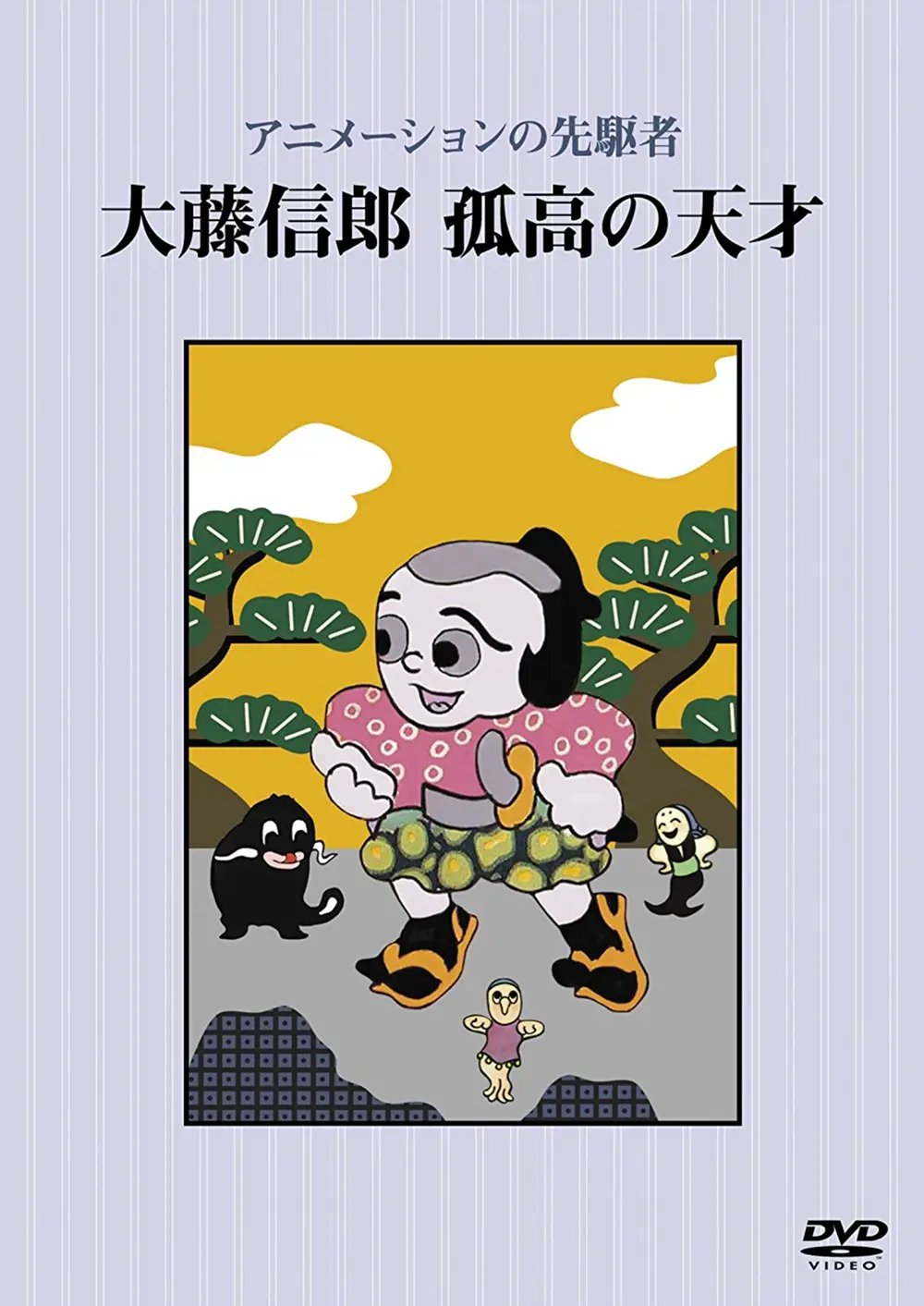
A definitive 5.5/10 rating for a film that redefined the boundaries of cult cinema. The Story of the Monkey King remains a cornerstone of transgressive art.
Is this 1926 silhouette animation worth your time in the digital age? Short answer: yes, but primarily as a tactile artifact of pre-war ingenuity that demands a patient eye. This film is for the animation purist and the historian of the avant-garde; it is certainly not for those who require the frenetic pacing or narrative clarity of modern cinema.
The Story of the Monkey King is less a movie and more a moving tapestry. It represents a pivot point in Japanese cinema where traditional craft met the mechanical eye of the camera. Watching it today requires a mental recalibration. You aren't just watching a story; you are watching the birth of an aesthetic.
This film works because it utilizes the limitations of silhouette animation to create a sense of otherworldly depth that cel animation often lacks. Noburō Ōfuji’s use of textured Chiyogami paper gives every frame a physical weight.
This film fails because its narrative is aggressively fragmented, assuming the audience already knows every beat of the source material. Without that context, the transitions feel like a fever dream rather than a journey.
You should watch it if you are interested in the evolution of visual storytelling or if you want to see how early Japanese animators competed with the rising tide of Western influence seen in films like An Elephant's Nightmare.
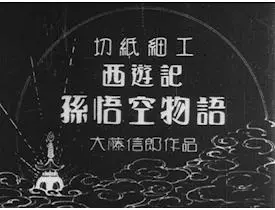
Noburō Ōfuji was not a director who played by the rules. While the West was perfecting the assembly-line style of animation, Ōfuji was in a dark room, meticulously moving pieces of paper. In The Story of the Monkey King, his direction is felt in the negative space. He understands that what we don't see is just as important as the black shapes on the screen.
Take the scene where the Monkey King first acquires his staff. In a modern film, this would be a sequence of explosions and light. Here, it is a dance of geometry. The way the staff extends across the frame—cutting through the white background like a blade—is a masterclass in minimalist composition. It’s a bold choice that stands in stark contrast to the more traditional theatrical framing of The Cabaret from the same era.
The cinematography—if we can call it that in an animated context—is defined by its starkness. There is no grey area here. Everything is either light or dark. This binary visual language forces the viewer to focus on the silhouette's profile. Every flick of the Monkey King’s tail or the tilt of a demon’s head carries the weight of a monologue.
The use of Chiyogami paper is the film's secret weapon. When the light passes through the semi-translucent patterns of the paper, it creates a shimmering effect that looks like digital noise but is entirely organic. It gives the Monkey King a vibrating energy. It makes him feel alive. This is a far cry from the static backgrounds of Lost: A Bridegroom, showing how animation could push boundaries that live-action struggled with in 1926.
Let’s be honest: the pacing is a slog. If you are used to the 24-frames-per-second fluidity of modern animation, the jerky, frame-by-frame movement here will be jarring. It’s a rhythmic experience, not a cinematic one. The film moves in pulses. There are moments of high-speed combat followed by long, agonizingly still shots of the horizon.
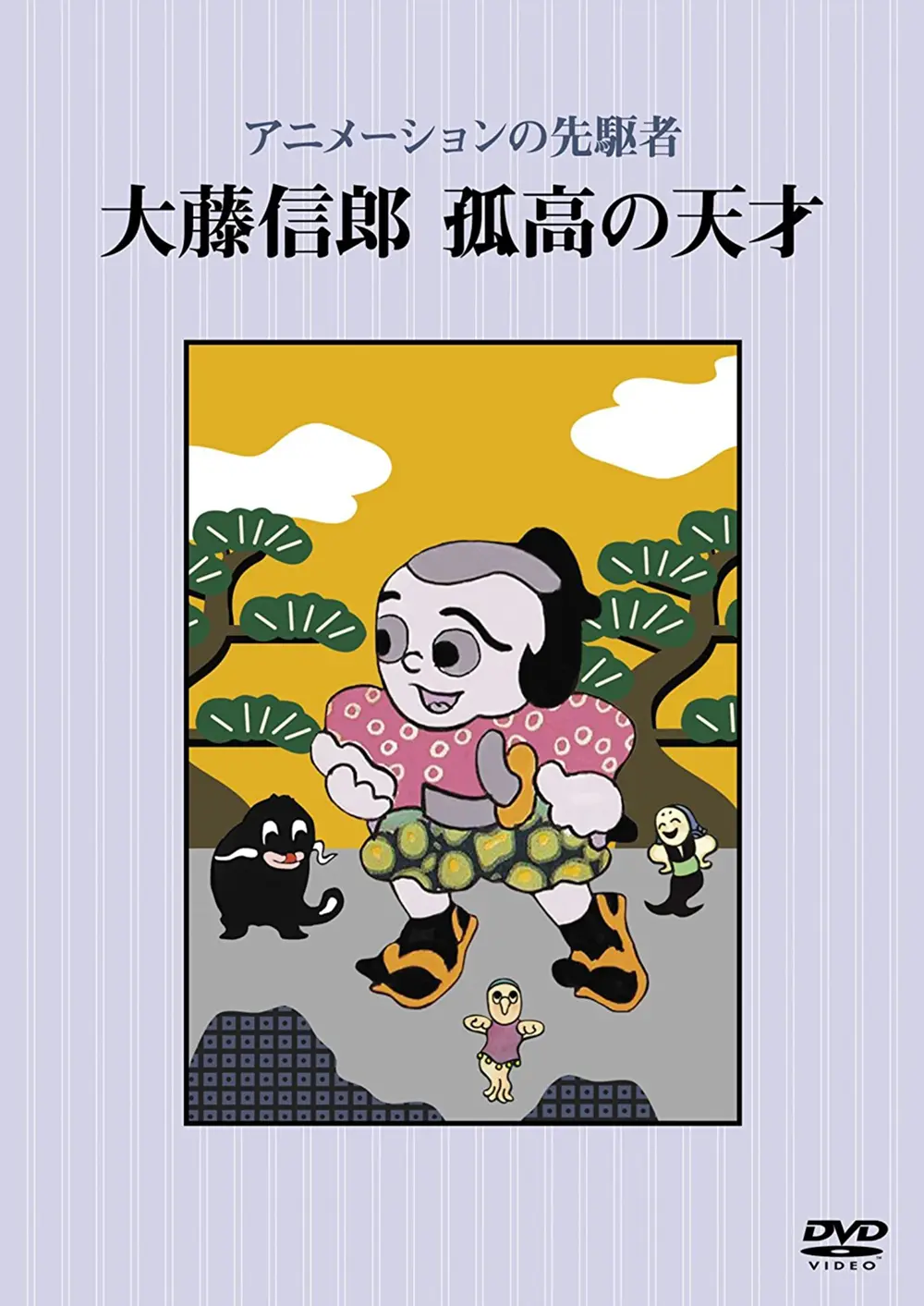
This episodic nature makes it feel more like a series of illustrations than a cohesive film. It lacks the sweeping epic feel of something like Spartak. Instead, it’s intimate. It’s small. But in that smallness, there is a terrifying amount of detail. Every frame was a choice made by a single man’s hands. That level of authorship is rare today.
Yes, but only if you approach it as an art gallery visit. If you go in expecting a thrill ride, you will be disappointed. If you go in looking for the origins of the 'cool' factor in Japanese animation, you will find it in spades. The Monkey King’s arrogance is captured perfectly in the way Ōfuji tilts his head. It’s subtle, it’s arrogant, and it’s brilliant.
Pros:
- Revolutionary use of silhouette techniques.
- A unique cultural take on a classic legend.
- High contrast visuals that still look sharp on modern screens.
Cons:
- Extremely dated pacing.
- Requires significant outside knowledge of the plot.
- The short runtime feels both too long and too brief.
One thing most critics miss is the sound of the silence. When watching The Story of the Monkey King, the lack of a synchronized score in its original form forces you to hear the mechanical whir of your own imagination. It is a Rorschach test of a film. Does the Monkey King look heroic or like a shadow puppet of our own darker impulses? I argue it's the latter. There is something inherently creepy about these featureless black shapes moving with such human-like precision.
The Story of the Monkey King is a difficult masterpiece. It is a chore to watch if you aren't in the right headspace, but it is a revelation if you are. It proves that you don't need millions of pixels to create a world; you just need paper, light, and a very sharp pair of scissors. It works. But it’s flawed. And that’s exactly why it’s worth your time.
"Ōfuji didn't just animate paper; he gave shadows a soul."
In the pantheon of 1920s cinema, this sits alongside experimental works like Prohibition or Charity, pushing the medium toward something more abstract and less literal. It remains a vital piece of the puzzle for anyone trying to understand how we got from simple drawings to the complex digital landscapes of today.
IMDb —
1919
Community
Log in to comment.