DbcultAccessing Vault...
7.1/10
Senior Film Conservator
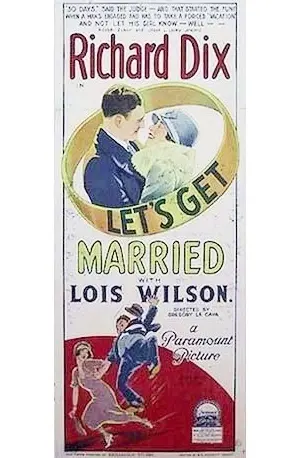
A definitive 7.1/10 rating for a film that redefined the boundaries of cult cinema. Let's Get Married remains a cornerstone of transgressive art.
Is the 1926 Richard Dix vehicle Let's Get Married worth your time in the twenty-first century? Short answer: Yes, but only if you have a high tolerance for the 'comedy of errors' trope and a deep appreciation for the physical demands of silent-era slapstick. It is a film for those who enjoy watching a protagonist dig a hole so deep that the only way out is a frantic, logic-defying sprint to the finish line.
This film is for enthusiasts of the 'Strenuous Life' era of American comedy, where the hero's athletic ability is as important as his timing. It is decidedly NOT for viewers who demand psychological realism or a plot that doesn't rely on the convenient stupidity of its supporting characters. It works. But it is flawed. The central conceit is as thin as a communion wafer, yet the execution by the cast elevates it into something genuinely entertaining.
1) This film works because it understands the inherent comedy of the 'pious' facade. The subversion of the hymnal-selling old woman is the film's strongest satirical punch, mocking the temperance movements of the 1920s with a wink and a glass of gin.
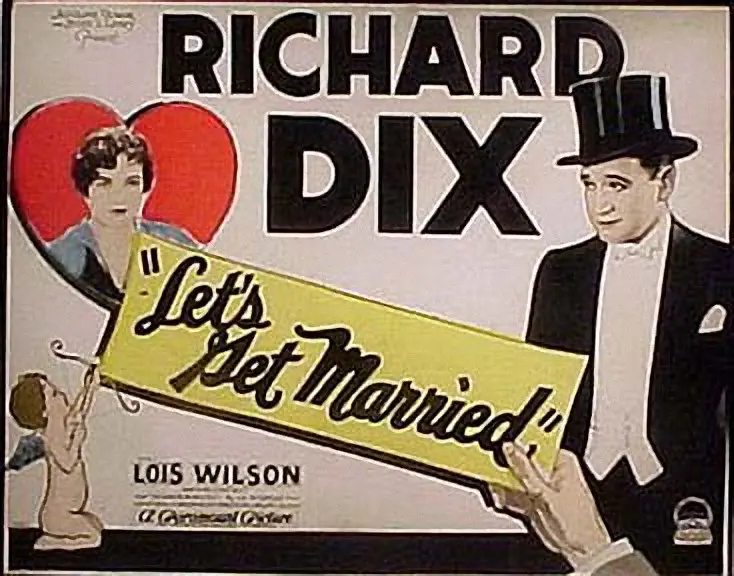
2) This film fails because the central lie—Billy’s 'missionary work'—is sustained for far longer than any reasonable person would believe, leading to a middle act that feels slightly repetitive in its desperation.
3) You should watch it if you want to see Edna May Oliver deliver a comedic performance that predates and predicts the 'tough-as-nails' character actresses of the 1930s and 40s.
Richard Dix occupies a strange space in silent cinema. He wasn't a waif-like clown like Keaton, nor was he a romantic idol in the vein of Valentino. He was a 'man's man' who happened to be funny. In Let's Get Married, Dix utilizes his physical bulk to great effect. When he is being 'reformed,' he looks like a caged animal trying to play a harp. It is a performance rooted in the tension between his natural aggression and the social requirements of his upper-class upbringing.
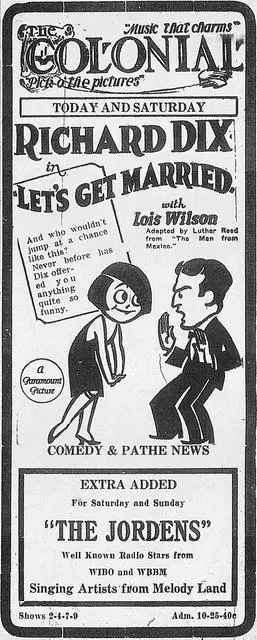
Compare his energy here to his work in Hands Up! from the same year. While that film leaned into the absurdity of the Civil War, Let's Get Married is much more grounded in the urban anxieties of the Roaring Twenties. Dix's Billy Dexter is the quintessential 'college boy' who hasn't quite realized that the rules of the football field don't apply to the local precinct. His chemistry with Lois Wilson is serviceable, but Wilson is largely relegated to the 'worried fiancée' role, a common fate for female leads in this era.
The real revelation here is Edna May Oliver. In a role that could have been a one-note caricature of a drunk, she brings a terrifying vitality to the screen. The scene where she leads Billy into a saloon brawl is the film's high point. Watching a woman who is supposed to be selling hymnals lay out a dockworker with a well-placed bottle is a subversion of 1920s gender norms that feels surprisingly modern. She doesn't just drink; she dominates the space.
This performance provides a necessary counterweight to the more traditional slapstick of the police chases. While Dix is running from the law, Oliver is the law of the jungle. Her presence turns what could have been a generic comedy into a biting commentary on the hypocrisy of the era's moral guardians. It is a performance that rivals the character work seen in Sally of the Sawdust, though with a much harder edge.

The pacing of Let's Get Married is relentless, particularly in the final third. Once Billy escapes from jail, the film transforms into a proto-action movie. The use of location shooting in the streets provides a sense of scale that studio-bound comedies often lack. The camera follows Billy as he weaves through traffic, dodges officers, and attempts to maintain his 'missionary' disguise. It is a masterclass in visual storytelling through movement.
However, the film suffers from a common silent-era ailment: the title-card dump. There are moments where the dialogue cards are doing the heavy lifting for plot points that could have been shown visually. The complexity of the lie regarding the Pacific Islands requires a lot of exposition that occasionally grinds the momentum to a halt. Despite this, the physical comedy is choreographed with such precision that these lulls are quickly forgotten.
Yes, Let's Get Married is a vital piece of 1920s comedy that showcases the physical charisma of Richard Dix and the comedic genius of Edna May Oliver. While the plot is built on a foundation of absurd lies, the execution of the slapstick and the sharp social satire regarding temperance make it a rewarding watch for any fan of classic cinema. It captures a specific moment in American culture where the 'bad boy' was the ultimate hero.
Pros:
- Exceptional physical comedy from Richard Dix.
- A sharp, satirical edge regarding 1920s morality.
- Fast-paced final act with impressive location stunts.
- Edna May Oliver steals every scene she is in.
Cons:
- The central romantic conflict feels dated and thin.
- Over-reliance on title cards for complex exposition.
- The ending is somewhat abrupt, even for a silent comedy.
The cinematography in Let's Get Married is functional but effective. The director uses deep focus during the saloon scenes to show the scale of the chaos, ensuring the audience sees the reaction of the crowd as much as the primary action. There is a specific shot of Billy looking through the bars of his cell that uses light and shadow to mimic the stripes of a football jersey—a subtle, perhaps accidental, nod to his former life that adds a layer of visual irony.
The chase sequences are the technical highlight. Unlike the static shots found in earlier films like Rip Van Winkle, the camera here is dynamic. It moves with the actors, creating a sense of urgency that was revolutionary for the time. This fluidity is what keeps the film from feeling like a stage play caught on celluloid.
Let's Get Married is a loud, boisterous, and occasionally brilliant comedy that proves Richard Dix was more than just a square-jawed leading man. It lacks the poetic grace of a Chaplin film or the structural perfection of a Keaton masterpiece, but it makes up for it with raw, unadulterated energy. It is a film that refuses to sit still. While the 'missionary' subplot is a bit of a stretch, the journey to the altar is filled with enough genuine laughs and impressive stunts to justify its runtime. It is a relic of a time when movies were allowed to be purely, unapologetically fun. If you can find a good print, watch it for Edna May Oliver alone. She is the chaotic heart of a film that tries to be about reform but secretly loves the brawl. It works. It’s flawed. It’s a riot.
IMDb —
1928
Community
Log in to comment.