DbcultAccessing Vault...
Cult Review
Senior Film Conservator
Ah, the silent era! A time when narratives unfolded through the eloquent ballet of gestures, the intensity of facial expressions, and the evocative power of carefully crafted intertitles. In this vibrant epoch, a film like The Straight Road emerges not merely as a relic of cinematic history but as a potent testament to enduring human struggles. Released in 1914, this drama delves into the gritty underbelly of society, exploring themes of redemption, class disparity, and the treacherous path toward virtue. It's a journey that resonates even today, proving that the silent screen possessed an unparalleled capacity for profound storytelling.
Our protagonist, Moll O'Hara, is a character forged in the crucible of urban squalor. Her childhood is not one of innocent wonder but a harrowing descent into the grim realities of poverty, shadowed by the debilitating alcoholism of her mother. The film paints a stark, unflinching portrait of a young woman born into circumstances that seem preordained for ruin. This inherited affliction, described evocatively as a "terrible souvenir," is not just a physical craving for liquor but a psychological scar, a constant whisper of a fate she desperately tries to defy. Yet, despite this insidious pull towards self-destruction, Moll possesses an inherent resilience. While she may occasionally succumb to the raw, unrefined catharsis of drink and brawls, she fiercely, almost instinctively, guards her spirit from the more insidious moral compromises that plague her environment. Her struggle to adhere to "the straight road" is a central, poignant motif, highlighting her unwavering, if sometimes wavering, commitment to a life of integrity amidst overwhelming temptation. Gladys Hanson, in the role of Moll, delivers a performance of remarkable depth, conveying this complex internal battle with a nuanced physicality that transcends the lack of spoken dialogue. Her eyes, her posture, her every movement articulate the profound weight of her past and the fragile hope for her future.
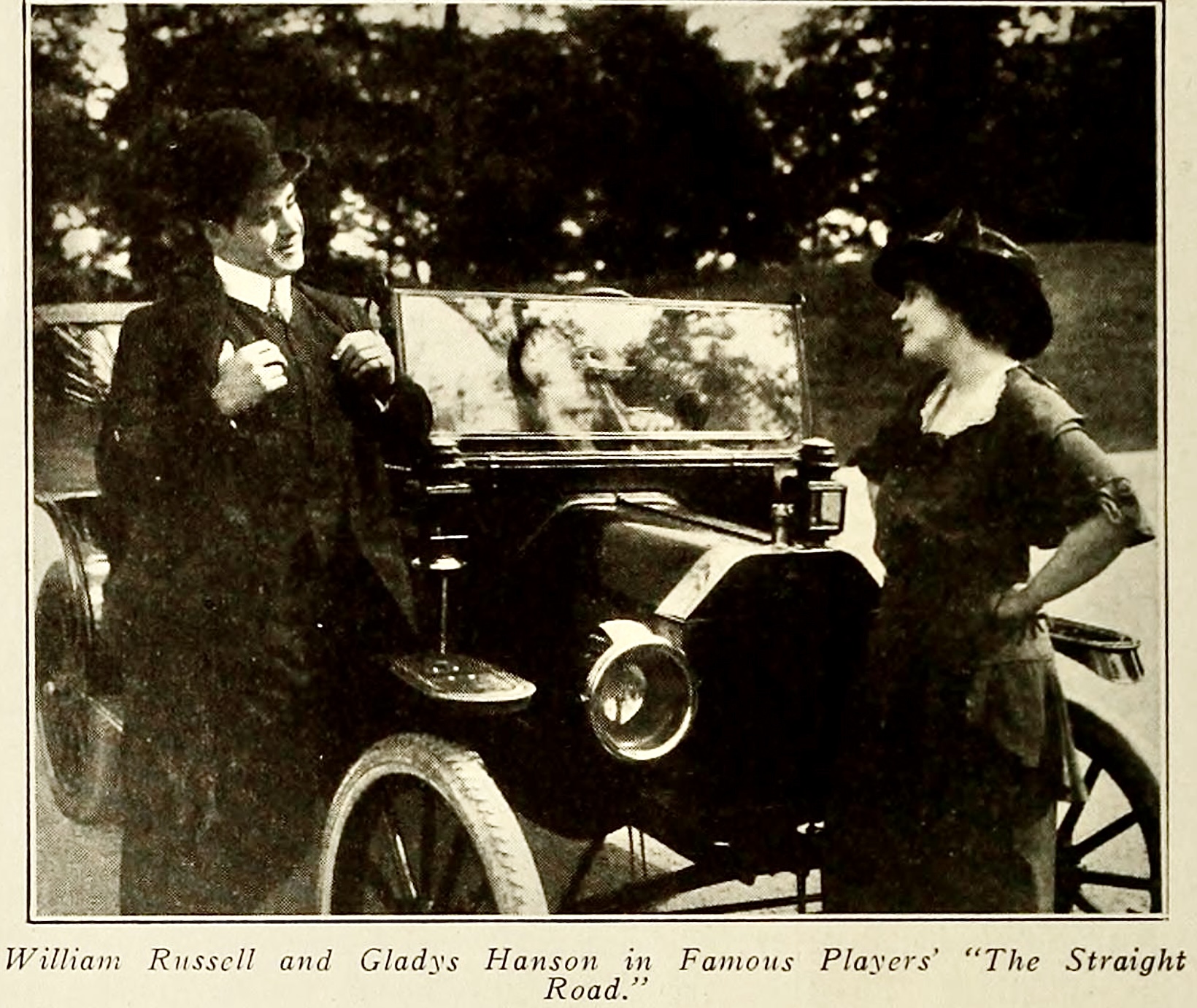
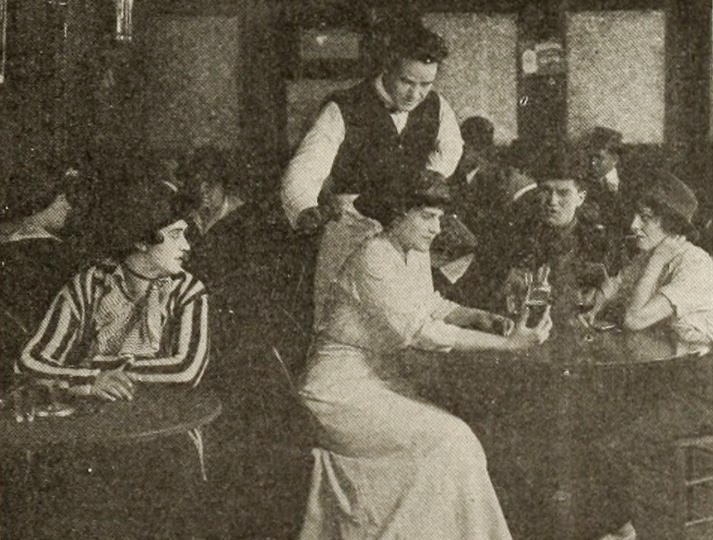
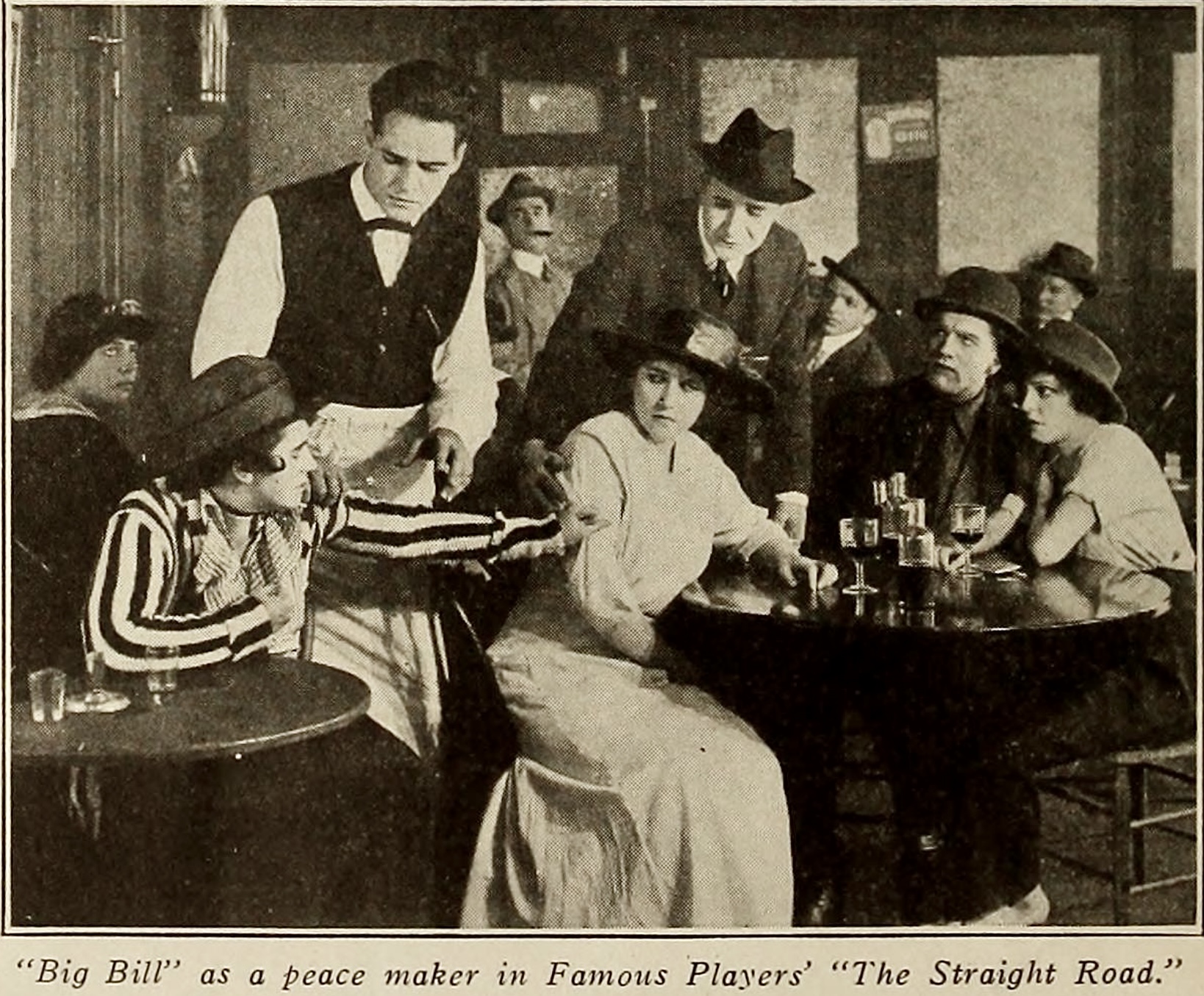
Moll's precarious existence is dramatically upended during a violent confrontation with Liz, a fellow denizen of Bill Hubbell's saloon. This brawl, far from being a mere act of aggression, serves as a pivotal moment, a catalyst that wrenches Moll from her familiar, if squalid, routine. Her subsequent arrest and public humiliation would, for many, signify a final descent. However, fate, often capricious, sometimes intervenes with a touch of grace. Enter Ruth Thompson, a wealthy, compassionate settlement worker, whose world is diametrically opposed to Moll's. Ruth, accompanied by her fiancé, Douglas Ames, witnesses the pitiful procession of arrestees. Her immediate instinct is not judgment but empathy, a rare commodity in Moll's life. Ruth's insistence that Moll and the others be brought into the settlement for investigation is more than an act of charity; it is an opening, a crack in the wall of Moll's hardened cynicism. Within the settlement's walls, the truth of the tavern altercation emerges, championed by the surprisingly fair-minded saloon-keeper, Bill Hubbell, portrayed with a compelling blend of ruggedness and decency by William Russell. Moll's release, orchestrated by Ruth's advocacy, is the first step on her arduous journey towards genuine redemption. But the true transformation begins with Ruth’s earnest plea for Moll to abandon drink, a plea powerfully amplified by the innocent, heartfelt urging of Mike Finnerty, a young crippled boy whose pure spirit touches Moll’s deeply buried tenderness. This moment, where the "callous indifference" of Moll's nature begins to vanish, is a masterclass in silent film acting, as Hanson conveys a profound internal shift with subtle yet potent emotional cues. It's a testament to the power of human connection and the unexpected sources of solace, much like the quiet, transformative narratives found in other early social dramas such as Sperduti nel buio, which similarly explores the plight of the marginalized.
With the support of Mrs. Finnerty, who welcomes her into her home, Moll embarks on a truly new life. The nascent tenderness awakened within her blossoms, fostering a sense of belonging and purpose previously unknown. Perhaps most surprisingly, Bill Hubbell, the very saloon-keeper from whose establishment Moll is now abstaining, becomes an unlikely ally, encouraging her newfound sobriety. This shared respect swiftly ripens into a romance, a beautiful, unexpected bloom in Moll's once desolate landscape. Their relationship, built on understanding and mutual admiration, offers a glimpse of genuine happiness and stability. However, happiness, particularly for those who have known such profound hardship, often proves to be a fragile commodity. Douglas Ames, Ruth's fiancé, emerges as the serpent in this burgeoning Eden. Despite his engagement and impending wedding to the benevolent Ruth, Ames harbors a predatory desire for Moll, seeing her not as a woman striving for betterment but as a conquest, a challenge to his entitled male gaze. Arthur Hoops imbues Ames with a chilling blend of charm and duplicity, making him a truly loathsome antagonist. His calculated villainy sets in motion a chain of events that threatens to unravel everything Moll has painstakingly built.
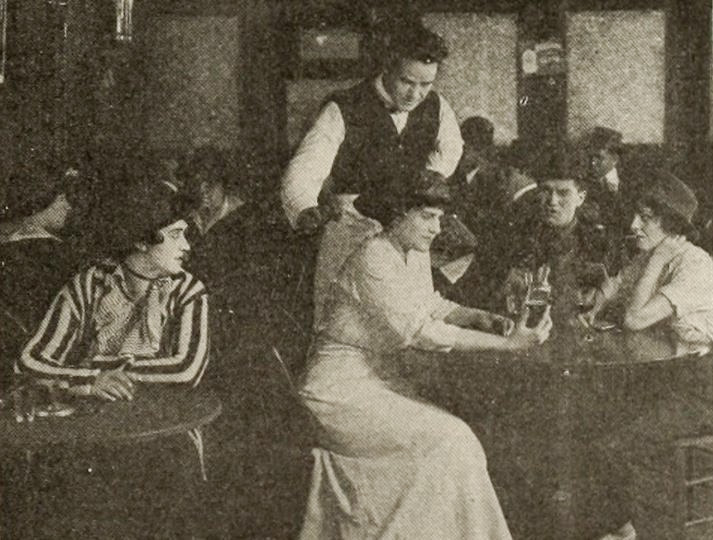
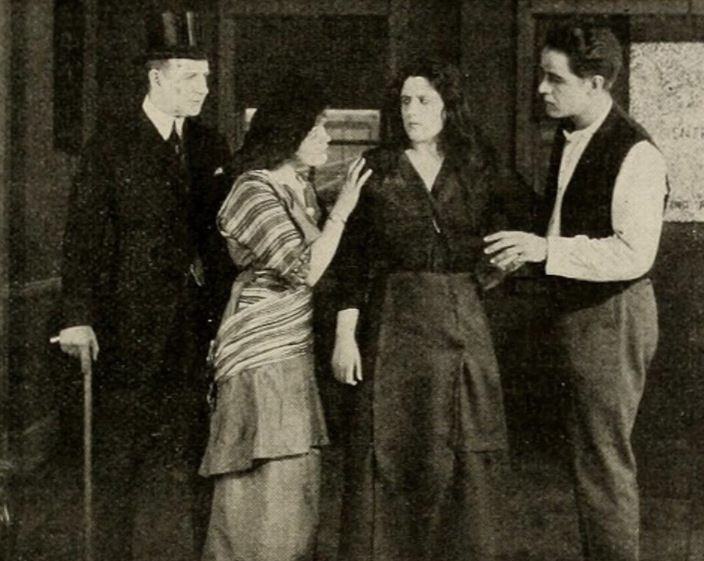
Ames's treachery is swift and insidious. One day, as Moll leaves Ruth, having just shared the joyous news of her engagement to Bill, Ames ambushes her, catching her in his arms. The timing is cruelly precise, as Ruth herself appears, witnessing the compromising embrace. With a chilling lack of conscience, Ames immediately shifts the blame onto Moll, feigning repulsion and accusing her of making advances. Ruth, blinded by her love for Ames and perhaps influenced by Moll's 'gutter' origins, readily believes him, a heartbreaking betrayal that underscores the societal prejudices Moll continually battles. Desperate to clear her name and expose Ames's vile character, Moll devises a daring, high-stakes trap. She agrees to meet Ames at her rooms at Finnerty's the following evening, intending for Ruth to discover him there and witness his true colors. This desperate gamble highlights Moll's newfound courage and her refusal to be a passive victim. However, the meticulously planned trap takes an unforeseen, tragic turn. Bill Hubbell, Moll's beloved, overhears the arrangement. His reaction is swift and devastating. When Ames arrives at Moll's rooms the next evening, it is Bill, not Ruth, who bursts in, discovering Ames in the act of embracing Moll. The scene, fraught with misunderstanding and misinterpretation, shatters Bill's trust. Moll's frantic attempts to explain the setup, to reveal Ames's villainy, are met with scornful laughter. The weight of suspicion, fueled by Ames's cunning and Bill's heartbreak, crushes her. When Ruth finally arrives, Bill, still reeling from what he believes to be Moll's infidelity, recounts his distorted version of events. Ames, the architect of this misery, slips away, leaving Moll utterly isolated. Both Ruth and Bill depart, their belief in Moll's guilt absolute, leaving her abandoned and utterly bereft. This intricate narrative of mistaken identity and betrayal finds echoes in the dramatic complexities of other early films like The County Chairman, which also explored the intricacies of small-town politics and personal reputation.
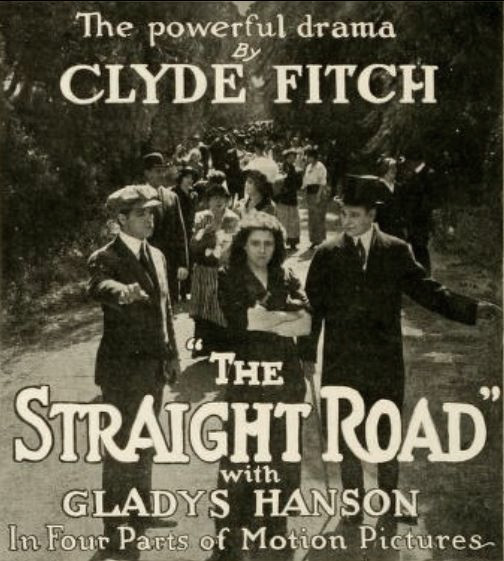
The betrayal is complete, the future bleak. Moll, her spirit shattered, succumbs to the crushing weight of despair. She seizes the very whiskey Ames had brought, ready to surrender to the familiar oblivion of the gutter, to return to the life she had fought so hard to escape. It is a moment of profound vulnerability, a testament to the immense psychological toll of her ordeal. Yet, in this darkest hour, a flicker of light pierces the encroaching gloom. Her despairing eyes fall upon the sweet, serene pictured face of the Madonna, a cherished gift from Ruth, a symbol of the compassion and hope she had briefly known. This image, a stark contrast to the whiskey in her hand, acts as a powerful intercession. In a moment of raw, desperate faith, Moll throws away the liquor, falling to her knees in fervent prayer for succor and vindication. This scene, devoid of dialogue, relies entirely on Gladys Hanson's emotive performance, capturing the raw agony of her soul and the sudden, desperate leap of faith. The power of this moment lies in its universal appeal: the human spirit, pushed to its absolute limit, reaching out for something beyond itself. It's a powerful statement on the enduring strength of belief, even in the face of overwhelming adversity. The dramatic tension built through these betrayals and the protagonist's subsequent despair is a hallmark of strong silent era storytelling, comparable to the emotional intensity found in films like Blodets röst, which also explored profound psychological states.
The Straight Road is far more than a simple melodrama; it is a rich tapestry woven with profound thematic threads pertinent to its era and beyond. At its heart lies the powerful theme of redemption, exploring whether an individual, especially one from the societal margins, can truly escape their past and achieve moral purity. Moll's journey is a microcosm of the broader social debates of the early 20th century concerning poverty, temperance, and the efficacy of social reform. The film starkly contrasts the worlds of the "gutter" and the "settlement," highlighting the rigid class structures and the prejudices faced by those attempting to ascend. Moll's struggle to maintain her sobriety and her reputation in the face of Ames's deceit underscores the precariousness of virtue when societal judgment is so readily applied based on one's origins. The narrative also delves into the complexities of female agency, as Moll, despite being a victim of circumstance and manipulation, actively fights for her truth and orchestrates her own vindication. This portrayal of a resilient woman, navigating a patriarchal world, offers a fascinating glimpse into evolving gender roles and expectations. The dramatic climax, where her prayer is answered and her innocence established, speaks to a prevalent moral framework of the time, where divine intervention often served as a narrative device to ensure justice, reinforcing societal values. This moral clarity, while perhaps seeming simplistic to modern audiences, was a powerful tool in conveying ethical lessons, a common thread in many silent films, including those with grander historical scope like Pyotr Velikiy or even the ambitious Salambo, a $100,000 Spectacle, which often carried underlying moral messages.
The narrative strength of The Straight Road owes much to its origins as a play by Clyde Fitch, a prolific and highly regarded American dramatist of the late 19th and early 20th centuries. Fitch was renowned for his realistic dialogue, keen observation of social manners, and his ability to craft compelling female characters. His plays often explored contemporary social issues with a blend of melodrama and psychological insight. Translating a stage play, with its reliance on spoken word and confined settings, to the nascent medium of silent film was no small feat. The filmmakers had to transform dialogue into expressive gestures and intertitles, and expand the confined world of the stage into visually dynamic cinematic spaces. The success of The Straight Road on screen is a testament to the enduring power of Fitch's original story and the skill of the early cinematic artists in adapting its core emotional truths for a new visual language. The film manages to retain the dramatic tension and moral earnestness of Fitch's work, proving that a well-constructed narrative can transcend its original medium. This era of adaptation from stage to screen was crucial for the development of film storytelling, much like the adaptations of Shakespeare in films such as Hamlet, which sought to bring established literary works to a broader audience through the new visual medium.
At the heart of any successful silent film are its performers, and The Straight Road is no exception. Gladys Hanson's portrayal of Moll O'Hara is nothing short of captivating. Her ability to convey a vast spectrum of emotions – from hardened cynicism to fragile hope, from desperate despair to resolute defiance – without uttering a single word is a masterclass in silent acting. She uses her entire body, her expressive eyes, and subtle facial shifts to communicate Moll's internal world, making her transformation utterly believable. William Russell, as Bill Hubbell, provides a strong, anchoring presence. He embodies the rugged decency of the saloon-keeper, making his eventual heartbreak all the more poignant. Arthur Hoops, as the villainous Douglas Ames, delivers a performance that perfectly captures the character's insidious charm and moral depravity, making him a truly effective antagonist. The direction, though uncredited in the provided details, deftly guides these performances, utilizing close-ups to emphasize emotional moments and wider shots to establish the stark contrast between Moll's various environments. The pacing is deliberate, allowing the emotional beats to land with maximum impact, a characteristic shared by many emotionally rich dramas of the period like Anna Held or Les amours de la reine Élisabeth, which relied heavily on the star power and emotive capabilities of their leading performers.
The aesthetic and technical choices in The Straight Road are indicative of the burgeoning artistry of early cinema. While perhaps lacking the grand scale of a "$100,000 Spectacle" like Salambo, a $100,000 Spectacle or the intricate serial thrills of Zigomar contre Nick Carter, the film excels in its use of visual storytelling to convey character and theme. The sets, though likely theatrical in their design, effectively differentiate between the squalid, smoke-filled saloon, the humble, comforting Finnerty home, and the more refined, but ultimately deceptive, world of Ruth and Ames. Costumes play a crucial role in defining character and social standing, from Moll's initial drab attire to her more modest but cleaner clothes after her transformation. The use of intertitles is particularly effective, not just in conveying dialogue or plot points, but also in offering glimpses into Moll's internal monologue or the moral pronouncements that guide the narrative. The climax, with the symbolic presence of the Madonna, is a powerful example of how visual motifs and religious iconography were employed to heighten emotional impact and provide a clear moral compass for the audience. This deliberate visual communication was a cornerstone of silent filmmaking, where every frame had to speak volumes. Such careful attention to visual narrative and character development through subtle cues can also be observed in films like Red Powder, which similarly relied on strong visual cues to tell its story.
In conclusion, The Straight Road stands as a compelling example of early American silent drama. It tackles complex social issues with a blend of earnestness and melodrama, offering a poignant exploration of an individual's battle against inherited vice, societal prejudice, and treacherous betrayal. Gladys Hanson's performance is a particular highlight, anchoring the film with her powerful, expressive portrayal of Moll O'Hara. The film's enduring message about redemption, the resilience of the human spirit, and the ultimate triumph of truth makes it a valuable watch for enthusiasts of classic cinema and anyone interested in the social and moral fabric of the early 20th century. It reminds us that even in silence, stories can speak volumes, touching the deepest parts of the human experience and offering a timeless narrative of hope found amidst despair.
IMDb 5.5
1932
Community
Log in to comment.