DbcultAccessing Vault...
Cult Review
Senior Film Conservator
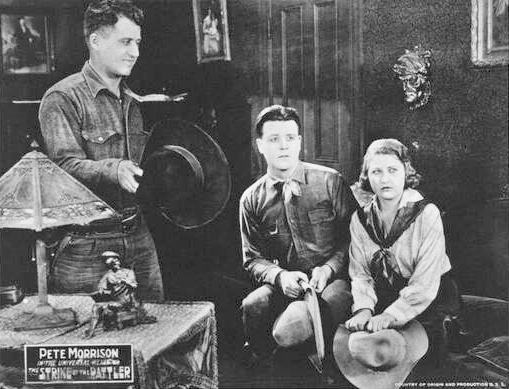
In the vast, untamed cinematic landscape of the early 20th century, where flickering images told tales of heroism and villainy with an eloquence that transcended spoken dialogue, 'The Strike of the Rattler' emerges as a compelling exemplar of the silent Western. It’s a film that, even a century removed from its initial release, speaks volumes about the enduring allure of frontier narratives and the magnetic presence of its star, Pete Morrison. This isn't merely a quaint relic of a bygone era; it's a vibrant tapestry woven with threads of courage, conflict, and the relentless pursuit of justice, all rendered with a raw authenticity that defined the genre's golden age.
Karl R. Coolidge, the film's writer, crafted a narrative that, while perhaps familiar in its archetypes, resonates deeply with the foundational myths of the American West. The story of Redemption Gulch, a town teetering on the precipice of lawlessness, its inhabitants terrorized by the aptly named 'Rattlers' gang, is a timeless struggle. This isn't just about cattle rustling or bank robberies; it's about the erosion of hope, the suppression of communal spirit, and the desperate yearning for a champion. The 'Rattlers,' under the serpentine leadership of Silas Blackwood, are more than just antagonists; they are a force of nature, a manifestation of the wild, untamed elements that threatened to swallow nascent civilization whole. Their 'strike' is not just a physical attack, but a psychological assault on the very fabric of the community.
At the heart of this cinematic endeavor is Pete Morrison, a name that, for aficionados of early Westerns, conjures images of rugged individualism and unwavering resolve. Morrison, as Jack 'The Trailblazer' Ryder, embodies the quintessential Western hero – stoic, capable, and morally unassailable. His performance in 'The Strike of the Rattler' is a masterclass in silent film acting; every subtle shift in his gaze, every deliberate movement of his body, conveys volumes of unspoken emotion and intent. He doesn't need dialogue to articulate his conviction or his burgeoning affection for Elara Vance; his presence alone is enough to anchor the audience's investment in his quest. This isn't the flamboyant heroism of later cowboy stars; it's a grounded, earnest portrayal that feels deeply authentic to the era it depicts.
Morrison's appeal lay in his authenticity. He wasn't just an actor playing a cowboy; he was a man who understood the saddle and the six-shooter, bringing a lived-in quality to his roles. This genuine connection to the Western lifestyle permeated his performances, lending gravitas to even the most melodramatic plot points. His portrayal of Ryder is a nuanced study of quiet strength, a man who observes, calculates, and then acts with decisive force. It’s a stark contrast to the often more theatrical performances seen in other silent films, placing him firmly in the lineage of Western realism that would influence generations of actors. One might draw a parallel to the understated heroism found in films like The Overland Express, where the protagonist's silent determination speaks louder than any dialogue.
The visual storytelling in 'The Strike of the Rattler' is remarkably effective, especially when considering the technological constraints of its time. The cinematography, though perhaps rudimentary by modern standards, captures the stark beauty and inherent danger of the Western landscape. Wide shots emphasize the isolation of Redemption Gulch and the vastness of the challenges faced by its inhabitants, while close-ups on Morrison's resolute face or the menacing visages of the Rattlers underscore the personal stakes. The pacing, a crucial element in silent films, is expertly handled, building tension gradually through scenes of escalating intimidation and then erupting into exhilarating action sequences that are both dynamic and comprehensible. The use of intertitles is judicious, providing just enough narrative context without bogging down the visual flow, allowing the actors' expressions and actions to carry the bulk of the story.
The director, though uncredited in the prompt, clearly understood the grammar of the Western. There's a deliberate rhythm to the film, mirroring the slow, deliberate movements of frontier life punctuated by sudden bursts of violence. The climactic showdown, for instance, is not a chaotic melee but a carefully orchestrated sequence of events, highlighting Ryder’s tactical prowess and the Rattlers’ desperate, yet ultimately futile, resistance. This careful construction of action sequences is a hallmark of well-executed silent Westerns, ensuring that even without synchronized sound, the audience remains fully immersed in the unfolding drama. It’s a testament to the power of visual communication, a craft that often feels lost in the cacophony of modern cinema.
Beyond the thrilling gunfights and daring rescues, 'The Strike of the Rattler' delves into profound thematic territory. It explores the fragile balance between individual freedom and the necessity of communal law. Ryder's initial reluctance to fully engage with Redemption Gulch's plight speaks to the loner archetype prevalent in Westerns, a figure who often stands apart but ultimately intervenes when injustice becomes unbearable. His decision to rally the townsfolk, rather than simply dispatching the villains himself, elevates the narrative beyond simple vigilantism. It becomes a story about a community finding its collective voice and reclaiming its destiny, guided by a principled hero. This theme of communal awakening, led by a strong individual, is a recurring motif in the genre, seen in various forms across countless Westerns.
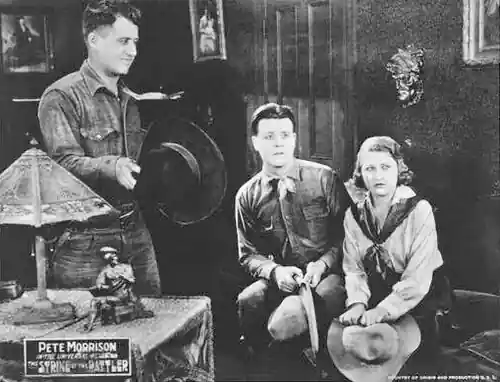
The film also subtly touches upon the burgeoning romance between Ryder and Elara Vance. It’s a relationship built not on grand declarations, but on shared peril, mutual respect, and an unspoken understanding of each other's strength. Elara is not a passive damsel in distress; she possesses an inner fortitude that makes her a worthy partner for Ryder, symbolizing the resilience of women on the frontier. Her courage in the face of Blackwood’s threats provides a moral compass for the narrative, reinforcing the idea that the fight for justice is not solely a man’s domain. This portrayal of a strong female character, even within the confines of early cinema, is a noteworthy aspect, differentiating it from films where female roles were often more ornamental, such as some elements in Hoodoo Ann, though that film focuses on comedic elements rather than dramatic ones.
Karl R. Coolidge's screenplay for 'The Strike of the Rattler' is a testament to the power of concise yet impactful storytelling. In an era where every narrative beat had to be conveyed visually or through sparse intertitles, Coolidge crafted a plot that is both straightforward and emotionally resonant. He understood the archetypes and tropes that audiences expected from a Western, but he imbued them with enough specificity to make Redemption Gulch and its inhabitants feel real. The character development, particularly for Ryder, is achieved through action and reaction, a masterclass in 'show, don't tell.' The progression from a town besieged by fear to one empowered by collective action is skillfully plotted, ensuring that the audience experiences the journey alongside the characters.
Coolidge’s ability to create tension and resolution within the silent film format is particularly admirable. The 'strike' itself is multifaceted – a series of coordinated attacks that demonstrate the Rattlers’ ruthlessness and the town’s vulnerability. The counter-strike, orchestrated by Ryder, is equally well-conceived, showcasing his strategic mind as much as his physical prowess. This structural integrity is what elevates 'The Strike of the Rattler' from a simple shoot-em-up to a thoughtfully constructed piece of genre cinema. It’s a reminder that strong writing, even without spoken dialogue, is the bedrock of any compelling film. Compare this careful construction to the often more whimsical or purely comedic narratives of films like The Donkey Did It, and the distinction in narrative intent becomes clear.
'The Strike of the Rattler,' like many silent Westerns of its ilk, holds a significant place in film history. It represents a period when the genre was defining its visual language, establishing conventions that would influence decades of filmmaking. These films were the bedrock upon which the entire mythology of the American cowboy was built, shaping public perception of frontier life and heroism. For contemporary audiences, revisiting such a film offers a fascinating glimpse into the origins of cinematic storytelling, a chance to appreciate the artistry of a medium that relied solely on visual spectacle and emotive performance.
The enduring appeal of 'The Strike of the Rattler' lies not just in its historical significance, but in its timeless narrative. The struggle between good and evil, the triumph of courage over fear, and the establishment of order in chaos are universal themes that resonate across generations. Pete Morrison’s portrayal of Jack Ryder remains iconic, a testament to his understated charisma and skill. While the production values might seem modest compared to today’s blockbusters, the emotional impact and narrative clarity are undeniable. It's a film that reminds us that true cinematic power doesn't always require elaborate special effects or booming soundtracks; sometimes, a compelling story, a charismatic lead, and a clear vision are more than enough. In this regard, it shares a certain purity of purpose with other early genre definers like The Vigilantes, both focusing on the raw essence of frontier justice.
Moreover, the film serves as a crucial historical document, preserving a snapshot of early American entertainment and the cultural values it reflected. The depiction of community, the role of the individual hero, and the inherent dangers of the untamed West all contribute to a richer understanding of the era. It’s a piece of living history, a window into a time when cinema was still finding its voice, yet already capable of telling powerful stories. The raw, unfiltered energy of these early productions, free from the often overwhelming sophistication of modern techniques, offers a unique viewing experience that can be both nostalgic and surprisingly fresh.
'The Strike of the Rattler' is more than just a silent Western; it's a foundational text of the genre, a film that encapsulates the spirit of its time while offering a narrative that remains compelling. Pete Morrison's performance is a cornerstone, his understated heroism providing a powerful anchor for the unfolding drama. Karl R. Coolidge's script, though simple in premise, is effective in its execution, building a world where danger is palpable and redemption hard-won. For enthusiasts of classic cinema, or anyone seeking to understand the roots of the Western genre, this film is an essential viewing experience. It's a reminder of the potent storytelling that can be achieved with minimal resources but maximum heart, a true testament to the timeless allure of the frontier and the enduring power of a hero's definitive strike against injustice.
The film's final act, where Ryder’s determined counter-assault brings about the ultimate downfall of the Rattlers, is particularly satisfying. It's a cathartic release of tension, a moment where the scales of justice are finally balanced. The restoration of peace to Redemption Gulch feels earned, not merely given, and the quiet understanding between Ryder and Elara hints at a future built on shared resilience. This sense of earned resolution is a hallmark of the best Westerns, leaving the audience with a feeling of hope and the belief that even in the harshest of environments, order can ultimately prevail. It’s a powerful message, delivered with the elegant simplicity that only silent cinema could truly master, proving that some stories, like the land they depict, are eternal.
IMDb —
1915
Community
Log in to comment.