DbcultAccessing Vault...
Cult Review
Senior Film Conservator
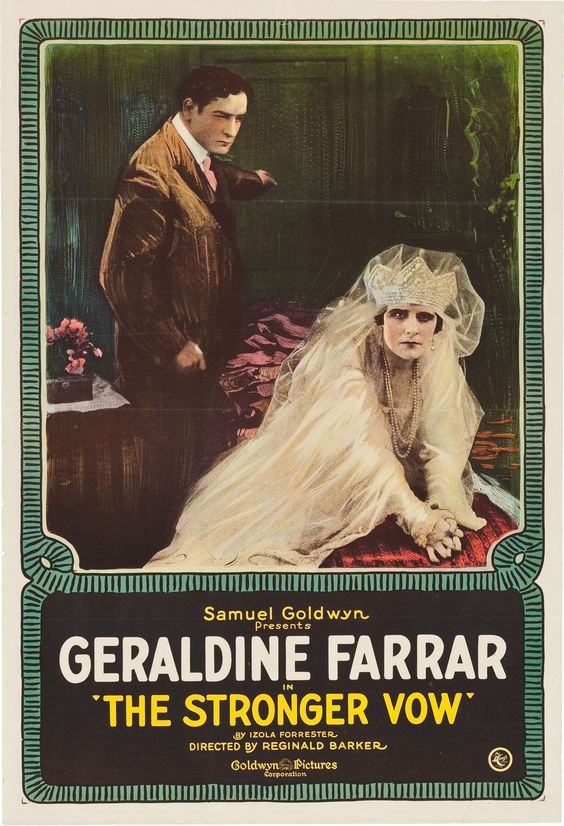
Ah, the silent era! A time when storytelling transcended spoken dialogue, relying instead on the raw power of visual artistry, emotive performances, and the evocative strains of a live orchestra. And few films from that period encapsulate the sheer, unadulterated drama quite like 'The Stronger Vow.' This isn't just a movie; it's a profound exploration of human morality, a crucible where love, duty, and the primal urge for vengeance clash with devastating force. Directed by an uncredited hand, but brought to vivid life by the magnetic presence of Geraldine Farrar, it's a testament to the enduring power of silent cinema to probe the deepest recesses of the human heart.
The narrative, penned by the talented Izola Forrester, plunges us into a world where personal honor and family loyalty hold immense sway. Our protagonist, a woman of Spain, is trapped in a vortex of conflicting allegiances. Her marriage vow, a sacred promise made before God and community, binds her to her husband. Yet, an even deeper, perhaps more ancient, vow compels her: the vow to avenge her slain brother. This isn't a mere promise; it's a blood oath, a spiritual burden that weighs heavier than any other. The film’s genius lies in its relentless tightening of the screws, revealing that the suspected perpetrator of this heinous crime is none other than her own husband. Can you imagine the psychological torment? The sheer, soul-crushing impossibility of such a situation? It’s a premise that instantly grabs you by the throat and refuses to let go, a narrative tightrope walk that few films, then or now, dare to attempt with such audacity.
At the heart of 'The Stronger Vow' lies Geraldine Farrar, an actress whose star power during the silent era was nothing short of incandescent. A celebrated opera singer who transitioned to the silver screen, Farrar brought a unique blend of theatrical grandeur and nuanced emotional expression to her roles. Her performances were often characterized by an intense physicality, a dramatic flair that perfectly suited the larger-than-life narratives of the time. In this film, she isn't just playing a character; she embodies the excruciating dilemma. Her eyes, often magnified by close-ups, convey volumes of unspoken anguish, rage, and profound sadness. You can practically feel the internal struggle radiating from the screen, the conflict between her love for her husband and her unyielding commitment to justice for her brother. This is the kind of performance that transcends the limitations of its medium, a masterclass in silent screen acting that demands to be seen.
Farrar's ability to convey complex emotions without uttering a single word is truly remarkable. Her gestures, her posture, the subtle shifts in her facial expressions – every element contributes to a portrait of a woman on the brink. One might draw parallels to her intense portrayal in The Garden of Allah, another film where she navigates a treacherous emotional landscape, though in a more exotic, romantic vein. Here, the stakes feel even more personal, more immediate, more viscerally agonizing. Her performance elevates 'The Stronger Vow' from a mere melodrama to a profound psychological study, a testament to her unparalleled artistry and screen presence.
The visual language of 'The Stronger Vow' is, like many films of its period, a fascinating study in cinematic grammar. While specific directorial credits are often blurred or unrecorded for films of this vintage, the cumulative effect of the cinematography, set design, and editing creates a distinct atmosphere. The Spanish setting, with its inherent passion and dramatic beauty, provides a rich backdrop for the unfolding tragedy. One can imagine sun-drenched courtyards, shadowed interiors, and the stark contrast between vibrant life and the lurking specter of death. The use of light and shadow, a cornerstone of silent film aesthetics, would have been crucial in emphasizing the protagonist's internal turmoil. A flickering candle might symbolize her wavering resolve, while oppressive shadows could represent the suffocating weight of her vows.
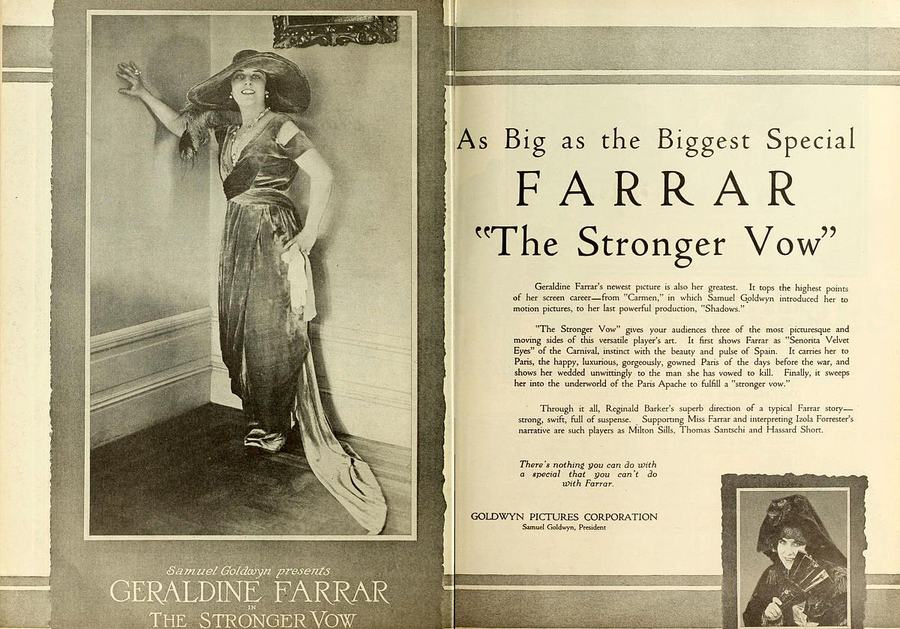
The film’s power also lies in its reliance on symbolism. The two vows themselves are potent symbols – one representing societal order and personal happiness, the other embodying ancient justice and blood loyalty. The struggle to reconcile these two forces is not just a personal one for the protagonist, but a reflection of broader human dilemmas. The very act of making a vow, and the subsequent burden of upholding it, is a theme that resonates across cultures and centuries. It’s a reminder that silent films, far from being simplistic, often tackled complex philosophical questions with a directness and emotional honesty that modern cinema sometimes shies away from. The narrative's focus on a woman's agency within such a restrictive framework also speaks volumes, making her struggle all the more compelling.
The theme of vengeance is, of course, a cornerstone of countless narratives throughout human history, from ancient Greek tragedies to Shakespearean dramas, and even to contemporary thrillers. What sets 'The Stronger Vow' apart is the intimate, suffocating proximity of the avenger to the avenged. It's not an external enemy, but the very person with whom she has built a life. This internal conflict elevates the film beyond a simple revenge tale into a profound exploration of ethics and personal sacrifice. We see similar themes, albeit with different cultural nuances, in films like Vendetta (1914), where the pursuit of retribution drives the entire plot. However, 'The Stronger Vow' adds an unbearable layer of personal betrayal and marital duty, creating a much more intricate moral maze.
Izola Forrester's screenplay, while rooted in the dramatic conventions of its time, manages to imbue the story with a timeless quality. The crisis of conscience faced by the protagonist is one that any human being can understand, regardless of their era or cultural background. It’s the unbearable choice between two seemingly irreconcilable goods, or perhaps, two equally terrible evils. The film asks us to consider: which vow is truly stronger? Is it the one made in love, or the one forged in grief and a demand for justice? The ambiguity of the title itself hints at the profound difficulty of this question, leaving the audience to ponder the answer long after the final fade-out.
Released during a burgeoning period for cinema, 'The Stronger Vow' stands as a fascinating artifact of its time, yet its themes remain strikingly relevant. The early 20th century was a period of immense social change, and cinema, still in its infancy, was rapidly evolving as an art form and a powerful medium for exploring human experience. Films like this one, with their focus on strong female protagonists grappling with profound moral dilemmas, offered audiences not just entertainment, but also a reflection of their own struggles and aspirations. While the overt dramatic style might seem quaint to modern eyes, the underlying emotional truth is undeniable.
Consider the constraints of the era: no synchronized sound, limited special effects, and a reliance on intertitles to convey dialogue and exposition. Yet, within these limitations, filmmakers and performers achieved astonishing feats of emotional communication. 'The Stronger Vow' is a prime example of this ingenuity. It demonstrates how a compelling story, coupled with powerful acting and evocative visuals, can transcend technological barriers to create a truly immersive and impactful experience. It reminds us that the essence of good storytelling lies not in flashy effects or intricate dialogue, but in the universal truths it reveals about the human condition.
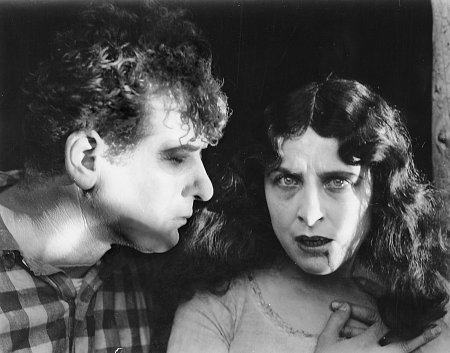
While Geraldine Farrar undoubtedly carries the lion's share of the emotional weight, the supporting cast plays a crucial role in grounding the narrative. Milton Sills, as the husband, faces the unenviable task of portraying a character who is both a beloved spouse and a suspected murderer. His performance, often subtle in contrast to Farrar's operatic intensity, must convey a complexity that keeps the audience guessing, or at least understanding the protagonist's impossible position. Kate Lester, Hassard Short, John Davidson, and Tom Santschi, though perhaps in less prominent roles, would have contributed to the film's atmosphere and the portrayal of the Spanish community, adding layers of authenticity and dramatic tension. Their collective efforts create the world in which Farrar's character must navigate her agonizing journey. The ensemble, though silent, speaks volumes through their expressions and interactions, building a believable world of passion, honor, and impending tragedy.
The interplay between these characters, even without spoken words, is vital. The silent film actor had to master the art of conveying relationships, suspicions, and allegiances through gesture and gaze. One can imagine tense family gatherings, whispered accusations, and moments of profound silence that speak louder than any dialogue. The film's success hinges not just on Farrar's individual brilliance but on the collective ability of the cast to create a believable and emotionally resonant tapestry of human interaction, making the central dilemma all the more poignant and impactful.
The pacing in silent films often differs significantly from modern cinema, yet 'The Stronger Vow' would have leveraged its narrative structure to build relentless dramatic tension. The initial exposition, establishing the protagonist's marriage and her brother's murder, would quickly give way to the horrifying realization of her husband's potential culpability. From that point onward, the film would likely operate on a heightened sense of suspense, each scene tightening the emotional knot. The use of intertitles would have been carefully managed, providing just enough information to propel the plot forward without interrupting the visual flow or sacrificing the emotional impact. The silent era’s mastery of cross-cutting and parallel editing could have been used to great effect, perhaps showing the protagonist’s internal anguish juxtaposed with her husband’s unawareness, or perhaps his own hidden burdens.
Unlike some lighter fare of the era, such as Skinner's Dress Suit or Two-Gun Betty, which offered more straightforward entertainment, 'The Stronger Vow' delves into darker, more complex psychological territory. It demands a different kind of engagement from its audience, inviting them to participate actively in the protagonist's moral struggle. The film's ability to sustain this high level of emotional intensity without the aid of spoken dialogue is a testament to its craftsmanship and the power of its central conceit. It’s a slow burn that builds to an inevitable, agonizing climax, leaving the audience breathless.
'The Stronger Vow' is more than just a historical curiosity; it's a powerful and thought-provoking piece of cinema that continues to resonate today. Its exploration of conflicting loyalties, the burden of vengeance, and the impossible choices faced by individuals caught in extraordinary circumstances remains as compelling as ever. Geraldine Farrar's performance alone makes it a must-see, a masterclass in silent screen acting that transcends time and technology. Izola Forrester’s narrative is a sharp, incisive look at the human heart, capable of both profound love and consuming rage. This film reminds us that the most potent stories are often those that force us to confront the uncomfortable truths about ourselves and the difficult decisions that define our humanity.
In an era saturated with noise and spectacle, returning to the profound silence and visual eloquence of a film like 'The Stronger Vow' offers a unique and enriching experience. It forces us to slow down, to observe, to feel, and to truly engage with the emotional core of the narrative. It's a powerful reminder that sometimes, the most resonant voices are those that remain unspoken, echoing in the depths of a conflicted soul. The film leaves an indelible mark, prompting introspection on the nature of promises, the pursuit of justice, and the enduring strength required to navigate life's most challenging moral labyrinths. It is a cinematic experience that, despite its age, feels intensely personal and universally relatable, a true gem from the golden age of silent cinema.
If you appreciate films that delve deep into character psychology and present an unvarnished look at the human condition, 'The Stronger Vow' is an essential watch. It’s a powerful counterpoint to lighter silent fare such as Sudden Jim or Playing the Game, demonstrating the vast spectrum of storytelling possible even without spoken dialogue. It showcases the dramatic prowess of its star and the enduring appeal of a narrative that puts its protagonist through the ultimate emotional gauntlet. This film is a testament to how silent cinema, at its peak, could achieve a profound and lasting impact, proving that the language of emotion is truly universal, transcending the need for words.
IMDb —
1919
Community
Log in to comment.