DbcultAccessing Vault...
7.5/10
Senior Film Conservator
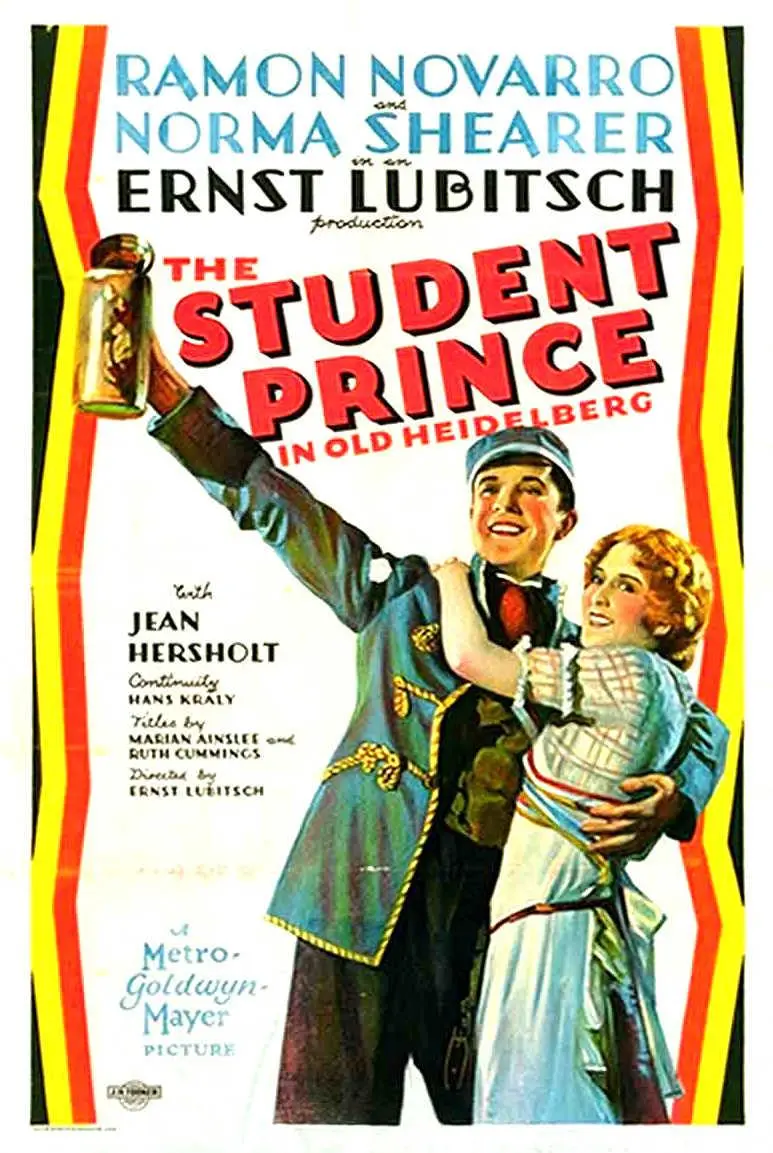
A definitive 7.5/10 rating for a film that redefined the boundaries of cult cinema. The Student Prince in Old Heidelberg remains a cornerstone of transgressive art.
Is The Student Prince in Old Heidelberg worth watching today? Short answer: yes, but with a significant caveat. This silent era gem, a 'Viennese fairy tale' brought to life by Ernst Lubitsch, offers a poignant glimpse into the conflict between love and duty, yet its deliberate pacing and period sensibilities might not resonate with every contemporary viewer. It is a film best suited for cinephiles, romantics, and those with an appreciation for the subtle artistry of silent cinema, particularly those drawn to stories of tragic romance and social commentary. If you crave fast-paced narratives or modern dialogue, this may prove a challenging watch.
Let’s be direct. This film works because it crafts a remarkably tender and believable romance against a backdrop of rigid class structures. It fails because its ultimate resolution, while historically accurate to its source material, feels less like a narrative conclusion and more like an emotional amputation for a modern audience. You should watch it if you are prepared for a beautiful, melancholic journey into a bygone era, valuing emotional depth over plot twists.
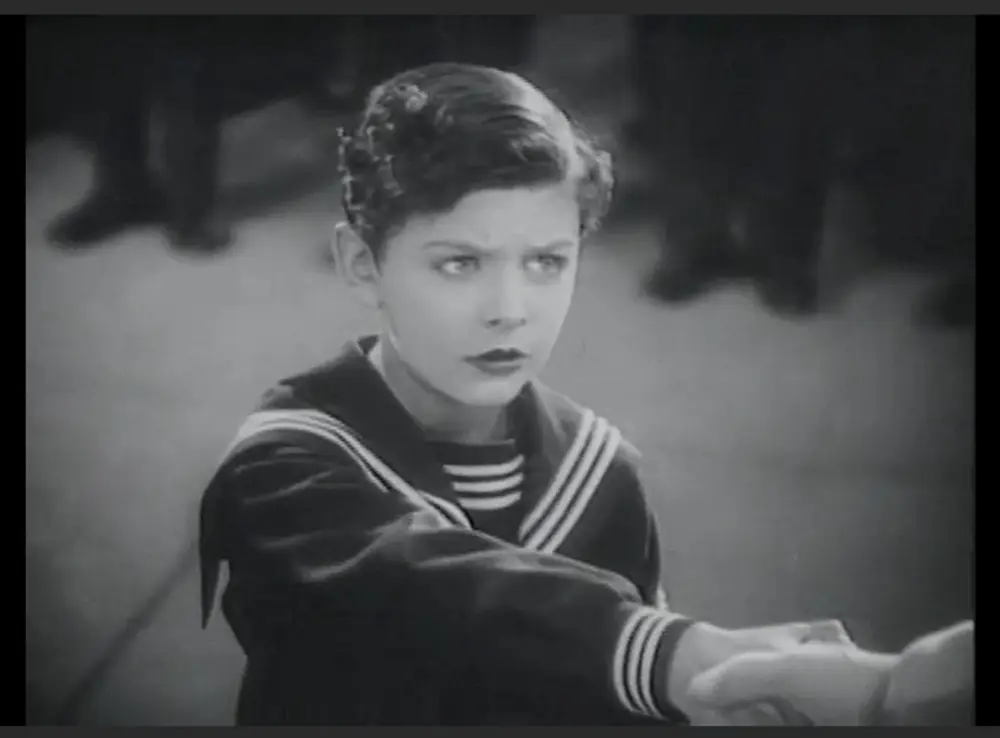
At its heart, The Student Prince in Old Heidelberg is a lament for lost innocence and the cruelties of destiny. The narrative centers on Karl Heinrich (Ramon Novarro), a young Austrian prince whose life is dictated by an unseen, unyielding force: the crown. From childhood, depicted through the charming performance of Philippe De Lacy as young Karl, his world is one of tutors, protocol, and isolation, rather than genuine human connection. His only true companion is his elderly tutor, Dr. Jüttner (Jean Hersholt), who acts as a surrogate father and a window to the outside world.
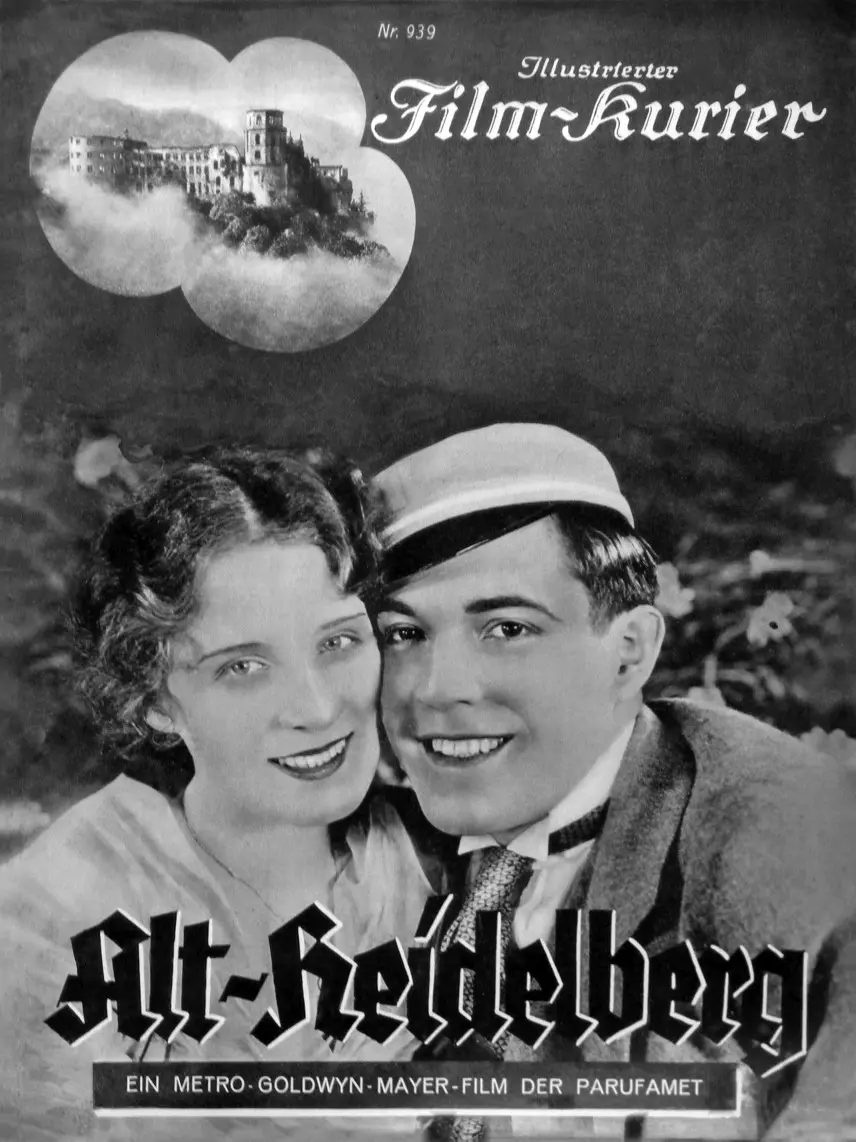
The film truly takes flight when Karl Heinrich is sent to the University of Heidelberg. This is his brief, glorious escape from the golden cage. Here, amidst the bustling student life and the convivial atmosphere of a local tavern, he encounters Kathi (Norma Shearer), a spirited barmaid. Their initial interactions are a masterclass in silent film romance – glances, shared smiles, and the unspoken language of burgeoning affection. Lubitsch, known for his sophisticated touch, allows their relationship to blossom organically, making their connection feel deeply authentic despite their vastly different social standings.
The themes explored are timeless: the conflict between personal happiness and societal obligation, the innocence of first love, and the harsh realities of class distinction. Karl Heinrich’s transformation from a sheltered, somewhat naive prince to a man experiencing genuine emotion is the film’s central arc. Kathi, with her grounded nature and vibrant spirit, represents everything his royal life denies him. Their romance is not just a love story; it is a profound commentary on the human cost of monarchy and tradition.
In a silent film, the power of performance rests entirely on the actors' ability to convey emotion through gesture, expression, and physicality. Ramon Novarro, as Karl Heinrich, delivers a performance of remarkable depth and sensitivity. His early scenes portray a boy burdened by his title, his eyes often reflecting a deep loneliness. When he arrives in Heidelberg, Novarro’s entire demeanor shifts. His smile becomes genuine, his movements lighter, and his eyes sparkle with a newfound joy. The scene where he first truly laughs with Kathi, uninhibited by his royal status, is particularly memorable and perfectly captures his liberation.
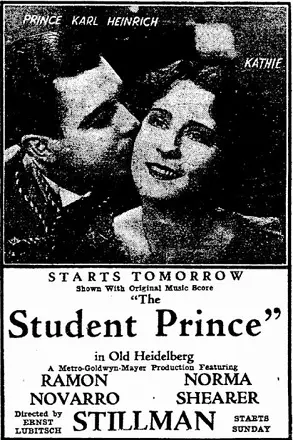
Novarro’s portrayal of heartbreak is equally compelling. The final act, where duty reclaims him, sees him return to the stoic, melancholic figure of the opening, but now with the added weight of profound loss etched onto his face. It’s a subtle, internal performance that avoids melodrama, making his pain all the more palpable. One could argue his performance here rivals his more famous turn in Ben-Hur: A Tale of the Christ, showcasing a different facet of his acting prowess.
Norma Shearer, as Kathi, is simply radiant. She embodies the 'down-to-earth barmaid' with an infectious warmth and vitality. Shearer brings a naturalism to the role that grounds the fairy tale aspect of the story. Her expressions are open and honest, conveying everything from playful teasing to devastating sorrow. The chemistry between Novarro and Shearer is undeniable, a critical factor in the film’s success. Their scenes together, whether sharing a drink or a quiet moment by the river, feel intimate and real.
The supporting cast also shines. Jean Hersholt as Dr. Jüttner provides the much-needed warmth and paternal guidance for Karl Heinrich, his gentle expressions conveying a deep affection and concern for his charge. Gustav von Seyffertitz as the stern but loyal prime minister adds a formidable presence, embodying the unyielding forces of the monarchy. Their collective efforts create a rich tapestry of characters that support the central romance.
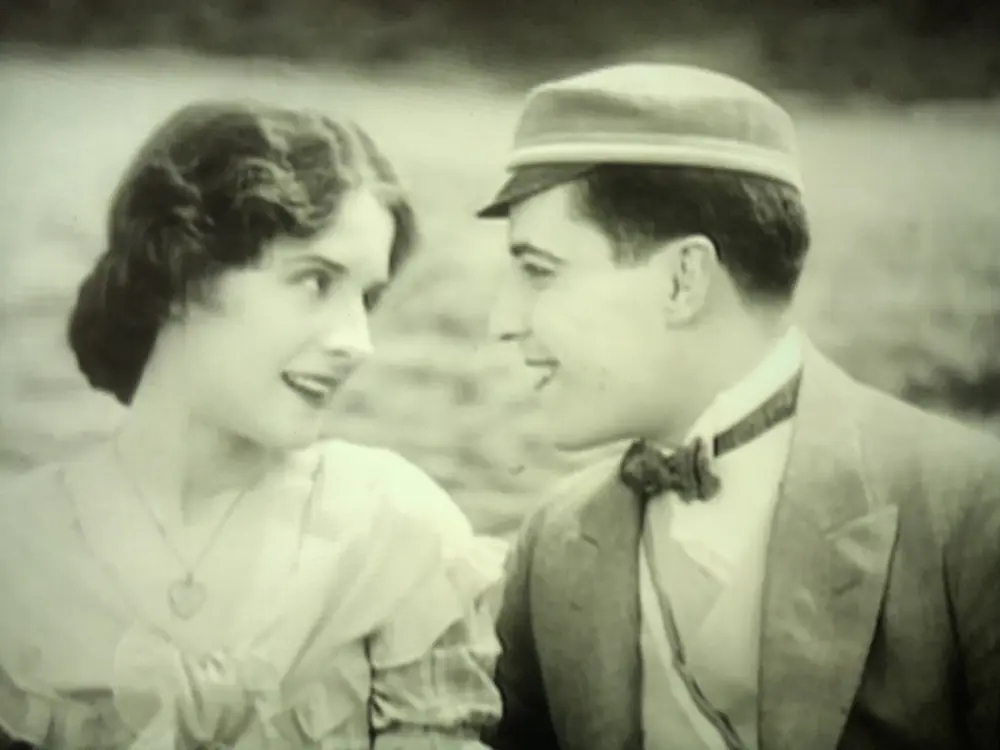
Ernst Lubitsch, often lauded for his sophisticated comedies, demonstrates his versatility here, infusing this dramatic romance with his signature 'Lubitsch Touch' – a blend of elegance, wit, and understated emotional depth. While not a comedy, the film possesses a lightness in its early Heidelberg scenes, a charming realism that makes the eventual tragedy all the more impactful. Lubitsch avoids overt sentimentality, preferring to let the emotions simmer beneath the surface, allowing the audience to feel the characters' joy and sorrow rather than having it overtly dictated to them.
The cinematography by William H. Daniels is exquisite, creating a visual contrast between the oppressive grandeur of the palace and the vibrant, sun-drenched streets of Heidelberg. The palace interiors are often stark and formal, emphasizing Karl Heinrich's isolation. In Heidelberg, however, the camera embraces the natural beauty of the town, with sweeping shots of the river and intimate close-ups during the romantic scenes. The use of natural light in many of the outdoor sequences with Karl and Kathi adds to the sense of freedom and authenticity they share.
One particularly effective directorial choice is the way Lubitsch uses space to reflect emotional states. The wide, empty halls of the palace contrast sharply with the cozy, bustling tavern where Karl and Kathi fall in love. Even the framing of shots emphasizes this; Karl Heinrich is often framed alone or dwarfed by his surroundings in the palace, while with Kathi, they are often in intimate two-shots, creating a sense of shared world. This visual storytelling is powerful and timeless.
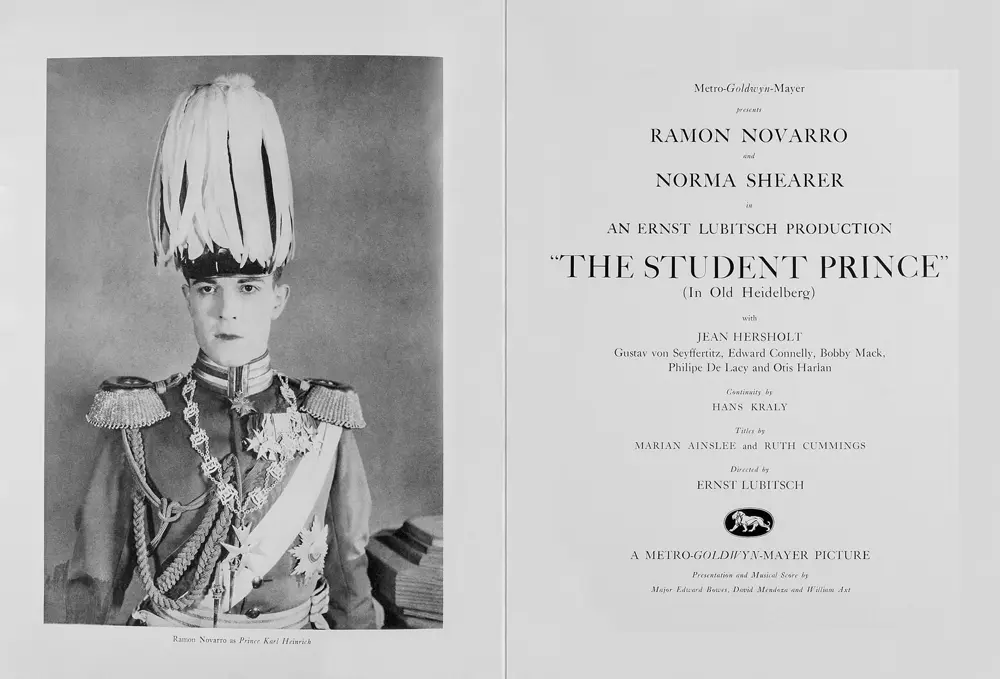
The pacing of The Student Prince in Old Heidelberg is deliberate, characteristic of many silent films, but it serves the story well. The initial scenes establishing Karl Heinrich's sheltered life might feel slow to some, yet they are crucial for understanding the profound impact of his Heidelberg experience. This measured approach allows the audience to fully immerse themselves in the burgeoning romance, building a strong emotional investment before the inevitable turn of events.
The tone shifts subtly but powerfully throughout the film. It begins with a sense of quiet melancholy, transitions to joyous liberation and romantic bliss in Heidelberg, and then descends into a heartbreaking resignation. Lubitsch masterfully handles these shifts, ensuring that the emotional beats feel earned. The film never feels rushed, allowing the weight of the prince's destiny to slowly, inexorably close in.
However, this deliberate pacing is also where some modern viewers might struggle. The absence of spoken dialogue means that emotional cues are entirely visual, requiring a different kind of engagement. While this can be incredibly rewarding, it demands patience that isn't always present in today's fast-consumption media landscape. Some might find the melancholic undercurrent too pervasive, even in the film's happier moments, hinting at the tragedy to come.
"The Student Prince in Old Heidelberg isn't just a romance; it's a profound meditation on the sacrifices demanded by station. Its quiet power lies in what is left unsaid, in the lingering glances and the unspoken farewells."
Absolutely, for the right audience. The Student Prince in Old Heidelberg stands as a testament to the enduring power of silent cinema. It offers a deeply moving story of love lost to duty, brought to life by compelling performances and masterful direction. While its pacing is of its era, its emotional core remains universal. It works. But it's flawed.
This film is a must-see for anyone interested in the evolution of cinematic storytelling, the art of silent acting, or the unique vision of Ernst Lubitsch. It’s a beautiful, if heartbreaking, experience that leaves a lasting impression. It's a journey into a specific period of filmmaking, but the human emotions at its core transcend time.
The Student Prince in Old Heidelberg is more than just a historical curiosity; it’s a beautifully crafted, emotionally resonant film that demands to be seen by anyone serious about cinema. While its silent-era pacing and melancholic conclusion might not appeal to everyone, its strengths — particularly the compelling performances of Ramon Novarro and Norma Shearer, and Ernst Lubitsch's sensitive direction — far outweigh its minor drawbacks. This is a film that lingers in the mind long after the final frame, a poignant reminder of love’s fragility in the face of unyielding duty. It’s a classic for a reason, and while it asks for your patience, it rewards it tenfold with genuine pathos and timeless beauty. It's a film that earns its place in the pantheon of great romances, even if it breaks your heart a little along the way. Highly recommended for those willing to embrace its unique charm and profound sadness.
IMDb —
1923
Community
Log in to comment.