DbcultAccessing Vault...
6/10
Senior Film Conservator
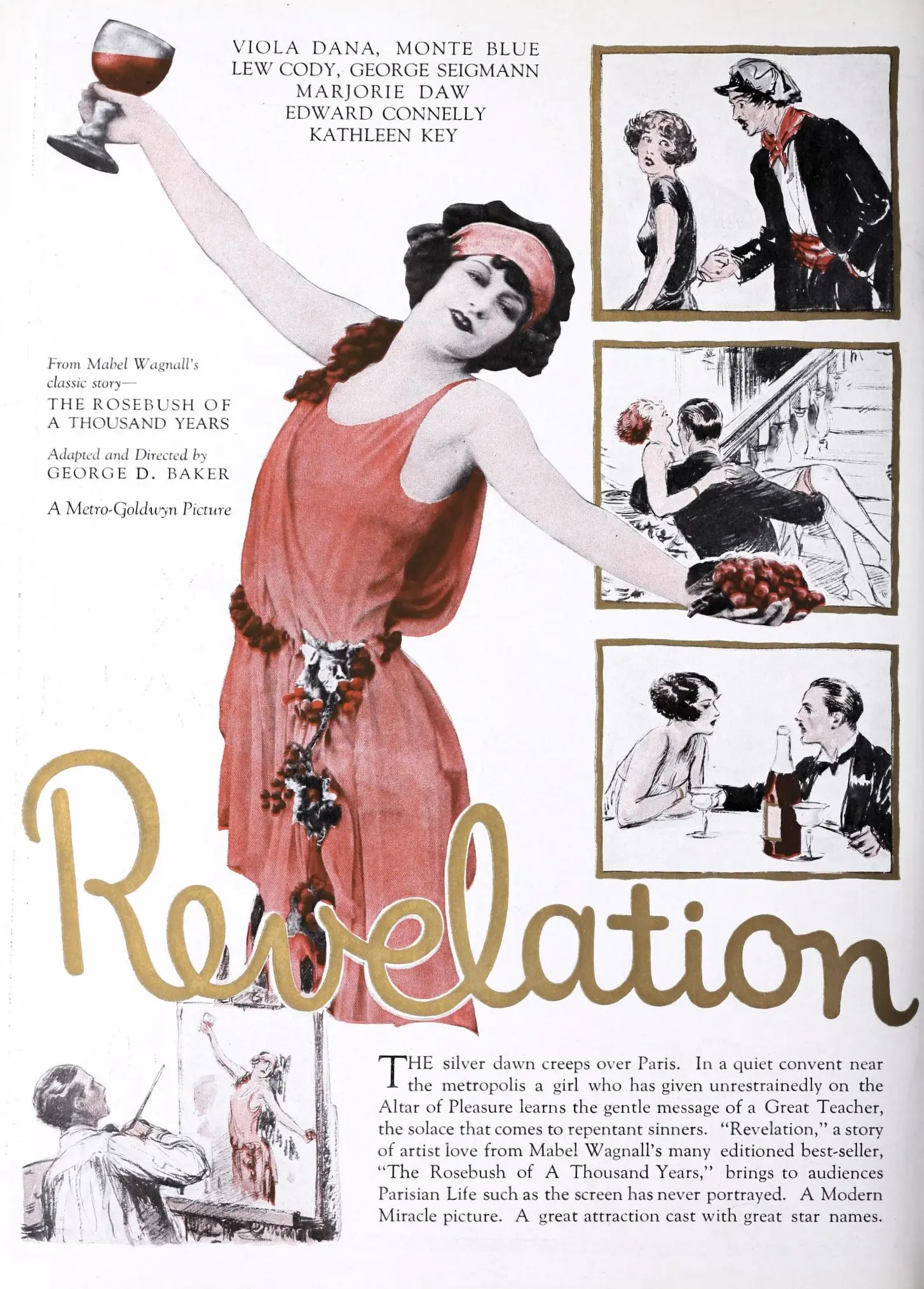
A definitive 6/10 rating for a film that redefined the boundaries of cult cinema. Revelation remains a cornerstone of transgressive art.
George D. Baker’s 1924 silent opus, Revelation, stands as a monumental testament to the era’s fascination with the intersection of the corporeal and the celestial. While many contemporary critics might dismiss the period's moralistic narratives as overly didactic, Baker, alongside screenwriter Mabel Wagnalls, crafts a cinematic tapestry that is as visually arresting as it is philosophically provocative. The film operates on a plane of heightened emotionality, where the flickers of the silver screen serve as a conduit for a story about the radical transformation of the human soul. Unlike the gritty, uncompromising realism found in Erich von Stroheim’s Greed (1924), which also debuted that year, Revelation leans into the ethereal, suggesting that beauty is not merely a surface-level aesthetic but a precursor to divine truth.
The narrative centers on Paul Granville, portrayed with a brooding intensity by Monte Blue. Granville is the quintessential artist of the 1920s—obsessed with his legacy, fueled by the romanticism of the Parisian landscape, and perhaps a bit too reliant on his own ego. His muse, Joline Hofer, is played by the luminous Viola Dana. Dana’s performance here is nothing short of a revelation itself; she transitions from a spirited, almost hedonistic model to a figure of somber, saintly devotion with a nuanced physicality that avoids the era's tendency toward histrionics. Their relationship is the heartbeat of the film, a complex dance between the observer and the observed, which eventually spirals into a larger meditation on faith.
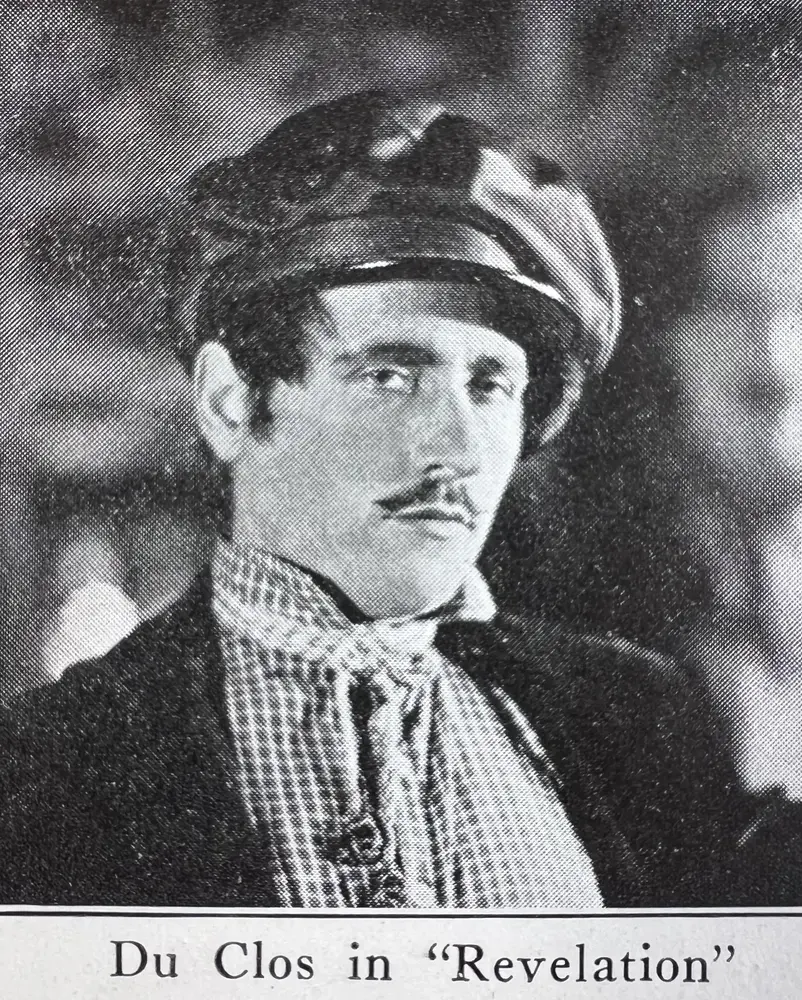
Visually, the film employs a striking use of light and shadow that mirrors the internal conflict of its protagonists. The early scenes in the Latin Quarter are filled with a soft, diffused glow—a romanticized haze that suggests a life lived in a dream. However, as the 'miracle' occurs, the cinematography shifts. The lighting becomes more directional, more stark, reminiscent of the chiaroscuro techniques used by the very painters Granville seeks to emulate. This visual evolution serves to underscore Joline’s spiritual awakening. When she looks upon the painting that has supposedly caused a miracle, the camera lingers on her face in a way that suggests she is seeing not just the art, but her own potential for goodness. It is a moment of quiet power that rivals the atmospheric tension found in The Storm (1922).
The supporting cast provides a robust framework for this central drama. Lew Cody, often the charming rogue of silent cinema, brings a necessary groundedness to the proceedings, much as he did in The Other Man's Wife. Meanwhile, the presence of actors like George Siegmann and Ethel Wales adds layers of social context to the film’s moral landscape. The film doesn't just exist in a vacuum of religious fervor; it explores how these changes in character affect the social fabric of the artistic community. The skepticism of Granville’s peers serves as a foil to Joline’s unwavering new faith, creating a tension that drives the second half of the film forward.
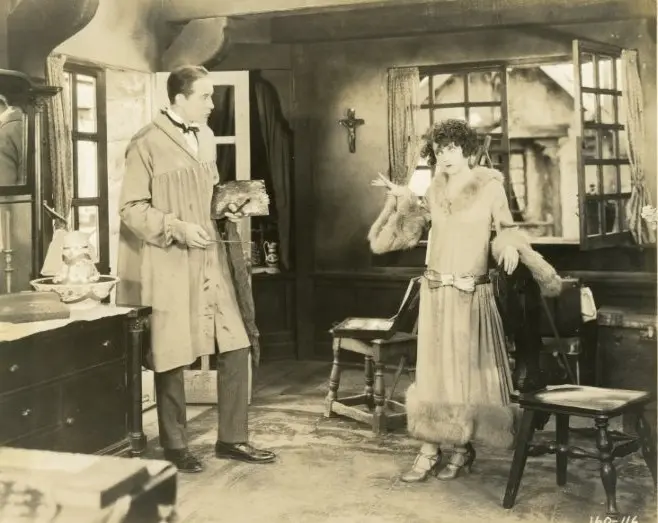
What distinguishes Revelation from other melodramas of the time, such as Flickering Youth, is its refusal to take the easy path toward a happy ending. Joline’s decision to leave her life with Paul is not portrayed as a mere whim, but as a painful, necessary excision. She enters a life of service, a move that is depicted with a solemnity that borders on the documentary-like. The film suggests that true change requires a total shedding of the previous self. This theme of radical sacrifice is a recurring motif in the works of George D. Baker, yet here it feels more personal, more intimate. It echoes the high-stakes moral dilemmas seen in Whom the Gods Would Destroy, where the characters' choices have cosmic consequences.
As the plot progresses toward its climax, the stakes shift from the spiritual to the literal. Granville, devastated by Joline’s departure and failing in his artistic pursuits, falls into a state of physical and mental decay. It is only through Joline’s intervention—now a woman of immense inner strength—that he is saved. This reversal of roles is fascinating. In the beginning, Granville is the creator, the one who 'shapes' Joline into his vision of great women. By the end, Joline is the one who reshapes Granville, saving his life through the very piety he once found inconvenient. This narrative symmetry is a hallmark of sophisticated storytelling, elevating the film above the standard fare like Hello, Judge.

The depiction of the miracle itself is handled with a commendable restraint. Baker resists the urge to use garish special effects, instead relying on the reactions of the characters and the mounting dread of the atmosphere. This psychological approach to the supernatural makes the 'revelation' feel more authentic within the world of the film. It reminds one of the subtle thematic weight found in The Deemster, where the environment itself seems to breathe with the weight of moral judgment. The film’s pacing is deliberate, allowing the audience to sit with the characters' discomfort and their eventual peace.
Furthermore, the screenplay by Mabel Wagnalls deserves significant praise. The title cards are not merely expository; they are poetic, providing a literary depth that complements the visual storytelling. Wagnalls understands that the silence of the medium is its greatest strength, allowing the subtext of the performances to fill the gaps. The dialogue, captured in these cards, avoids the clichéd sentimentality of His Convict Bride, opting instead for a more philosophical inquiry into the nature of love and duty. It is a script that respects the intelligence of its audience, even as it aims for their hearts.
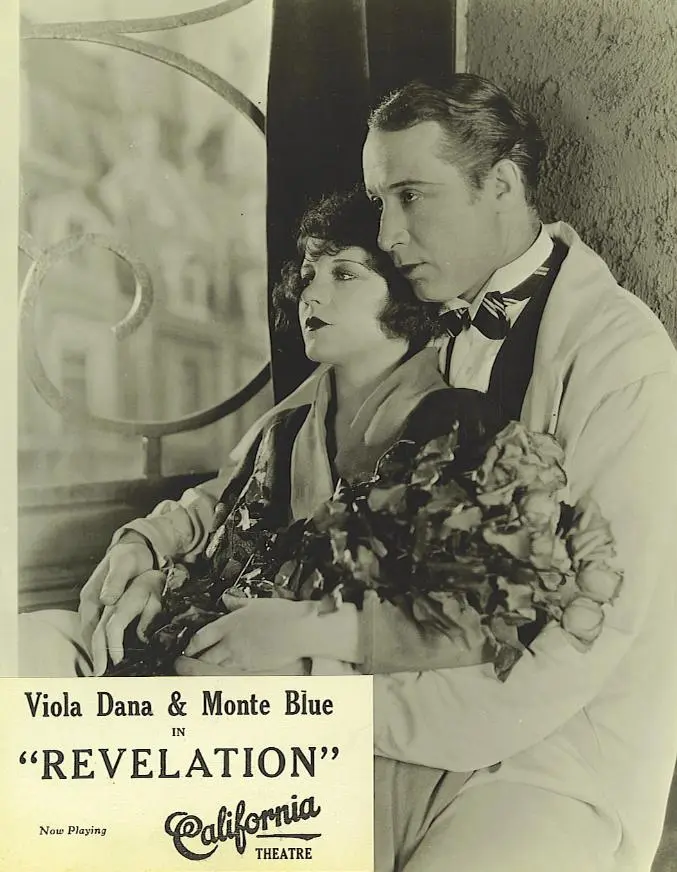
In the context of 1924, Revelation was a film that bridged the gap between the waning Victorian sensibilities and the burgeoning modernity of the Jazz Age. While films like Skinning Skinners or Trigger Fingers offered escapist thrills, Revelation asked its viewers to look inward. It dealt with the anxieties of a post-war world seeking meaning, much like the characters in As a Man Sows. The film’s success at the time spoke to a collective yearning for something substantial, something that could reconcile the beauty of the physical world with the mysteries of the spiritual one.
The technical aspects of the production are equally noteworthy. The sets, designed to replicate the bohemian quarters of Paris and the austere interiors of religious institutions, are meticulously detailed. The contrast between the cluttered, artifact-heavy studio of Granville and the sparse, clean lines of Joline’s new life provides a visual shorthand for their internal states. This attention to detail is what makes the film a standout, far surpassing the production values of contemporary B-movies like In the Python's Den. The editing, too, is rhythmic, building tension during the film’s more dramatic sequences while allowing the contemplative moments to linger.
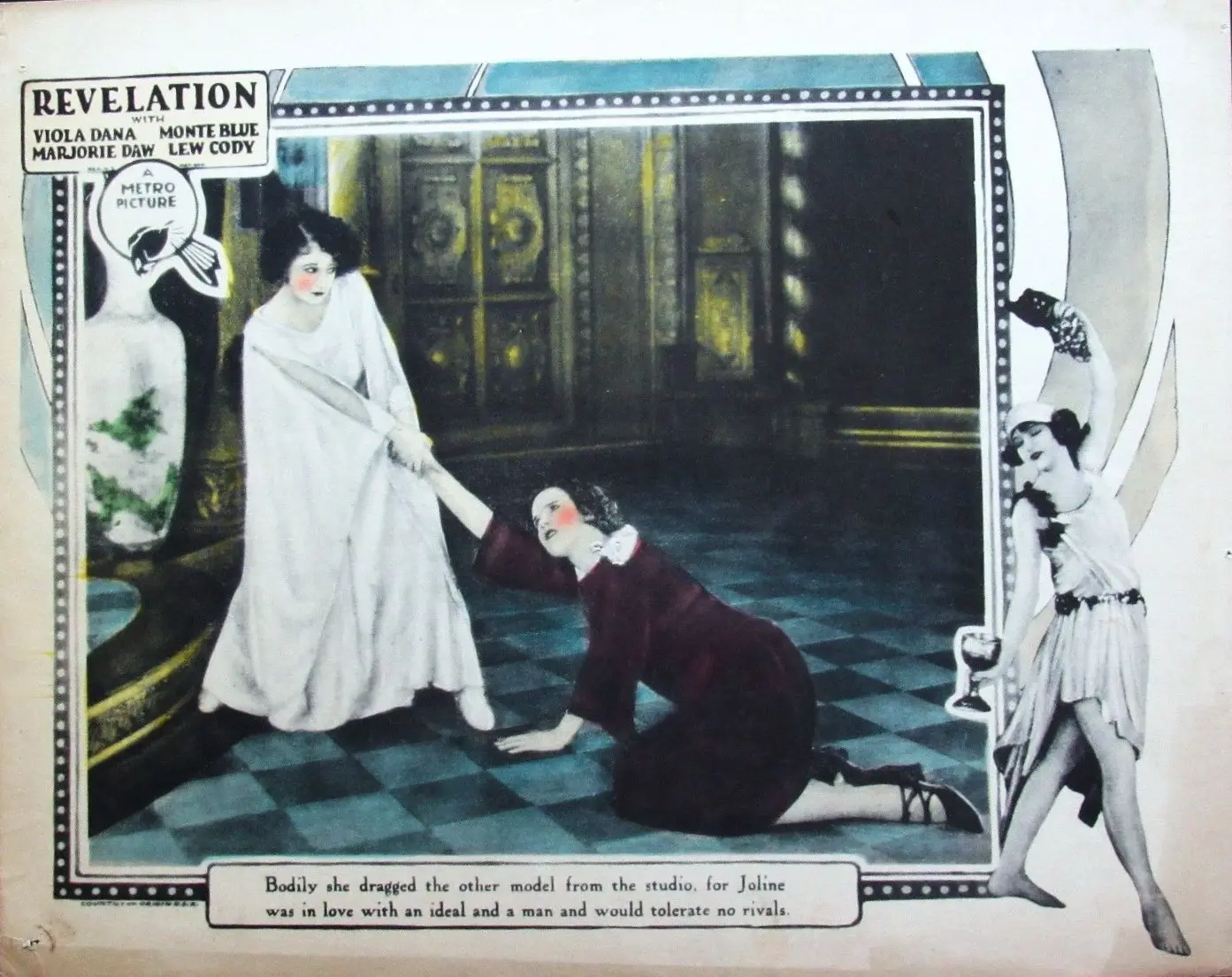
One cannot discuss Revelation without returning to Viola Dana. Her career was often defined by lighter roles, but here she proves her mettle as a dramatic powerhouse. The way she carries her body—her posture shifting from the relaxed, confident pose of a model to the rigid, humble stance of a penitent—is a masterclass in silent acting. It is a transformation as complete as any seen in the more tragic Drama na okhote. Monte Blue provides the perfect counterpoint; his Granville is a man whose world is built on sand, and Blue captures that fragility with every desperate glance and slumped shoulder.
The film also touches upon the role of the artist as a surrogate for the divine. Granville creates images of saints, yet he lacks the sanctity he portrays. This irony is the engine of the film’s first act. It poses the question: can a flawed creator produce something truly holy? The film’s answer is a resounding yes, but only if the creator is willing to be humbled by their own creation. This theme of the artist being 'overtaken' by their work is a sophisticated trope that Baker handles with grace, avoiding the melodrama of Der Leibeigene and instead focusing on the internal psychological shifts.
Ultimately, Revelation (1924) is a film that demands to be seen not just as a historical curiosity, but as a living piece of art. It explores themes that are universal—the search for meaning, the power of redemption, and the transformative nature of love. In an era where cinema was still finding its voice, George D. Baker found a way to make it sing with spiritual resonance. It stands as a superior example of silent storytelling, possessing more heart and intellectual rigor than The Man Unconquerable. For anyone interested in the evolution of cinematic narrative, or for those who simply appreciate a story told with profound conviction, Revelation remains an essential experience. It is a reminder that even in the silence, there is a voice that speaks to the deepest parts of our humanity, calling us toward something higher, something more permanent than the flickering shadows on a wall.

IMDb 7.3
1926
Community
Log in to comment.