DbcultAccessing Vault...
6.9/10
Senior Film Conservator

A definitive 6.9/10 rating for a film that redefined the boundaries of cult cinema. The Secret Garden remains a cornerstone of transgressive art.
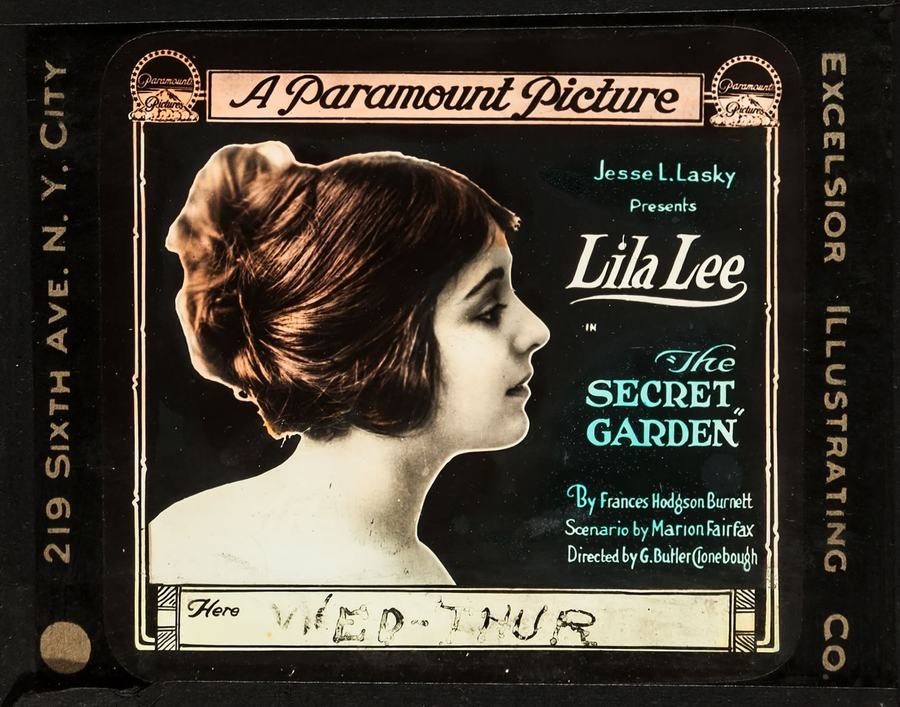
Beneath the sepia-toned skies of post-Edwardian England, Frances Hodgson Burnett's perennial novel finds startlingly fertile ground in this silent-era interpretation. Director Maurice Tourneur crafts Misselthwaite not merely as setting but as sentient ecosystem—a character exhaling damp stone and unspoken sorrow. The manor's architecture mirrors the psychological imprisonment of its inhabitants: high-ceilinged rooms dwarf Mary Lennox (Lila Lee), their emptiness echoing her orphaned isolation. Windows frame the desolate moors like barred paintings, emphasizing nature's tantalizing proximity yet emotional inaccessibility. When Mary discovers the garden—a verdant secret pulsating behind ivy-strangled gates—Tourneur deploys chiaroscuro lighting to carve hope from shadow. Sunlight fractures through decaying arbors, dappling overgrown roses in patterns resembling stained glass, transforming neglect into sacred space.
What distinguishes this adaptation is its tactile reverence for growth. Cinematographer René Guissart employs extreme close-ups on soil-caked hands pressing seeds into earth—a visual hymn to manual resurrection. Time-lapse sequences of unfurling ferns and climbing wisteria (revolutionary for 1919) become kinetic poetry. Contrast this with the sterility of Colin's sickroom: pristinely white yet suffocating, his mechanical bed resembling a gilded cage. The garden's rebirth operates as non-verbal psychotherapy, its symbolism articulated through montage rather than intertitles. When Colin takes his first steps, Tourneur cross-cuts sprouting crocuses with the boy's trembling limbs, equating botanical tenacity with human breakthrough. This organic vocabulary feels radical compared to the rigid melodramas of its era—like Brown of Harvard’s theatricality or The Knickerbocker Buckaroo's artifice.
Lila Lee’s Mary transcends the "difficult child" trope through astonishing physicality. Watch how her rigid posture—back straight as a hollyhock stem—softens into fluid motion among the garden’s wildness. Her fingers, initially clenched like buds against frost, unfurl while digging soil, embodying unspoken healing. As Dickon, Forrest Seabury communicates pagan wisdom through gesture alone: his calloused palms cradling baby birds mirror how he steadies Mary’s emotional stumblings. The film’s revelation is Paul Willis’ Colin—a performance of spectacular fragility. Confined to bed, he speaks through eyes widened by hypochondria and manipulation. His transformation isn’t marked by walking but by the dawning awareness in his gaze when sunlight first strikes his face—a photosynthesis of the soul.
Seymour Hastings’ Archibald Craven haunts the narrative like a phantom limb. His scenes with Mary vibrate with unspoken recognition—two grief-scarred creatures orbiting shared pain. When he glimpses his late wife’s rose garden resurrected, Tourneur holds the shot as Craven’s trembling hand hovers above a bloom. He doesn’t touch it; the petals seem to radiate heat only he can feel. This restrained agony contrasts sharply with gothic excess in comparable period pieces like The Governor’s Ghost. Misselthwaite’s true antagonist isn’t human but the inertia of mourning—a theme mirrored in The Return of Helen Redmond, though lacking this film’s ecological subtext.
Tourneur weaponizes absence—of sound, of parental love—to amplify visual metaphors. The locked garden gate materializes colonial repression; England burying India’s memory as Mary burrows into Yorkshire’s soil. Notice how Indian flora (a pressed hibiscus in Mary’s diary) visually haunts the garden’s English roses—a subtle critique of imperial erasure. The robin guiding Mary isn’t whimsy but avian psychopomp, leading her through grief’s underworld. Even weather functions symbolically: Yorkshire’s perpetual drizzle represents tears unshed until the garden’s rebirth catalyzes cathartic rainfall. Such layered imagery feels avant-garde beside literal-minded contemporaries like Dr. Mawson in the Antarctic.
Beneath its pastoral surface, the film indicts aristocratic detachment. Servants navigate corridors like ghosts, their labor enabling the family’s self-absorption. Martha (Lucille Ward), Dickon’s sister, embodies earthbound pragmatism—her scrubbing brush scraping away pretense as Mary scrubs garden statues. This class consciousness blooms subtly: while Craven funds botanical expeditions abroad, his own garden lies fallow, symbolizing emotional imperialism. The children’s alliance across class lines—Dickon’s herbal wisdom enabling Colin’s healing—suggests a socialist utopia germinating within capitalism’s ruins. A radical subtext missing from frothier 1919 fare like His Blooming Bloomers.
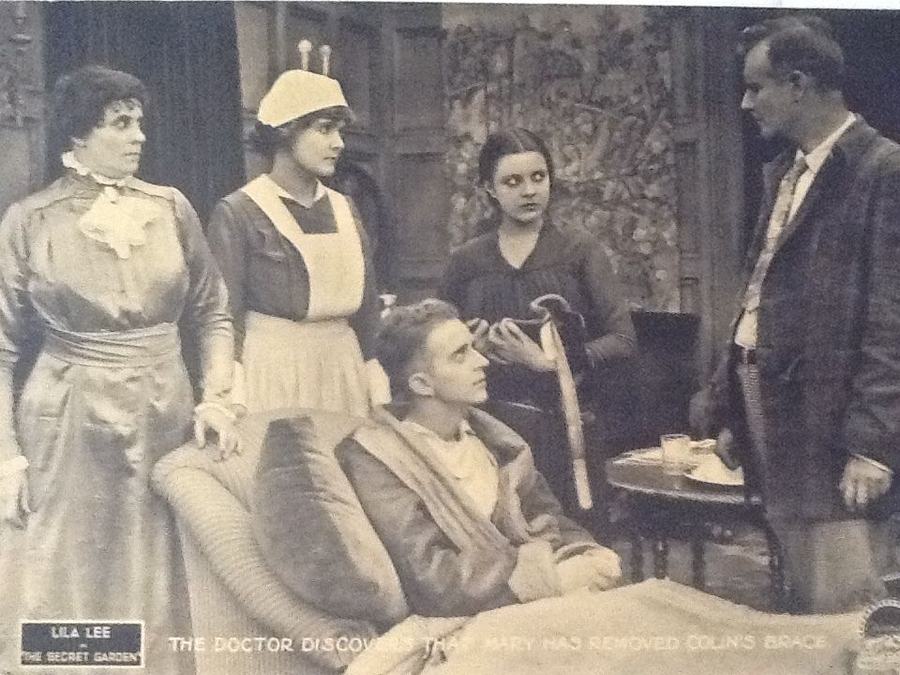
Compositionally, the film resembles a living tapestry. Tourneur traps characters within doorframes or beneath vaulted ceilings early on, visually reinforcing confinement. As liberation progresses, frames open into wide shots where children become specks within sweeping landscapes—their smallness against nature emphasizing both vulnerability and belonging. Masterfully, he shoots the garden through subjective lenses: low angles mimic a child’s perspective, making dandelions tower like oaks. During Colin’s rebirth scene, the camera rotates dizzyingly around him as he stands—a technique evoking both disorientation and ecstatic freedom, unprecedented in 1919 outside German Expressionism. This inventiveness shames static contemporaries like La Principessa di Bagdad.
Silence becomes an auditory canvas. When Dickon plays his wooden pipe, Tourneur doesn’t rely on intertitles saying "Mary hears music." Instead, we see pollen drift rhythmically from shaken blossoms, or leaves tremble as if vibrating to inaudible notes. This synesthetic approach transforms the garden into an orchestra of visual vibrations—a solution more elegant than Der Barbier von Flimersdorf’s clunky text explanations. The climactic reunion between Archibald and Colin unfolds without dialogue; their clasped hands framed against blooming laburnum says more than pages of script.
Nearly obliterated by time (like Misselthwaite’s garden), this adaptation’s rediscovery reveals astonishing modernity. Its ecological feminism—positioning a "disagreeable" girl as ecosystem healer—predates Rachel Carson by decades. The therapeutic horticulture concept feels ripped from contemporary psychology textbooks. Modern parallels abound: Guillermo del Toro’s gothic nurseries, Wes Anderson’s precise framing, even Miyazaki’s nature spirits owe debts to Tourneur’s vision. Unlike Attack on the Gold Escort’s forgotten spectacle, this film’s power sprouts anew with each generation. It remains cinema’s most profound argument for growth—not as passive occurrence but as radical act cultivated in darkness. The garden endures because it understands: beauty isn’t the absence of decay, but life stubbornly rerooting within it.
IMDb —
1928
Community
Log in to comment.