DbcultAccessing Vault...
6.4/10
Senior Film Conservator
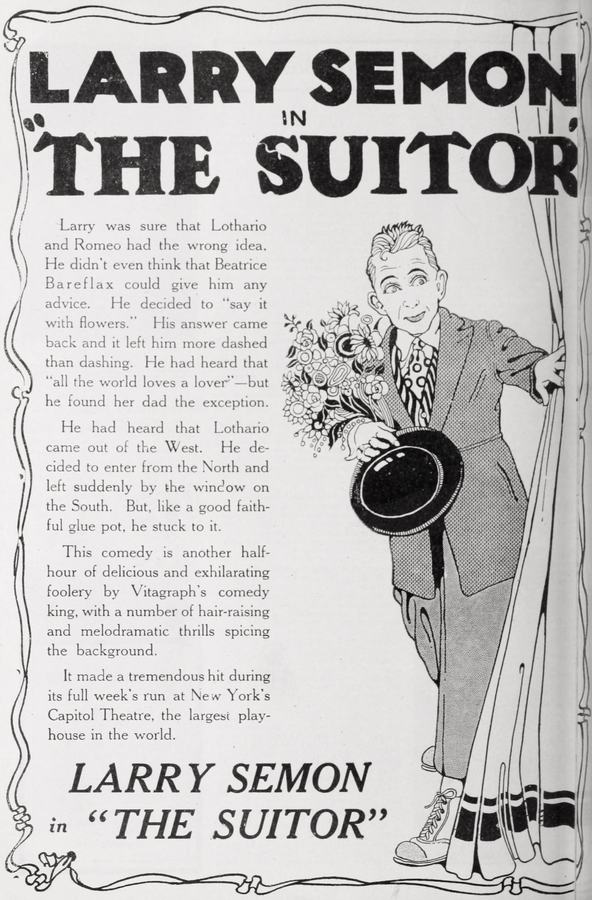
A definitive 6.4/10 rating for a film that redefined the boundaries of cult cinema. The Suitor remains a cornerstone of transgressive art.
The first time I watched The Suitor I expected a quaint custard-pie relic; instead I surfaced winded, as if I’d sprinted across rooftops with nitroglycerin strapped to my shoes. Larry Semon, the Kansas cyclone who wrote, directed, and star-vehicle’d himself here, grafts Looney-Tunes physics onto Gatsby-era opulence, then detonates the whole contraption ninety feet aboveground.
Stone staircases in silent cinema usually serve as thrones for grand entrances; Semon converts them into a Jacob’s ladder of humiliation. Each polished step is a moral referendum: noses scrape, trousers shred, tailcoats flap like surrender flags. Yet the gag’s sting lies less in bruises than in class arithmetic—every servant who shoves our hero is a line item on Manybucks’ ledger, violence amortized by payroll. The mansion becomes a living balance sheet where love is the only unprofitable column.
Notice the butler’s silver tray: it ferries not canapés but social ordinance. When Larry skids across it, friction becomes satire; the gleaming salver is both mirror and weapon, tossing back the suitor’s reflection warped by wealth. Semon’s genius is to make slapstick dialectical: every pratfall argues with capital while still whizzing on banana-peel momentum.
Where Keaton’s antagonists were often weather or machinery, Semon mints a suave sociopath who could swap jokes with Gatsby one minute and sell you a forged bond the next. The Lizard’s name is no accident: he is cold blood in a white waistcoat, forked tongue flicking behind immaculate courtesy. His tuxedo fits like criminal indictment; each stud a prior conviction. Watch him survey the ballroom: eyes dart with Wall-Street ticker urgency, calculating dowries in real time.
The alliance between The Lizard and the household staff is the picture’s sharpest bite. Servants, normally background furniture, here unionize under larceny. Their synchronized sabotage of Larry feels like the earliest cinematic whisper of class revolt, albeit played for shrieking laughs. In 1920, only eight years after the armistice silenced the Western Front, such collective insurrection—however comic—carried electric aftershocks.
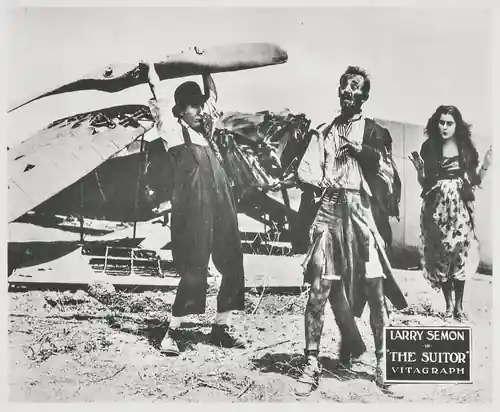
High society demands that cigars be smoked with aristocratic languor; Semon’s gag squad rigs one with T.N.T. The expected punch line—a tuxedoed torso blown to tatters—never lands on the tycoon. Instead, a beat cop, emblem of proletarian order, puffs the stogie and is stripped to boots and dignity. The joke is not nudity but the exposure of authority: the uniform was always a wrapper, the badge a paper hat. By shifting the blast downward, the film mocks the illusion that wealth can insulate the powerful from their own booby traps.
Later, the sabotage graduates from phallic cigars to domestic comforts: biscuits become grenades, a monkey becomes anarchist courier. The simian’s tail, curling like a question mark, signals the randomness of revolt. Once detonated, the drawing room’s frescoed ceiling rains plaster confetti—aristocracy buried under the debris of its own décor. Semon choreographs the chaos like a Busby Berkeley fever dream, each explosion a chorus girl kicking higher than the last.
In 1920, biplanes still smelled of canvas and front-line gunpowder. Semon straps a camera to one, launches from a dirt runway no longer than a city block, and births an action climax that would make Tom Cruise genuflect. Perched on a motorcycle, he snags a rope ladder dangling from the fuselage—physics howls in protest, but momentum, that great credulous deity of silent comedy, nods assent. The aircraft sputters a thousand feet aloft, where Larry, one-handed, disables the engine with a monkey-wrench tossed skyward by gravity itself.
Parachutes blossom like milkweed seeds; the villain, still clutching the propeller, augers earthward and is pinned by his own hubris. The image—scoundrel screwed into soil like a lawn ornament—feels eerily prophetic: a nation about to screw itself into the ground with speculation and bootleg gin. Only the suitor walks away upright, albeit with nose newly re-flattened, love in one arm, propeller in the other.
Carlisle’s performance is calibrated between flapper and fiduciary heir. Her sideways glance when Larry crashes the reception is not mere flirtation; it’s a balance sheet weighing comic potential against filial duty. In an era when female agency onscreen was often a wedding veil, she pilots her own parachute, steering toward the man who has proven gravity negotiable. Their mid-air tandem descent is courtship stripped of chaperones: two silhouettes against a sepia sky, capitalism and comedy momentarily defused by silk.
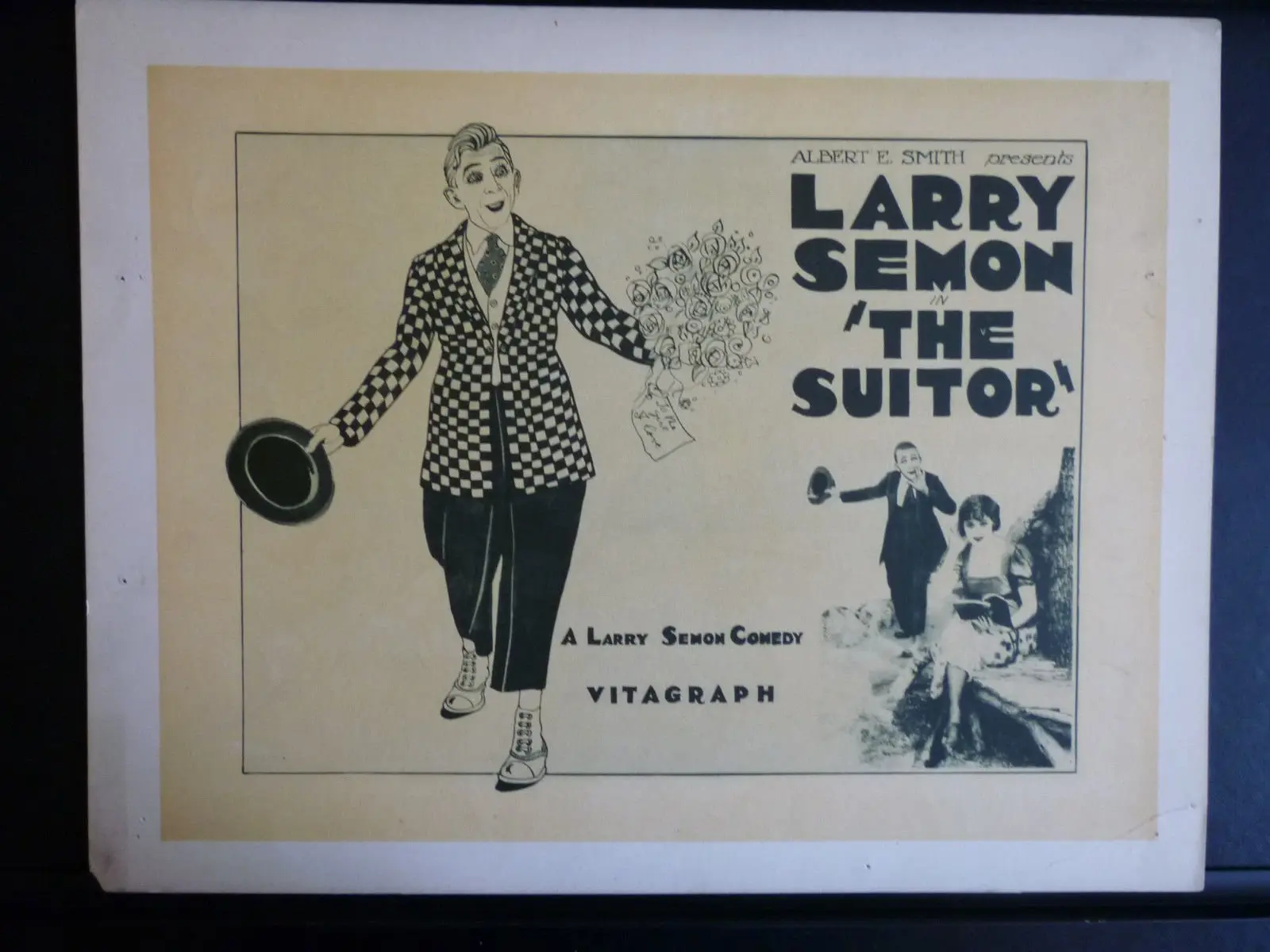
Modern audiences, marinated in CGI, may smirk at visible wires, yet the tactility of the stunts is precisely what rejuvenates them. Every wobble of the biplane’s linen skin transmits risk; every tumble on gravel rasps authentic skin. Semon’s comedy is corporeal, a reminder that flesh, not pixels, once leapt into the void. Watching him now is like sipping Prohibition-era whiskey—raw, smoky, bottled before safety regulations sanded off the edges.
Moreover, the picture’s class satire has aged into vintage relevance. In an age of algorithmic trading and rentier dynasties, the sight of servants weaponizing household objects against entrenched wealth feels less farce than dress rehearsal. The exploding cigar is the ancestor of meme warfare; the monkey with dynamite biscuits, a deep-fake courier of chaos.
Contrast it with Mary Pickford’s Tess of the Storm Country from the same year: both films skewer wealth, yet Pickford wields moral pathos where Semon wields T.N.T. One sobs at injustice; the other lights a fuse and laughs at the bang. Or weigh it against Wharton adaptations that limp under corseted tragedy—Semon refuses tragedy its dignity, kicks it down a flight of stairs, then dynamites the banister.
Silent comedy connoisseurs genuflect to Keaton’s locomotives and Lloyd’s clock towers, yet Semon’s airborne circus deserves equal shelf space. The Suitor is a hand-cranked rocket: crude, incandescent, dangerous. It lampoons affluence while frolicking in its trappings; it courts the heiress yet lets her choose her descent. The film ends with a kiss and a propeller jammed into turf—love conquered, villain planted, gravity humbled. For anyone who believes stunts peaked with green screens, this 1920 gauntlet laughs in your face, offers you an exploding cigar, and invites you to jump off a biplane at dawn.
Stream it with a live garage-band score, or cue solo piano—either way, crank the volume until the celluloid crackle sounds like fireworks. Just don’t light a celebratory cigar afterward; you’ve been warned.
IMDb —
1927
Community
Log in to comment.