DbcultAccessing Vault...
Cult Review
Senior Film Conservator
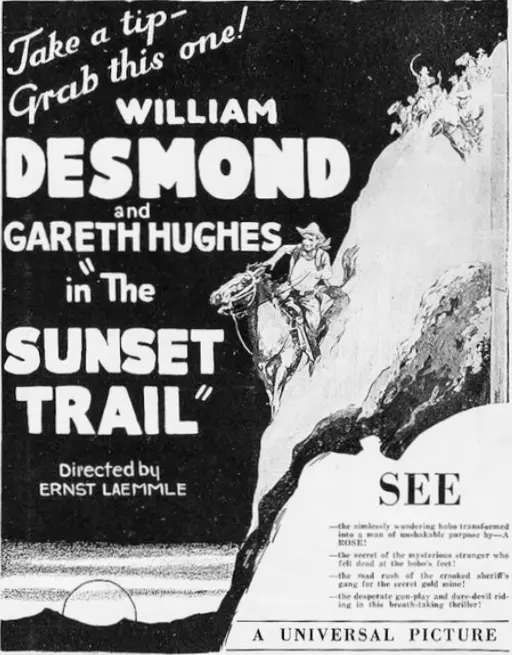
The cinematic tapestry of the American West, especially as woven in the silent era, often presents a fascinating blend of rugged individualism, burgeoning romance, and the relentless pursuit of fortune. The Sunset Trail, a 1924 offering, stands as a quintessential artifact of this period, a film that, despite its age and the inherent limitations of its medium, manages to evoke a palpable sense of adventure and the raw allure of the frontier. It's a narrative that pivots on chance encounters and the almost mystical hand of fate, setting its characters on a collision course with destiny in the sun-baked expanses of the desert. The initial premise, with Louise’s unassuming act of charity towards two drifters, immediately establishes a tone of human connection against a backdrop of vast, indifferent nature. This simple gesture, seemingly inconsequential at the outset, becomes the very genesis of an epic journey, proving that even the smallest sparks of kindness can ignite the grandest sagas. The film, directed with an eye for the sweeping vistas that defined the Western genre, leverages the stunning natural landscapes not merely as scenery but as an active participant in the unfolding drama, a silent, majestic witness to human ambition and affection.
At its core, The Sunset Trail is a testament to the power of serendipity. Happy Hobo’s decision to eschew the comfort of a train ride for the dusty freedom of the open road is the pivotal moment, a choice that inadvertently leads him to a dying prospector and, more crucially, to a map and a photograph. This discovery, revealing Louise as the prospector’s daughter, imbues their prior brief interaction with a profound, almost fated significance. It transforms what could have been a fleeting act of compassion into the bedrock of a shared quest. The narrative then skillfully escalates, introducing elements of danger and pursuit, notably in the figure of the constable who seeks to usurp Happy’s discovery. This antagonist embodies the darker side of the frontier—greed and lawlessness—providing a necessary counterpoint to the film's more romantic and heroic undertones. The escape sequences and subsequent reunion with Louise and Collie are choreographed with a kinetic energy typical of silent action films, relying heavily on visual storytelling and the expressive physicality of the performers to convey urgency and emotion. The Universal Ranch Riders, known for their equestrian prowess, undoubtedly contributed to the authenticity and excitement of these chase scenes, grounding the fantastical elements of the plot in believable, if exaggerated, action. In an era where films like Ruth of the Rockies were showcasing daring heroines and thrilling Western stunts, The Sunset Trail certainly held its own in delivering frontier excitement.
The performances, while adhering to the broader, more gestural acting styles prevalent in silent cinema, effectively convey the emotional arcs of the characters. Albert J. Smith, as Happy Hobo, brings a compelling blend of resourcefulness and underlying nobility to his character. His silent portrayal of a man guided by an unexpected moral compass, who files the claim not for himself but for the rightful heir, Louise, speaks volumes about the character’s integrity. Lucille Hutton, as Louise, embodies the innocence and vulnerability often ascribed to leading ladies of the era, yet with an underlying strength that makes her a worthy focal point for the narrative’s romantic and adventurous thrust. Gareth Hughes, S.E. Jennings, and Clark Comstock round out the supporting cast, each contributing to the rich tapestry of the Western world the film constructs. The writing team of Henry H. Knibbs, Isadore Bernstein, and Wyndham Gittens, working within the narrative conventions of the time, crafted a story that, despite its fantastical elements, resonated with audiences eager for tales of triumph against adversity and the ultimate reward of true love. Their collaborative effort ensured a coherent, if ambitious, plot that kept the audience invested from the desert train to the hidden gold mine. The film, like many of its contemporaries such as God's Law and Man's, often explored themes of justice and morality, albeit through the adventurous lens of the Western.
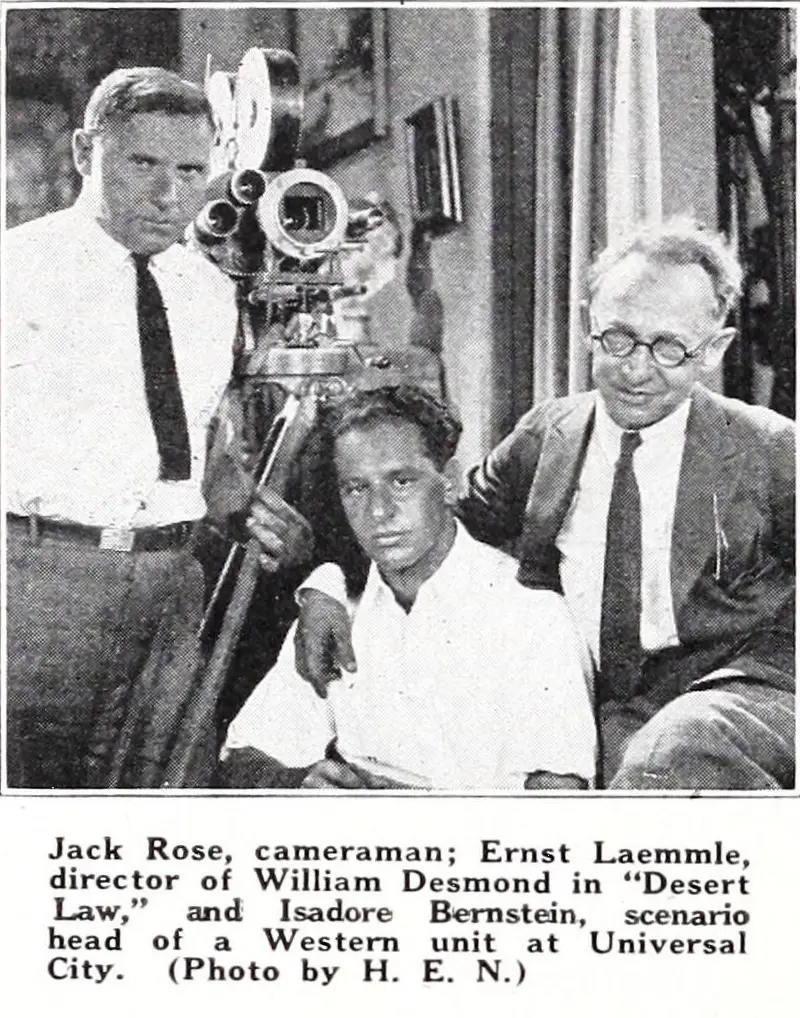
The visual language of The Sunset Trail is particularly noteworthy. Silent films, by necessity, relied heavily on cinematography to tell their stories, and this film is no exception. The sweeping desert panoramas, the intimate close-ups capturing an actor’s nuanced expression, and the dynamic sequences of horse chases and confrontations all contribute to a rich visual experience. The use of natural light and the stark contrasts inherent in the desert landscape would have been powerfully rendered on screen, creating a sense of both grandeur and isolation. One can imagine the impact of the discovery of the gold mine, depicted through clever mise-en-scène, conveying the sheer exhilaration of striking it rich after arduous struggle. The film’s pacing, a crucial element in silent cinema, would have been carefully modulated, alternating between moments of quiet contemplation and bursts of intense action, keeping the audience engaged without the aid of dialogue. This rhythmic storytelling is a hallmark of well-executed silent films, distinguishing them from their more verbose successors. Comparing it to something like The Witching Hour, which delved into psychological drama, The Sunset Trail opts for a more external, action-driven narrative, yet with its own brand of emotional depth.
Beyond the immediate thrills of adventure and romance, The Sunset Trail subtly reinforces enduring American ideals: the belief in self-reliance, the promise of opportunity in new frontiers, and the ultimate triumph of good over evil. Happy Hobo’s transformation from a wandering soul to a man of purpose, driven by a quest for justice and love, mirrors the broader narrative of the American Dream, albeit filtered through the romanticized lens of the Old West. The film’s resolution, with the discovery of the mine and the marriage of Happy and Louise, provides a deeply satisfying conclusion, reinforcing the idea that perseverance and moral fortitude are ultimately rewarded. This kind of clear-cut moral framework was immensely popular with audiences of the time, offering escapism and reaffirmation of societal values. The chemistry between Smith and Hutton, conveyed through glances and gestures, is crucial to the success of the romantic storyline, making their eventual union feel earned and inevitable. The journey itself, filled with peril and unexpected allies, serves as a crucible, forging their bond and proving their worthiness to each other and to the fortune they uncover. This romantic element is often a strong driving force in silent films, much like in A Soul Enslaved, where emotional stakes are paramount.
Reflecting on The Sunset Trail from a contemporary vantage point, one can appreciate its historical significance as a well-crafted example of early genre filmmaking. It showcases the conventions that would come to define the Western for decades: the lone hero, the damsel in distress (who often displays surprising resilience), the villainous pursuer, and the promise of untold riches hidden within the vast, untamed landscape. The film’s ability to tell a compelling, coherent story without spoken dialogue is a testament to the artistry of silent era filmmakers, who mastered the language of visual narrative. The reliance on intertitles to convey dialogue and crucial plot points, interspersed with expressive performances and dynamic camerawork, created a unique cinematic experience that still holds a certain charm today. While modern audiences might find the pacing or acting conventions quaint, there's an undeniable power in the simplicity and directness of these early narratives. They speak to universal human desires—love, adventure, security—in a way that transcends the limitations of their production era. It’s a reminder that compelling storytelling, regardless of technological advancements, remains the cornerstone of enduring cinema. The film, in its own right, serves as a fascinating precursor to more complex Westerns, much like Half Breed explored identity within the genre, but The Sunset Trail maintains a classic, adventurous spirit.
Ultimately, The Sunset Trail is more than just a historical curiosity; it's a vibrant piece of cinematic heritage that continues to resonate with its themes of destiny, moral rectitude, and the thrilling pursuit of a better life. The journey of Happy and Louise, from a chance encounter on a train to the shared discovery of a gold mine and a future together, encapsulates the romanticized spirit of the American West. It’s a narrative that reminds us that sometimes, the greatest treasures aren't just found in the earth, but in the unexpected connections forged along the arduous path of life. The film, with its robust cast and dedicated writers, delivers an engaging and ultimately uplifting tale that solidifies its place within the rich tradition of silent Westerns, proving that even a century later, its sunset still casts a warm, enduring glow.
IMDb 2.8
1927
Community
Log in to comment.