DbcultAccessing Vault...
6.1/10
Senior Film Conservator
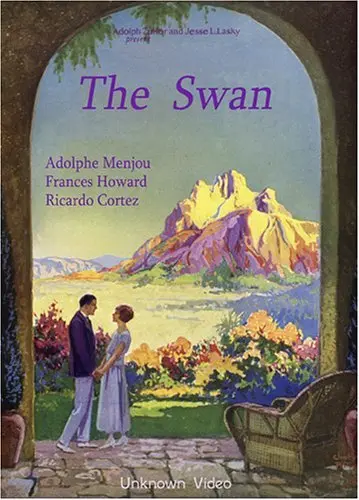
A definitive 6.1/10 rating for a film that redefined the boundaries of cult cinema. The Swan remains a cornerstone of transgressive art.
The Swan, a cinematic adaptation of Ferenc Molnár's poignant tale, presents a scathing critique of aristocratic society, where propriety and class reign supreme. Joseph Depew and Helen Lindroth star as the star-crossed lovers, whose forbidden affair ignites a maelstrom of emotions, threatening to upend the delicate social hierarchy.
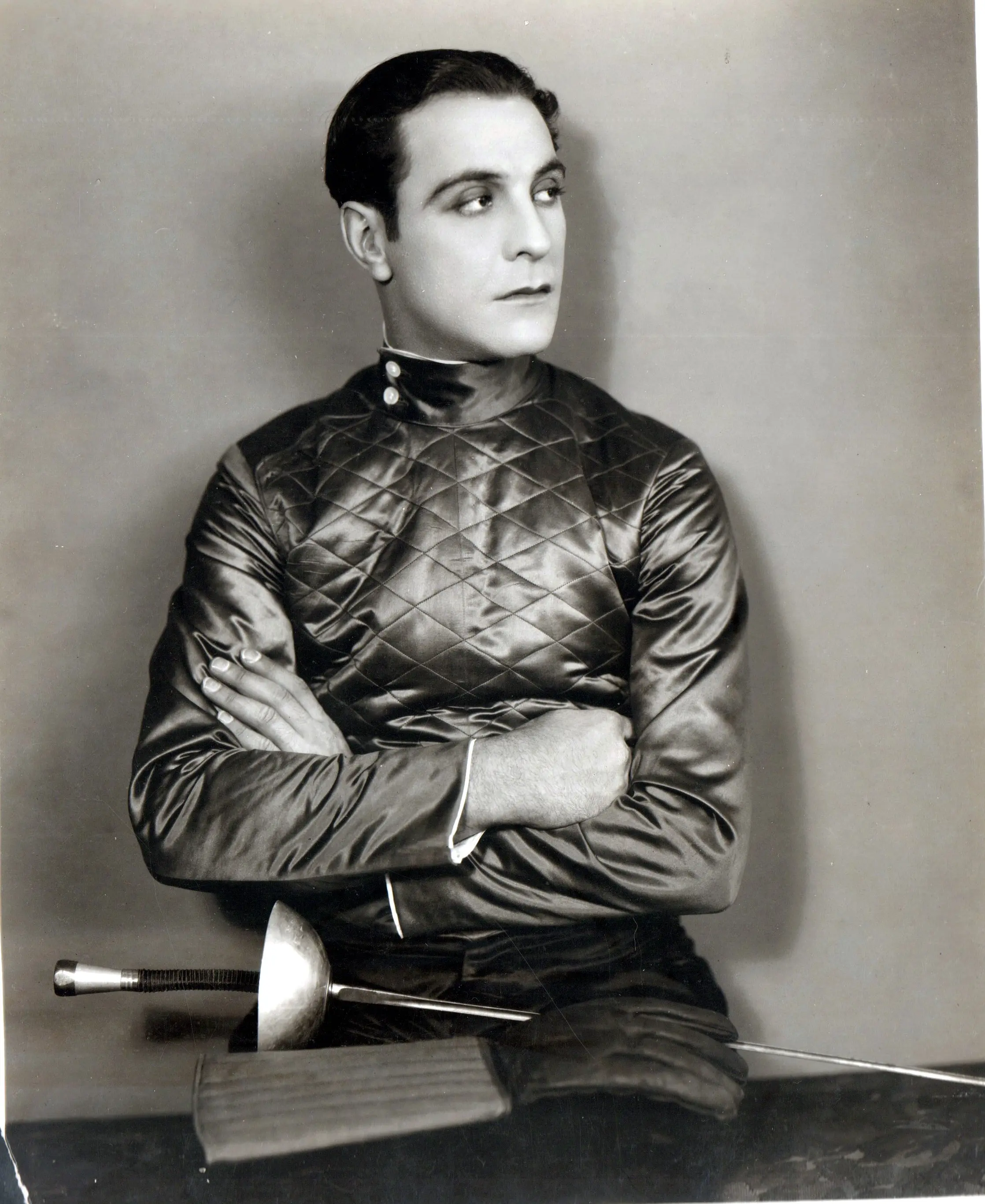
The film's narrative is expertly woven, with each scene meticulously crafted to convey the suffocating nature of aristocratic life. The character of the tutor, played by Joseph Depew, serves as a poignant symbol of the societal constraints that govern the lives of those within the upper echelons. His clandestine affair with the daughter of the house, Helen Lindroth, is a masterful exploration of the human desire for connection and love, set against the backdrop of a rigid social hierarchy.
The cinematography is noteworthy, with a muted color palette that effectively captures the somber and repressed atmosphere of the aristocratic world. The production design is equally impressive, transporting viewers to a bygone era of opulent grandeur and refinement. One cannot help but draw comparisons to other films that explore similar themes, such as Aura o las violetas and The Kiss, which also delve into the complexities of love and social class.
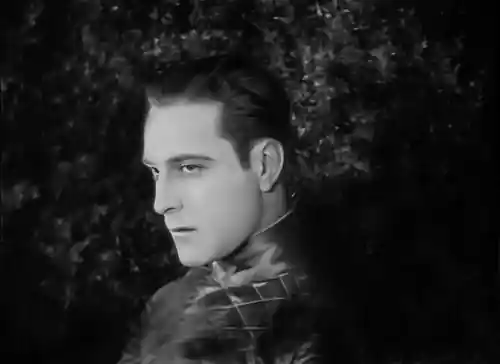
The performances of the cast are laudable, with Joseph Depew and Helen Lindroth delivering standout portrayals of the doomed lovers. The supporting cast, including Clare Eames and Michael Visaroff, add depth and nuance to the narrative, expertly navigating the intricate web of relationships and social expectations. Ricardo Cortez's performance is particularly noteworthy, as he brings a sense of gravitas and authority to the role of the patriarch, whose disapproval serves as a stark reminder of the societal pressures that threaten to tear the lovers asunder.
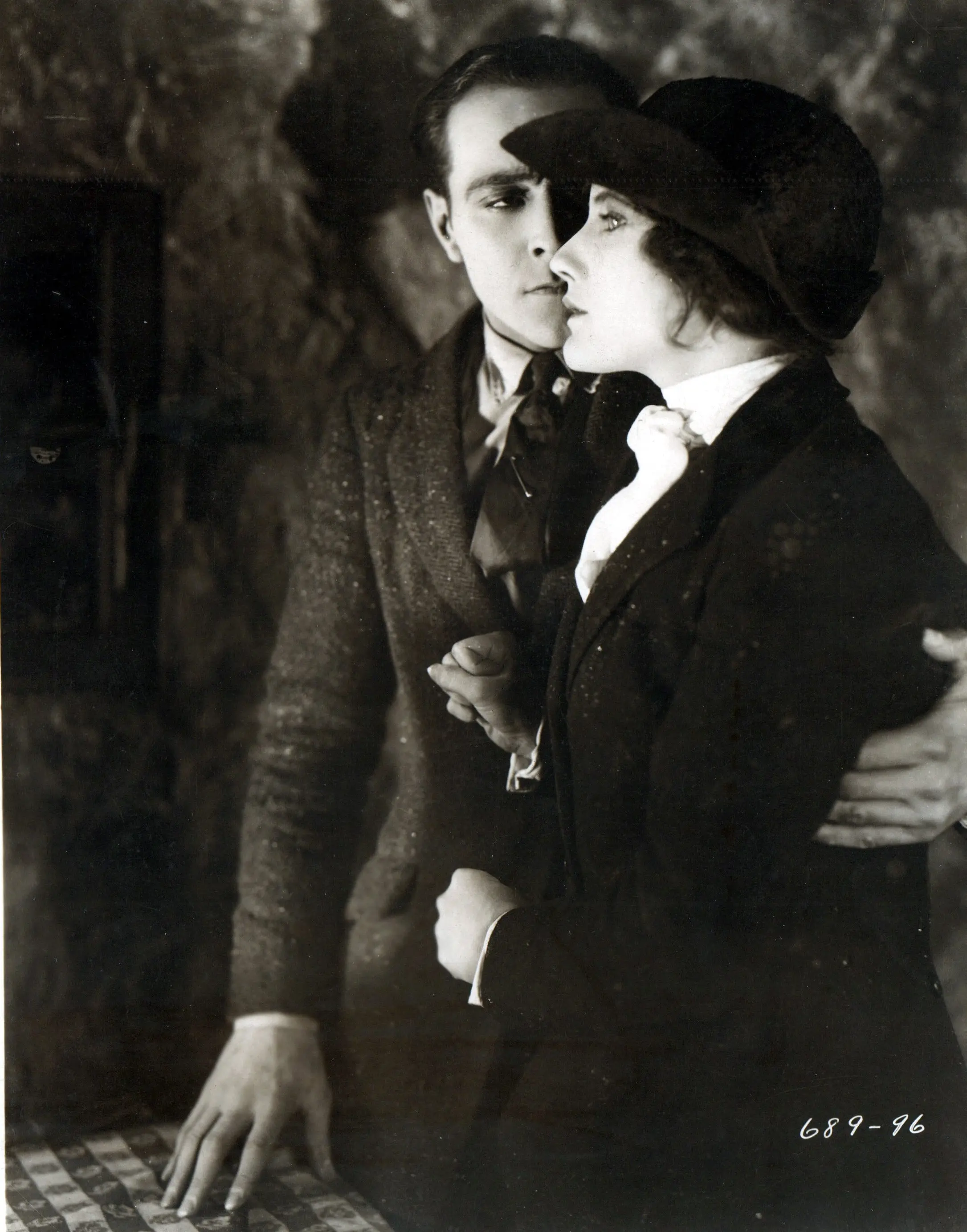
The Swan's exploration of love, class, and social hierarchy is both thought-provoking and visually stunning. Ferenc Molnár's original work, adapted by Dmitriy Bukhovetskiy, Lenore J. Coffee, and Melville Baker, has been masterfully translated to the screen, with a keen attention to detail and a deep understanding of the source material. This film is a must-see for fans of period dramas and those who appreciate a nuanced exploration of the human condition. In comparison to other films of its ilk, such as You Find It Everywhere and Der König ihres Herzens, The Swan stands out for its unflinching portrayal of the societal constraints that govern the lives of the aristocracy.
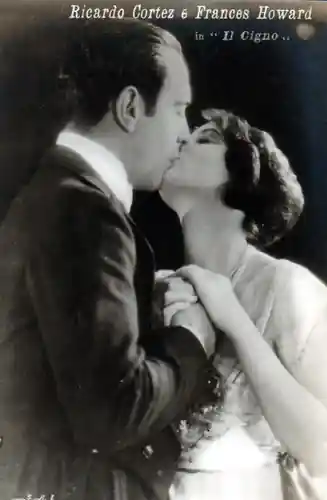
Upon closer examination, it becomes apparent that The Swan is more than a simple tale of forbidden love; it is a scathing critique of the social conventions that govern the lives of those within the upper echelons. The film's use of symbolism, particularly in the depiction of the aristocratic estate, serves as a powerful commentary on the suffocating nature of societal expectations. This is a film that rewards close attention, with each viewing offering new insights into the complexities of human relationships and the social hierarchy.
The Swan's influence can be seen in many subsequent films that explore similar themes, including The Song of Songs and Forsaking All Others. However, this film remains a standout work, with a unique blend of drama, romance, and social commentary that continues to captivate audiences to this day. As a work of cinematic art, The Swan is a masterful achievement, with a keen attention to detail and a deep understanding of the human condition.
The Swan's portrayal of love, loss, and social hierarchy is both poignant and thought-provoking. The film's exploration of the human experience, set against the backdrop of a bygone era, serves as a powerful reminder of the enduring power of love and the human spirit. This film is a must-see for fans of period dramas, romance, and social commentary, offering a nuanced exploration of the complexities of human relationships and the societal constraints that govern our lives.
In conclusion, The Swan is a masterpiece of cinematic storytelling, with a richly nuanced exploration of love, class, and social hierarchy. The film's use of symbolism, cinematography, and production design all serve to create a visually stunning and thought-provoking work, one that continues to captivate audiences to this day. With its unflinching portrayal of the societal constraints that govern the lives of the aristocracy, The Swan is a film that will leave viewers pondering the complexities of human relationships and the social hierarchy long after the credits roll.
IMDb 5.3
1931
Community
Log in to comment.