DbcultAccessing Vault...
7/10
Senior Film Conservator
A definitive 7/10 rating for a film that redefined the boundaries of cult cinema. The Temporary Widow remains a cornerstone of transgressive art.
If you have a soft spot for early 'talkies' where everyone sounds like they are shouting into a tin can, then yes, it’s worth a watch. It is mostly for people who like seeing actors before they became legends, because a baby-faced Laurence Olivier is the main draw here.
You’ll probably hate it if you can't stand theatrical acting or plots that rely on everyone being a bit dim-witted. It’s definitely not a fast-paced thriller, despite the whole murder trial thing.
I found myself watching this on a rainy Tuesday when I should have been doing laundry. It’s one of those movies that feels like a filmed play, but in a way that’s sort of charming if you’re in the right mood.
The story is basically about Kitty and Peter. Peter is an artist, and like most artists in movies, he is broke and nobody wants his stuff.
They decide the only way to make a buck is for Peter to 'drown.' Because apparently, people only buy paintings from dead guys.
It’s a cynical idea, but it’s handled with a lot of lighthearted fluff. I actually liked the scene where they are planning the fake death; they seem so genuinely excited about being frauds.
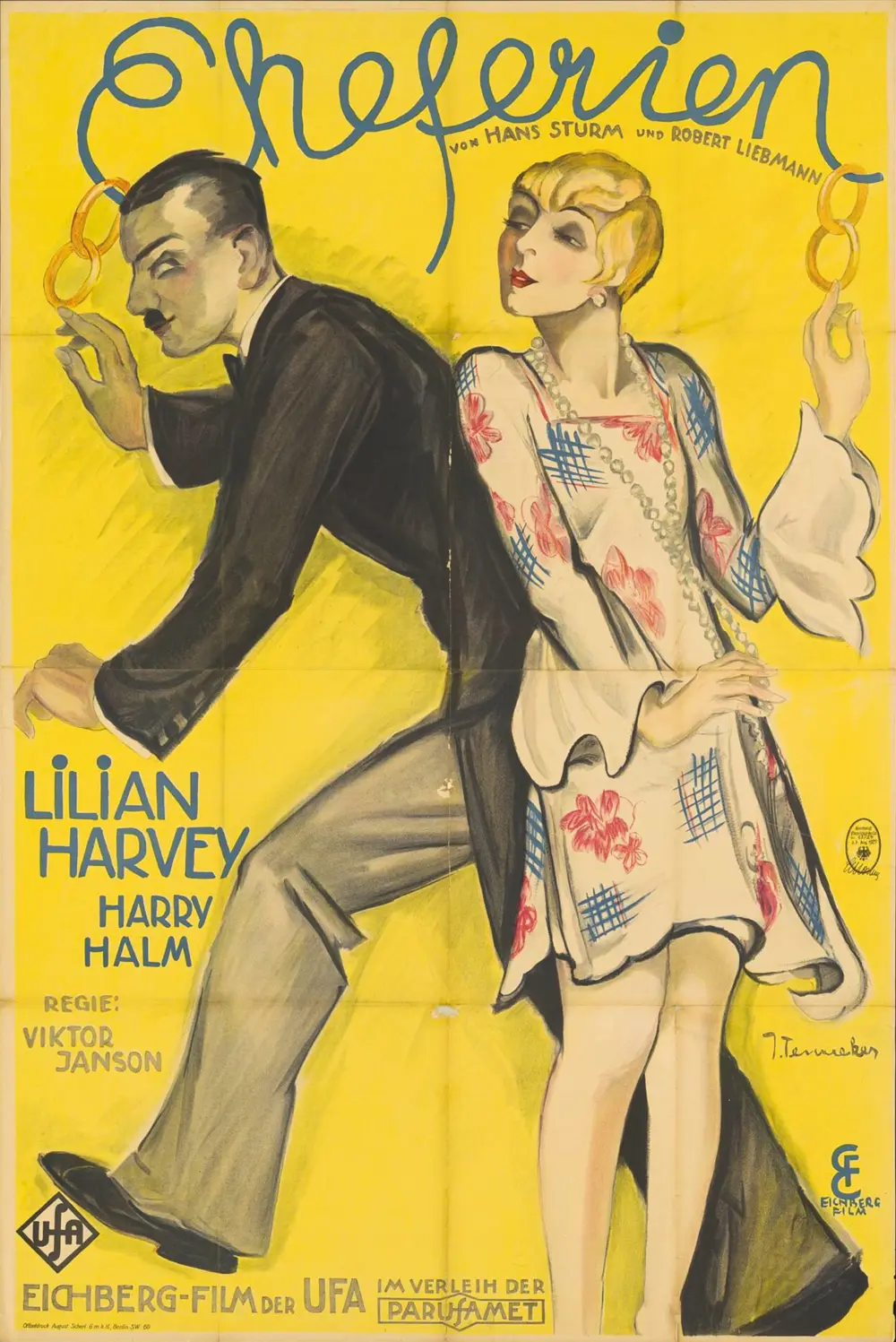
Lilian Harvey plays Kitty, and she has this very 1930s energy. She flutters around and makes big eyes at the camera constantly.
Then there is Laurence Olivier. He looks so young it’s almost distracting.
He hasn't quite figured out his 'serious actor' voice yet, so he just sounds like a regular guy who is slightly annoyed by everything. It’s a lot different from the heavy stuff you see in Paid from the same era.
The movie gets really weird once the trial starts. Kitty is standing there being accused of killing her husband, and she has to act like she’s a grieving widow while knowing he’s probably just hiding in a closet somewhere.
There is a specific moment in the courtroom where a witness describes the 'struggle' in the water. The way the actors react is so over-the-top it becomes actually funny for the wrong reasons.
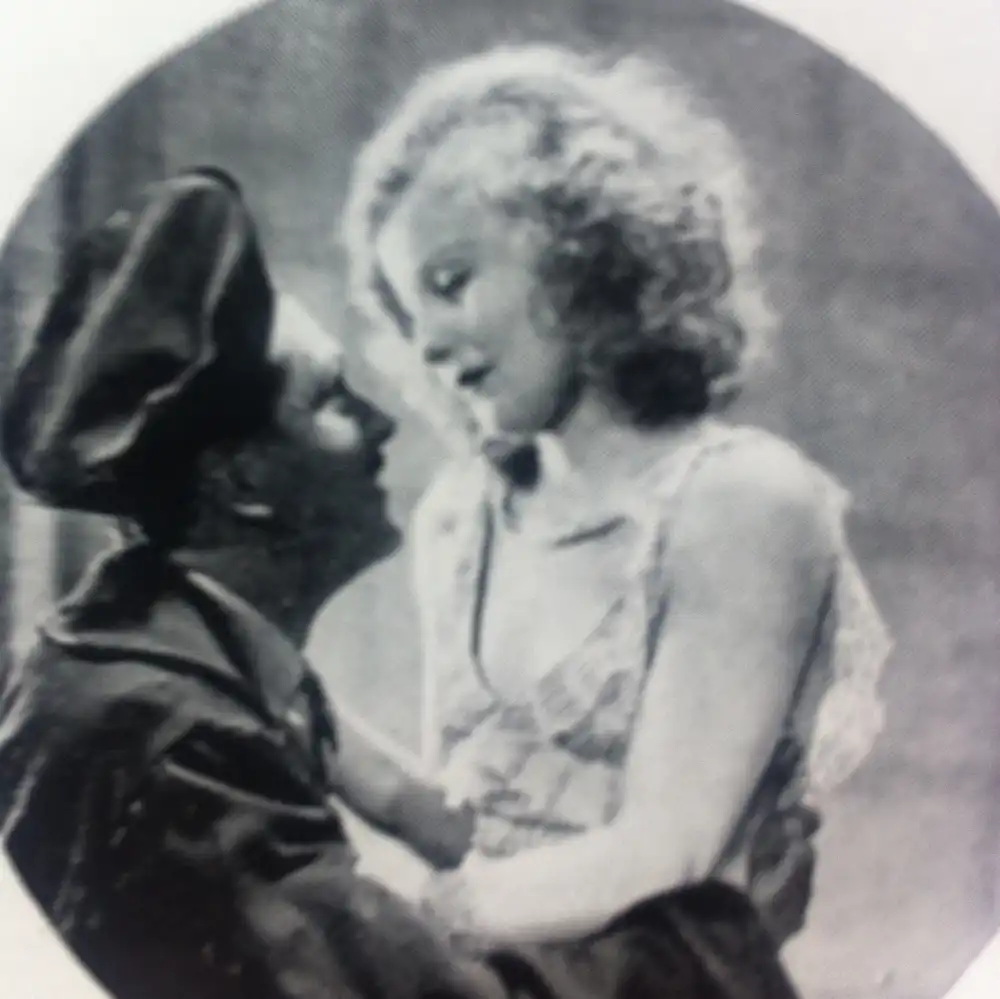
I noticed the sets are very... flat? Like, you can tell exactly where the painted backdrop ends and the real floor begins.
It reminds me of the stagey feel in The Gold Rush, but without the genius physical comedy to distract you from the cheap walls. Still, there’s a cozy feeling to it.
One thing that really stuck with me was the way the art critics were portrayed. They are all these stuffy men with ridiculous facial hair who suddenly think Peter is a genius the moment they think he’s fish food.
It’s a bit of a jab at the 'experts' that still feels pretty accurate today. People love a good tragedy more than they love good art.
The dialogue is a bit clunky in spots. Sometimes a character will say something, and then there’s this long silence while the microphone catches up.
I think I saw a fly land on one of the paintings during a close-up, but I might have just imagined it because I was getting sleepy. The movie does have a few moments that drag, especially when they focus on the legal jargon.
It’s not a masterpiece, and it’s definitely not going to change your life. But as a weird little time capsule, it’s fun to see how they handled 'dark comedy' back then.
I’ve seen worse ways to spend eighty minutes. It’s better than The Painted Lie, which tries to do the 'fake art' thing but takes itself way too seriously.
This one knows it’s a bit of a joke. It’s clumsy and the audio is crunchy, but it’s got heart.
If you’re a fan of early cinema history, you should probably tick this one off your list just for the Olivier factor. Just don't expect him to start reciting Shakespeare in the middle of the courtroom.
He’s just a guy who wants to sell a painting and maybe get a decent meal. And honestly, who can't relate to that?
IMDb 4.9
1933
Community
Log in to comment.