DbcultAccessing Vault...
Cult Review
Senior Film Conservator
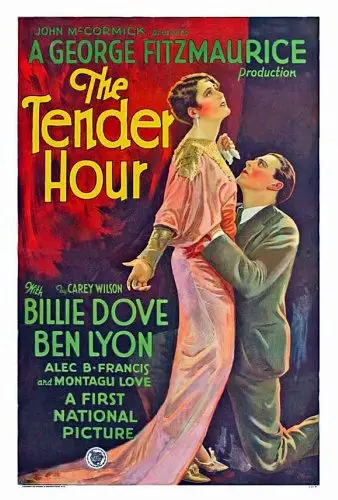
Can a film from 1927 still resonate in an era of digital cynicism? Short answer: yes, but only if you are willing to look past the theatricality of the era to the raw human manipulation beneath. This film is for the romantic who finds beauty in tragedy and the historian who enjoys the social critiques of the roaring twenties; it is decidedly not for anyone who requires fast-paced action or modern narrative subversion.
The Tender Hour is a fascinating, if sometimes plodding, example of late-silent cinema that prioritizes atmosphere and emotional stakes over complex plotting. It captures a specific moment in American culture where the new wealth of the West desperately sought the validation of Old World titles, regardless of the cost to the individuals involved.
1) This film works because: Billie Dove delivers a hauntingly restrained performance that elevates what could have been a standard melodrama into a poignant character study of a woman in mourning.
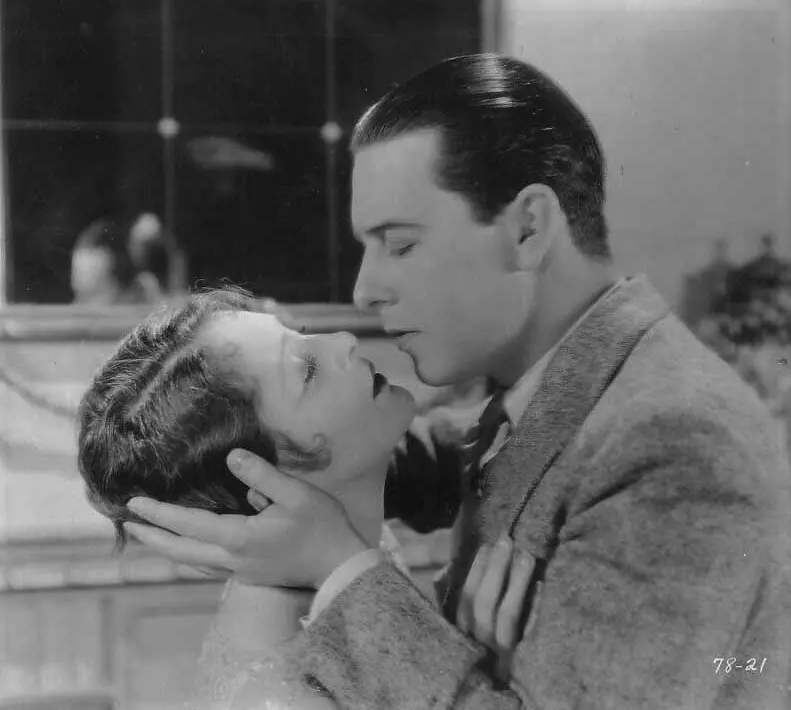
2) This film fails because: The pacing in the second act becomes stagnant, relying too heavily on repetitive intertitles and predictable misunderstandings that frustrate a modern viewer.
3) You should watch it if: You appreciate the visual artistry of the silent era and want to see a rare, nuanced portrayal of the tension between American industrialism and European aristocracy.
The plot of The Tender Hour is built on a foundation of deception. Marcia Kane is not just a protagonist; she is a victim of a corporate-style merger orchestrated by her father. The film spends a significant amount of time establishing the power dynamic between the Kane patriarch and his daughter. He doesn't just want her happy; he wants her elevated.
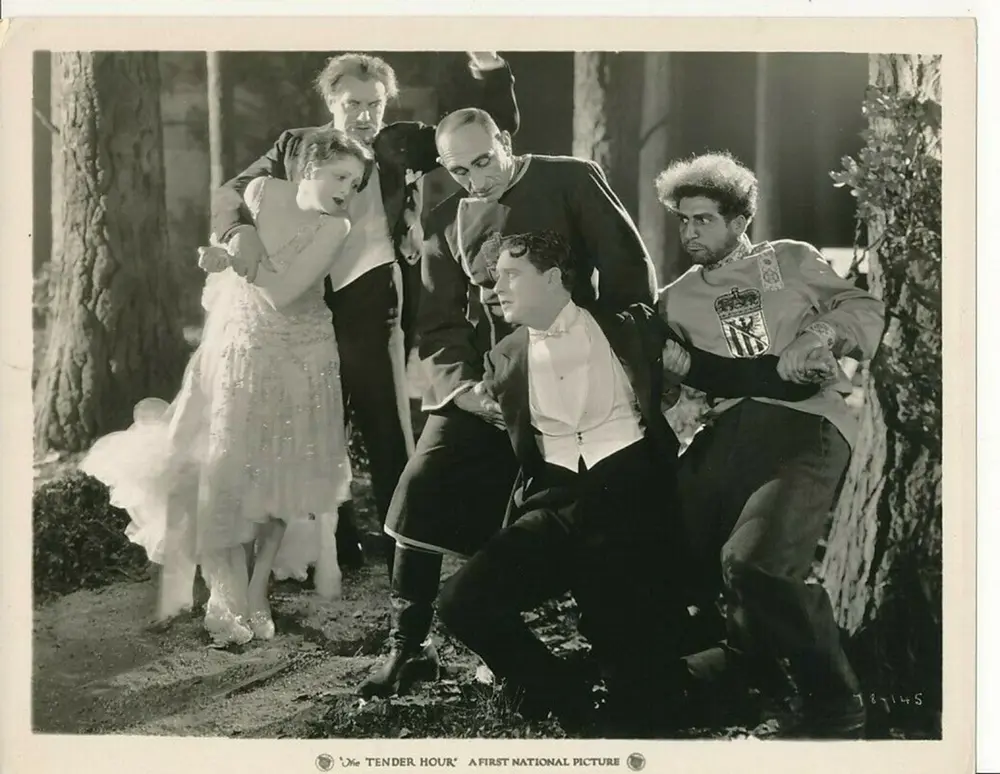
When Marcia is told that Wally is dead, the film doesn't rush to the reveal. Instead, it lingers on her isolation. This is where the film finds its strength. Unlike some other films of the period, such as The Common Law, which focuses more on the scandal of the situation, The Tender Hour focuses on the internal erosion of Marcia’s spirit. The lie is the villain here, more so than the Grand Duke himself.
The Duke, played with a slippery, decadent charm by Montagu Love, is a man out of time. He represents the decay of the old world. He is an expatriate who has lost his land but kept his arrogance. The contrast between his fading glory and the Kanes' rising wealth is a recurring visual motif that director George Fitzmaurice handles with surprising subtlety.
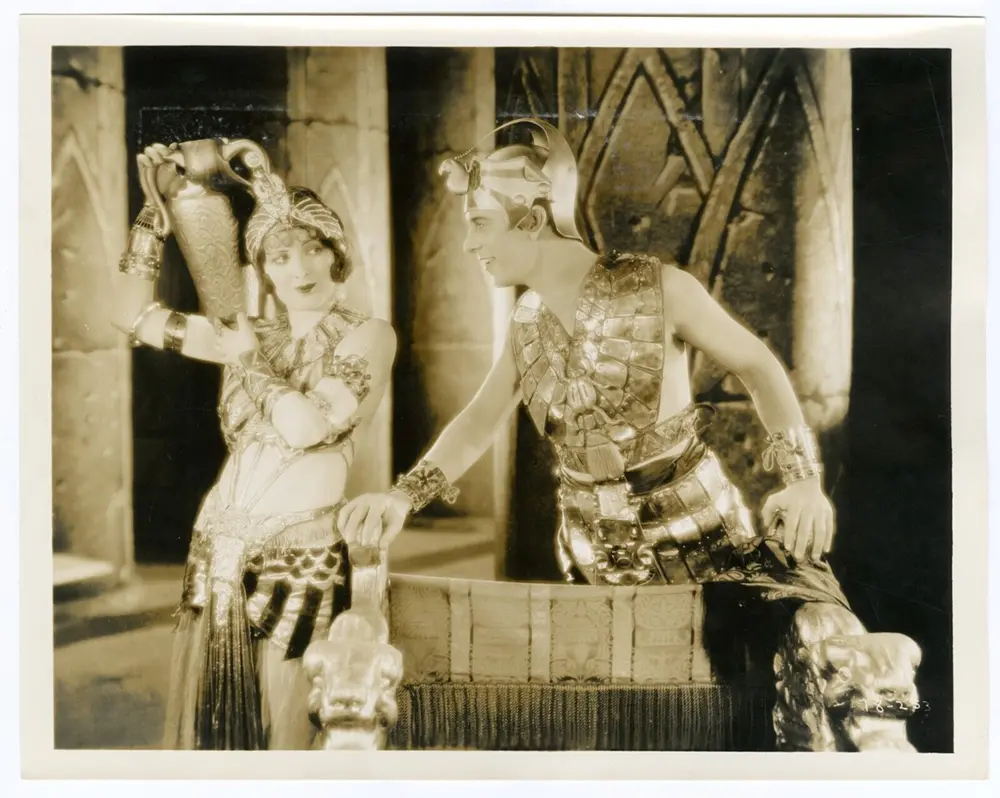
Billie Dove is the heartbeat of this production. In a scene midway through the film where she first encounters the Grand Duke at a formal dinner, her eyes convey a profound sense of emptiness. She isn't just playing 'sad'; she is playing 'erased.' It is a masterclass in silent acting that avoids the frantic gesturing common in earlier films like The Prince and the Pauper.
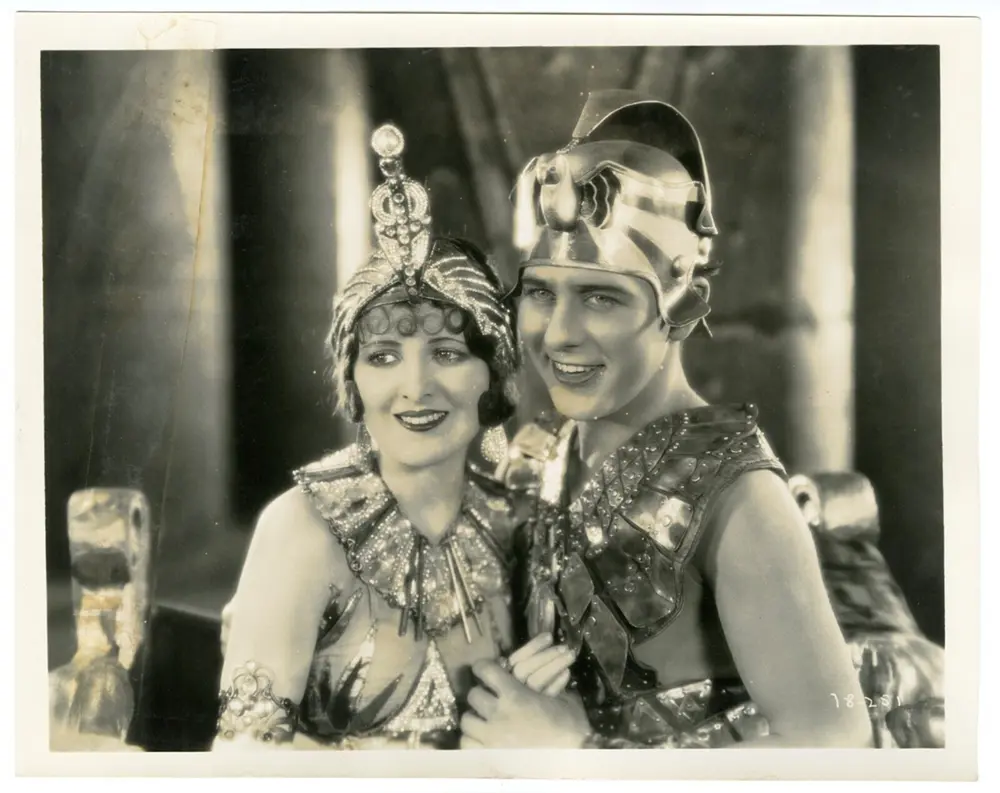
Her chemistry with Ben Lyon, who plays the 'dead' lover Wally, is established in brief, sun-drenched flashbacks. These moments are essential because they provide the only warmth in an otherwise cold, transactional world. When Wally finally reappears, the shock on Dove’s face isn't just surprise—it’s the realization that her entire life since his 'death' has been a fraudulent construction. It’s a brutal moment. It works. But it’s flawed by the speed at which the resolution follows.
The supporting cast, particularly Anders Randolf as the father, provides a necessary weight. Randolf plays the father not as a mustache-twirling villain, but as a man who genuinely believes he is doing what is best for the family brand. This makes his betrayal of Marcia even more chilling. It’s a performance that feels uncomfortably modern.
George Fitzmaurice was known for his visual flair, and The Tender Hour is no exception. The cinematography uses light as a weapon. The scenes involving the Kanes are often brightly lit, sterile, and expansive, reflecting their newfound wealth. In contrast, the Grand Duke’s world is filled with shadows and cluttered with the relics of a dead empire.
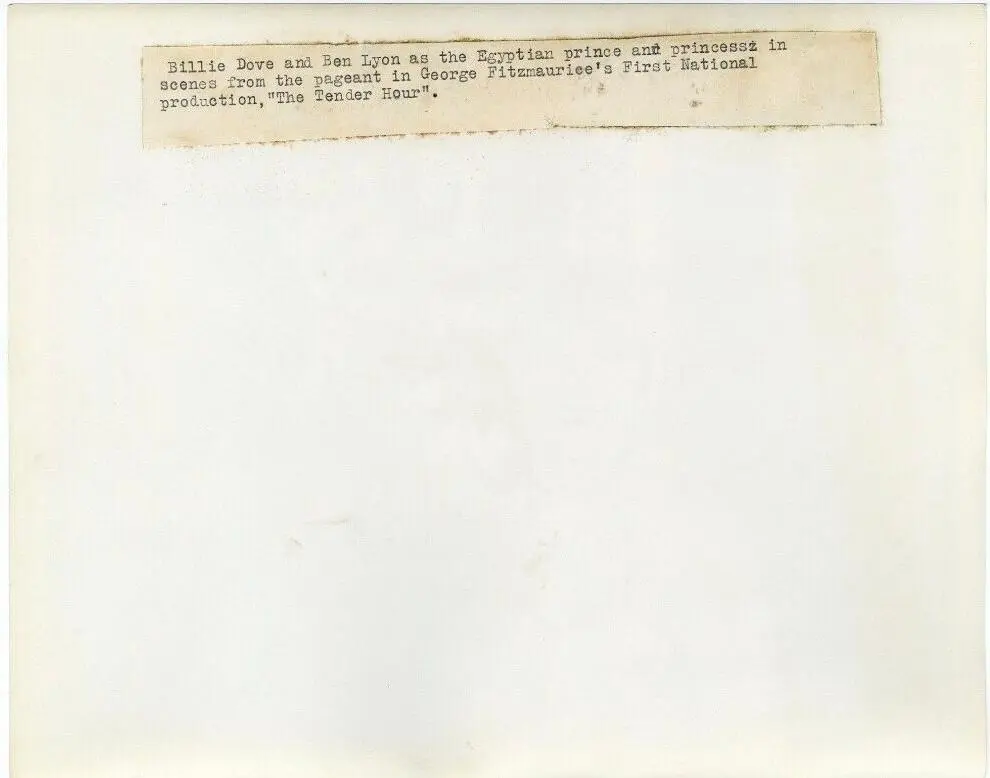
One standout moment is the wedding sequence. The framing is intentionally claustrophobic. Despite being in a grand cathedral, Marcia looks like she is being buried alive. The use of long shots to emphasize her smallness against the massive architecture is a brilliant directorial choice. It reminds one of the visual scale found in The Ace of Cads, yet here it feels more intimate and tragic.
However, Fitzmaurice struggles with the transition between drama and the occasional attempts at levity. The pacing suffers during the middle section where the film seems to spin its wheels, waiting for the inevitable confrontation between Wally and the Duke. A tighter edit would have made this a classic; as it stands, it is a very beautiful, very slow experience.
Yes, The Tender Hour is worth watching if you are a student of cinematic history or an admirer of Billie Dove. It offers a unique window into the 1920s fascination with European nobility and the moral compromises of the American elite. While the plot relies on tropes that feel dated today, the emotional core remains surprisingly relevant. It is a visual feast that rewards patient viewers with a deep, albeit tragic, character study.
Pros:
- Exquisite cinematography and set design that perfectly contrast two different worlds.
- A strong, grounded performance by Billie Dove that avoids silent film clichés.
- A compelling critique of how capitalism can commodify family and love.
Cons:
- The central 'misunderstanding' is stretched out for far too long.
- Some of the supporting characters feel like caricatures rather than people.
- The ending feels somewhat rushed compared to the slow build-up of the rest of the film.
The Tender Hour is a film of immense beauty and frustrating stillness. It captures the tragedy of a woman whose life is treated as a bargaining chip, and while it doesn't reinvent the genre, it executes its themes with a level of visual sophistication that was rare for its time. It is a relic of a bygone era that still has something to say about the price of ambition. It’s not a masterpiece, but it is a significant work that deserves more recognition than it currently receives. Watch it for the eyes of Billie Dove; they tell a story better than any dialogue ever could.
IMDb —
1919
Community
Log in to comment.