DbcultAccessing Vault...
6.7/10
Senior Film Conservator
A definitive 6.7/10 rating for a film that redefined the boundaries of cult cinema. The Thaw remains a cornerstone of transgressive art.
“The Thaw” isn't a film you stumble upon by accident, especially not today. If you're a student of early Soviet cinema, or just really into the deep cuts of social realism from the 1920s, then yeah, give it a shot. Everyone else? Probably a hard pass. It's a look at peasant life and class friction that feels both important for its time and very much a product of it. It’s got a specific kind of intensity, one that asks you to settle in.
The whole thing is basically about the poor farmers trying to get by against the slightly richer ones, the kulaks, back in the late 1920s. Think bare fields, hard work, and a whole lot of unspoken tension.
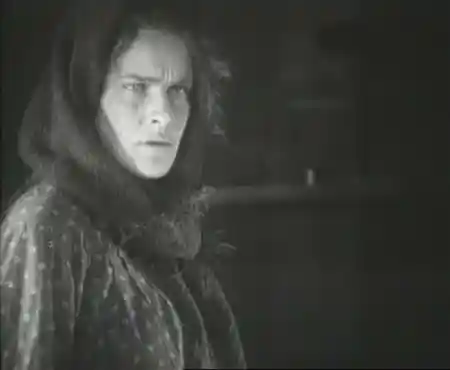
One of the first things that really grabbed me was how the film lingers on faces. Not in a soft, artsy way, but almost like a documentary. The camera just hangs there on the worn lines of the older women, every crease telling a story of hardship. You don't need dialogue to understand their struggle; it's all right there.
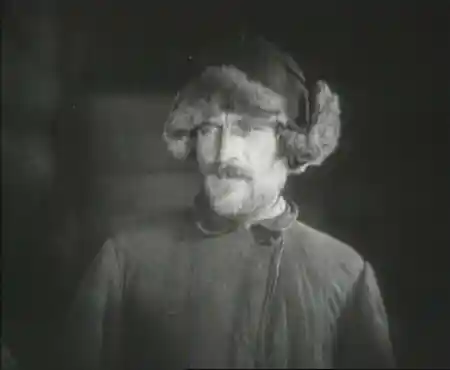
There's this one scene, I remember, where a kulak, played by Sergey Pryanishnikov, just stands blocking the path to the village well. No words exchanged, just his shadow. It’s a simple image, but the weight of his presence, the quiet intimidation, is palpable. You just want to push him aside. 😠
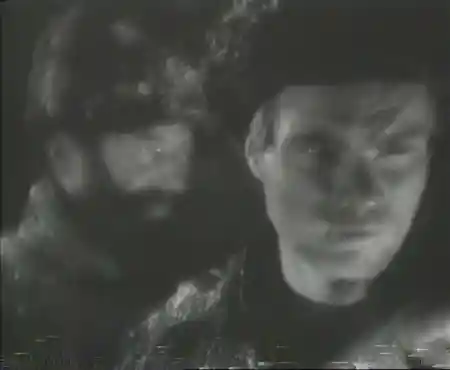
Andrey Martynov, as one of the lead peasants, has this amazing way of conveying so much with just his eyes. When he stares at his empty grain bin, you feel the knot in his stomach. It’s not about grand speeches; it’s about that quiet, desperate resolve.
The crowd scenes, too, have this odd energy. They're not chaotic, but you feel the undercurrents, the whispers, the simmering resentment. When the villagers gather for a meeting, you can almost taste the desperation in the air. Even if you know where the argument is headed, the raw emotion feels… present.
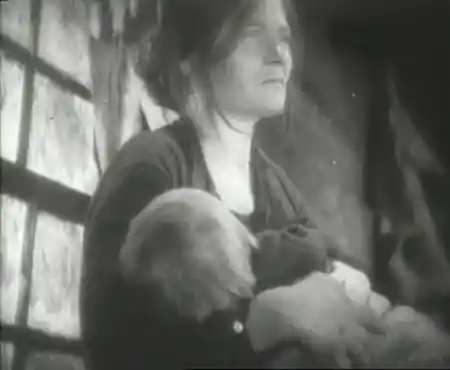
The pacing, well, it’s definitely not for modern attention spans. It’s slow, deliberate. Sometimes a scene goes on about 20 seconds too long, and the silence starts to feel awkward rather than emotional, but then it snaps back. It’s part of its charm, I guess, or maybe just how they made movies then.
I found myself really noticing the small details. Like, there’s this one shot of bare feet trudging through mud. Just bare feet. It stuck with me. Or the way the tools are handled – every movement feels heavy, purposeful. You can almost feel the cold steel and rough wood.
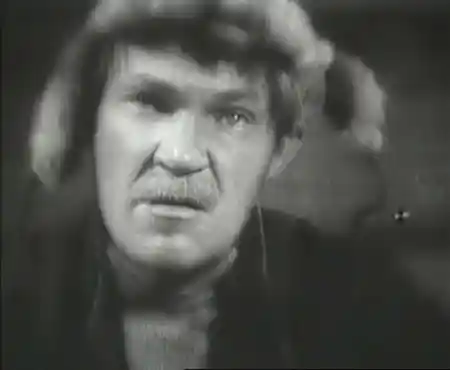
Elena Anufrieva brings a certain quiet strength to her role. She doesn't have many big moments, but her reactions, her way of holding herself, speaks volumes. You see her character trying to keep things together, even when everything is falling apart around her.
The movie doesn't really bother with complex personal dramas. It's all about the collective, about the land, about food. It's a stark reminder that some stories aren't about individual triumphs or tragedies, but about the bigger fight. The human element is there, but it's always tied to the struggle.
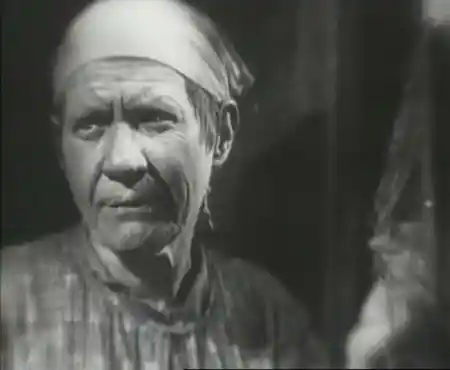
When the idea of a collective farm gets introduced, it’s almost like a sudden shift in the light. One moment, it’s all hardship and individual struggle; the next, there’s this *hopeful* (if a bit propagandistic) vision. The contrast is pretty sharp. It’s a clear message, delivered without much subtlety, but that’s kind of expected for the time, right?
“The Thaw” is not easy viewing, but it offers a unique window into a specific historical moment. It’s imperfect, a little clunky at times, but it has this raw, earthy honesty. If you can appreciate that, if you're willing to meet it on its own terms, then there's something genuinely compelling here. It feels like someone just pointed a camera at a slice of life, even if that slice was carefully chosen. A real snapshot. 📸
IMDb 6.4
1931
Community
Log in to comment.