DbcultAccessing Vault...
6.6/10
Senior Film Conservator
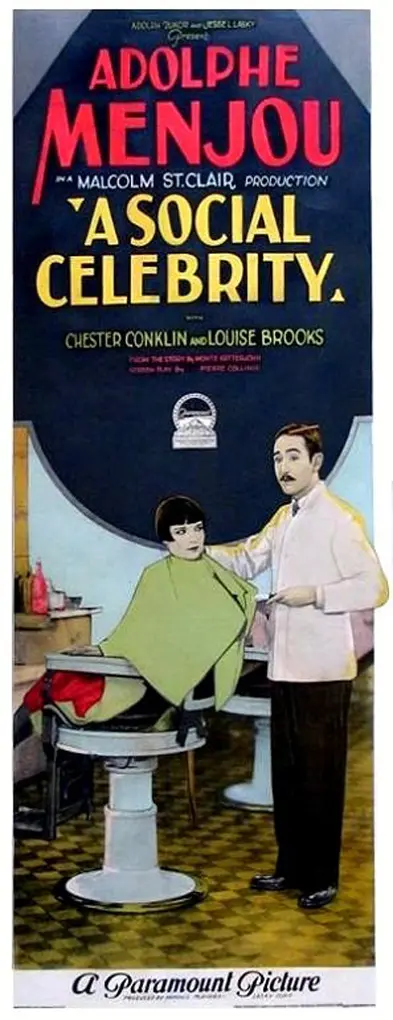
A definitive 6.6/10 rating for a film that redefined the boundaries of cult cinema. A Social Celebrity remains a cornerstone of transgressive art.
Is A Social Celebrity worth watching today? Short answer: Yes, but primarily for those who appreciate the nuanced social satire of the silent era rather than modern high-octane comedy. This film is a must-see for fans of Adolphe Menjou’s sophisticated persona and Louise Brooks’ early screen presence, but it will likely frustrate viewers who demand a fast-paced plot or a high-stakes resolution.
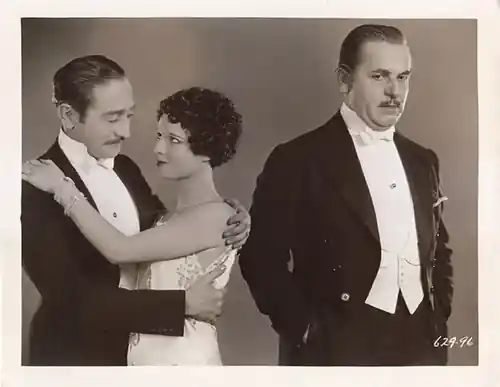
1) This film works because Adolphe Menjou’s 'Count' is a masterclass in physical comedy that relies on restraint and subtle facial expressions rather than broad, chaotic slapstick.
2) This film fails because the final act retreats into a safe, predictable 'home sweet home' moral that undermines the sharp cynicism of the previous hour.
3) You should watch it if you enjoy early 20th-century explorations of the 'American Dream' and the performative nature of social class.

In 1926, the concept of social mobility was often treated as a fairytale, but A Social Celebrity treats it as a costume party. Max Haber, played with a delightful mixture of anxiety and arrogance by Adolphe Menjou, is not a man who wants to change his soul; he just wants to change his suit. The film opens in a small-town barbershop that feels like a relic even for its time. His father, Johann, represents the old world—hard work, tradition, and a lack of imagination. Max, however, represents the burgeoning modern ego. He doesn’t just cut hair; he styles it with the precision of a sculptor.
The transition from the dusty barbershop to the marble halls of New York is handled with a cynical eye by director Malcolm St. Clair. Unlike other films of the period, such as The Perfect Flapper, which often celebrated the glitz of the era, A Social Celebrity highlights the absurdity of it. When Max is transformed into a French Count, the film suggests that the difference between a servant and a nobleman is nothing more than a well-tailored tuxedo and a fake accent. This is a recurring theme in silent cinema, echoing the class anxieties found in works like Miss Nobody.
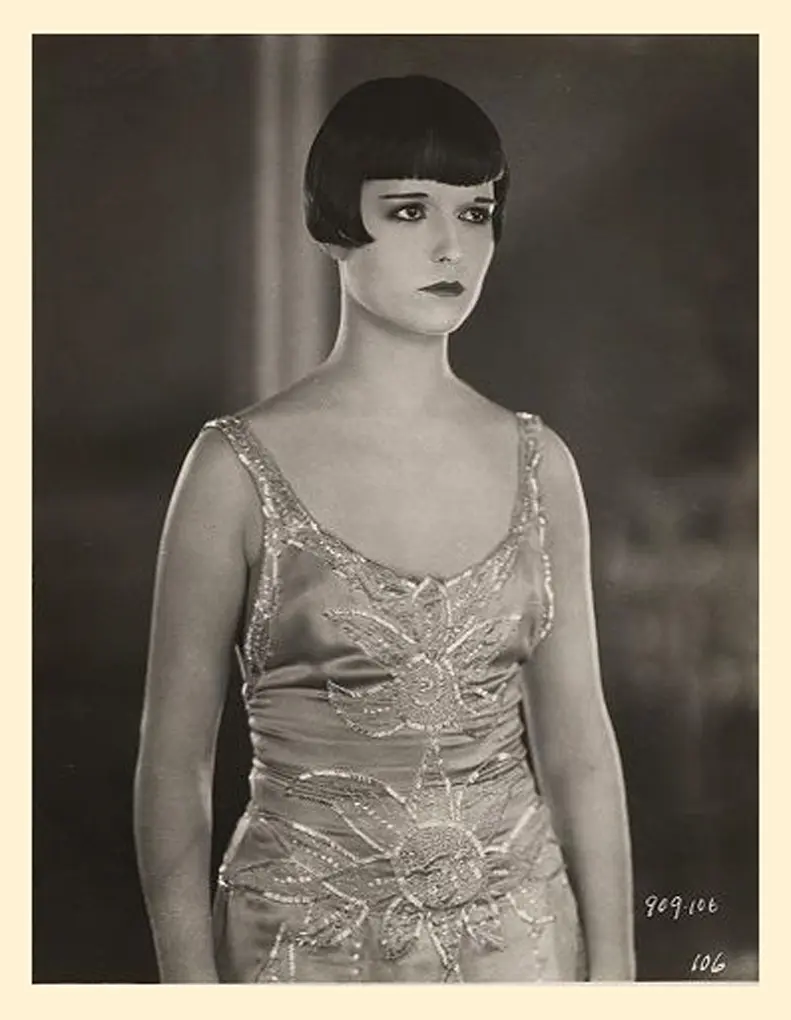
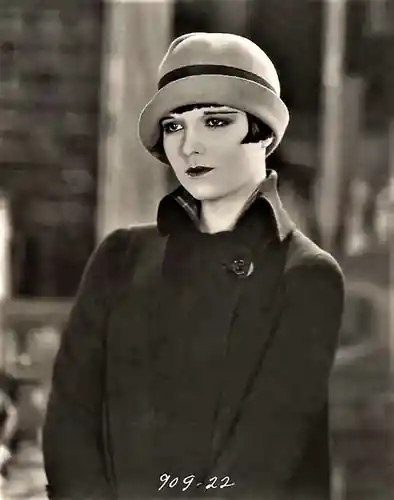
While Menjou is the lead, Louise Brooks as Kitty Laverne is the film’s heartbeat. This was early in her career, yet she already possessed that magnetic, modern energy that would eventually make her a global icon. As the manicurist who wants to be a dancer, she represents the female counterpart to Max’s ambition. However, where Max is willing to lie to get ahead, Kitty is willing to work. Her departure for New York is the catalyst for the entire plot, and her eventual exposure of Max at the nightclub is the film’s most pivotal moment.
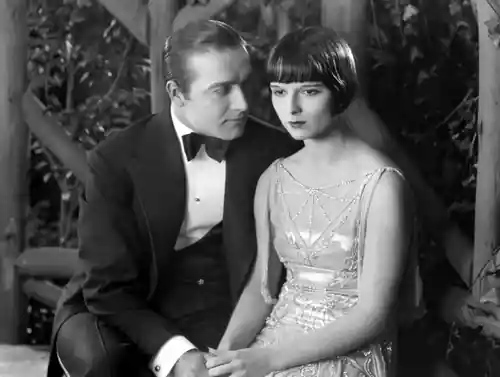
The nightclub scene is a masterclass in tension. Max is at the height of his social powers, surrounded by the elite, including the lovely April. When Kitty appears, the contrast is jarring. She doesn't out him out of malice, but out of a refusal to participate in his lie. It’s a moment of brutal honesty that cuts through the artifice of the high-society setting. One might compare this social unmasking to the dramatic revelations in Scandal, though here it is played for both pathos and irony. Brooks’ performance is sharp, punchy, and utterly devoid of the overacting common in the mid-20s.
Is A Social Celebrity worth watching in the modern age?
Yes, because it serves as a fascinating time capsule of 1920s class anxiety. It captures a moment when the 'American Dream' was beginning to look more like a marketing campaign than a reality. The film is technically proficient, with clean cinematography and a script that benefits from the wit of Robert Benchley. While it may not have the emotional depth of Lady Hamilton, it offers a more relatable, grounded critique of how we present ourselves to the world.
One cannot discuss this film without mentioning the writing team, which included the legendary Robert Benchley. The title cards in A Social Celebrity are notably sharper than those in contemporary comedies like Percy. There is a dry, observational quality to the humor. For example, when Max is first introduced to the socialites, the dialogue cards don't just convey information; they mock the very people they are describing. The film is a comedy, but it’s a cold one.
The pacing of the film is generally excellent, though it stumbles in the middle act as Max navigates his various romantic entanglements. The subplot involving April feels a bit thin, serving more as a plot device to test Max's loyalty than a fully realized relationship. However, the scenes in the barbershop, particularly Max’s interactions with his father (played by the reliably funny Chester Conklin), provide a necessary emotional anchor. They remind the audience that Max is a man of talent, even if he is currently a man of lies.
Pros:
Cons:
Technically, the film is a standard-bearer for Paramount’s house style of the mid-20s. The lighting used on Louise Brooks is particularly noteworthy; it emphasizes her iconic bob and sharp features, creating a silhouette that would define the decade. The contrast between the 'antiquated' barbershop of Johann Haber and the sleek, Art Deco-inflected interiors of New York tells the story as much as the actors do. It’s a visual representation of the gap between generations—a theme also explored in Jes' Call Me Jim.
The directing by Malcolm St. Clair is invisible in the best way. He allows the actors to inhabit the space without flashy camera movements, focusing instead on the geometry of the scenes. When Max is being fitted for his new life, the camera stays at a respectful distance, emphasizing his isolation within his own lie. It’s a subtle touch that elevates the film above standard slapstick fare like Battling Mason.
A Social Celebrity is a sharp, albeit safe, comedy of manners. It survives on the strength of its leads and a few genuinely clever observations about the performative nature of the upper class. It’s a costume drama where the costumes are the villains. Max Haber is a liar, but the socialites who embrace him are worse; they only value him for the title they think he holds. While the ending is a bit of a letdown, the journey through the vanity of New York is well worth the ride. It works. But it’s flawed. It remains a fascinating look at the masks we wear to find a place in the world.

IMDb —
1931
Community
Log in to comment.