DbcultAccessing Vault...
Cult Review
Senior Film Conservator
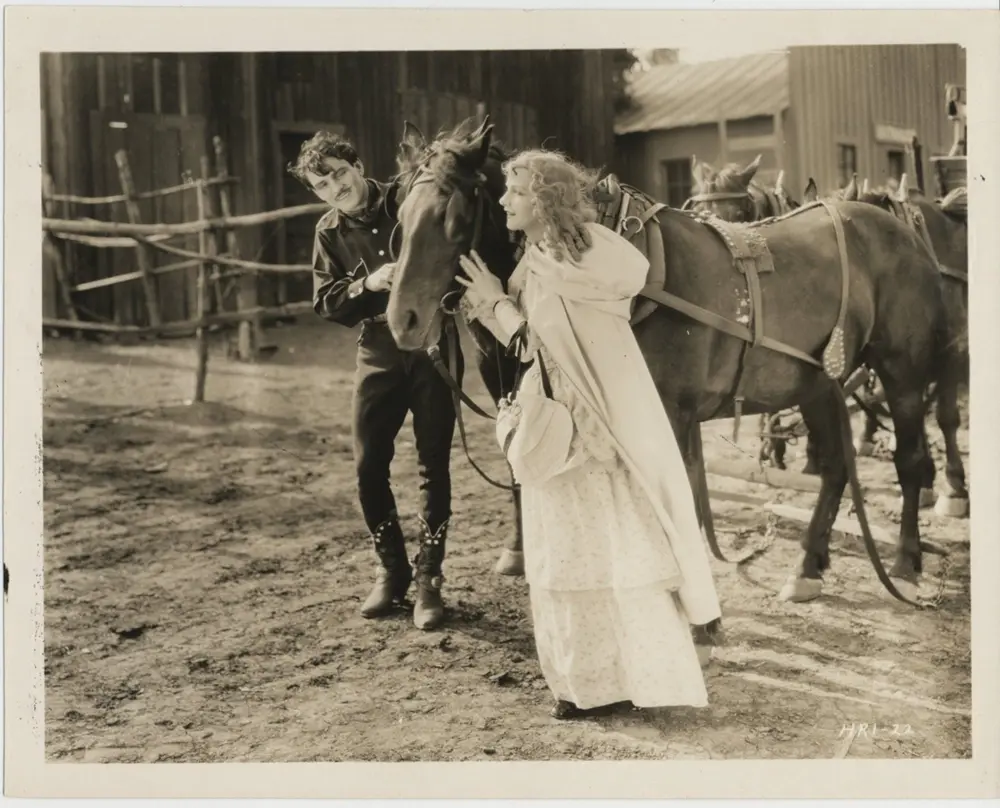
Is this film worth your time in the modern era? Short answer: Yes, but only if you appreciate the raw, unpolished kinetic energy of late-period silent cinema.
This is a film for the preservationists and the atmospheric junkies; it is most certainly not for those who demand the fast-cutting logic of contemporary blockbusters.
This film works because the environmental storytelling transforms the setting from a mere location into a malevolent antagonist that breathes down the characters' necks.
This film fails because the middle act suffers from the repetitive 'damsel in distress' loops that plagued many Isadore Bernstein scripts of the era.
You should watch it if you want to see Anita Garvin break away from her comedic roots and deliver a performance of genuine, grounded vulnerability.
Watching The Valley of Hell today feels like excavating a fossil that still has a heartbeat. It is worth watching because it captures a specific moment in 1927 when the Western genre was moving away from the Victorian morality of The Wild Olive and toward something more cynical. The film manages to make the silence feel heavy. You can almost feel the grit in your teeth. For anyone interested in how the 'Oater' evolved into the psychological Western, this is an essential bridge.
However, it demands patience. If you aren't prepared for the exaggerated physical grammar of silent acting, the emotional beats might feel alien. But if you lean into it, the payoff is substantial. It is a visual feast of shadow and dust.
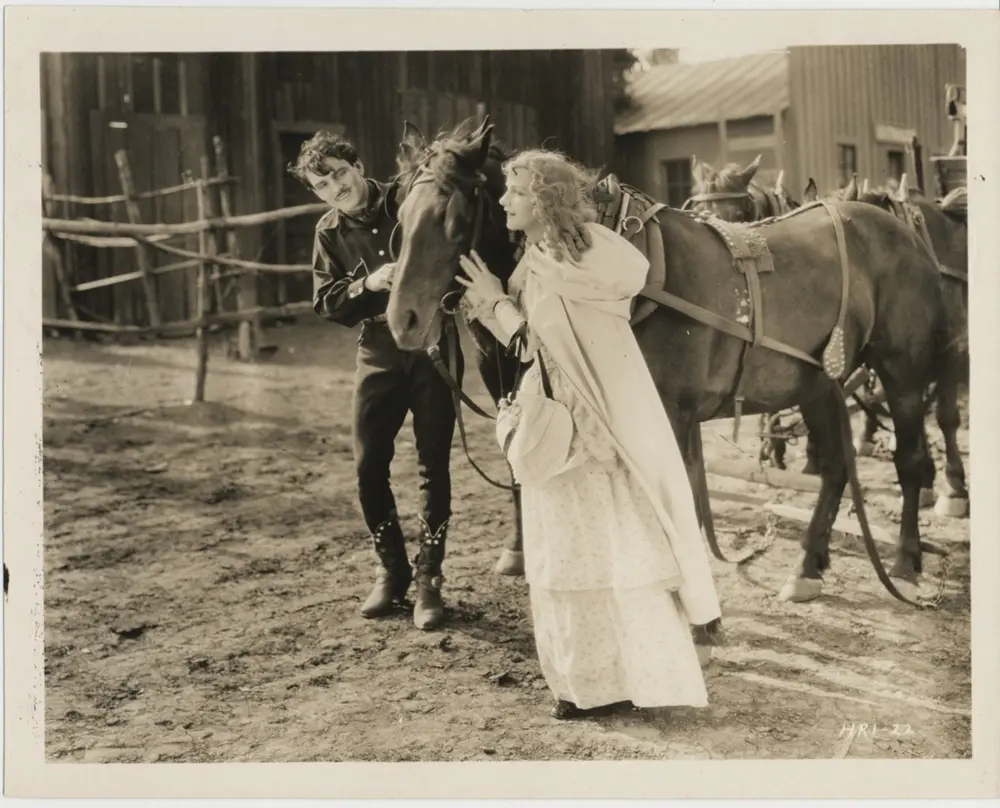
The direction in The Valley of Hell is surprisingly sophisticated for a 'B-unit' production. While it lacks the high-art pretension of The Merchant of Venice, it compensates with a brutalist approach to cinematography. The cameras are often placed low to the ground, making the rocky outcrops of the valley look like jagged teeth. This isn't the majestic West of John Ford; it’s a graveyard with better lighting.
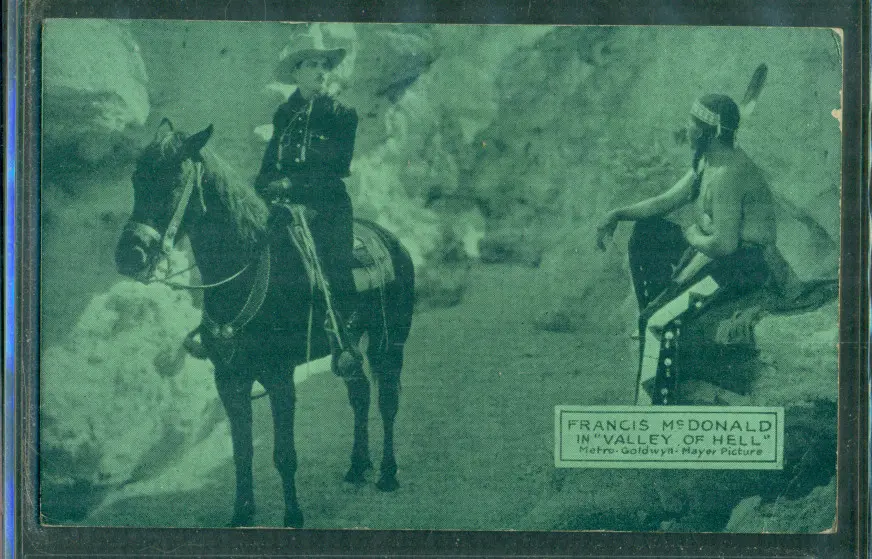
Take, for example, the sequence where Francis McDonald’s character first surveys the mining camp. The way the shadows stretch across the canyon floor doesn't just look cool—it signals the encroaching darkness of his character's soul. It’s a technique we see mirrored in other dark silents like The Brand of Satan, where the environment reflects the internal rot of the protagonist.
The pacing is where the film shows its age. There are moments where the plot halts for long, lingering shots of the horizon. In 1927, this was epic. In 2024, it’s a test of endurance. Yet, there is a strange beauty in that slowness. It forces you to look at the details: the sweat on Edna Murphy’s brow, the way William Steele sits on a horse with a weary, slumped posture that tells you everything about his character's history without a single line of dialogue.
Anita Garvin is the surprise MVP here. Most modern audiences know her as the formidable foil to Laurel and Hardy, but here she displays a dramatic range that was rarely tapped. She doesn't just play a role; she occupies a space. When she enters a scene, the temperature of the film seems to drop. It’s a stark contrast to the more theatrical style seen in The Way of a Girl.
Francis McDonald, on the other hand, is a masterclass in the silent-era villain. He doesn't need to twirl a mustache. He uses his eyes. There is a specific scene involving a disputed map where McDonald’s subtle sneer does more work than five minutes of exposition. He is the blueprint for the modern Western antagonist—quiet, calculating, and utterly ruthless.
The chemistry between the leads is functional, if not electric. Joseph Bennett provides a solid, if somewhat generic, hero. He lacks the charismatic spark found in The Smilin' Kid, but he serves the story’s needs. He is the 'everyman' thrown into an extraordinary hellscape, and his struggle feels authentic because of his physical commitment to the stunts.
Isadore Bernstein was a workhorse of the silent era, and his script for The Valley of Hell is a fascinating study in genre tropes. On one hand, the dialogue cards are punchy and avoid the purple prose common in films like The Beautiful Lie. On the other hand, the plotting is incredibly linear. There are no subplots to distract you; it is a straight shot from point A to a violent point B.
This simplicity is both a strength and a weakness. It makes the film easy to follow, but it also makes it predictable. You know exactly who is going to die by the end of the first reel. The 'unconventional' element is the ending, which refuses to provide a clean, happy resolution. It’s a bitter victory, leaving the survivors scarred and the 'Hell' of the valley intact. This cynicism is what separates it from fluff like Good Morning, Nurse.
The cinematography deserves its own section. The use of natural light is aggressive. You can see the harshness of the midday sun washing out the frames, which, while perhaps a technical limitation of the time, adds to the theme of exposure and vulnerability. It creates a sense of 'bleached' reality that feels more honest than the studio-lit Westerns of the 1940s.
The editing is rhythmic. During the climactic shootout, the cuts become shorter, mimicking the heartbeat of a person under fire. It’s a proto-action style that Bernstein likely honed on projects like The Untamed. It’s effective. It works. But it’s flawed by a few jarring transitions that suggest some footage may have been lost or poorly spliced in surviving prints.
Pros:
- Visually arresting use of natural landscapes.
- A standout performance by Francis McDonald as the icy villain.
- A refreshing lack of sentimentality compared to other films like Umanità.
- Strong, clear visual storytelling that transcends the need for title cards.
Cons:
- The plot is paper-thin and follows a very predictable path.
- Some surviving prints are in poor condition, making certain night scenes hard to parse.
- The female lead is often relegated to a passive observer.
One surprising observation: The Valley of Hell is weirdly obsessed with the physical toll of the West. Characters aren't just 'tired'; they look broken. There is a scene where Edna Murphy’s character has to drink from a muddy puddle, and the desperation in her movements is jarringly real. It lacks the 'movie magic' cleanliness of something like The Traveling Salesman. This film wants you to feel the discomfort.
I'll take a stance here: This is a better film than the more famous Die Liebe einer Königin because it doesn't hide behind costumes and sets. It is naked filmmaking. It uses what it has—dirt, light, and faces—to tell a story of human greed. It’s a brutal, honest piece of work that doesn't care if you like the characters.
The Valley of Hell is a relic, but it’s a sharp one. It lacks the polish of a masterpiece, but it possesses a grit that many modern Westerns try to emulate and fail. It’s a film about the weight of the sun and the cost of gold. If you can handle the 1927 pacing, you’ll find a story that is surprisingly modern in its pessimism. It isn't a comfortable watch, but it is a necessary one for anyone who wants to understand the DNA of the American Western. It’s hot. It’s dusty. It’s mean. And that’s exactly why it still works.
"A silent crucible where the only thing cheaper than gold is human life."
IMDb 6.3
1935
Community
Log in to comment.