DbcultAccessing Vault...
6.8/10
Senior Film Conservator
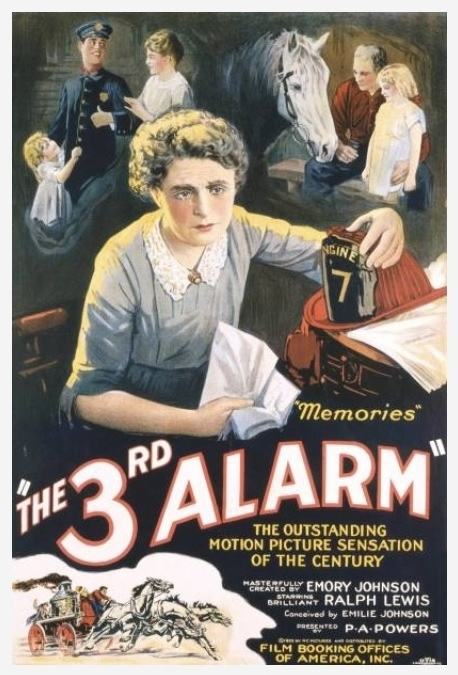
A definitive 6.8/10 rating for a film that redefined the boundaries of cult cinema. The Third Alarm remains a cornerstone of transgressive art.
The film opens with a sweeping shot of the firehouse, the clatter of hooves echoing against the stone walls. Dan McDowell, the seasoned fireman, is introduced as a quiet guardian of the equine brigade. The narrative swiftly pivots when the department announces its transition to motorized engines, a decision that threatens the very fabric of Dan's identity. The tension escalates as the beloved horses are sold, and Dan's attempts to master the new machinery falter, culminating in his reluctant retirement. The story, while rooted in a specific historical moment, resonates universally: the clash between tradition and progress, the erosion of a way of life, and the bittersweet acceptance of change.
Dan McDowell, portrayed with understated gravitas, embodies the quiet dignity of a man whose life is measured in the rhythm of hooves and the weight of responsibility. His silent determination is juxtaposed against the vibrant energy of the horse, Bullet, whose presence is both literal and symbolic. The supporting ensemble—Johnnie Walker’s stoic lieutenant, the ever‑optimistic Harry Tenbrook, and the compassionate Virginia True Boardman—provides a tapestry of personalities that enrich the narrative. Each actor navigates the silent medium with a keen sense of physicality, using gestures that convey depth without uttering a single line. The chemistry between the cast is palpable, a testament to the director’s skill in coaxing nuanced performances from a generation of performers accustomed to the constraints of silent storytelling.
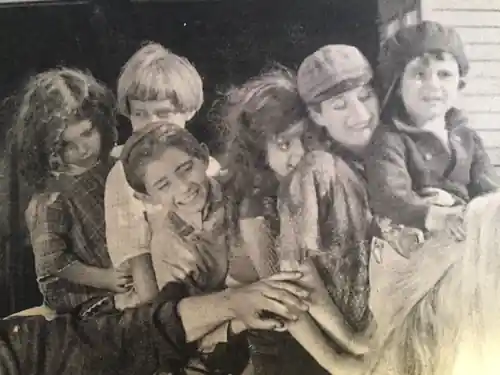
The film’s visual language is a masterclass in silent‑era cinematography. Director Emilie Johnson leverages chiaroscuro lighting to underscore the emotional stakes, casting elongated shadows across the firehouse’s interior to mirror Dan’s internal conflict. Camera movements are deliberate; a slow tracking shot follows the horses as they trot, creating a rhythmic heartbeat that punctuates the narrative. The use of close‑ups on Dan’s hands—trembling as he grips the reins—highlights the fragility of his situation. In contrast, wide shots of the new motorized fire engines, gleaming and imposing, serve as a visual metaphor for progress. The juxtaposition of these elements invites viewers into a world where every frame tells a story.
The transition from horse‑drawn to motorized fire engines in the early twentieth century was a seismic shift that reverberated across American society. 'The Third Alarm' captures this upheaval with a fidelity that feels almost documentary in nature. The film’s setting—a bustling city firehouse—mirrors the broader societal tensions between tradition and industrialization. By placing Dan at the center, the narrative humanizes this technological leap, reminding audiences that progress often comes at the cost of personal identity. The film’s release in 1920, a year marked by rapid modernization, positions it as a cultural artifact that reflects the anxieties of a generation navigating a rapidly changing world.
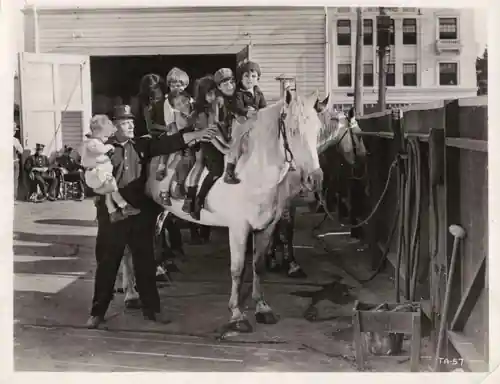
At its core, the film interrogates the cost of modernization. Dan’s struggle to adapt to the motorized engine is not merely a personal failing but a symbolic lament for the loss of communal bonds forged by shared labor. The horse, Bullet, becomes a living relic of a bygone era, a living metaphor for the intangible heritage that machines cannot replace. The film also delves into the theme of dignity in retirement—a narrative rarely explored in silent cinema. Dan’s acceptance of his new role as a mentor to younger firefighters underscores the possibility of finding purpose beyond one’s primary vocation.
The film’s emotional core lies in the quiet moments—Dan’s solitary walks along the firehouse corridor, his gentle patting of Bullet’s flank, the soft glow of the sunset filtering through the windows. These scenes, devoid of dialogue, rely on the audience’s empathy to fill the silence. The intertitles, though sparse, are meticulously crafted, offering poignant reflections that echo the film’s themes. The audience is invited to feel Dan’s nostalgia, his frustration, and ultimately, his serene acceptance. The film’s ability to evoke such a spectrum of emotions without spoken words is a testament to the power of visual storytelling.
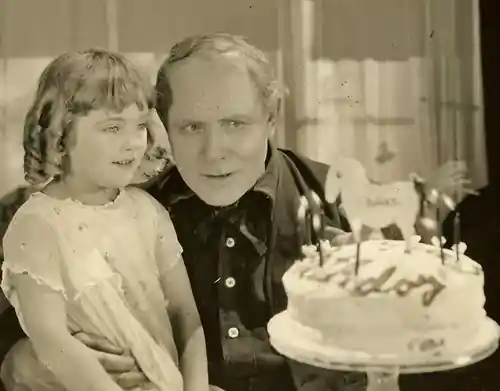
When measured against contemporaneous works such as The Red Lantern or Cops, 'The Third Alarm' stands out for its intimate focus on individual experience rather than grand spectacle. The film’s pacing mirrors that of A Waiting Maid, allowing the viewer to absorb the nuanced evolution of its characters. The subtle interplay between human and machine also echoes themes explored in Sunshine and Gold, though 'The Third Alarm' remains grounded in the gritty reality of a firehouse rather than the romanticized landscapes of its counterpart.
Johnson’s direction is restrained, allowing the narrative to breathe. The editing rhythm aligns with the heartbeat of the firehouse: quick cuts during emergency scenes, slow dissolves during reflective moments. The juxtaposition of static frames of the horses with fluid shots of the new engines emphasizes the thematic clash. The film’s pacing is deliberate, ensuring that each emotional beat lands with impact. Johnson’s subtle use of montage—showing the horses’ departure, the arrival of the trucks, and Dan’s resigned acceptance—creates a cohesive narrative thread.
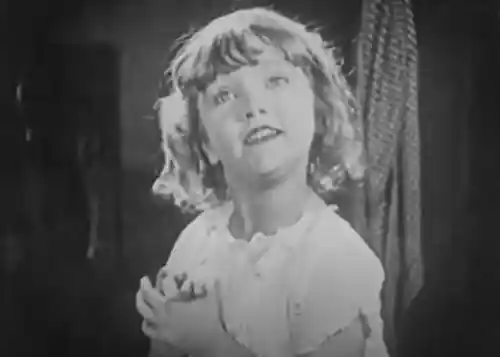
Though a silent film, the score, often played live during screenings, would have complemented the on‑screen action, underscoring the tension and melancholy. The intertitles, crafted with lyrical brevity, serve as narrative anchors. Their placement is strategic: they appear at moments of high emotional stakes, allowing the audience to process the unfolding drama. The interplay between visual cues and textual interjections demonstrates the silent era’s mastery of storytelling through multimodal communication.
'The Third Alarm' has influenced subsequent portrayals of firefighters in cinema, setting a precedent for character‑driven narratives that foreground personal sacrifice. Its depiction of the transition to motorized equipment can be seen echoed in later films such as The Unwelcome Mrs. Hatch and The Girl and the Crisis, where technological shifts drive character arcs. The film’s nuanced treatment of aging and retirement continues to resonate with modern audiences, reminding us that the human cost of progress is timeless.
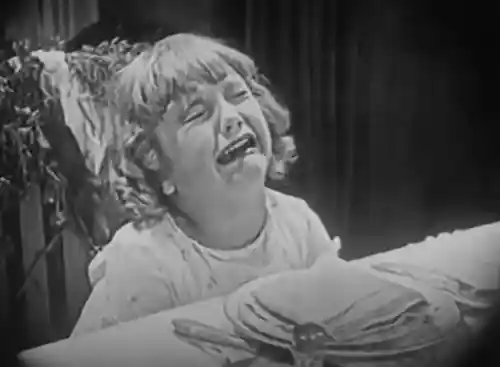
In an age where automation threatens traditional professions, 'The Third Alarm' feels eerily prescient. The film’s exploration of identity loss, the struggle to adapt, and the search for new purpose mirrors contemporary debates about AI and machine learning. Dan’s story invites viewers to reflect on how we honor legacy while embracing innovation. The film’s quiet dignity offers a counterpoint to the sensationalized narratives of contemporary media, reminding us that progress need not erase humanity.
'The Third Alarm' remains a cinematic gem that transcends its silent format. Through meticulous direction, compelling performances, and a thoughtful narrative, the film invites audiences into a world where tradition and progress collide. Its themes—identity, dignity, and the cost of modernization—are as relevant today as they were in 1920. For cinephiles and historians alike, the film offers
IMDb —
1919
Community
Log in to comment.