A definitive 6.5/10 rating for a film that redefined the boundaries of cult cinema. The Village Sleuth remains a cornerstone of transgressive art.
Ah, the silent era! A time when storytelling relied not on booming dialogue but on the eloquent ballet of gesture, expression, and the rhythmic flicker of celluloid. Among the myriad treasures from this period, The Village Sleuth emerges as a particularly charming, if often overlooked, comedic gem. It’s a film that masterfully plays with our expectations of heroism and competence, delivering a narrative that is as wryly humorous as it is ultimately satisfying. Forget your gritty noir detectives or your brilliant consulting minds; here, we are introduced to a protagonist whose greatest asset is his utter lack of acumen, a delightful paradox that fuels the entire delightful escapade.
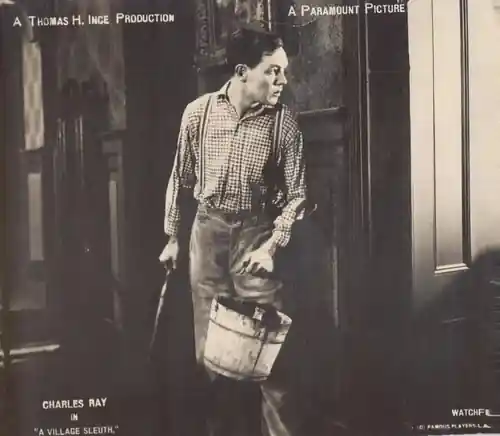
The central conceit is deceptively simple: a local man, brimming with self-importance but devoid of actual investigative skill, fancies himself a detective. He’s the kind of character who could find a conspiracy in a spilled cup of tea and implicate the cat as the mastermind. His career is a series of comical missteps, each 'conclusion' more farcical than the last, consistently pointing to the most innocent individual in the most improbable manner. Yet, the true genius of Agnes Christine Johnston's screenplay lies in how this habitual failure becomes the unlikely catalyst for genuine justice. It’s a narrative arc that champions serendipity over skill, a testament to the idea that sometimes, the universe rights itself through the most circuitous and amusing routes imaginable.
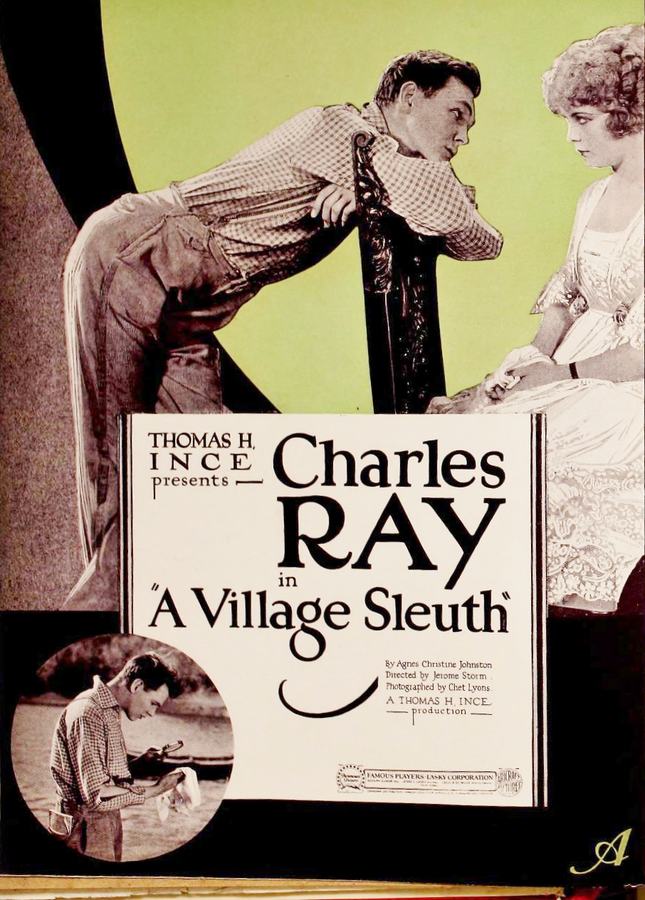
Scene from The Village Sleuth
Cinematic perspective: Exploring the visual vocabulary of The Village Sleuth (1920) through its definitive frames.
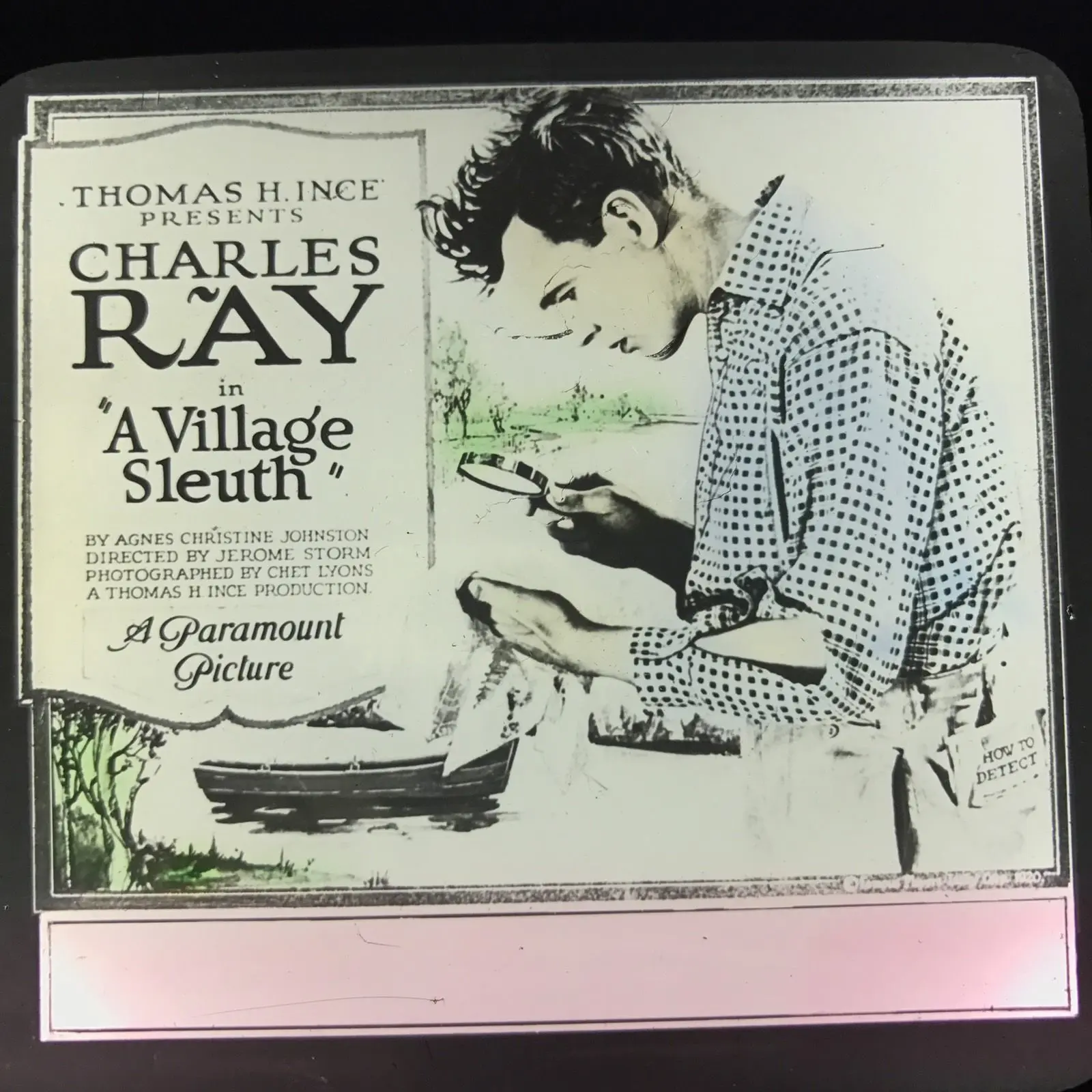
Charles Ray, likely taking on the role of our titular sleuth (given his propensity for playing 'country boy' types with a good heart but often clumsy demeanor), imbues the character with an irresistible blend of earnestness and profound cluelessness. His physical comedy, I imagine, would have been a masterclass in understated exaggeration – a raised eyebrow that conveys utter certainty despite overwhelming evidence to the contrary, a confident stride that inevitably leads to a stumble. Ray’s ability to elicit both sympathy and laughter from his audience was legendary, and it’s easy to envision him perfectly embodying this well-meaning but utterly ineffective investigator. His performance would undoubtedly anchor the film, making his character’s accidental triumph all the more endearing and hilarious. The humor doesn't derive from malice, but from the sheer, unadulterated human capacity for self-deception and misplaced confidence.
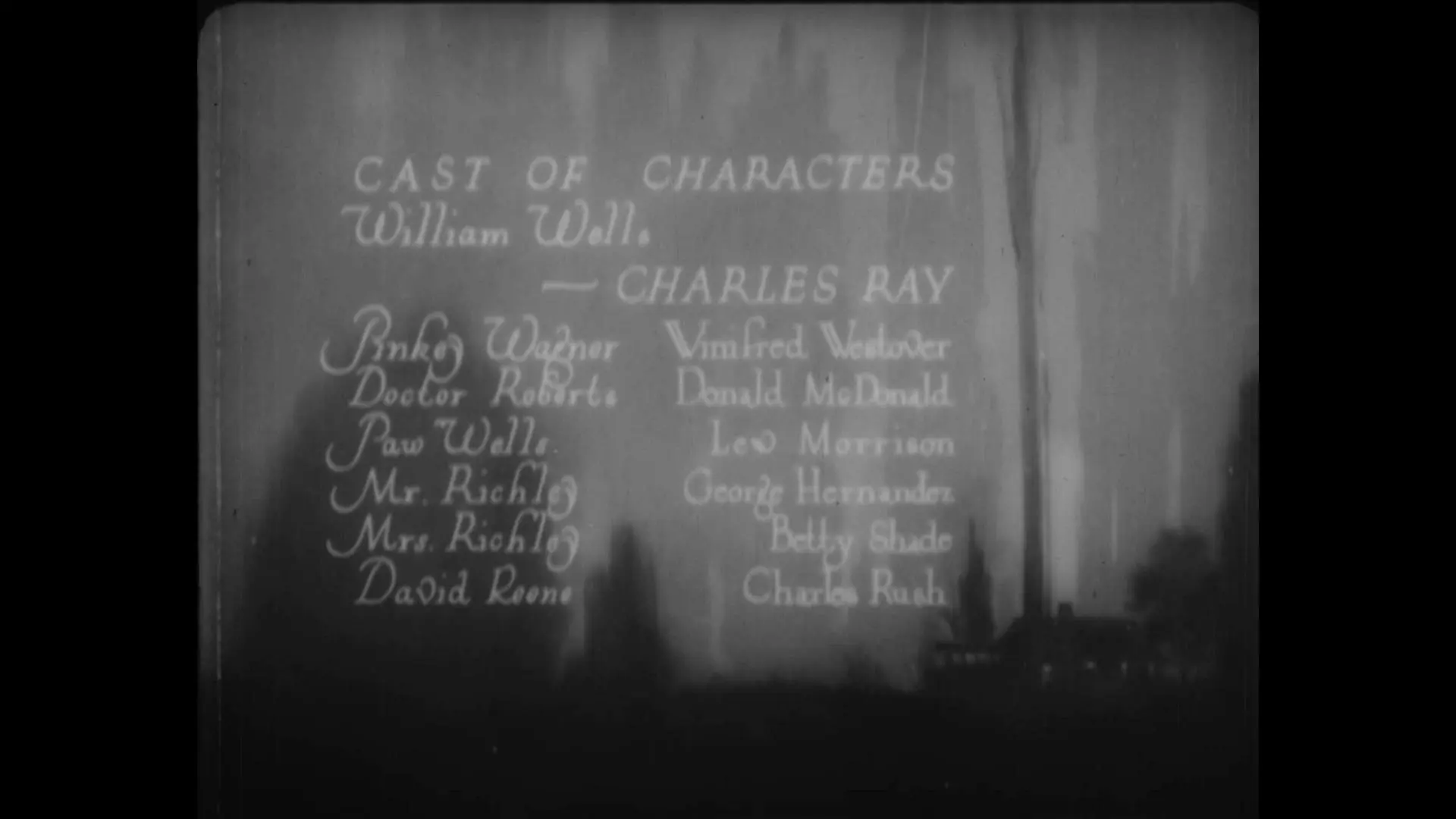
The supporting cast, featuring stalwarts like George Hernandez, Donald MacDonald, Winifred Westover, Betty Schade, Dick Rush, and Louis Morrison, would have provided the essential backdrop for our sleuth’s antics. Hernandez, often cast as kindly authority figures or stern patriarchs, might play the exasperated sheriff or a long-suffering townsman. Westover, known for her dramatic roles, could easily pivot to a more comedic, perhaps bewildered, love interest or a falsely accused party. Each actor, through their nuanced reactions to the detective’s blundering, contributes significantly to the film’s comedic tapestry. Their collective expressions of confusion, frustration, or bewildered amusement would serve as a vital counterpoint to the protagonist's unwavering, if misguided, conviction, amplifying the comedic effect and grounding the fantastical elements of the plot in a relatable small-town reality.
Scene from The Village Sleuth
Cinematic perspective: Exploring the visual vocabulary of The Village Sleuth (1920) through its definitive frames.
Agnes Christine Johnston's writing truly shines in its construction of this intricate comedic mechanism. Rather than a straightforward 'whodunit,' she crafts a 'whodunit-but-our-hero-thinks-it's-someone-else-until-he-trips-over-the-real-culprit.' This kind of irony requires a delicate touch, ensuring the audience is always ahead of the detective, reveling in his misinterpretations without ever feeling superior or detached. Johnston's talent for character-driven comedy, allowing the absurdities to spring organically from the protagonist's personality, is evident. Her ability to build a world where such a character can not only exist but inadvertently succeed speaks volumes about her skill as a storyteller in an era where visual narrative was paramount. She understood that humor often arises from the clash between aspiration and reality, and between intention and outcome.
The film, I believe, offers more than just laughs; it subtly probes themes of perception versus reality. Our detective sees what he wants to see, or perhaps what his limited framework allows him to see, rather than the objective truth. This selective vision is a source of comedy, but also a gentle commentary on human fallibility. How often do we, too, jump to conclusions, convinced of our own unerring judgment?
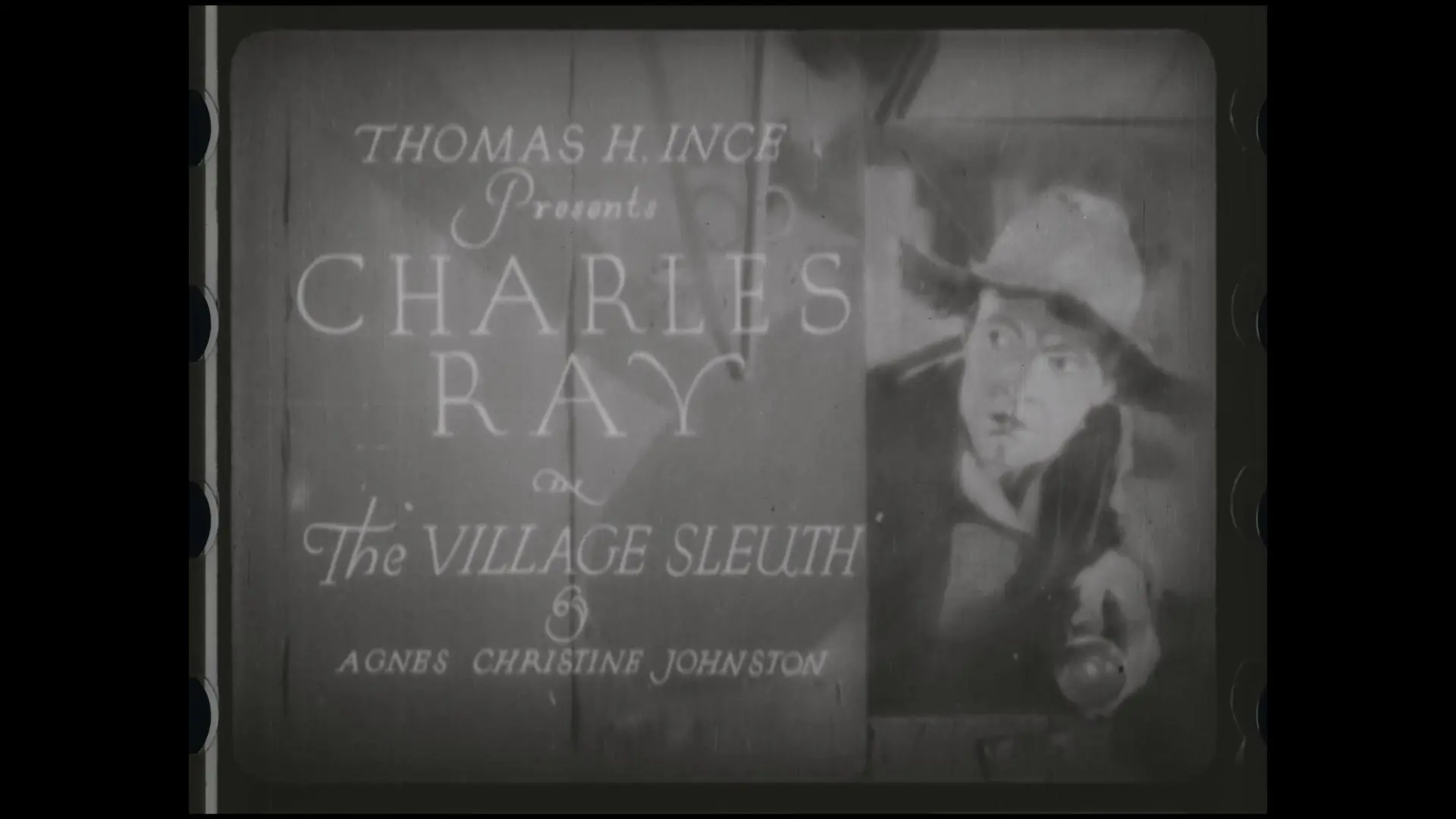
Scene from The Village Sleuth
Cinematic perspective: Exploring the visual vocabulary of The Village Sleuth (1920) through its definitive frames.
In terms of thematic depth, The Village Sleuth is a fascinating study in accidental heroism. It’s not the sharpest mind or the most rigorous deduction that brings about justice, but rather the sheer, glorious blunder. This subversive take on the detective genre is refreshing, especially when compared to more conventional mysteries of the period, such as the often serious and intricate plots found in films like Herregaards-Mysteriet or Der Fall Dombronowska...!. While those films might explore the darker facets of crime and investigation, The Village Sleuth finds its light in the absurdity of human error.
The film’s portrayal of small-town life would also be a crucial element. The village itself becomes a character, a microcosm where everyone knows everyone’s business, making the detective’s repeated misidentifications all the more public and embarrassing. This communal aspect, a common backdrop in silent films like The Mill on the Floss (though vastly different in tone), allows for a rich tapestry of reactions and gossip that would have been expertly conveyed through intertitles and visual cues. The film leverages the intimate setting to heighten both the humor and the eventual impact of the accidental discovery.
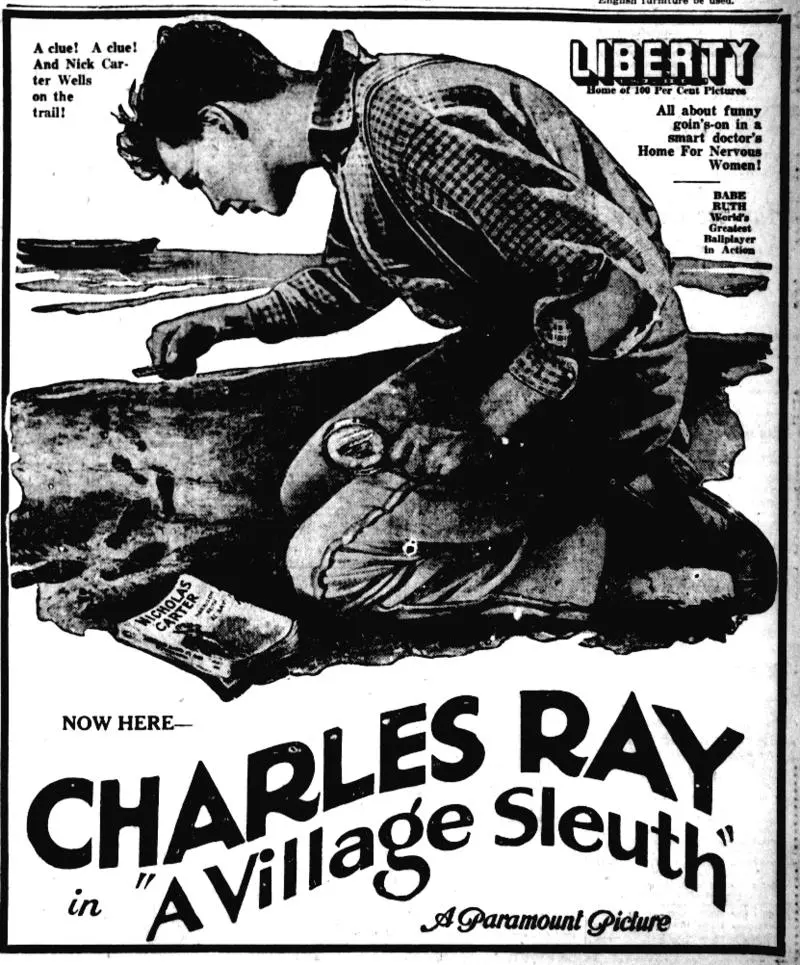
Scene from The Village Sleuth
Cinematic perspective: Exploring the visual vocabulary of The Village Sleuth (1920) through its definitive frames.
Visually, one can imagine the director employing classic silent film techniques to enhance the comedy. Exaggerated close-ups on the detective’s bewildered or overly confident face, rapid cuts to show the reactions of townsfolk, and perhaps even some clever use of split screens or visual gags to depict his flawed 'deductions.' The pacing, too, would be critical – allowing moments of slow-burn comedic tension to build before erupting in a burst of physical humor or a particularly ridiculous revelation. The camera, in essence, becomes another narrator, guiding our laughter and empathy. It's a dance between the actors and the lens, a silent symphony of storytelling.
Comparing it to other films of the era, one might draw parallels with the lighthearted mistaken identities and farcical situations found in comedies like The Haunted Pajamas, though The Village Sleuth grounds its humor more firmly in character rather than supernatural or improbable events. It also shares a certain innocence and charm with films like Civilization's Child, which often explored moral dilemmas through the lens of individual characters, albeit with a more dramatic bent. Our sleuth, in his own way, is a child of his civilization, reflecting its quaintness and its capacity for good-natured folly.
Scene from The Village Sleuth
Cinematic perspective: Exploring the visual vocabulary of The Village Sleuth (1920) through its definitive frames.
The beauty of silent cinema often lies in its universal language, transcending linguistic barriers with pure emotion and action. The Village Sleuth would have been particularly accessible, its humor derived from universally understood human foibles. The earnest, yet misguided, efforts of its protagonist resonate with anyone who has ever tried their best and spectacularly failed, only to stumble into success by accident. This film, therefore, is not just a historical artifact but a timeless piece of comedic storytelling, reminding us that sometimes, the most profound truths are revealed not through meticulous planning, but through the delightful chaos of life itself.
It’s a film that deserves to be rediscovered, not merely as a relic of a bygone era, but as a vibrant, witty testament to the enduring power of comedic irony. Its legacy lies in its ability to poke gentle fun at human pretension while celebrating the unexpected routes to resolution. So, if you ever find yourself yearning for a dose of charming, character-driven silent comedy that proves incompetence can indeed be a virtue, look no further than the delightful escapades of The Village Sleuth. It’s a joyous reminder that sometimes, the best way to catch a crook is simply to get out of your own way, or, more accurately, to trip over them entirely.
The film’s enduring appeal, for me, stems from its refusal to take itself too seriously while still delivering a satisfying narrative arc. It doesn’t preach, it doesn’t moralize; it simply entertains with a knowing wink and a gentle nudge. The accidental detective trope, so expertly handled here, has been revisited in various forms throughout cinematic history, but few capture the innocent charm and genuine humor quite like this silent classic. It's a masterclass in how to build a comedic plot around a single, flawed character, allowing his weaknesses to become his strengths in the most unexpected ways. The pacing, the visual gags, the emotive performances – all would have coalesced into a truly memorable viewing experience, leaving audiences with a smile and perhaps a newfound appreciation for the unpredictable nature of justice.
Ultimately, The Village Sleuth is more than just a forgotten film; it's a testament to the ingenuity of early filmmakers and writers like Agnes Christine Johnston. It reminds us that compelling storytelling doesn't always need grand special effects or verbose dialogue. Sometimes, all it takes is a lovable, bumbling protagonist, a series of hilarious misunderstandings, and a stroke of pure, unadulterated luck to create a cinematic experience that is both entertaining and enduring. It's a film that quietly asserts its place as a significant, if understated, contribution to the comedic landscape of silent cinema, a beacon of lighthearted ingenuity in an era often remembered for its dramatic epics. Its charm, like a well-kept secret, waits to be rediscovered and celebrated by new generations of film enthusiasts.