DbcultAccessing Vault...
Cult Review
Senior Film Conservator
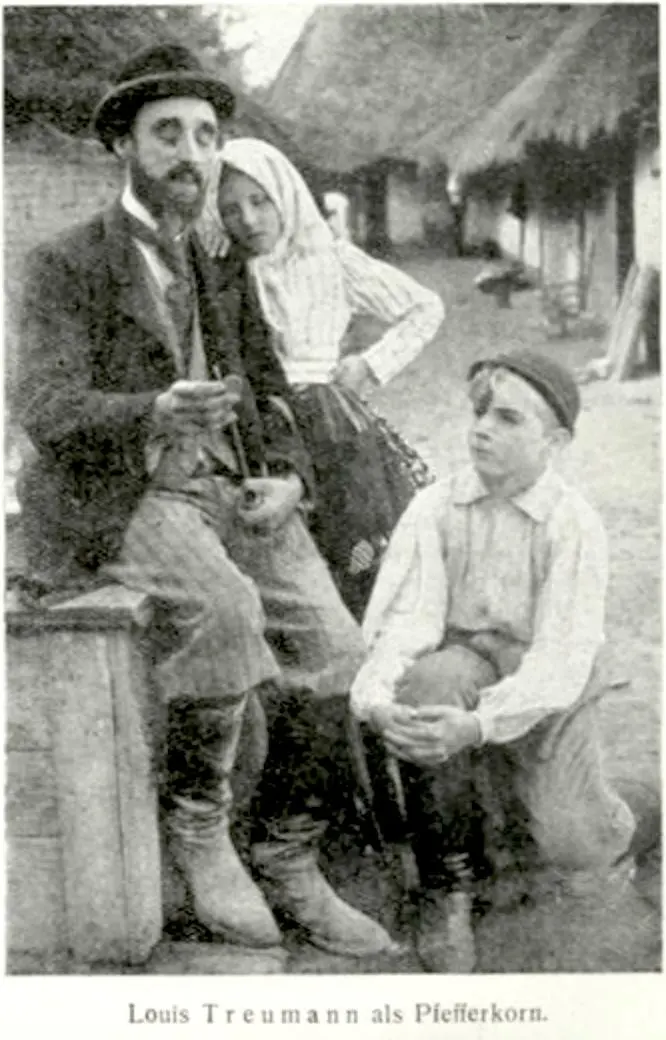
Is The Tinker worth your time in the modern era? Short answer: yes, but only if you have a deep appreciation for the theatrical roots of early European cinema. This is not a fast-paced thriller or a visual spectacle in the vein of Hollywood contemporaries; rather, it is a deliberate, character-driven piece that requires patience to appreciate.
This film is specifically for historians of the operetta and those who enjoy seeing how stage plays were adapted into the silent medium. It is definitely NOT for viewers who demand modern pacing or high-octane action. If you go in expecting the scale of The Virgin of Stamboul, you will be disappointed by its intimate, stagey nature.
1) This film works because it captures the vanishing folklore of the itinerant tinker with a sincerity that feels almost ethnographic today.
2) This film fails because the transition from the operetta stage to the silent screen strips away the essential musicality of Viktor Léon’s original work, leaving a narrative that occasionally feels hollow.
3) You should watch it if you are interested in the evolution of Viennese storytelling or the early performances of Willy Danek and Mary Hadar.
The Tinker is built on a premise that feels alien to modern sensibilities: the childhood marriage contract. Jantschi and Suza are tied together before they even understand the concept of love. This creates a fascinating tension throughout the film. Unlike the high-stakes drama found in Bonds of Love, the conflict here is quiet and internal. It is about the guilt of outgrowing one's origins.
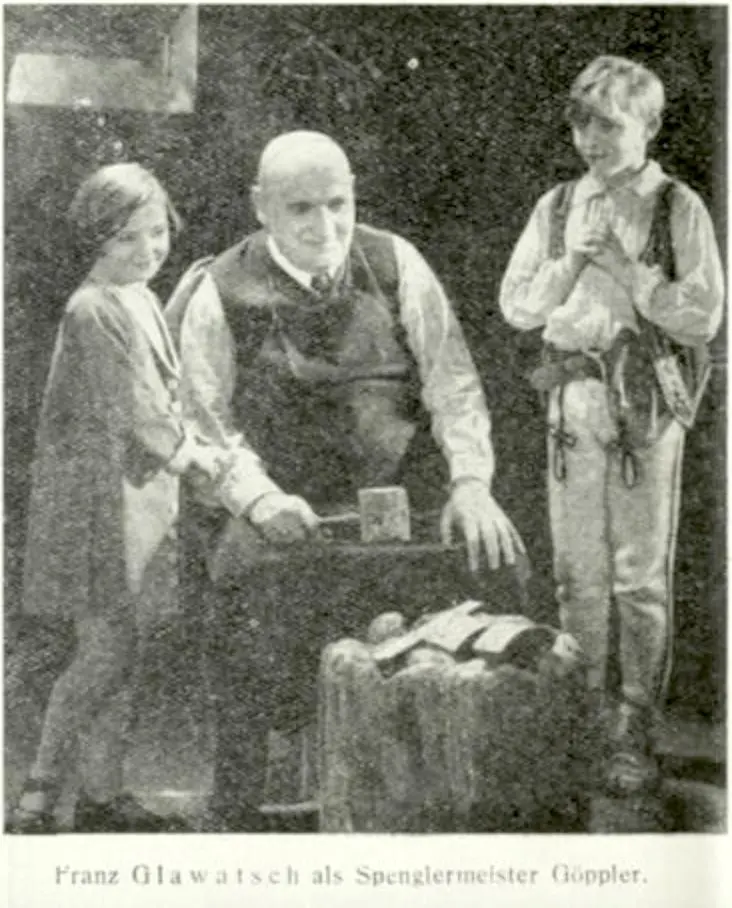
Willy Danek plays Jantschi with a stiff-necked pride that perfectly illustrates the character's upward mobility. When he is in the city, his movements are refined, but he never looks truly comfortable. There is a specific scene in the second act where Jantschi looks at his old tinker’s tools while wearing a tuxedo. The lighting in this moment is harsh, highlighting the disconnect between his hands—calloused and stained—and his fine clothes. It is a simple but effective visual metaphor.
The direction by the ensemble of talent involved feels heavily indebted to the theater. This is both a blessing and a curse. On one hand, the blocking is meticulous. Characters move within the frame with a choreographed precision that ensures every emotional beat is visible to the 'back row' of the audience. On the other hand, it lacks the cinematic fluidity found in films like The Master Key.
The sets are clearly studio-bound, but they have a charm that modern CGI cannot replicate. The village square feels lived-in, with textures of wood and stone that pop even in the surviving grainy prints. However, the pacing suffers from this theatricality. Scenes often linger long after the point has been made, as if waiting for an applause break that never comes in a silent theater.
Mary Hadar as Suza provides the emotional heart of the film. While Danek is busy being conflicted, Hadar is the grounding force of the rural segments. Her performance is less about the grand gestures typical of the era and more about the eyes. In the scene where she realizes Jantschi has changed, her stillness is more powerful than any weeping could be. It reminds me of the subtle work in Daring Love, where the silence is used as a weapon.
Ignaz Flemminger and the supporting cast provide the necessary levity. The 'tinker' culture is portrayed with a mix of humor and reverence. These characters are not just comic relief; they represent a way of life that the film acknowledges is dying. The interactions between the older tinkers are punchy and rhythmic, even without dialogue. It works. But it’s flawed.
The cinematography in The Tinker is functional rather than revolutionary. It lacks the experimental shadows of German Expressionism, opting instead for a bright, flat lighting style that mirrors the operetta stage. However, there are flashes of brilliance. The use of deep focus in the tavern scenes allows the viewer to see the gossip happening in the background while the leads talk in the foreground. This adds a layer of social pressure to Jantschi’s decisions.
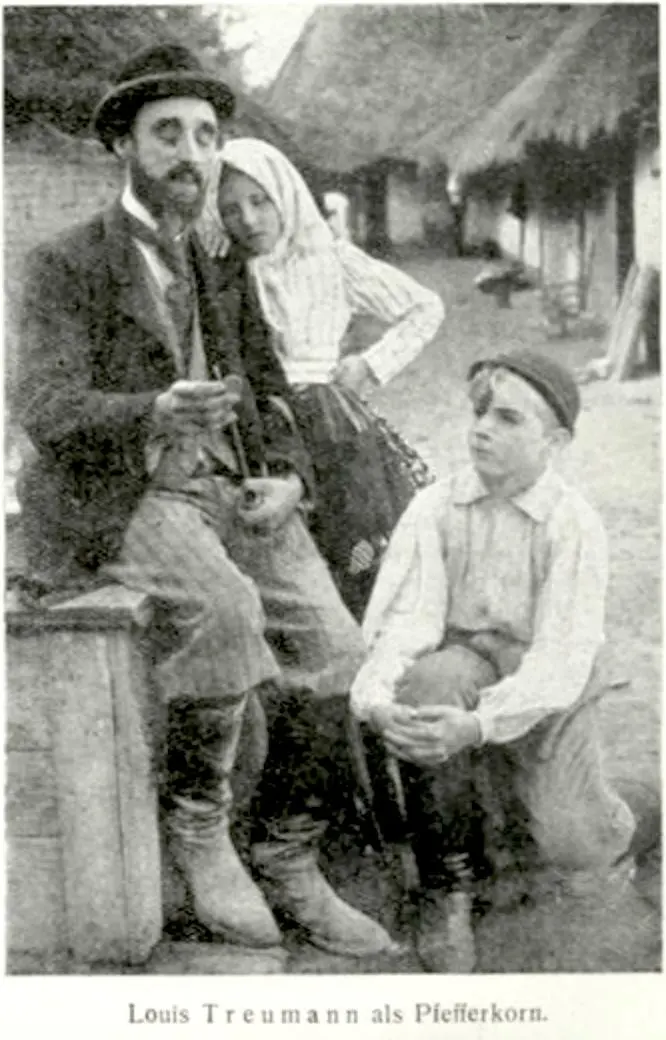
Compared to the gritty realism of The Pitfall, The Tinker feels like a fairy tale. The city is too clean, and the village is too quaint. But this artifice is intentional. It’s a romanticized view of the past, a nostalgia trip for a 1920s audience that was already seeing the world change too quickly.
Does the film hold up for a modern audience?
The answer depends entirely on your interest in film history. If you are looking for a story that resonates with modern themes of identity and class struggle, you will find it here. However, the presentation is undeniably dated. The lack of the original music is a significant hurdle. Without the songs that made the operetta a hit, the plot can feel thin. But as a visual artifact of a specific time and place, it is invaluable.
Pros:
Cons:
One surprising element of The Tinker is how it handles the concept of 'selling out.' Usually, in films of this era, the city is portrayed as purely evil. Here, Jantschi’s success isn't framed as a sin, but as a tragedy of timing. He isn't a bad man for wanting a better life; he’s just a man caught between two different worlds. It’s a surprisingly nuanced take for a story written by Viktor Léon, who often leaned into broader tropes.
Also, the chemistry between the minor characters, particularly the older tinkers, suggests a much larger world than what we see on screen. It makes one wonder about the stories of the others who left the village. In many ways, this film feels like a companion piece to Together, focusing on the social bonds that either sustain us or suffocate us.
The Tinker is a fascinating, if slightly dusty, relic of the silent era. It doesn't have the grand ambitions of Enemies of Women, but it possesses a quiet dignity that is rare. The central conflict of Jantschi remains relatable: how do we honor our past while embracing our future? While it may not be a 'masterpiece' in the traditional sense, it is a significant work that deserves more than to be forgotten in the archives. It is a flawed, beautiful look at a world that no longer exists.
IMDb 5.8
1935
Community
Log in to comment.