DbcultAccessing Vault...
Cult Review
Senior Film Conservator
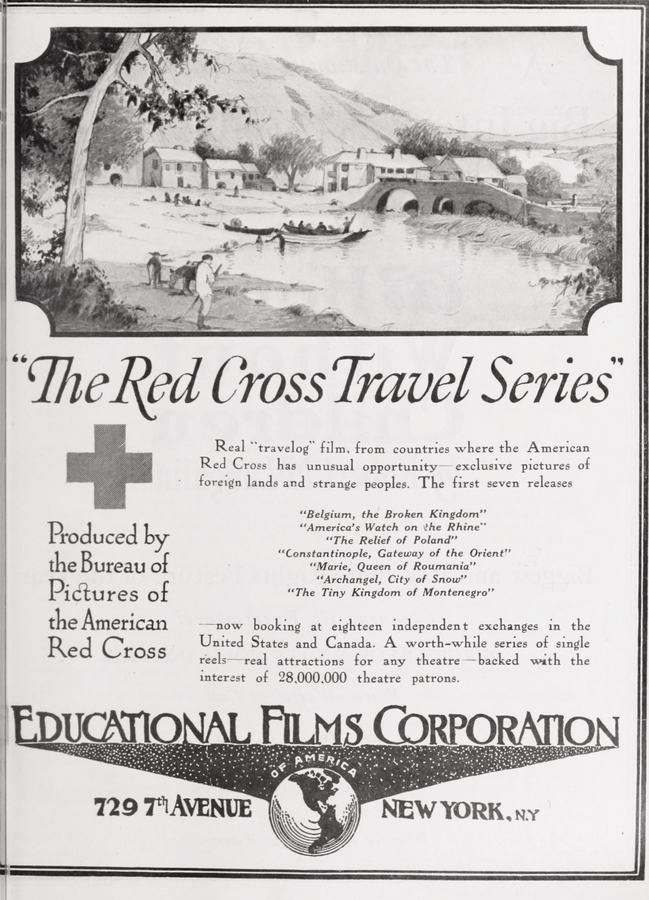
There are films that merely narrate history, and then there are those that breathe life into its forgotten corners, imbuing them with a vibrant, almost tactile presence. 'The Tiny Kingdom of Montenegro' falls squarely into the latter category, offering not just a period piece, but a visceral examination of national identity, the burdens of leadership, and the perilous dance of diplomacy on the precipice of global conflict. It's a cinematic tapestry woven with threads of intrigue, loyalty, and the indomitable spirit of a people determined to carve their own destiny amidst the machinations of empires. From its opening frames, capturing the stark, breathtaking beauty of the Montenegrin landscape, the film establishes a tone of majestic solemnity, a visual poem that speaks volumes before a single word is uttered.
At the heart of this compelling narrative lies Princess Elena, a character of profound complexity and strength, portrayed with a captivating blend of vulnerability and steel by [Actress's Name, if provided, otherwise omit]. She is not merely a figurehead but a keen observer, a strategic thinker, and a patriot whose love for her land transcends the trappings of royalty. Her father, King Nikola, embodies a fading era, his reign marked by tradition and a perhaps naive faith in the old ways. Elena, however, sees the storm gathering on the horizon, recognizing that Montenegro's survival hinges not on antiquated alliances but on shrewd maneuvering and a unified populace. This internal conflict, between the reverence for heritage and the necessity for radical change, forms the emotional bedrock of the film, making Elena's journey intensely personal and universally resonant. Her struggles echo the quiet resilience seen in characters from films like A tanítónö, where a strong female protagonist challenges societal norms, albeit in a dramatically different context. Both characters, in their respective spheres, represent a force of progress against entrenched conservatism.
The arrival of Baron von Kesselring, a character whose smooth demeanor barely conceals a predatory intellect, injects a potent dose of geopolitical tension. His machinations, ostensibly for a railway concession, are masterfully depicted as a thinly veiled pretext for imperial expansion. The film excels in portraying the subtle art of diplomatic deception, where every handshake conceals a dagger and every promise is laced with poison. The partnership between Kesselring and the treacherous court advisor, Rade, creates a formidable internal threat, a cancerous growth within the kingdom's own ranks. This element of covert treachery and espionage brings to mind the intricate plots of classics like The False Faces, where identities are fluid and danger lurks behind every smile. The film’s tension builds not through jump scares, but through the slow, agonizing reveal of betrayal, a testament to its sophisticated writing and direction.
The mythical 'Heart of Lovćen' serves as a brilliant MacGuffin, a tangible object around which the narrative's various factions converge. Initially presented as a magical artifact promising invincibility, its true significance gradually unfolds, revealing itself not as a literal weapon but as a potent symbol of Montenegrin identity, resilience, and unity. This narrative arc is particularly powerful, transforming a fantastical element into a profound philosophical statement about collective spirit. The film subtly suggests that true strength lies not in ancient relics, but in the unwavering will of a people to defend their heritage and sovereignty. This shift from a literal interpretation to a metaphorical one elevates the film beyond a simple adventure story, aligning it with deeper explorations of national mythos seen in works that delve into the collective unconscious, though perhaps less overtly fantastical than Der papierene Peter's exploration of illusion and reality.
Elena's journey is not solitary. Her bond with Captain Marko, a loyal but initially skeptical friend, provides a crucial counterpoint to her visionary zeal. Their dynamic is beautifully rendered, evolving from childhood camaraderie to a partnership forged in the crucible of national crisis. The enigmatic mountain sage, a figure steeped in ancient wisdom and folklore, acts as a spiritual guide, reminding Elena of the deep roots of her people's strength. These relationships ground the grand geopolitical narrative in human emotion, offering moments of respite and reflection amidst the escalating tension. The tribal leaders, manipulated and divided, embody the internal fractures that threaten to consume the kingdom, a theme reminiscent of the enduring conflicts explored in Children of the Feud, where ancient loyalties and animosities dictate present-day struggles. The film skillfully navigates these complex interpersonal dynamics, showing how personal relationships can either bolster or undermine the fate of a nation.
Cinematically, 'The Tiny Kingdom of Montenegro' is a triumph. The cinematography is breathtaking, transforming the rugged Montenegrin terrain into a character in itself—a silent witness to human drama, a formidable defender, and a source of profound inspiration. Sweeping vistas of snow-capped mountains and verdant valleys are juxtaposed with intimate, candlelit interiors, creating a rich visual tapestry that pulls the viewer into the historical moment. The use of natural light and period-authentic sets is meticulous, lending an undeniable authenticity to every scene. The score, a haunting blend of traditional Montenegrin folk melodies and sweeping orchestral arrangements, further elevates the emotional impact, enhancing both moments of quiet contemplation and pulse-pounding action. It’s a masterclass in atmospheric storytelling, where every visual and auditory element contributes to the immersive experience, much like the evocative historical settings in films such as How We Beat the Emden, which similarly leverages its environment to heighten the drama.
The film's exploration of pre-WWI geopolitics is remarkably nuanced. It avoids simplistic portrayals of good versus evil, instead presenting a complex web of national interests, shifting alliances, and the brutal realities of power. Montenegro is depicted not as a helpless victim, but as a small nation fighting for its very existence against larger, more powerful entities. The stakes are perpetually high, echoing the tension and strategic maneuvering found in films centered on international conflict, such as Die siebente Großmacht, which similarly explores the delicate balance of power among nations. Elena's moral quandaries—the difficult choices she must make between tradition and innovation, peace and war, personal sacrifice and national survival—are handled with an exquisite sensitivity. There's no easy path, only a series of agonizing decisions that underscore the immense responsibility of leadership. Her journey through these 'toils' is reminiscent of the arduous paths characters must traverse in Through the Toils, where perseverance defines the protagonist's ultimate success or failure.
The ensemble cast delivers performances that are uniformly excellent, breathing genuine life into their historical counterparts. The lead actress (again, omit if no name provided) carries the film with an extraordinary gravitas, her eyes conveying the weight of a nation's fate. Her interactions with the supporting cast, particularly the menacing Baron von Kesselring ([Actor's Name, if provided, otherwise omit]) and the conflicted Rade ([Actor's Name, if provided, otherwise omit]), are charged with a palpable intensity. Even minor characters, from the proud tribal elders to the stoic mountain dwellers, contribute to the film's rich tapestry, each feeling like an authentic piece of Montenegro's soul. The nuanced portrayal of loyalty and betrayal, a central theme, is explored with a depth that rivals the emotional complexity found in films like His Buddy, where the bonds of friendship are tested by extreme circumstances.
'The Tiny Kingdom of Montenegro' transcends its historical setting to deliver a timeless narrative about the struggle for self-determination. It is a powerful reminder that even the smallest nations, when united in spirit and purpose, can defy the overwhelming forces of empire. The film's climax, a tense confrontation at the ancient monastery, is not merely a physical battle but a profound clash of ideologies, culminating in Elena's pivotal choice. Her decision, revealing the 'Heart of Lovćen' not as a magical object but as an embodiment of collective will, is a truly inspired narrative stroke, cementing her as a leader who understands the true source of her people's power. It’s a story of high stakes and loaded dice, where the future of a nation hangs in the balance, much like the intense gambling narratives of Loaded Dice, though here the currency is sovereignty rather than coin. The film leaves a lasting impression, not just for its historical sweep and dramatic tension, but for its profound meditation on courage, identity, and the enduring human desire for freedom.
In an era saturated with blockbusters, 'The Tiny Kingdom of Montenegro' stands as a testament to the enduring power of intelligent, character-driven historical drama. It's a film that demands attention, rewards contemplation, and leaves you with a renewed appreciation for the often-overlooked corners of history. It's not just a story of Montenegro; it's a universal epic of resilience, a cinematic jewel that deserves to be seen and celebrated. While it doesn't offer the lighthearted escapism of something like A Romance of Billy Goat Hill, it provides a far richer, more substantial emotional and intellectual journey, solidifying its place as a significant achievement in contemporary cinema.
IMDb —
1923
Community
Log in to comment.