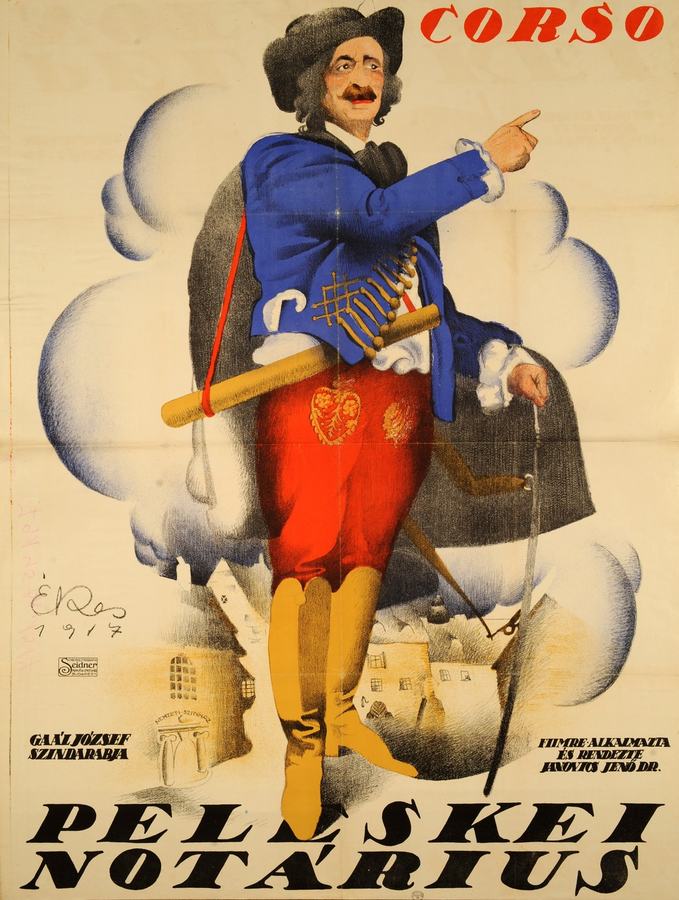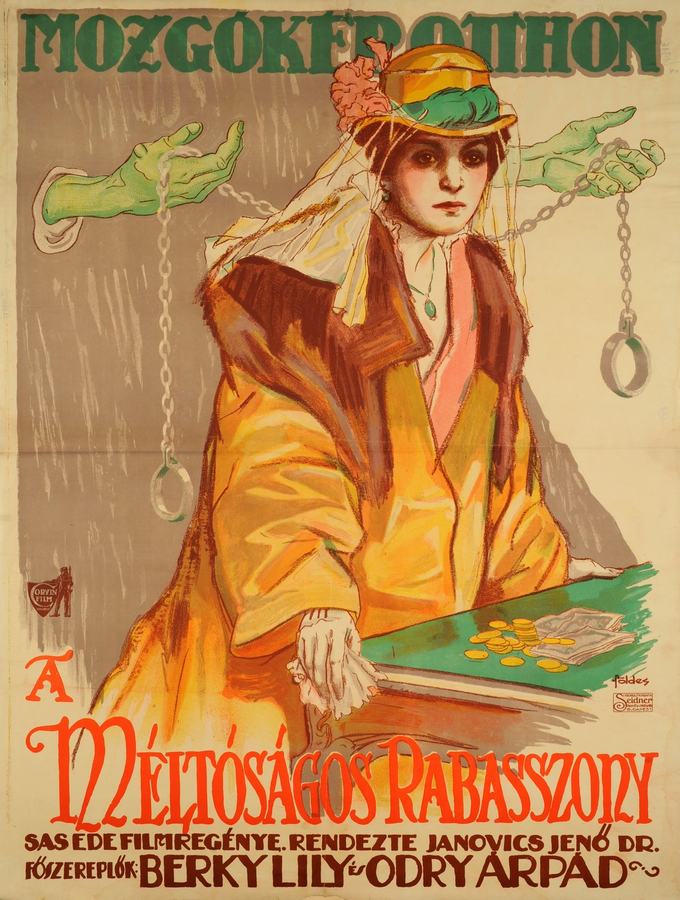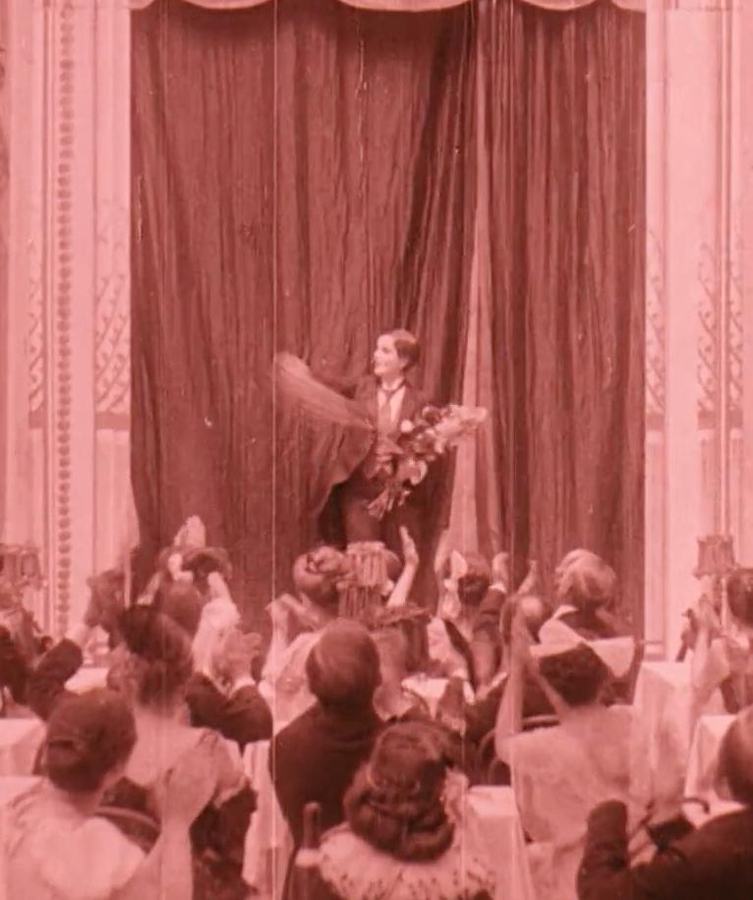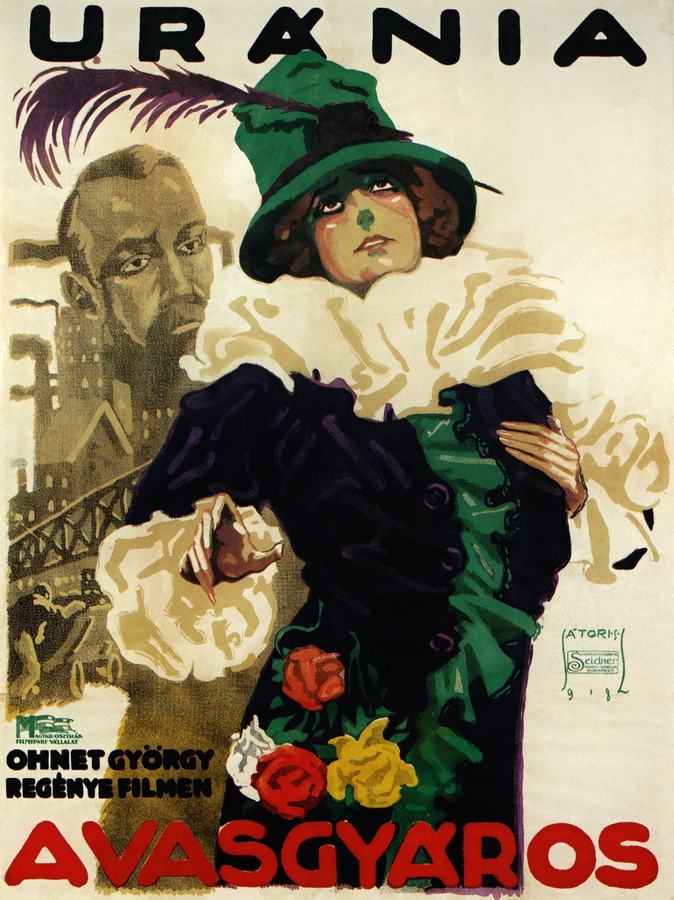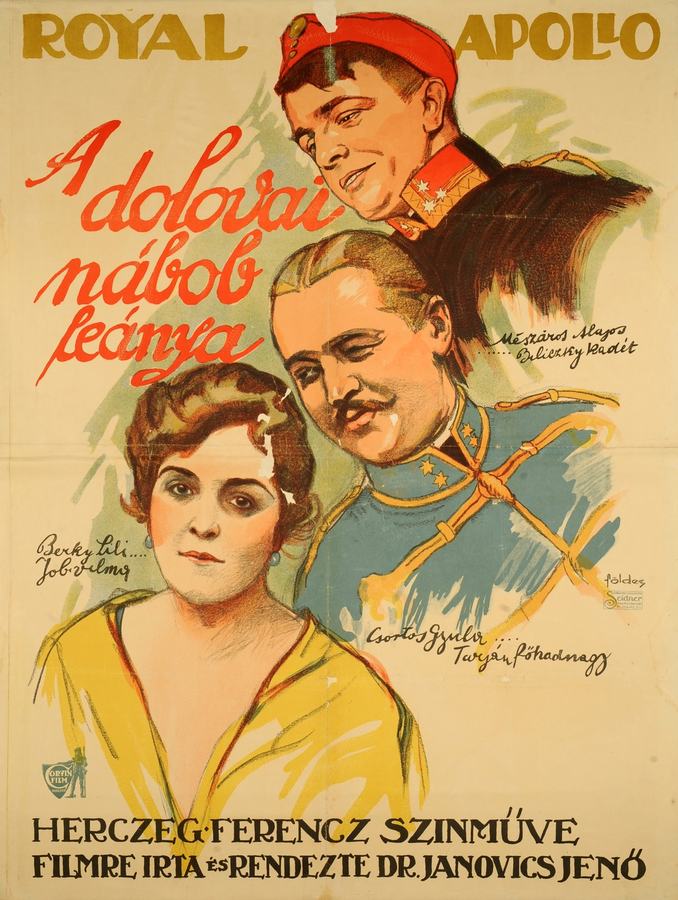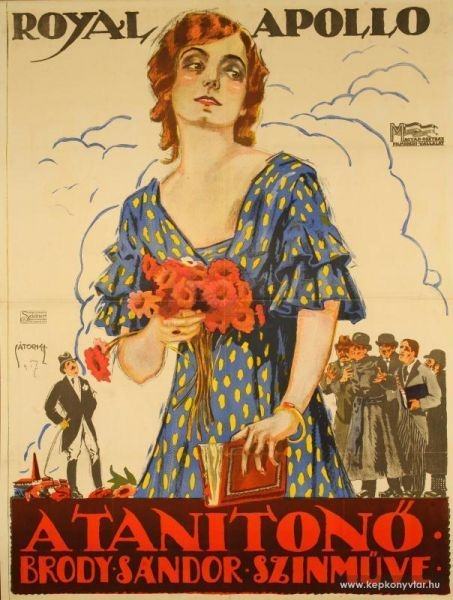
The Architect of Silent Social Realism: Contextualizing A tanítónő In the nascent years of the twentieth century, the cinematic landscape of Eastern Europe was undergoing a radical transformation, and at the heart of this metamorphosis was the Kolozsvár studio under the visionary guidance of Jenő Janovics. A tanítón...


Comparing the cinematic DNA and archive impact of two defining moments in cult history.
Jenö Janovics
Jenö Janovics
Community
Log in to comment.
" The Architect of Silent Social Realism: Contextualizing A tanítónő In the nascent years of the twentieth century, the cinematic landscape of Eastern Europe was undergoing a radical transformation, and at the heart of this metamorphosis was the Kolozsvár studio under the visionary guidance of Jenő Janovics. A tanítónő (The Village Teacher), released in 1917, stands as a monolith of this era, a film that transcends its silent medium to deliver a thunderous critique of social stratification and ..."