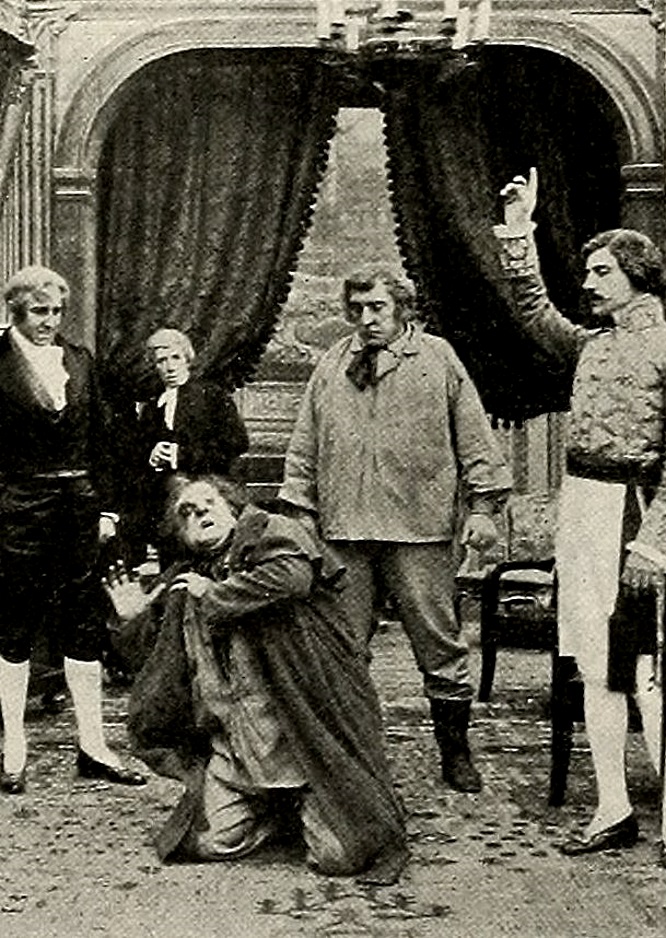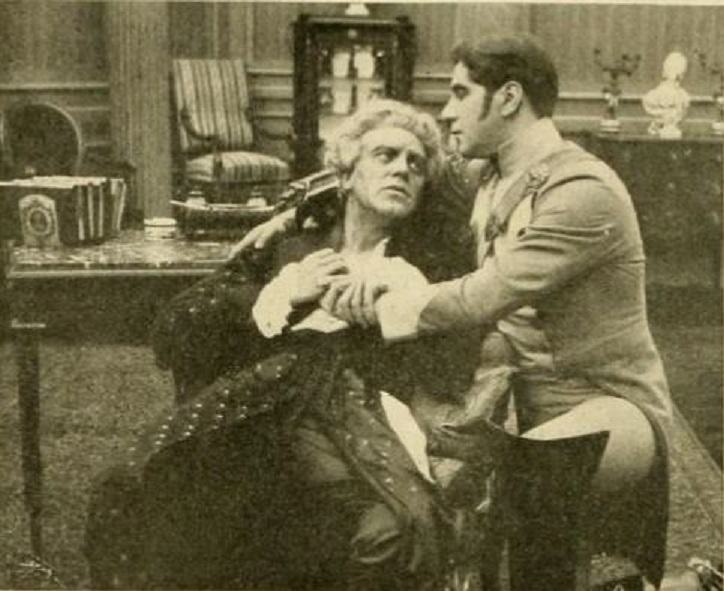
Jean Valjean, guilty of a minor theft of food, is pursued and hounded for years by a relentless lawman, Javert..
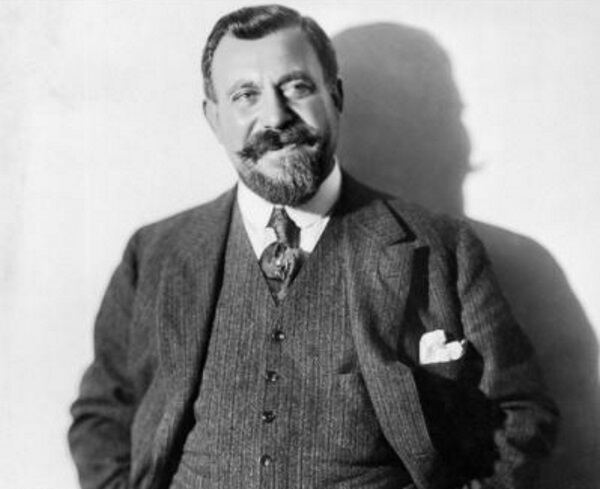
Paul Capellani, Victor Hugo
France
I. The Scarlet Number and the Yellow Passport There is a moment—easy to miss if you blink—when Jean Valjean, still answering to 24601, lifts his gaze toward the camera and the frame itself seems to recoil. Henry Krauss, face mapped with broken capillaries, lets the whites of his eyes bloom against soot-blackened skin;...
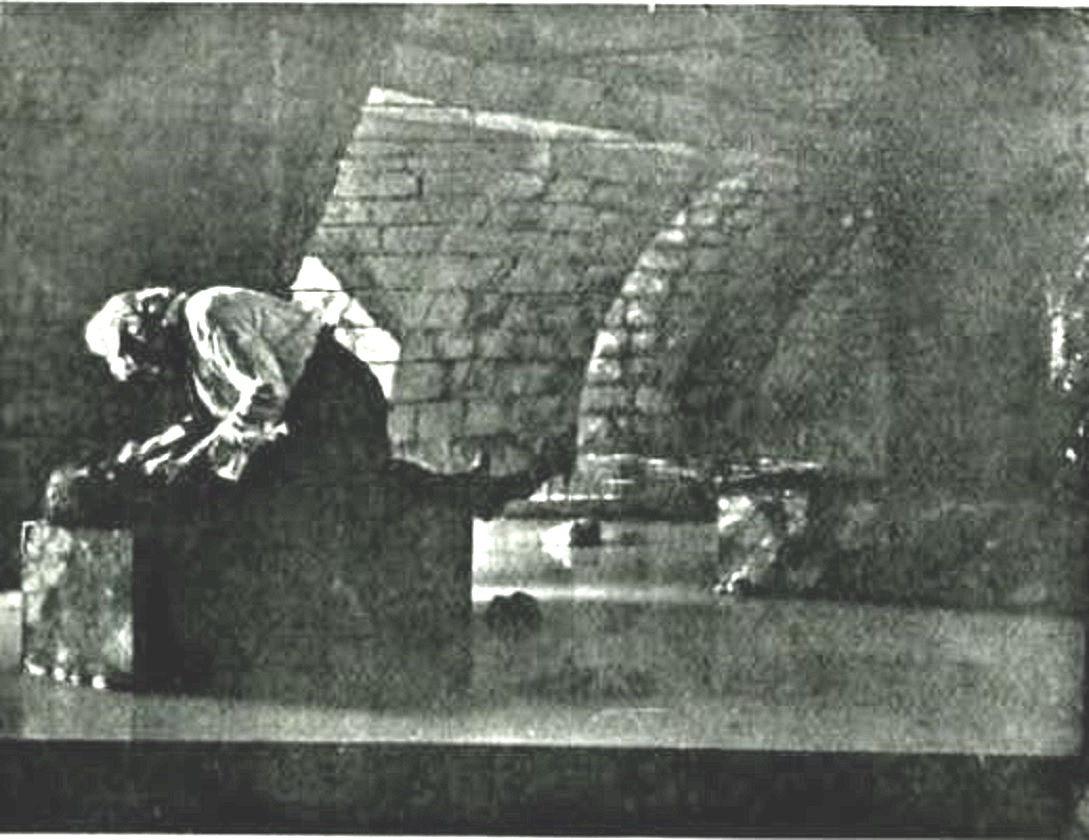
still_frame
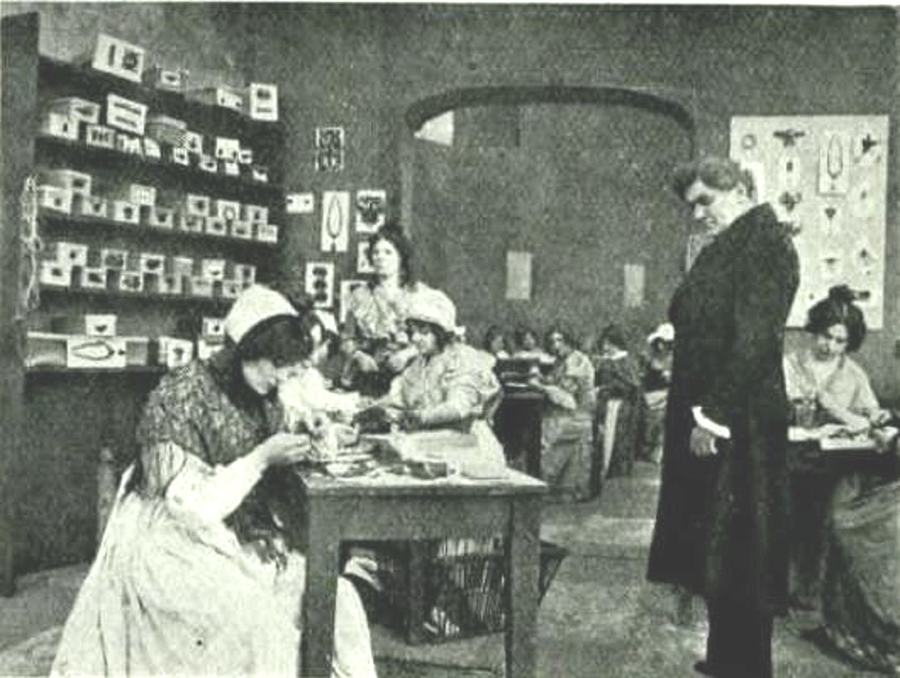
still_frame
Comparing the cinematic DNA and archive impact of two defining moments in cult history.
Albert Capellani
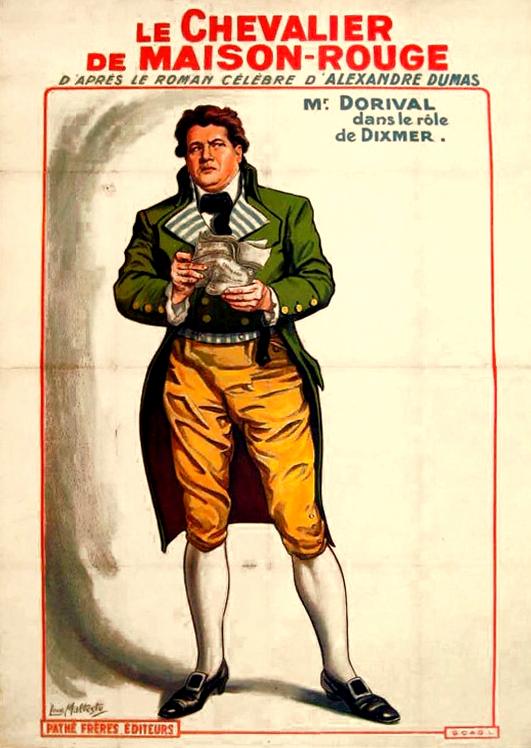
Albert Capellani
Community
Log in to comment.
" I. The Scarlet Number and the Yellow Passport There is a moment—easy to miss if you blink—when Jean Valjean, still answering to 24601, lifts his gaze toward the camera and the frame itself seems to recoil. Henry Krauss, face mapped with broken capillaries, lets the whites of his eyes bloom against soot-blackened skin; the iris swivels, not in defiance but in a plea so ancestral it predates language. In that quiver of celluloid, Paul Capellani asserts what 99 % of literary adaptations merely ser..."
Deep dive into the cult classic
Discover similar cinematic experiences
A Directorial Spotlight on Albert Capellani