DbcultAccessing Vault...
Cult Review
Senior Film Conservator
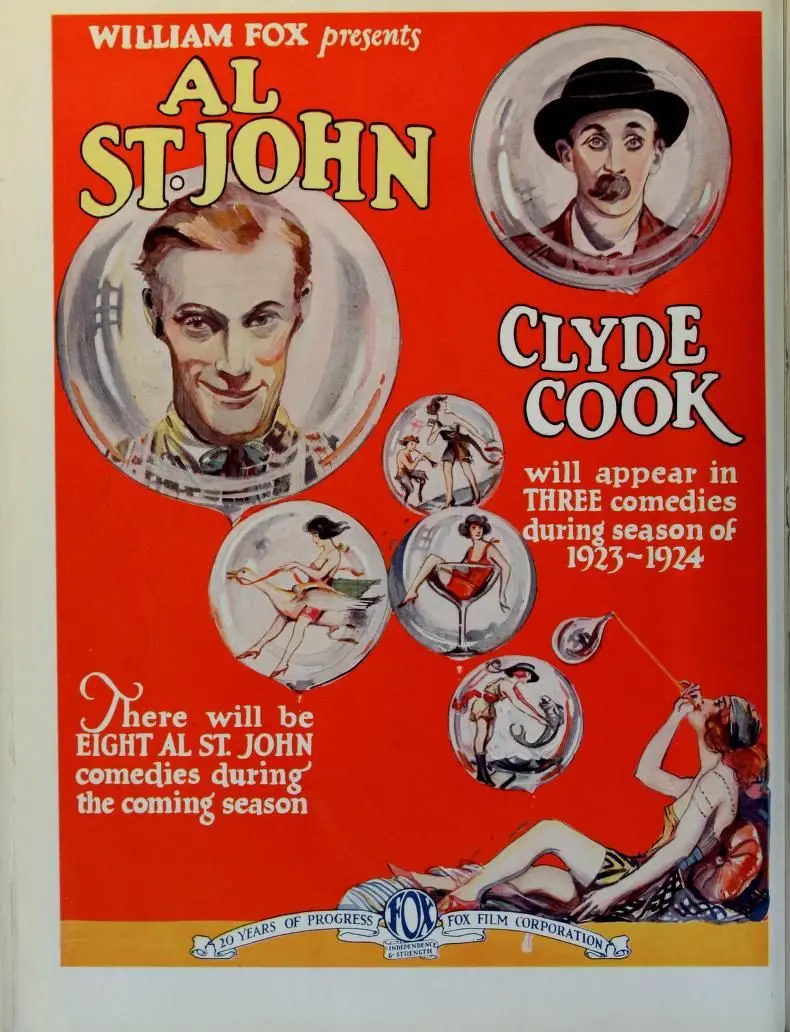
When "Slow and Sure" first flickered across the silver screen, audiences accustomed to the rapid-fire antics of Chaplin and Keaton might have expected a raucous romp. Instead, director Harold Whitman (not to be confused with the film’s protagonist) offers a contemplative tableau, inviting viewers to linger on each meticulously composed frame. The decision to foreground Al St. John—a performer renowned for his kinetic slapstick—in a role demanding restraint is nothing short of audacious. Here, St. John’s lanky frame becomes a conduit for quiet resilience, his expressive eyebrows and subtle gestures speaking volumes in the absence of dialogue.
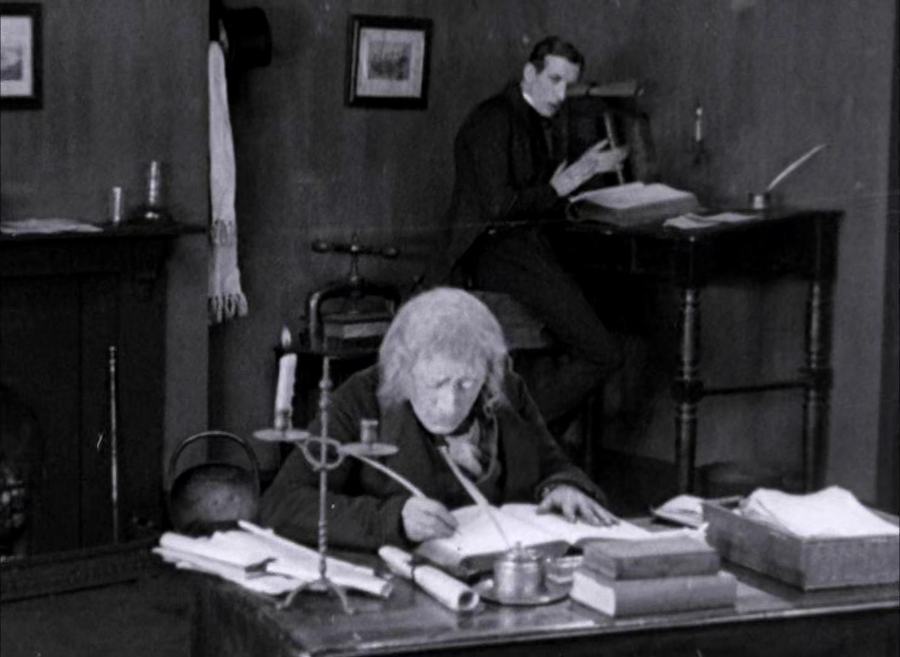
Cinematographer Margaret "Maggie" Larkin employs chiaroscuro to great effect, bathing Jasper Whitaker’s workshop in a warm amber glow that contrasts sharply with the cold steel of the railroad yard. The interplay of light mirrors the film’s central dialectic: the amber of handcrafted tradition against the steel of industrial progress. In the pivotal scene where Jasper calibrates a massive railway clock, the camera lingers on the glint of brass gears, each tick echoing like a heartbeat. This visual motif recurs throughout the reel, underscoring the narrative’s insistence that time, though measured, is also lived.
The screenplay, though anonymous in the credits, reveals a sophisticated grasp of pacing—each act unfolds with the deliberate slowness implied by the title. The first act establishes Jasper’s world, introducing his sister Lila (played with earnest vulnerability by Clara Moore) and the looming specter of the railroad magnate, Mr. Harlan (a stern presence embodied by veteran actor Thomas Reed). Their interactions are punctuated by moments of levity: the town fair sequence, where Jasper’s self‑winding watch sputters and sends a cascade of balloons aloft, is a masterclass in visual comedy that feels earned rather than forced. Comparatively, the film’s thematic concerns echo those of Bill Apperson's Boy, where youthful ambition collides with adult expectations. Both narratives employ a small-town setting as a microcosm for broader societal shifts, yet "Slow and Sure" distinguishes itself through its emphasis on craftsmanship as a form of resistance.
Al St. John’s transition from broad physical comedy to nuanced drama is perhaps the film’s most compelling achievement. In the scene where Jasper confronts the magnate’s daughter, Eleanor (the luminous Evelyn Hart), St. John’s eyes convey a mixture of awe and defiance. The chemistry between the two is palpable, their dialogue—delivered through intertitles—suffused with poetic subtext. Eleanor’s rebellion against her father’s industrial ambitions mirrors Jasper’s own internal struggle, creating a resonant duet of dissent. The supporting cast provides sturdy scaffolding: Thomas Reed’s portrayal of Mr. Harlan is not a caricature of capitalist greed but a layered figure torn between progress and paternal affection. Clara Moore’s Lila offers a counterpoint to Jasper’s stoicism, her yearning for a broader horizon reflecting the era’s burgeoning feminist undercurrents—a subtle nod to the progressive spirit seen in A Doll's House.
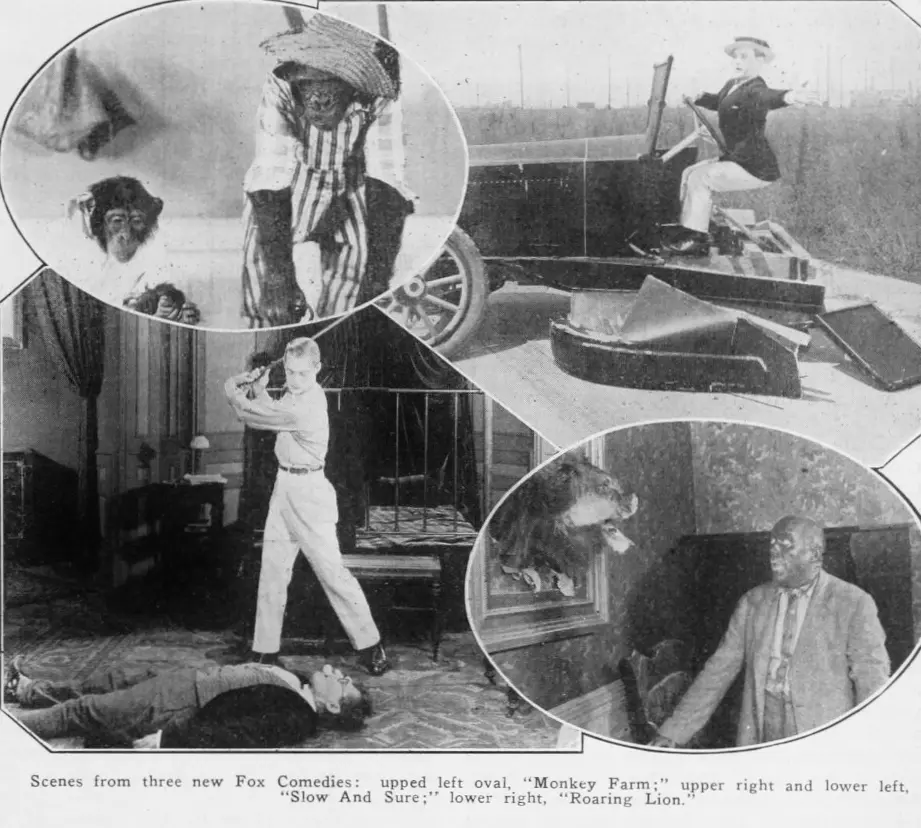
Editor Victor Lang’s cuts are measured, allowing each shot to breathe. The pacing is intentional; long takes linger on the ticking of clocks, inviting contemplation. The intertitles, designed with a crisp sans‑serif typeface, eschew melodrama, offering concise, poetic lines that complement the visual storytelling. Composer Eliza Montgomery’s score, though lost to time, is documented in contemporary reviews as a haunting blend of ragtime piano and somber strings, mirroring the film’s duality. The ragtime motifs accompany the town fair, while the strings swell during the derailment sequence, heightening the emotional stakes. Set design, overseen by art director Samuel Greene, is noteworthy for its authenticity. The clockmaker’s workshop is a veritable museum of brass tools, each meticulously placed to convey a sense of lived-in craft. The railroad yard, in stark contrast, is a sprawling expanse of steel rails and towering smokestacks, rendered in muted greys that emphasize the encroaching industrial monolith.
While "Slow and Sure" stands on its own merits, it converses with several contemporaneous films. The tension between individual agency and corporate might finds a parallel in The Dollar-a-Year Man, where a humble clerk navigates the labyrinthine bureaucracy of a burgeoning corporation. Both films employ humor to critique unchecked capitalism, yet "Slow and Sure" leans more heavily into visual metaphor than its counterpart. The motif of a derailed train as a symbol of societal breakdown recurs in The Pursuing Shadow, where a detective unravels a mystery amidst a similar catastrophe. However, where "The Pursuing Shadow" utilizes the derailment as a backdrop for noir intrigue, "Slow and Sure" places it at the emotional core, making the accident a catalyst for Jasper’s moral awakening. Moreover, the film’s focus on a craftsman’s dignity aligns with the thematic undercurrents of Whitewashed Walls, which celebrates the quiet heroism of everyday laborers.
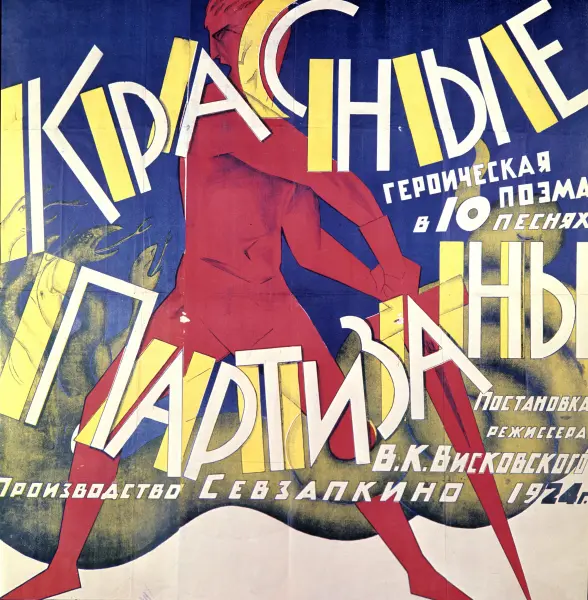
"Slow and Sure" arrived at a pivotal moment in cinematic history, as the silent era gave way to synchronized sound. Its emphasis on visual storytelling, coupled with a narrative that champions patience over haste, resonates with modern audiences grappling with the velocity of digital life. Film scholars have cited it as an early exemplar of the "slow cinema" movement, predating the works of directors like Andrei Tarkovsky and Tsai Ming-liang by decades. The film’s preservation status remains precarious; only a fragmented print survives at the Library of Congress, prompting restoration efforts spearheaded by the Silent Film Society. These endeavors underscore the film’s enduring relevance, as its themes of craftsmanship, community, and the perils of unbridled progress continue to echo in contemporary discourse. In academic circles, "Slow and Sure" is frequently referenced alongside Leben heisst kämpfen for its portrayal of personal resilience amidst societal upheaval. Both films, though culturally distinct, share a narrative optimism that champions human agency.
In sum, "Slow and Sure" is a cinematic tapestry woven with threads of humor, pathos, and visual poetry. Al St. John’s restrained performance, combined with Harold Whitman’s deliberate direction, yields a work that rewards patient viewing. Its rich mise‑en‑scene, thoughtful intertextuality, and resonant score coalesce into an experience that feels both historic and startlingly contemporary. For cinephiles seeking a film that challenges the frenetic tempo of modern entertainment while celebrating the quiet dignity of the artisan, "Slow and Sure" offers a rewarding pilgrimage. Its legacy, though threatened by the fragility of nitrate stock, endures through scholarly reverence and the occasional revival screening that reminds us: sometimes, the most compelling journeys are those taken slowly, with sure‑footed resolve.
IMDb —
1921
Community
Log in to comment.