DbcultAccessing Vault...
5.8/10
Senior Film Conservator
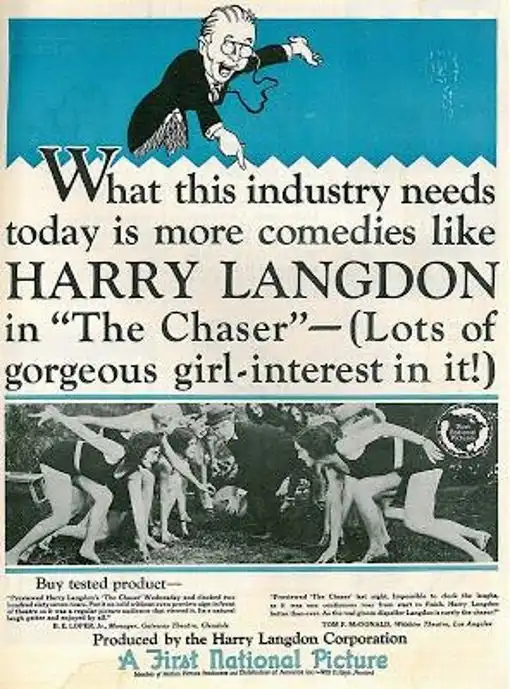
A definitive 5.8/10 rating for a film that redefined the boundaries of cult cinema. The Chaser remains a cornerstone of transgressive art.
If you are looking for the high-energy mechanical precision of Buster's Frame Up or the sentimental sweep of a Chaplin feature, The Chaser will likely leave you checking your watch. It is worth watching only if you are a student of silent comedy history or a fan of Harry Langdon’s specific brand of 'creepy toddler' humor. For the casual viewer, the film is a fascinating but ultimately draining experiment in how far a comedian can push a single joke before it snaps.
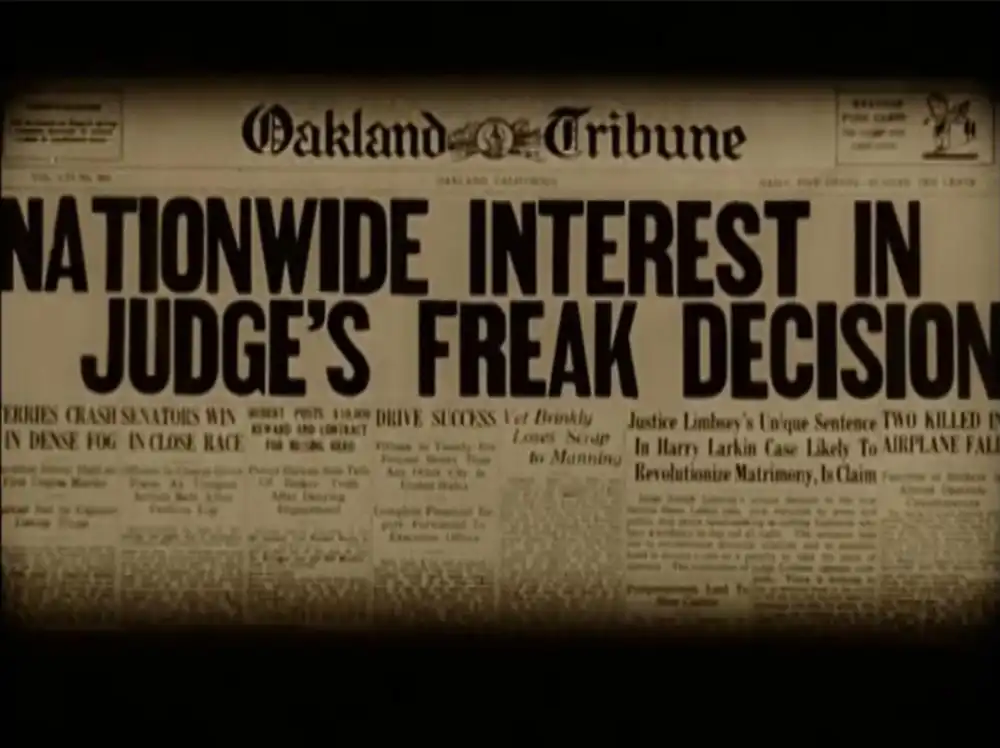
This was the first film Langdon directed himself after firing Frank Capra, and the lack of an external editor is painfully obvious. The premise—a man forced into domestic servitude in drag—is a standard vaudeville trope, but Langdon drains it of all its manic energy, replacing it with a slow, almost surrealist focus on domestic failure. It’s a film for those who find discomfort funnier than punchlines.
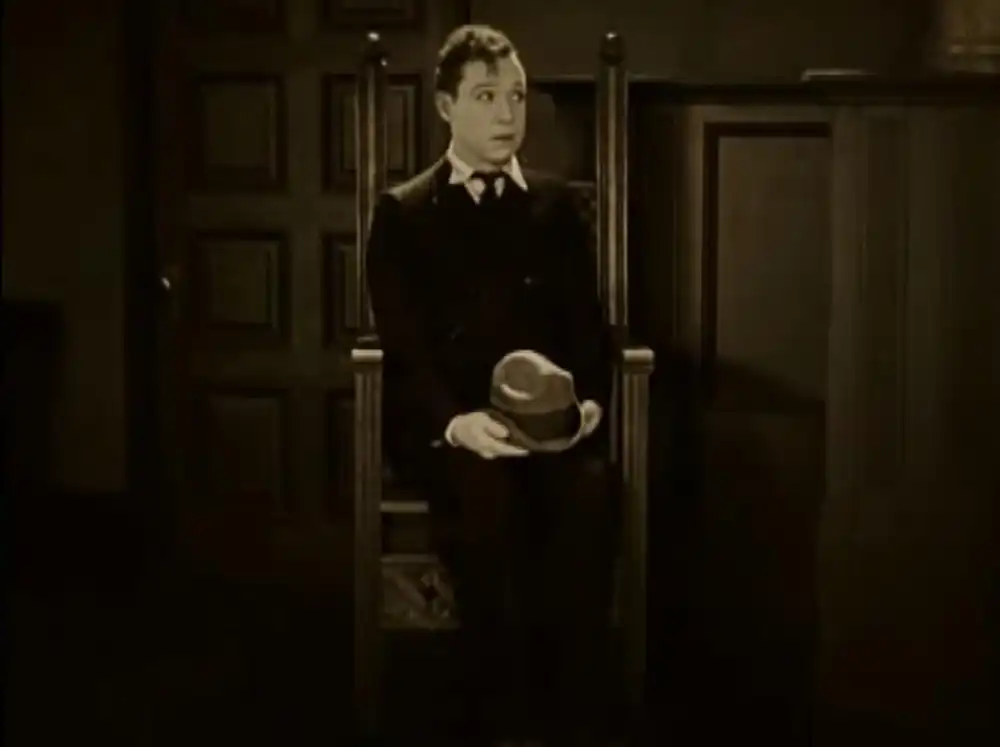
Harry Langdon’s screen persona was always an anomaly. With his white-painted face and tiny, hesitant movements, he looked like a middle-aged man who had been startled into existence five minutes before the cameras started rolling. In The Chaser, this persona is pushed to its absolute limit. When he is forced into a dress and a wig, he doesn’t play it for the broad, athletic slapstick you’d expect from his contemporaries. Instead, he plays it with a pathetic, drooping resignation.

There is a specific scene in the kitchen where he attempts to prepare a meal that feels like it lasts an eternity. He doesn't just fail to cook; he fails to understand the physics of the room. He stares at a rolling pin with the suspicion of a man looking at a live bomb. While some might find his minute facial twitches and slow-motion blinks brilliant, the scene eventually loses its comedic rhythm. You aren't laughing at the chaos; you're waiting for him to just put the flour down.
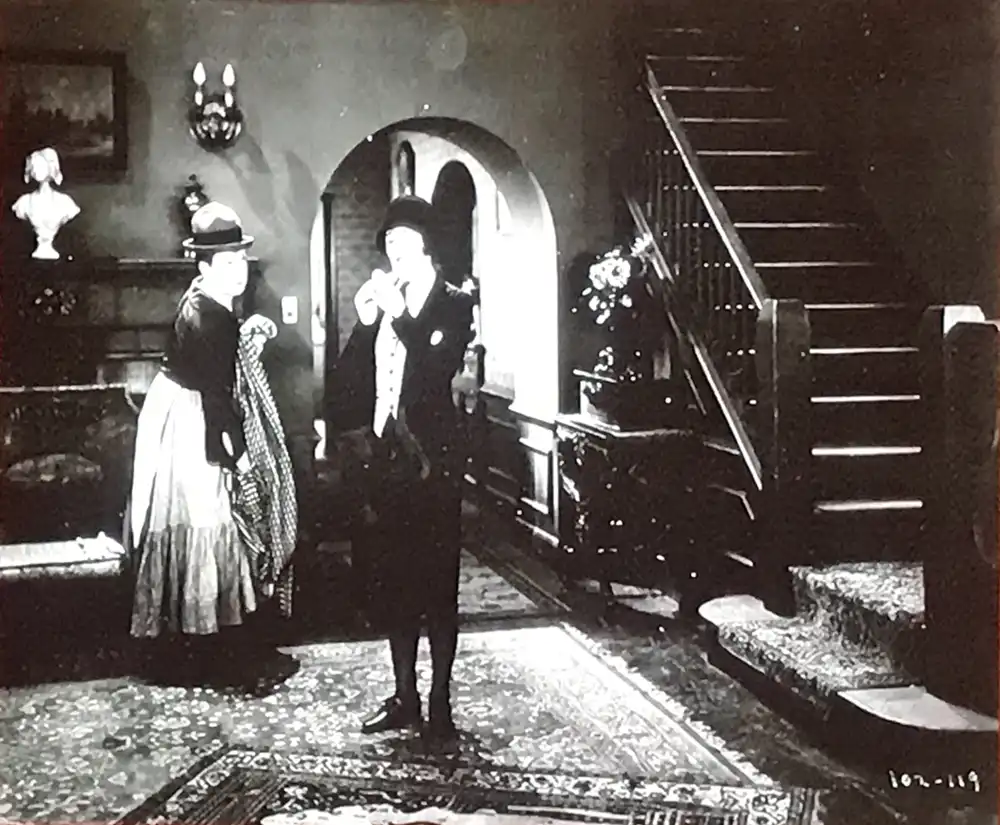
The biggest issue with The Chaser is the pacing. Without Capra to tighten the screws, Langdon allows scenes to breathe until they go blue in the face. A sequence involving a mother-in-law and a series of misunderstandings about a suicide attempt is a prime example of the film’s tonal confusion. Langdon’s character decides to end it all by sticking his head in an oven, only to be distracted by a fly. He spends several minutes trying to shoo the fly out of the oven so it won't die with him. It’s a darkly funny idea on paper, but on screen, the timing is so lethargic that the morbid wit evaporates.
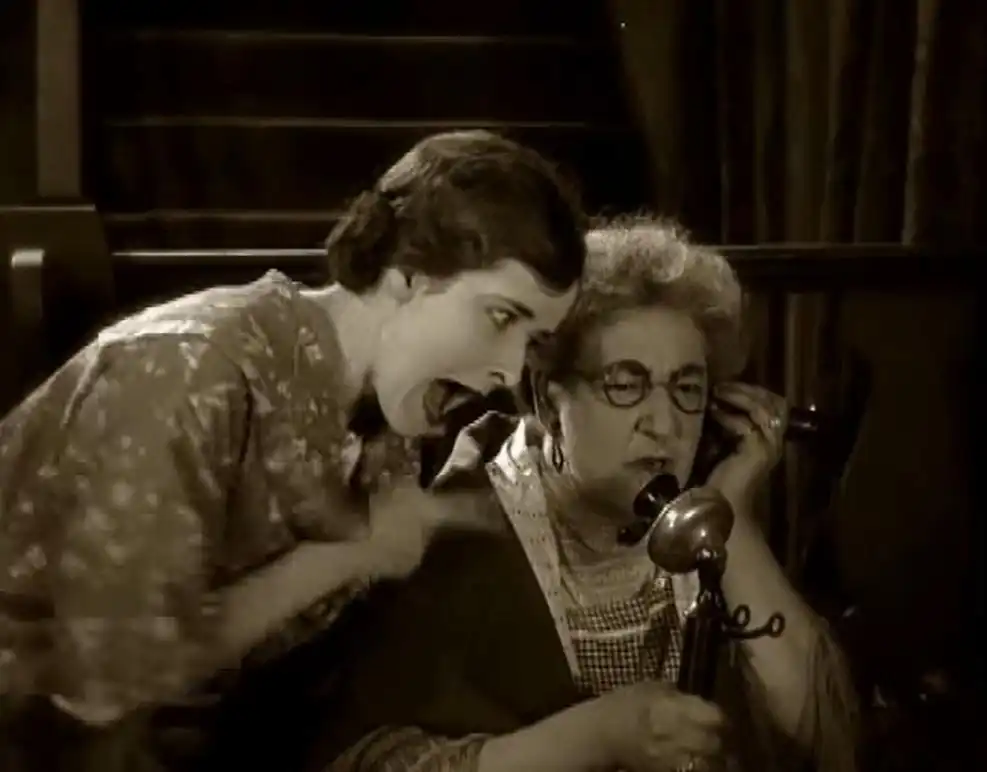
The film shifts from domestic comedy to a weirdly mean-spirited battle of the sexes without much warning. The wife, played by Helen Hayward, isn't given much to do other than look annoyed, and the judge’s 'novel solution' feels less like a comedic setup and more like a cruel social experiment. The editing lacks the 'snappiness' required for silent comedy; cuts often come three seconds too late, leaving us staring at Langdon’s blank face as he waits for the next cue.
Visually, the film is unremarkable, sticking mostly to flat, stage-like interior sets. However, there are small details that only someone who has sat through the whole thing would catch. Notice the way Langdon handles his skirt—he doesn't just wear it; he’s constantly tripping over the psychology of it. There’s a moment where he tries to flirt with a man while in drag to make his wife jealous, and the look of genuine, wide-eyed terror on the other actor's face feels unscripted and entirely appropriate.
The lighting in the courtroom scene is surprisingly harsh, making the whole ordeal feel more like a legal drama than a comedy. It’s also worth noting the background movement in the street scenes; the extras seem genuinely confused by Langdon’s presence, adding a layer of accidental documentary realism to his bizarre performance.
The Chaser is a difficult film to recommend to anyone who isn't already a devotee of the silent era. It lacks the heart of Chaplin and the technical brilliance of Keaton. It is a vanity project in the truest sense—a comedian giving himself all the screen time he wants and realizing, perhaps too late, that he needs someone to tell him 'no.'
Watch it if you want to see the exact moment a major silent star’s career began to wobble under the weight of his own ego. Skip it if you actually want to laugh. It’s a fascinating artifact, but as a comedy, it’s a long walk for a very small drink of water.
IMDb 7
1929
Community
Log in to comment.