DbcultAccessing Vault...
Cult Review
Senior Film Conservator
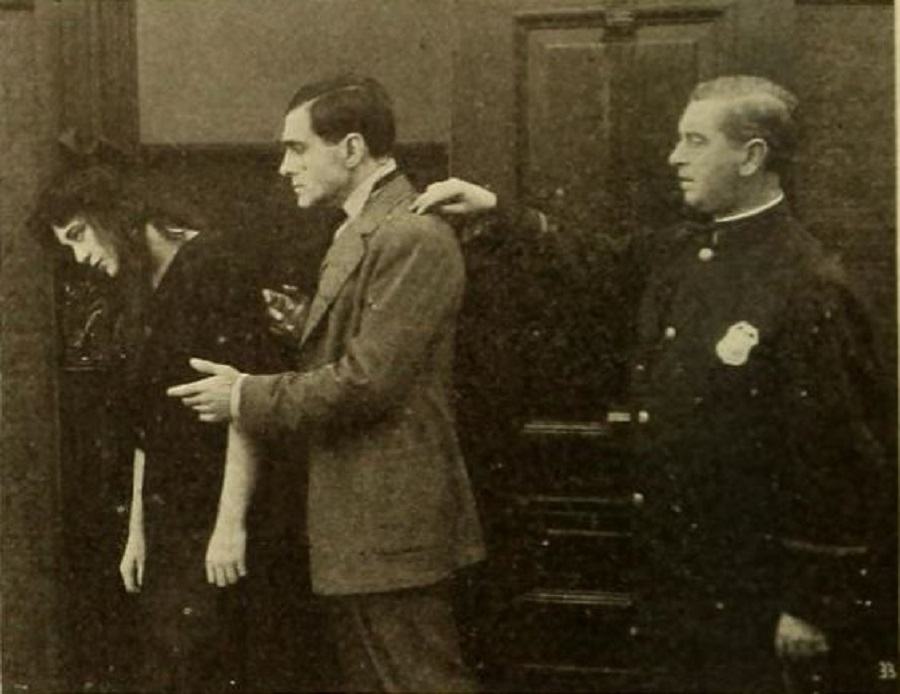
There's a peculiar magic that emanates from the silent era, a cinematic language spoken through exaggerated gestures, piercing gazes, and the evocative power of intertitles. These films, often dismissed as mere historical curiosities, frequently plumb the depths of human emotion with a raw intensity that modern cinema sometimes struggles to replicate. 'The Bitter Truth' (slug: the-bitter-truth) is precisely one such gem, a melodrama that, despite its age, continues to resonate with themes of social injustice, the intoxicating allure of revenge, and the redemptive, often complicated, power of love. It's a testament to the storytelling prowess of its time, a narrative tapestry woven with threads of despair, ambition, and profound sacrifice, all set against the stark backdrop of early 20th-century urban life.
Our journey into 'The Bitter Truth' begins not in gilded halls, but in the grime-laden alleys of Blossom Street, a microcosm of the East Side's sprawling slums. Here, amidst the huddled masses, we encounter Anne, portrayed with a compelling blend of vulnerability and nascent strength by Virginia Pearson. Pearson, a silent film veteran, imbues Anne with a luminous spirit, a beacon of sweetness that somehow persists despite the crushing weight of poverty and societal neglect. Her world, however, is irrevocably entwined with Jimmy Graves, a character brought to life by Jack Hopkins with a rogueish charm that hints at deeper complexities. Jimmy is a crook, a product perhaps of his environment, yet Anne's affection for him is unwavering, a testament to the heart's irrational loyalties. This initial setup immediately establishes a potent conflict: the pure-hearted woman caught in the orbit of a man on the wrong side of the law. It's a classic trope, certainly, but one that 'The Bitter Truth' handles with a nuanced touch, avoiding simplistic moralizing.
The catalyst for the film's dramatic unfolding is Anne's desperate attempt to warn Jimmy of an impending police raid. This act of love, however, backfires spectacularly, pulling her into the vortex of the legal system. She is apprehended alongside Jimmy, and in a cruel twist of fate, finds herself sentenced to jail by Judge Marcus. This pivotal moment solidifies Marcus not merely as an antagonist, but as the unwitting architect of Anne's future metamorphosis. The injustice of her incarceration, a consequence of her loyalty rather than any malicious intent, fuels a burning desire for retribution that will drive the rest of the narrative. This transformation from a gentle, loving woman to a vengeful schemer is one of the film's most fascinating arcs, echoing similar narratives of female agency and defiance found in films like Miss Peasant, where a woman from humble beginnings rises to challenge her predetermined fate.
Upon her release from behind bars, Anne's singular focus is revenge. Her target: Judge Marcus, portrayed by Sidney D'Albrook with an air of dignified authority that makes his eventual vulnerability all the more compelling. Marcus, unaware of the profound impact he has had on Anne's life, is on the cusp of a significant political nomination, a detail that only intensifies Anne's resolve. The irony is palpable: the man who condemned her is now within her grasp, a potential stepping stone for her meticulously planned downfall. Anne's strategy is brilliant in its simplicity and audacity: she infiltrates the Marcus household, securing a position as his wife's secretary through a clever ruse. The sheer nerve of this act, coupled with the Judge's inability to recognize the 'poor, Blossom Street thing' he once sentenced, sets the stage for a dramatic confrontation of identities and past injustices. This narrative device, where the wronged party assumes a hidden identity to exact vengeance, is a potent one, allowing for rich dramatic irony and psychological tension.
The unfolding of Anne's plan is a masterclass in silent film suspense. As she navigates the opulent world of the Marcus family, a stark contrast to her humble origins, the audience is privy to the internal conflict raging within her. The Judge, oblivious to her true identity, finds himself rapidly falling in love with her. This unexpected development adds a layer of moral complexity to Anne's mission. Is her revenge still justified if it means destroying a man who, in his current state, genuinely cares for her? This question is further complicated by the arrival of a stool pigeon, an emissary from Marcus's political opponents, who sees Anne as the perfect instrument to orchestrate a scandal that would shatter the Judge's career. Anne, still committed to her original goal, agrees to aid them, promising to put Marcus in a compromising position with witnesses at the ready. This intricate web of deceit, burgeoning affection, and political machination creates a narrative tension that is both gripping and emotionally charged. It explores themes of social manipulation and the corrupting influence of power, much like the intricate political machinations depicted in The Struggle, though with a more personal, melodramatic focus.
Simultaneously, another thread of fate begins to unravel. Jimmy Graves, having endured his own prison term, is finally released. His years of incarceration have been haunted by the indelible image of Anne, his love for her undiminished by time or separation. This unwavering devotion, portrayed by Hopkins with a quiet intensity, adds another layer of emotional weight to the impending climax. Upon learning of Anne's whereabouts at the Marcus home, Jimmy immediately sets out, driven by a desire to reunite with the woman who sacrificed so much for him. His journey represents the return of Anne's past, a physical manifestation of the life she left behind in Blossom Street, and a direct challenge to the new identity she has forged within the Marcus household. The stage is now perfectly set for a collision of worlds, a dramatic convergence of past, present, and the various forces vying for Anne's allegiance.
The film masterfully builds towards its denouement, utilizing the visual storytelling techniques inherent to silent cinema. Close-ups of Anne's conflicted face, the ticking of a prominent clock, and the looming shadows of the approaching politicians all contribute to an escalating sense of dread and anticipation. The audience is kept on tenterhooks, wondering which path Anne will ultimately choose: the path of vengeance, the path of newfound love, or the path dictated by her past loyalties. This intricate dance of motivations and impending consequences is a hallmark of strong silent film narratives, relying heavily on visual cues and the actors' expressive performances to convey complex emotional states. The silent era's ability to communicate profound internal struggles without a single spoken word is truly remarkable, and 'The Bitter Truth' exemplifies this power.
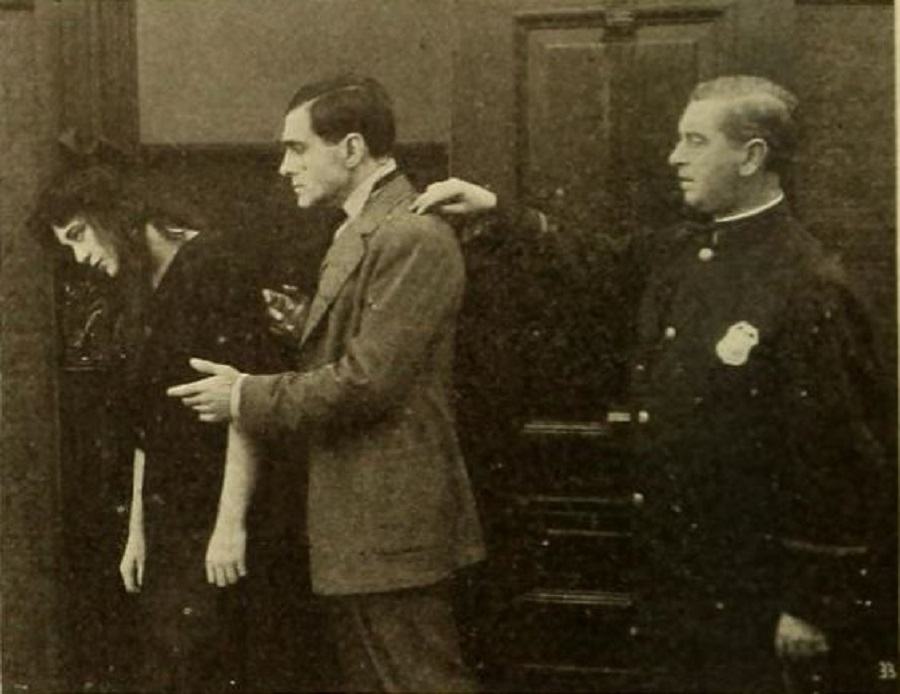
As the hour for the planned exposure draws near, the emotional core of 'The Bitter Truth' truly reveals itself. In a moment of profound realization, Anne understands that her feelings for Judge Marcus have transcended mere manipulation; she genuinely loves him. This sudden, powerful shift in her affections is beautifully conveyed through Pearson's nuanced performance, her internal struggle palpable even without dialogue. Marcus, equally smitten, kisses her again and again, a cascade of passionate embraces that seals their emotional bond. Yet, amidst this tender intimacy, the relentless ticking of a clock serves as a stark reminder of the impending trap. Anne, jolted back to the harsh reality of her scheme, pushes Marcus away just moments before the curtains are dramatically thrust back, revealing the waiting politicians and, devastatingly, Mrs. Marcus. The scene is a masterclass in melodramatic timing, a breathtaking confluence of passion, betrayal, and the crushing weight of circumstance.
In this precise, agonizing moment, Jimmy Graves arrives, completing the tragic tableau. His presence, a ghost from Anne's past, forces her hand. Faced with the destruction of the man she now loves, and the potential ruin of her own reputation alongside his, Anne makes the ultimate sacrifice. In a selfless act of love, she chooses to protect Marcus, even if it means sacrificing her own happiness and freedom. The specifics of this sacrifice are left to the visual interpretation and the intertitles, but the emotional impact is undeniable. It's a poignant resolution, one that elevates 'The Bitter Truth' beyond a simple revenge tale into a deeper exploration of love's redemptive power and the complexities of moral choice. This theme of ultimate sacrifice for a loved one is a recurring motif in classic cinema, often seen in films where characters navigate impossible choices under immense pressure, much like the moral quandaries faced by protagonists in dramas such as Eva or Unto the End, though 'The Bitter Truth' adds a unique layer of prior vengeance to the mix.
The success of 'The Bitter Truth' hinges significantly on the caliber of its performances, and the cast delivers with the expressive intensity characteristic of the silent era. Virginia Pearson as Anne is undoubtedly the heart of the film. Her transformation from a wide-eyed innocent to a hardened avenger, and finally to a woman grappling with unexpected love, is a tour de force. She conveys a vast spectrum of emotions through her eyes, her posture, and her gestures, making Anne's internal journey palpable to the audience. Jack Hopkins, as Jimmy Graves, provides a grounded counterpoint, his loyalty and love for Anne serving as a poignant reminder of her original motivation. Sidney D'Albrook's portrayal of Judge Marcus is equally commendable, capturing the dignity and eventual vulnerability of a man caught unaware by both love and political intrigue. The supporting cast, including Alice May and William H. Tooker, further fleshes out the world, contributing to the film's rich tapestry.
The direction, likely guided by Mary Murillo's compelling script, demonstrates a keen understanding of visual storytelling. The use of lighting to emphasize mood, the framing of shots to highlight emotional states, and the pacing of the narrative are all expertly handled. Silent films often relied on the stark contrast between light and shadow to symbolize moral dilemmas or emotional turmoil, and 'The Bitter Truth' employs these techniques effectively. The director ensures that even without dialogue, the audience is fully immersed in Anne's dilemma, understanding her motivations and feeling the weight of her choices. The visual language is clear, concise, and emotionally resonant, a testament to the sophisticated cinematic grammar that was rapidly developing during this period. The ability to tell such a complex story purely through images and intertitles is a testament to the artistry involved, a skill sometimes overshadowed by the advent of sound but which, in films like this, shines brightly.
While 'The Bitter Truth' undoubtedly embraces the melodramatic conventions of its time, it also delves into themes that remain profoundly relevant today. The stark portrayal of social inequality, exemplified by the contrast between Blossom Street and the Marcus household, serves as a powerful commentary on class divisions and the judicial system's inherent biases. Anne's initial imprisonment, a consequence of her association with a 'crook' rather than a direct criminal act, highlights the arbitrary nature of justice for the poor. This social critique, while not as overtly political as some contemporary films, is nevertheless woven into the fabric of the narrative, giving it an enduring resonance. It subtly questions the façade of respectability and justice, suggesting that truth, indeed, can be bitter.
Moreover, the film's exploration of revenge versus redemption, and the transformative power of unexpected love, speaks to universal human experiences. Anne's journey is one of profound moral evolution. Her initial thirst for vengeance is gradually tempered and ultimately superseded by a deeper, more selfless emotion. This arc suggests that while the desire for retribution can be powerful, true human connection and love have the capacity to heal and to inspire acts of profound sacrifice. The film doesn't offer easy answers, nor does it shy away from the pain inherent in Anne's final decision. Instead, it presents a complex portrait of a woman navigating impossible choices, forced to weigh her past grievances against her present affections. This complexity ensures that 'The Bitter Truth' transcends its melodramatic trappings, offering insights into the human condition that are as pertinent now as they were a century ago. It stands as a powerful reminder of the rich storytelling tradition of the silent era, deserving of a place in any serious discussion of cinematic history.
In conclusion, 'The Bitter Truth' is far more than a historical artifact; it is a vibrant, emotionally charged drama that speaks volumes about love, justice, and the sacrifices we make for those we hold dear. It's a testament to the expressive power of silent film, showcasing compelling performances, skillful direction, and a narrative that continues to provoke thought and stir the heart. For anyone seeking to understand the enduring appeal of early cinema, or simply looking for a powerful story well told, this film offers a deeply rewarding experience, proving that some truths, however bitter, are timeless.
IMDb —
1926
Community
Log in to comment.