DbcultAccessing Vault...
7.2/10
Senior Film Conservator
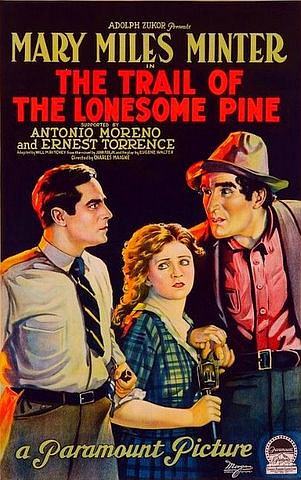
A definitive 7.2/10 rating for a film that redefined the boundaries of cult cinema. The Trail of the Lonesome Pine remains a cornerstone of transgressive art.
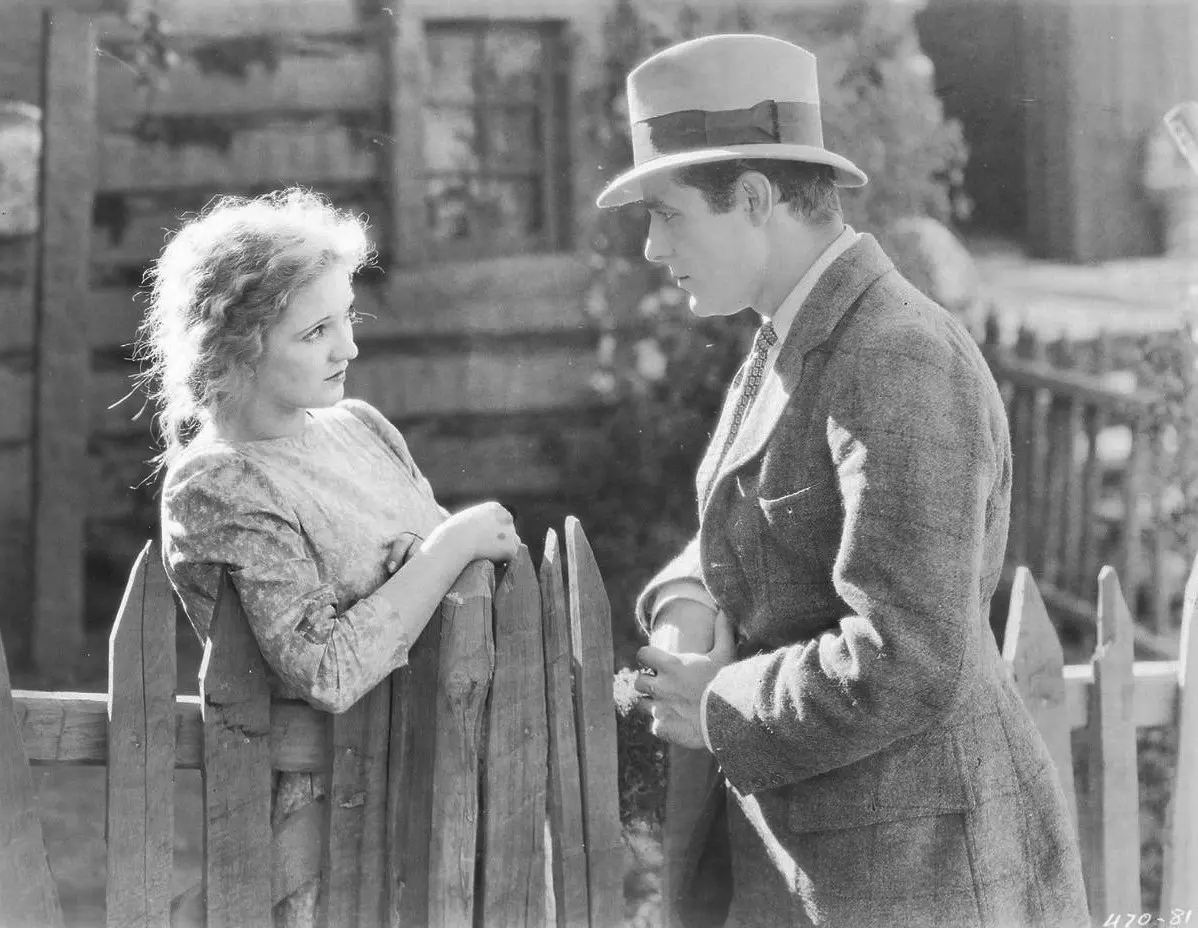
The Trail of the Lonesome Pine, a silent film released in 1923, is a masterful adaptation of John Fox Jr.'s novel of the same name. Directed by Cecil B. DeMille, the film tells the story of June Tolliver, a beautiful and strong-willed young woman, played by Mary Miles Minter, who finds herself caught in the midst of a long-standing feud between her family and the Falins. The film's narrative is a complex and nuanced exploration of the destructive nature of hate and the redemptive power of love.
One of the standout aspects of the film is its use of cinematography, with the stunning natural beauty of the Appalachian Mountains serving as a backdrop for the drama that unfolds. The film's use of dark orange hues and yellow tones adds a sense of warmth and depth to the narrative, while the sea blue skies above serve as a reminder of the infinite possibilities that lie beyond the confines of the feud. The camerawork is equally impressive, with a mix of sweeping vistas and intimate close-ups that draw the viewer into the world of the film.

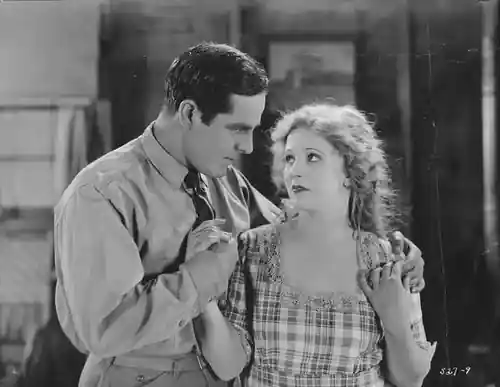
The cast of the film delivers strong performances across the board, with Minter shining as the determined and independent June. Ernest Torrence, who plays the role of Jud Tolliver, brings a sense of gravity and intensity to the film, while Antonio Moreno, as the charming and resourceful John Hale, provides a perfect foil to Minter's June. The chemistry between the leads is palpable, and their romance serves as the emotional core of the film.
In terms of themes, The Trail of the Lonesome Pine is a film that explores the destructive nature of hate and the redemptive power of love. The feud between the Tollivers and the Falins serves as a metaphor for the senseless violence and bloodshed that can result from unchecked hatred, while June and John's love serves as a beacon of hope and redemption. The film also touches on issues of identity and community, as June navigates her place within the world of her family and the larger community.
The film's pacing is well-balanced, with a mix of action, drama, and romance that keeps the viewer engaged. The narrative is complex and nuanced, with a number of unexpected twists and turns that add to the film's sense of tension and suspense. The film's use of title cards and intertitles is also noteworthy, with a number of clever and insightful observations that add to the film's emotional resonance.
In comparison to other films of the era, The Trail of the Lonesome Pine stands out for its thoughtful and nuanced exploration of complex themes. Films like The End of the Road and The Winning of Beatrice also deal with issues of love and redemption, but they lack the depth and complexity of DeMille's film. The Raggedy Queen and The Vermilion Pencil are more lighthearted and comedic in tone, while The Donkey Did It and Broadway Arizona are more action-oriented. The Punctured Prince and Cupid Forecloses are also noteworthy, but they lack the sense of scope and ambition that defines The Trail of the Lonesome Pine.
Overall, The Trail of the Lonesome Pine is a film that is both a product of its time and a timeless classic. Its thoughtful and nuanced exploration of complex themes, combined with its strong performances and impressive cinematography, make it a must-see for fans of silent cinema. While it may not be as well-known as some of DeMille's other films, it is a hidden gem that is sure to reward viewers with its rich and engaging narrative. As such, it is a film that deserves to be rediscovered and reappreciated, and its influence can still be felt in many modern films and TV shows. For example, the theme of feuding families is still a popular one in modern media, with shows like Barrabas and A Gay Old Dog exploring similar ideas. The film's use of dark orange and yellow hues has also been influential, with many modern films and TV shows incorporating similar color schemes into their visuals.
In addition to its technical achievements and thoughtful themes, The Trail of the Lonesome Pine is also notable for its historical significance. The film was released in 1923, a time of great social and cultural change in the United States. The film's portrayal of the Appalachian Mountains and its people is particularly noteworthy, as it provides a glimpse into a way of life that was rapidly disappearing. The film's use of location shooting and its incorporation of local customs and traditions add to its sense of authenticity and make it a valuable historical document.
In conclusion, The Trail of the Lonesome Pine is a film that is both a classic of the silent era and a timeless tale of love and redemption. Its thoughtful and nuanced exploration of complex themes, combined with its strong performances and impressive cinematography, make it a must-see for fans of cinema. While it may not be as well-known as some of DeMille's other films, it is a hidden gem that is sure to reward viewers with its rich and engaging narrative. As such, it is a film that deserves to be rediscovered and reappreciated, and its influence can still be felt in many modern films and TV shows. With its sea blue skies, dark orange hues, and yellow tones, The Trail of the Lonesome Pine is a film that will leave viewers with a lasting impression and a deeper appreciation for the art of cinema.
IMDb 5.7
1935
Community
Log in to comment.