DbcultAccessing Vault...
Cult Review
Senior Film Conservator
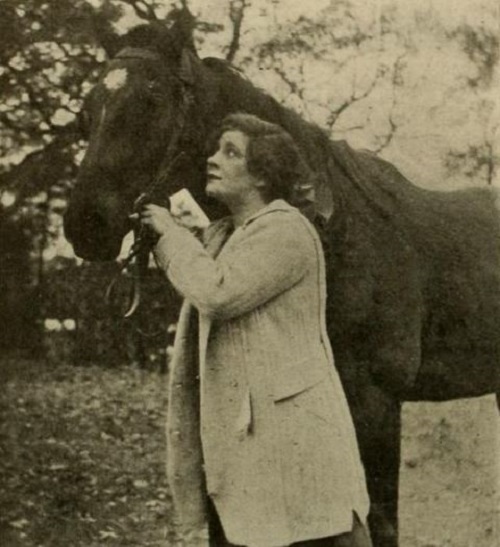
Seldom does a film from cinema’s infancy feel less like embalmed artifact and more like windburn on raw skin. The Trail of the Lonesome Pine—shot in 1916, splashed with hand-tinted firelight, and marinated in the sour mash of Appalachian legend—throbs with a startling, almost predatory immediacy. Director Frank L. Dear and adapter Eugene Walter distill John Fox Jr.’s brisk novel into a parable of capital colliding with clan, of education weaponized as both liberation and betrayal. The result is a nickelodeon fever dream where geology becomes destiny, and where every close-up of Dixie Compton’s June seems to inhale the very oxygen from the room.
Richard Allen’s Jack Hale arrives like an avatar of American modernity: pressed linen, swagger stick, a smile calibrated in boardrooms. Yet Allen—equal parts matinee polish and rough-hewn sinew—never lets us forget the engineer’s appetite for domination. Watch him trace coal seams with gloved fingers; the gesture is clinical, erotic, colonial. When he squares off against Frank L. Dear’s feral Dave Tolliver, the frame vibrates with a tension more customarily found in later urban crime sagas like The Crime and the Criminal.
Color tinting here is no mere novelty; it is ideology. Daylit exteriors glow with cerulean promise, but once the moonshine burns or the dynamite fuses hiss, the stock saturates to molten amber—capitalism’s true hue, the film winks. In night-for-night forest chases, cobalt gives way to sulfurous yellow that seems to sweat from the screen itself. Compared to the monochrome docudrama austerity of The Battle of Gettysburg, this chromatic volatility feels almost punk-rock.
Mrs. Stuart Robson’s moon-crinkled Uncle Billy, part Greek chorus and part holy fool, wanders through scenes quoting Ecclesiastes while cradling a fiddle older than the feud. His presence steadies the narrative keel, preventing the love triangle from capsizing into melodrama. In one breathtaking tableau, he bows a lullaby as Dave’s rifle cocks off-screen; fiddle and gun click form a macabre duet that anticipates the sound-bridge experiments of Soviet montage half a decade later.
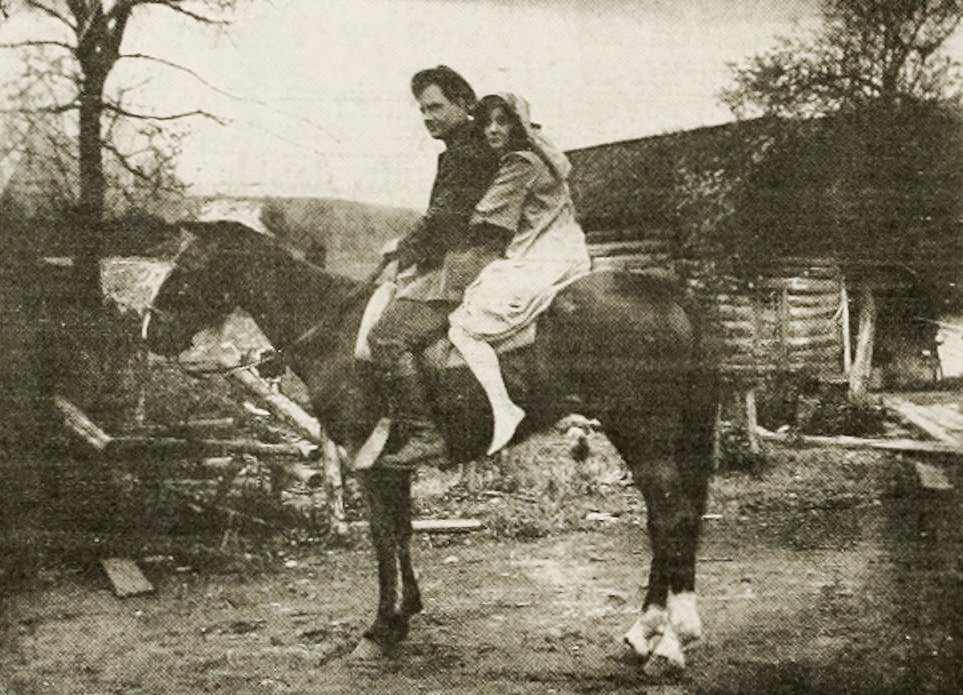
June’s metamorphosis from mountain sylph to city-educated woman is rendered not through intertitles but through costume logic: homespun giving way to beaded flapper collar, awkward wristlet gloves, a cloche hat she keeps touching as if it might bite. Compton’s micro-gestures sell the transformation—note how she unconsciously scrapes soot from her city sleeve the instant she re-enters the family cabin. The moment recalls Maria’s return in Home, Sweet Home, yet Compton adds a sting of self-disgust that foreshadows 1920s flapper cynicism.
At its core, the picture is a dialectic between extraction and affection. Jack’s drills chew toward fossilized carbon while his heart gravitates toward June’s animate warmth; Dave’s dynamite intends to obliterate memory, yet every blast only engraves trauma deeper into mountain stone. The film refuses to pick sides: industry brings schools yet erodes topsoil; feudal violence is barbaric but also a fierce prophylaxis against outside ownership.
Walter’s screenplay compresses the novel’s tertiary subplots without sacrificing the moral murk. Gone are the comic relief possum hunters, erased is the Northern capitalist caricature. In their place: ellipses pregnant with dread. When Dave and Red Fox scheme to abduct June, we never see the kidnapping; we leap from conspiratorial whisper to June’s battered nightgown, a lacuna more chilling than any on-screen assault. The elision feels almost contemporary—think of the off-screen horrors in The Temptations of Satan—and it weaponizes viewer imagination as an accomplice.
Yet for all its proto-noir shadows, the film ultimately believes in moral readability. Dave dies in self-authored conflagration; Jack survives to inherit both bride and moral authority. The finale’s marriage-under-the-pine plays like liturgical theater: natural light haloing the couple, mountain folk arranged like carved saints, Uncle Billy intoning vows with a quaver equal parts joy and requiem. The moment is cathartic but not cloying, partly because the preceding reel showed us Judd’s corpse wrapped in burlap, jostling in a mule cart—death’s banality as counterweight to love’s transcendence.
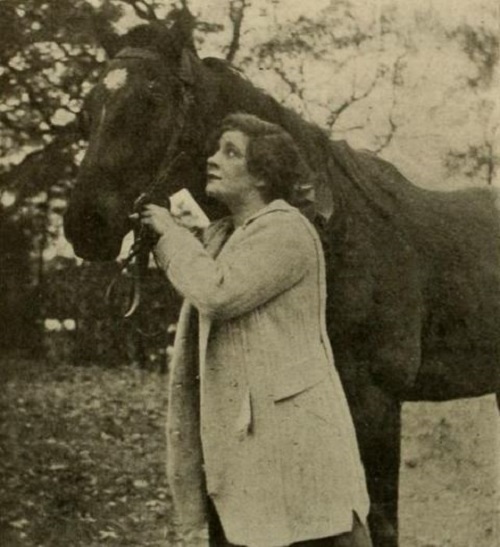
Modern viewers may flinch at gender politics: Jack’s wallet bankrolls June’s Bildung, his decree ships her northward, his pardon re-welcomes her home. Yet Compton’s acting complicates the patriarchal ledger. In the climactic confrontation she seizes a rifle, strides into no-man’s-land between clans, and screams—not a helpless shriek but a guttural command that momentarily freezes every male finger on every hair trigger. The film may not pass the Bechdel test, but it grants its heroine temporary sovereignty over the diegesis itself.
Technically, the picture brims with innovations we usually credit to later eras. A proto-dolly shot glides across a tavern floor, following a whiskey bottle passed hand to hand until it reaches Dave, the poisoned chalice literalized. Cross-cutting during the feud battle anticipates Griffith’s large-scale tactics in The Battle of Gettysburg, yet Dear interweaves a child’s marble game between cuts—idle play juxtaposed with lethal volley, a Brechtian alienation before Brecht.
The score, now lost, survives in cue sheets calling for Appalachian reels morphing into Mendelssohn—folk authenticity courted by classical respectability, mirroring the cultural collision within the plot. One can almost hear bow scrape catgut as dynamite’s fuse hisses, a duet of creation and destruction.
Compared to other 1916 releases, Lonesome Pine feels less like relic and more like prophecy. Where The Jungle wallows in urban muckraking and Engelein flirts with whimsical surrealism, this film tunnels inward to America’s foundational wounds: resource rape, clan mythos, the feminine body as disputed territory. Its DNA reemerges in Chained to the Past and even in the ecological fatalism of The Chimney Sweeps of the Valley of Aosta.
Revisiting it today, one senses cinema still trying to outrun its own contradictions—between commerce and art, between documentation and mythmaking. The Trail of the Lonesome Pine does not resolve those tensions; it ignites them, then stands back to watch the ridge burn. That the blaze still flickers in our collective retina a century later testifies not to nostalgia but to the medium’s primal power: to scar, to seduce, and to leave us stumbling out of the dark, blinking at a world suddenly more flammable than we remembered.
IMDb 6.9
1921
Community
Log in to comment.