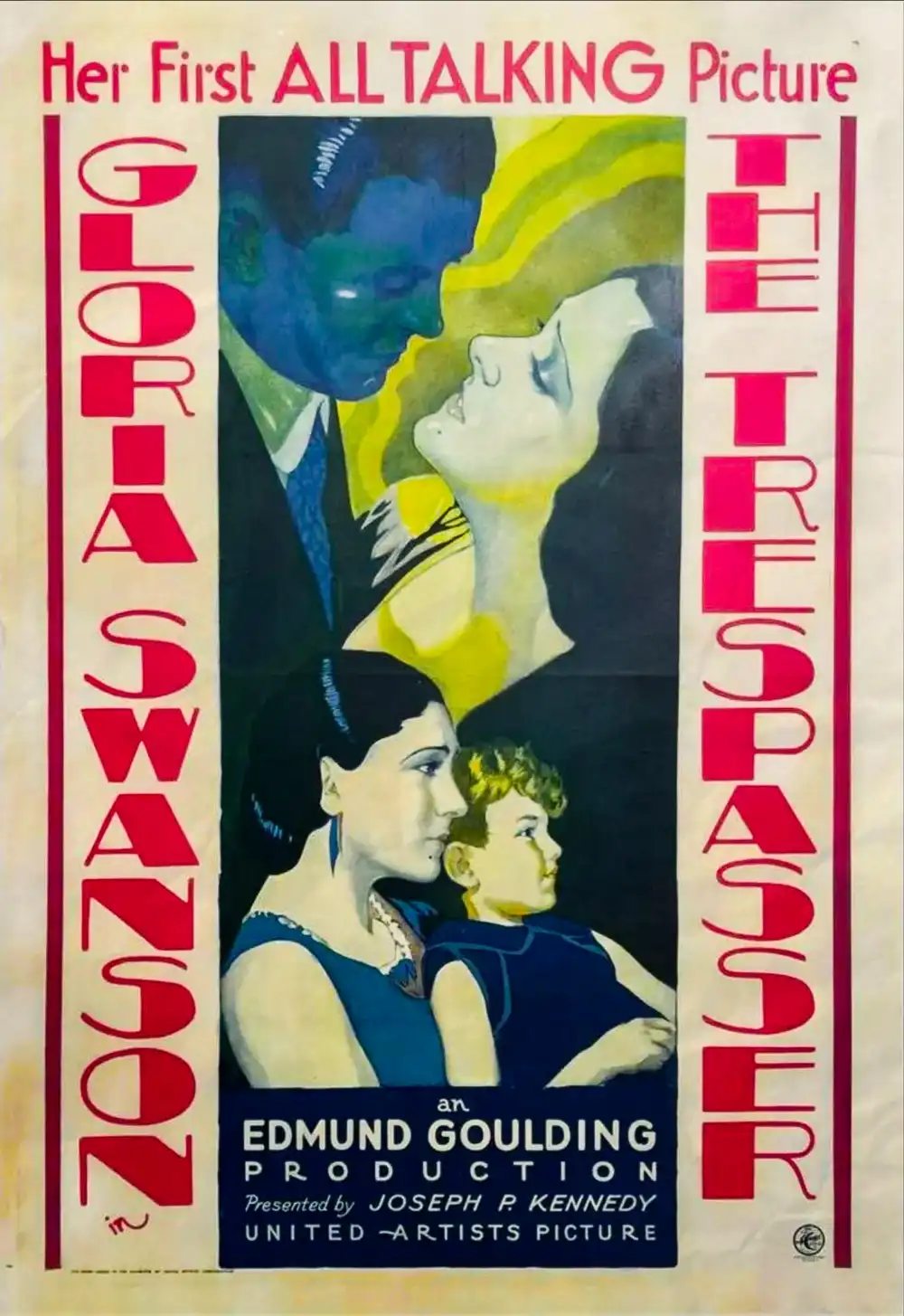
A definitive 6.5/10 rating for a film that redefined the boundaries of cult cinema. The Trespasser remains a cornerstone of transgressive art.
Okay, so The Trespasser? If you're into silent-era drama, or maybe just curious about Gloria Swanson before she became Norma Desmond in Sunset Boulevard, then yeah, give it a look. It’s got that old-school melodrama thing going on, really leans into it.
But if you need fast-paced action or don't have patience for a silent picture (even a 'part-talkie' one), you'll probably bounce off this pretty quick. It's a specific flavor, for sure. 🤷♀️
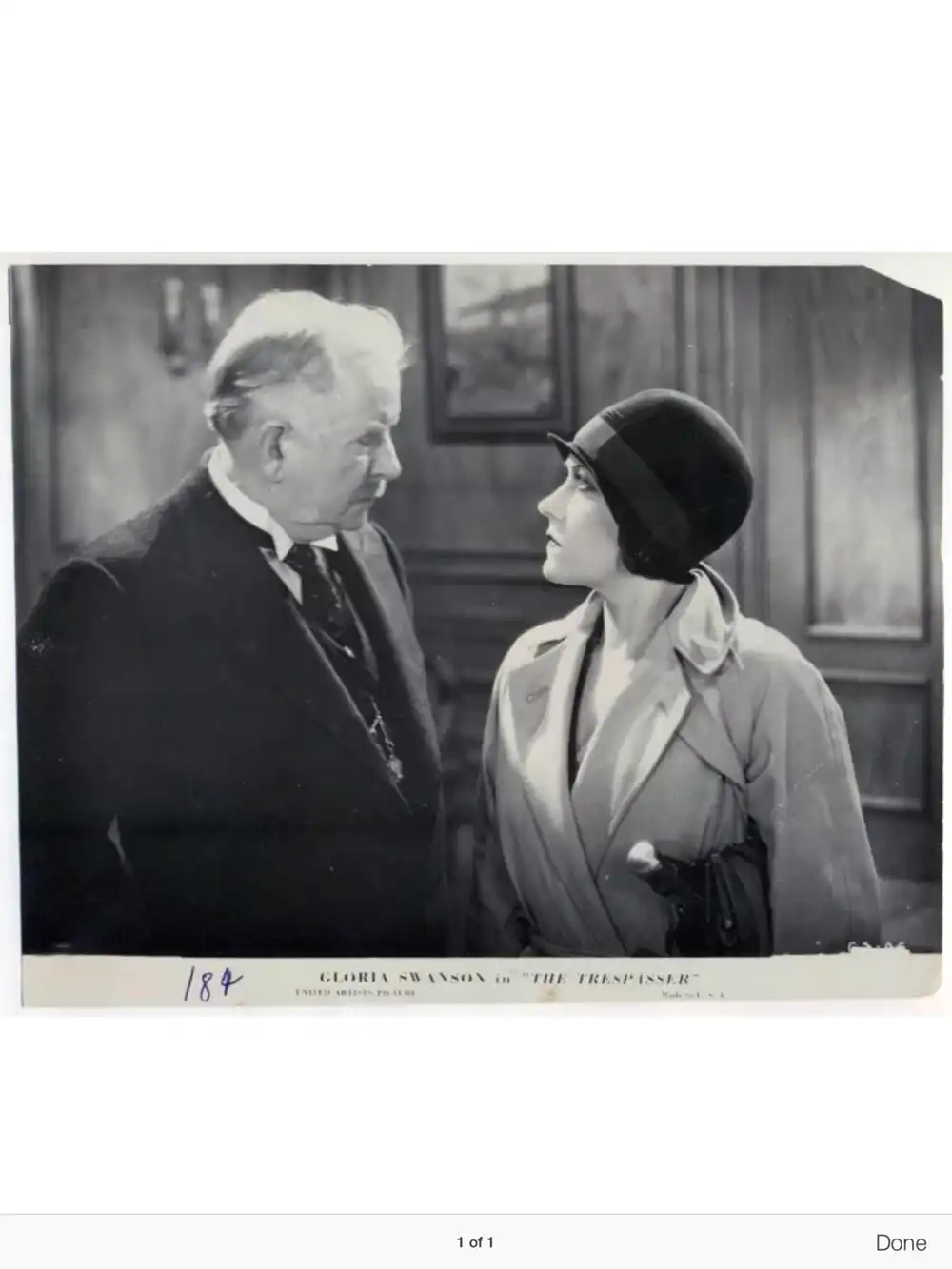
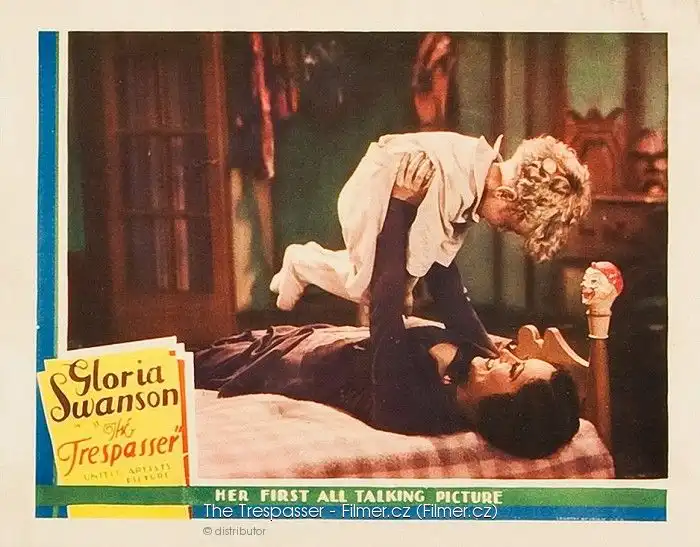
Scene from The Trespasser
Cinematic perspective: Exploring the visual vocabulary of The Trespasser (1929) through its definitive frames.
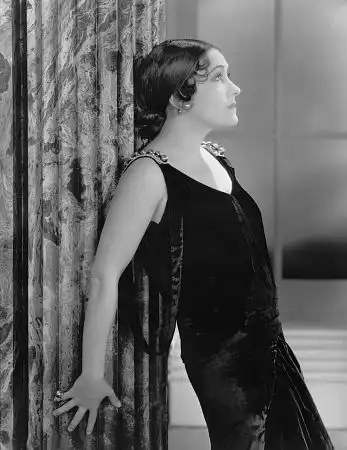
Gloria Swanson's Unmistakable Presence
From the moment Gloria Swanson appears as Marion, she just _radiates_ something. There’s a certain strength, even when she’s supposed to be vulnerable. It’s not just in her eyes; her whole posture, the way she moves, it’s all part of the act.
She makes you feel for Marion right from the jump, even when Marion makes choices that, let’s be honest, are a bit impulsive. Like eloping! You just know that’s not going to end well in a 1929 movie.
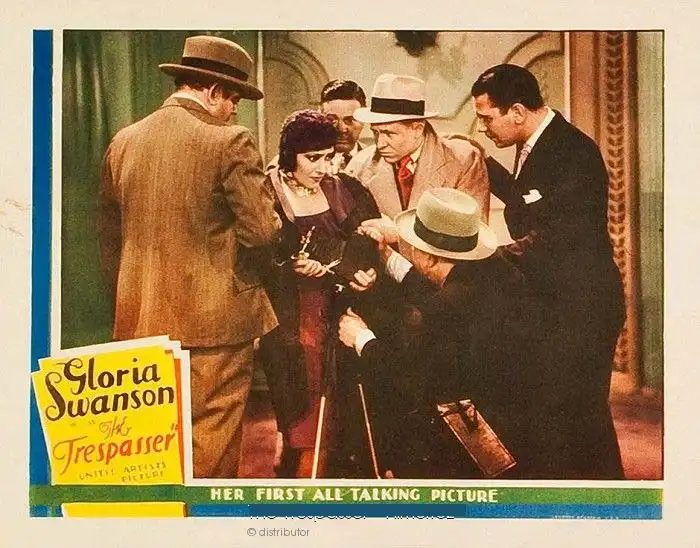
Scene from The Trespasser
Cinematic perspective: Exploring the visual vocabulary of The Trespasser (1929) through its definitive frames.
The film doesn't waste much time getting to the heartbreak. Marion’s husband, Robert, dies suddenly, leaving her alone and, well, pregnant. And *then* the real mess begins.
There’s a shot, I think it’s when she’s first getting news about her husband, where the camera just... holds. You see her face, and then just *her face* for a bit too long. Like the director, Edmund Goulding, just wanted us to really soak in what Swanson was doing. It’s effective, but also a little jarring for modern eyes, used to quicker cuts.
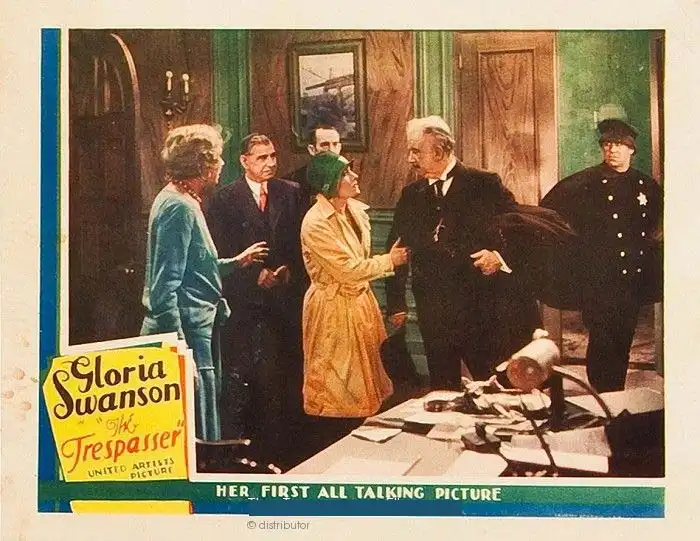
Scene from The Trespasser
Cinematic perspective: Exploring the visual vocabulary of The Trespasser (1929) through its definitive frames.
Marion gives birth out of wedlock, which back then was, like, a huge deal. A scandal. She keeps it a secret, of course, because what else is a strong-willed woman in a melodrama to do?
Her interactions with her ex-husband, Hector, are particularly tense. He's this wealthy, slightly snobbish guy who doesn't even know he has a child. You can feel the weight of Marion’s secret in every scene they share.
Scene from The Trespasser
Cinematic perspective: Exploring the visual vocabulary of The Trespasser (1929) through its definitive frames.
It’s not just the big dramatic moments, either. There are these smaller beats, like Marion trying to make ends meet, working as a typist. You see her trying to maintain dignity while the world seems to be crumbling around her. That’s where Swanson really shines, in those quiet struggles.
One moment, I remember, she’s sitting at her desk, and there's a quick close-up of her hands, almost trembling, as she types. It’s a little thing, but it tells you so much about her internal stress without needing a title card.
Scene from The Trespasser
Cinematic perspective: Exploring the visual vocabulary of The Trespasser (1929) through its definitive frames.
The 'Part-Talkie' Aspect
This film is interesting because it’s a 'part-talkie.' So you get stretches of silence with title cards, and then suddenly, full sound sequences. It’s a bit of a historical curiosity, really.
The sound parts can be a little rough, as you'd expect for 1929. The dialogue sometimes feels a bit… *staged*. But then you get a song from Swanson, and her voice is just lovely, which is a nice surprise.
It’s a neat glimpse into that transitional period in Hollywood, when they were figuring out how to do sound. Sometimes it works, sometimes it feels like they’re still learning. The way the music swells and then suddenly cuts to silence is kinda jarring, but also historically cool, if that makes sense.
A Mother's Sacrifice, Very Big and Dramatic
The core of the story is Marion’s struggle to keep her son, even if it means sacrificing her own happiness. She literally gives up her child so he can have a better life, but then can’t stay away from him. It’s *very* dramatic.
There's a scene where she goes to visit her son, now living with the ex-husband, and just watches him from afar. The pain on her face is palpable. You don't need dialogue to get that. It’s pure, old-school emotional acting.
The supporting cast is… fine. Bobby Dunn plays this sort of comic relief character, but his bits sometimes feel a little out of place with the heavy drama. Like, one minute we’re crying with Marion, the next we're watching someone stumble for a laugh. It kinda breaks the spell.
Ultimately, The Trespasser is a fascinating watch if you appreciate classic Hollywood and the incredible talent of Gloria Swanson. It’s melodramatic to the max, but she sells every single moment of it. It’s not for everyone, but if you let yourself sink into its particular rhythm, there’s a lot to like.