DbcultAccessing Vault...
Cult Review
Senior Film Conservator
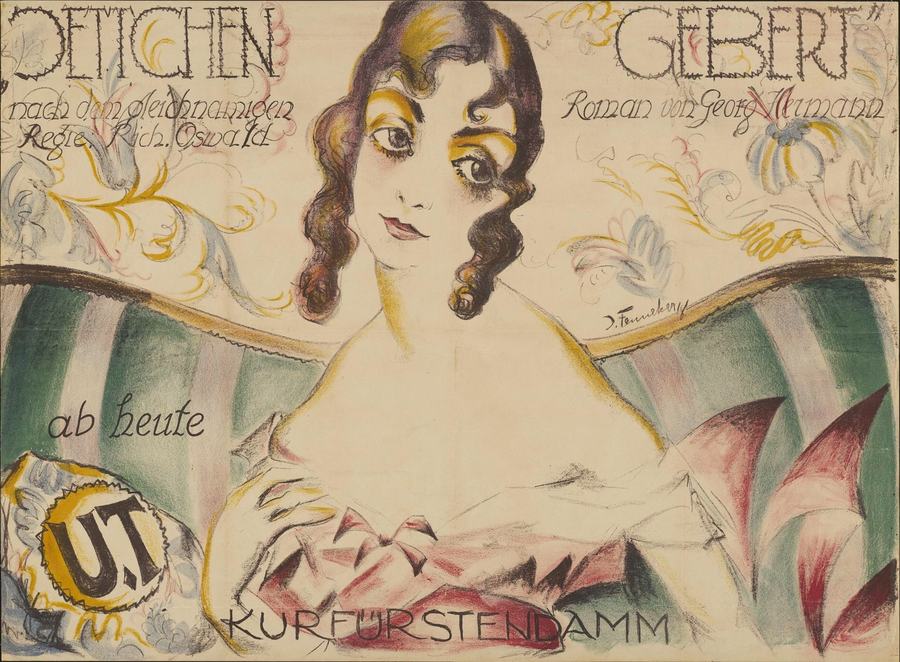
Richard Oswald’s Jettchen Gebert’s Story opens on a close-up so tactile you can virtually sniff the bergamot rising from a heated teacup. It is 1918 yet the screen feels like pressed vellum; every intertitle arrives as if hand-written with a quill dipped in candle soot. Within seconds the film annihilates the notion that German silent drama had already calcified into stilted tableaux. Instead, Oswald’s camera glides, pirouettes, lunges—an eager dance partner rather than a mortician.
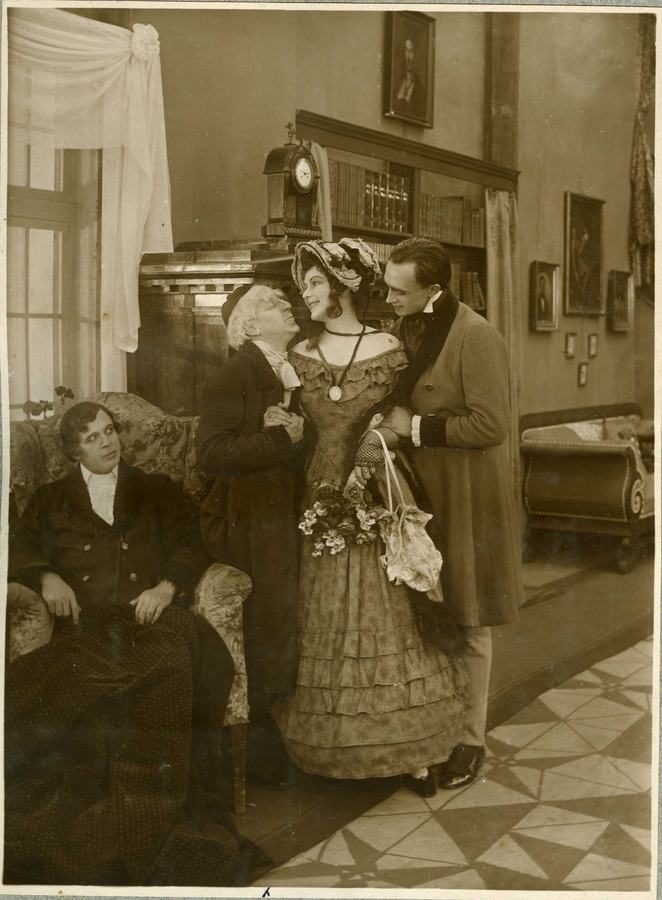
Shot while the Great War exhaled its last mustard-gas sighs, the picture luxuriates in opulence that should not, by rights, exist. Rationing be damned: velvet drapes billow like burgundy oceans, candelabras multiply in mirrors ad infinitum, and night-exteriors are drenched in enough magnesium flare to make modern blockbusters blush. Oswald’s regular cinematographer, Max Fassbender, lenses Berlin as a diaphanous fever dream, somewhere between Victorian clutter and the impending Weimar abyss. The result? Frames that quiver on the brink of dissolution—like a daguerreotype held too close to a radiator.
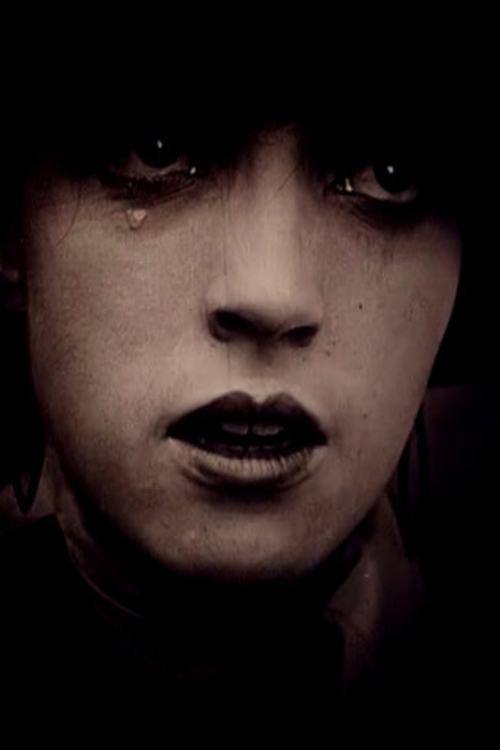
Mechthildis Thein delivers one of the silent era’s most underrated turns. Watch her pupils in the engagement-parlor scene: they dilate from dove-grey to thunder-head black the instant Hugo Döblin’s Maximilian brushes her wrist. No need for explanatory titles; Thein has already written volumes with micro-muscles. Later, when she confronts her fiancé with the incriminating IOU, her smirk is a guillotine—sweetness severed from sanity. Compare that raw interiority to Hearts United’s more operatic gestures, and you’ll grasp why naturalistic acting historians still hunt this lost print like truffle pigs.
Veidt’s cameo—clocking under two minutes—nonetheless hijacks the film’s nervous system. He slinks into the ballroom wearing a blood-red boutonniere, the waistcoat cut so sharp rumor has it tailors required tetanus shots. With a languid flick of his cigarette holder he redirects every eye, including the camera’s, which seems embarrassed to blink. His line (via intertitle) reads:
“Berlin is a city that forgives everything but sincerity.”The sentence detonates like a snuffbox of gunpowder; suddenly every dancer’s mask feels a little more paper-thin.
Georg Hermann’s source novel hymned the Jewish bourgeoisie, a milieu often airbrushed from imperial nostalgia. Oswald preserves that ethnicity without reducing characters to ethnographic curios. Jettchen’s family celebrates Purim off-camera; we glimpse hamentaschen on a Sevres plate. The detail is microscopic yet seismic, because it reframes the entire scandal: the forged promissory note isn’t merely erotic sabotage—it is latent anti-Semitic bait, a whisper that money here is both tribal and treacherous. The subplot anticipates the more overt pogrom dread coursing through V ikh krovi my nepovny.
Ilka Karen’s tubercular seamstress, Liesl, operates as Jettchen’s fun-house reflection: both women trade on desirability, yet only one can afford the luxury of illness. In a bravura sequence, Liesl coughs blood onto bridal lace she’s commissioned to sew, staining the future nuptials pink. The symbolism lands harder than any lecture on commodified femininity. Meanwhile, Helene Rietz’s widowed aunt advises:
“Marry first, repent at leisure; the world lets a wife sin only after the ring is paid in full.”The line is proto-Lea, a reminder that matriarchs can be both jailers and co-conspirators.
Devotees of The Sins of the Mothers will recognize Oswald’s fascination with cyclical guilt, yet here the tone is lighter, almost Mozartean, until the finale descends like a blunt cleaver. Where The Strong Way moralizes about prostitution with punitive zeal, Jettchen relishes the erotic chase, permitting its heroine sensual agency rare for 1918. And if you’ve savored the maritime claustrophobia of Journey’s End, transpose that tension onto a lantern-lit barge: same ticking doom, different corsets.
The 2022 2K restoration by Deutsche Kinemathek sources a 35mm nitrate print discovered in a Rio de Janeiro basement, water-logged but miraculously complete. Chemists stabilized the image with a sodium-bicarbonate bath, reviving the blue-tinged flicker of early Agfa stock. For home viewing, the streaming bundle includes two scores: a traditional piano trio (heavy on Schubert quotations) and an avant-garde electronic track by Berlin’s EMA Ensemble, who sample ticking pocket-watches and typewriter clacks. Try both: the tonal whiplash proves how mutable silent cinema can be.
Keep your eyes peeled for:
Though eclipsed by the Expressionist phantasmagoria of The Cabinet of Dr. Caligari two years later, Jettchen Gebert’s Story sowed seeds for the kammerspielfilm cycle: intimate bourgeois tragedies where wallpaper absorbs more trauma than castles. You can trace its DNA in Den tredie magt’s marital suffocation and even in Max Ophüls’ later Liebelei. Meanwhile, Thein’s flutter-hand nervousness prefigures Gish and Brooks; her work here deserves canonical syllabi, not footnote oblivion.
Is the film flawless? Hardly. Mid-act pacing hiccups when Oswald lingers on bureaucratic exposition—perhaps a concession to Hermann’s novel. A few comic-relief servants mug so broadly they seem teleported from a Black Crook revue. Yet these are quibbles against the film’s cumulative throb: a sensuous, sly, politically prickled reverie that makes most heritage cinema look embalmed.
So, should you watch? If you crave prim corsetry and tea-cake cosiness, stream His Brother’s Wife. If you want a silent that burns—where glances filet the soul and chandeliers drip like interrogation lamps—then seek Jettchen. Let its lantern light scorch your retinas; let Thein’s laughter haunt your staircase at 3 a.m. You will emerge blinking into modernity, newly suspicious of every scented letter and unsigned IOU.
Score: 9.2/10 – A near-masterpiece, indispensable for cinephiles tracing the roots of German psychological realism.
Sources: Deutsche Kinemathek restoration notes, Berliner Börsen-Courier archival review (1918), and frame-by-frame analysis using Berlinale 2022 4K DCP.
IMDb —
1921
Community
Log in to comment.