DbcultAccessing Vault...
5.1/10
Senior Film Conservator
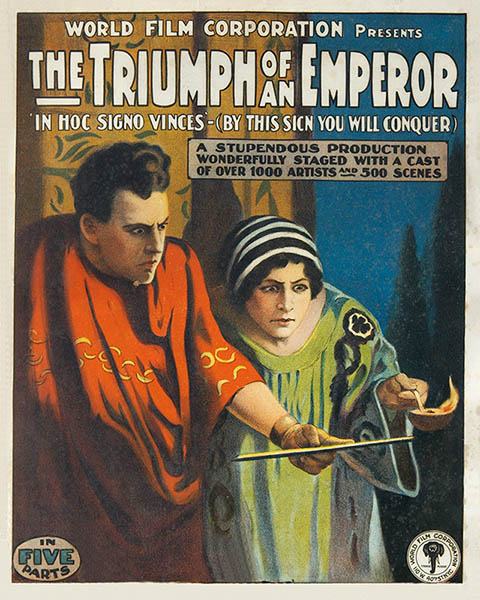
A definitive 5.1/10 rating for a film that redefined the boundaries of cult cinema. The Triumph of an Emperor remains a cornerstone of transgressive art.
Rome has always adored its prodigal wolves, but few have snarled as ferociously across the flickering silver of 1912 as Emperor Maximian in The Triumph of an Emperor. Picture the moment: hand-cranked nitrate catching sun like a mirror shield, the Lombard plain stretching away in granular umber, and a single equestrian silhouette—once abdicated, now re-armored—galloping toward the imperial purple he swore he could live without. The film’s first act is a master-class in chiaroscuro nostalgia: banners whip, legionaries pound spears against shields, and the camera—suddenly tilting upward—swallows the horizon whole, as though history itself were inhaling.
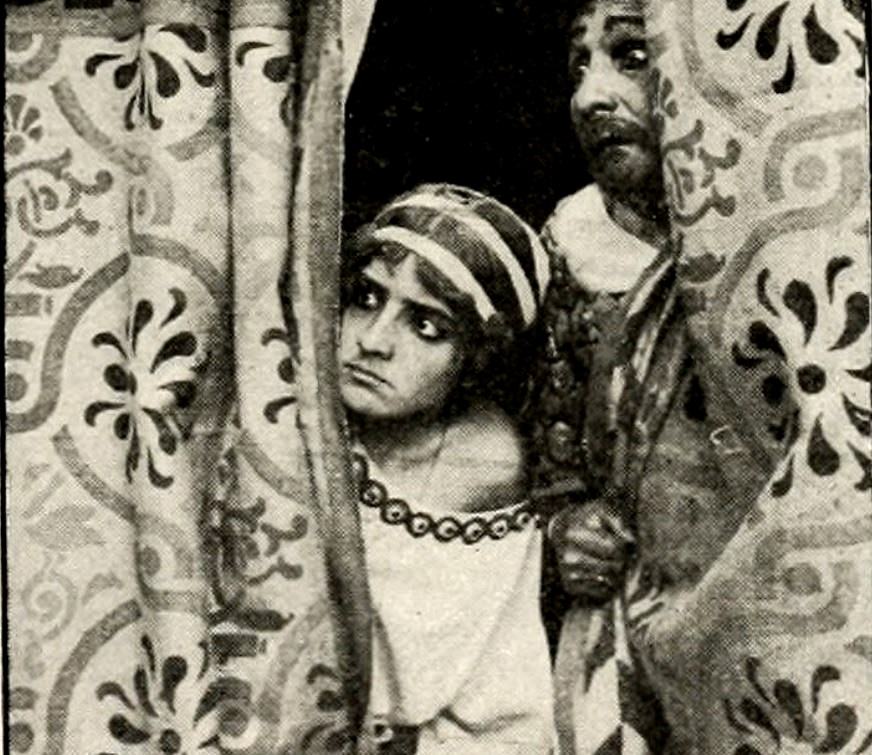
Inside this cyclone of dust and brass stands Constance, niece to Constantine, her linen veil snapping like a semaphore of dissent. She embodies that fragile, luminous interval when Christian patience still wore the face of Roman dignity. Every close-up—yes, even in 1912 they risked intimate framing—treats her profile like a cameo carved from moonlit marble: eyes downcast yet incandescent, the moral counterweight to Maximian’s bulldog greed. Watch how cinematographer Giuseppe Lucarelli (unjustly forgotten) rims her silhouette with a halo of over-exposure, turning grain into beatification.
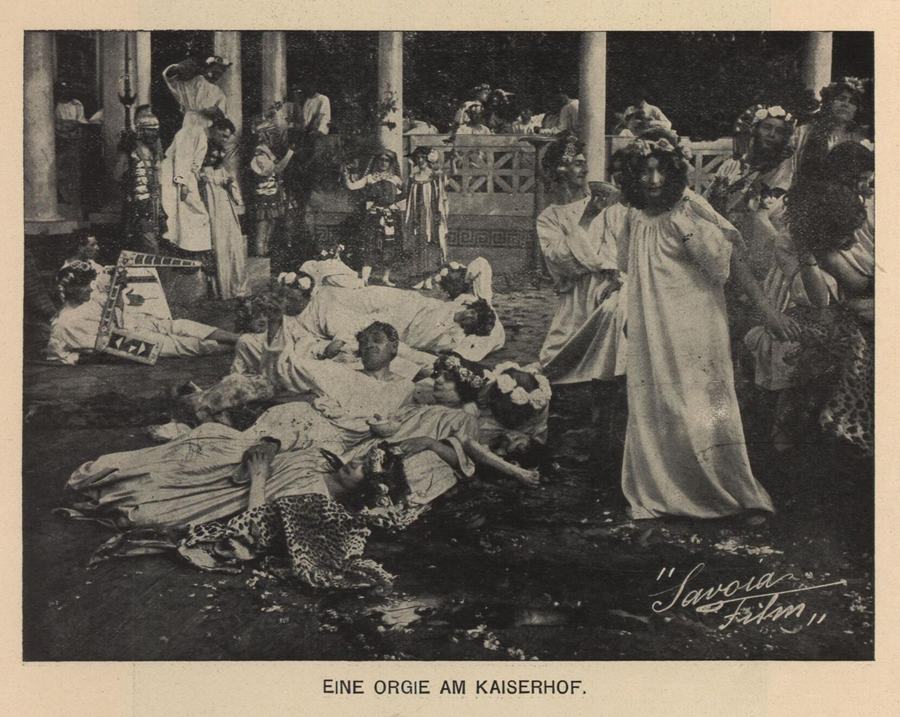
But sanctity bores tyrants; they prefer to test it. The screenplay, stitched from 5th-century chronicles and baroque stage tradition, stages a triptych of temptation: flattery, sensuality, terror. Maximian’s banquet hall—gargantuan cardboard vaults painted by the same craftsmen who decorated parish mystery plays—glitters with pagan excess. Servants pour wine the color of molten garnet; dancers whirl scarves of Tyrian dye; yet Constance never crosses the threshold. Instead the camera cuts to her chamber where she fingers a crude iron chi-rho beneath her stola. The edit is abrupt, almost Brechtian, forcing the viewer to imagine the orgy rather than wallow in it. Refusal becomes spectacle.
When persuasion collapses, persecution erupts. The arena sequence, shot on the very sand of Verona’s ancient amphitheatre, feels eerily proto-Wyler: tracking shots behind advancing gladiators, dust clouds back-lit so shafts of sunlight resemble translucent blood vessels. Martyrs enter to a brass fanfare whose minor chords prefigure later religious epics like From the Manger to the Cross. Yet here the victims do not simply die—they debate, they forgive, they convert centurions mid-spectacle. One frame shows a lion padding past a fallen scribe whose ink-stained hand still clutches a parchment of the Psalms. The lion sniffs, then lopes away. Whether divine intervention or feline indifference, the moment is pure cinema before cinema believed it could conjure miracles.
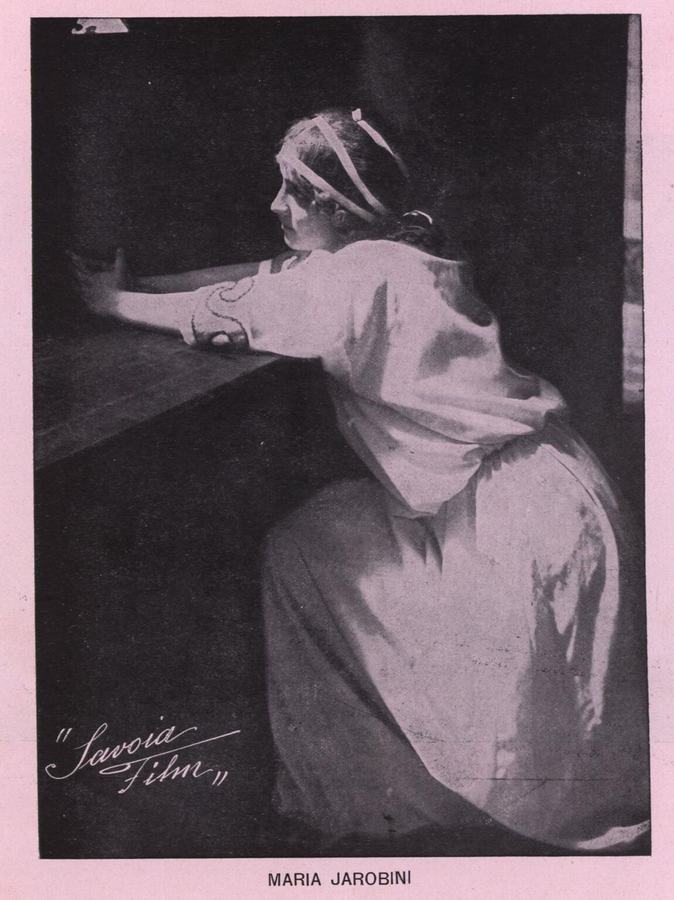
Maximian’s counter-attack is political. He revokes the Edit of Toleration—a fictionalized nod to later Constantinian edicts—and unleashes a pogrom that sends Christian bodies tumbling into the Tiber. The montage is Eisenstein avant-la-lettre: superimposed images of statues of Mars dissolving into piles of corpses, then into the emperor’s impassive mask. Intertitles, lettered in crimson on parchment-textured cards, scream “Thousands shall fall for one stubborn maid.” Yet the louder he rages, the more isolated he becomes. Fausta, his daughter, oscillates between complicity and horror; her performance by Maria Jacobini is a tremulous minor key, a woman who realizes that patriarchal loyalty requires her to betray every other loyalty she half-values.
Constance’s midnight flight to Constantine’s northern court supplies the film its tonal volta: from lurid martyrology to chilly frontier virtue. Constantine—portrayed with square-jawed restraint by Mario Mariani—presides over a snow-dusted military camp where torches hiss against iron helmets. Gone are the pagan mosaics; in their place stand wooden crosses whittled by soldiers who can neither read nor write but who know a talisman when they see one. The emperor listens to his sister’s tale beneath a canopy of aurora borealis, here rendered by hand-tinted frames that pulse emerald and violet. It is the first time color intrudes into the film, and the effect is not spectacle but sacrament: the world itself blushes at the narrative’s moral inversion.
From that chromatic epiphany the plot accelerates like a chariot whose reins have snapped. Assassination plot, forged death-sentence, public revelation—each twist lands with the blunt force of tabloid headline. Yet even in the thick of intrigue the filmmakers pause for intimate counterpoints: a centurion gambling away his last denarius while waiting for the blade to fall; Fausta rehearsing her plea for clemency before a polished bronze mirror that distorts her face into a gorgon mask; Constantine tracing the outline of a cross onto his shield while his horse, sensing battle, stamps nervous ellipses into frost. These grace notes prevent the picture from collapsing into melodrama; they remind us that empires pivot on private heartbeats.
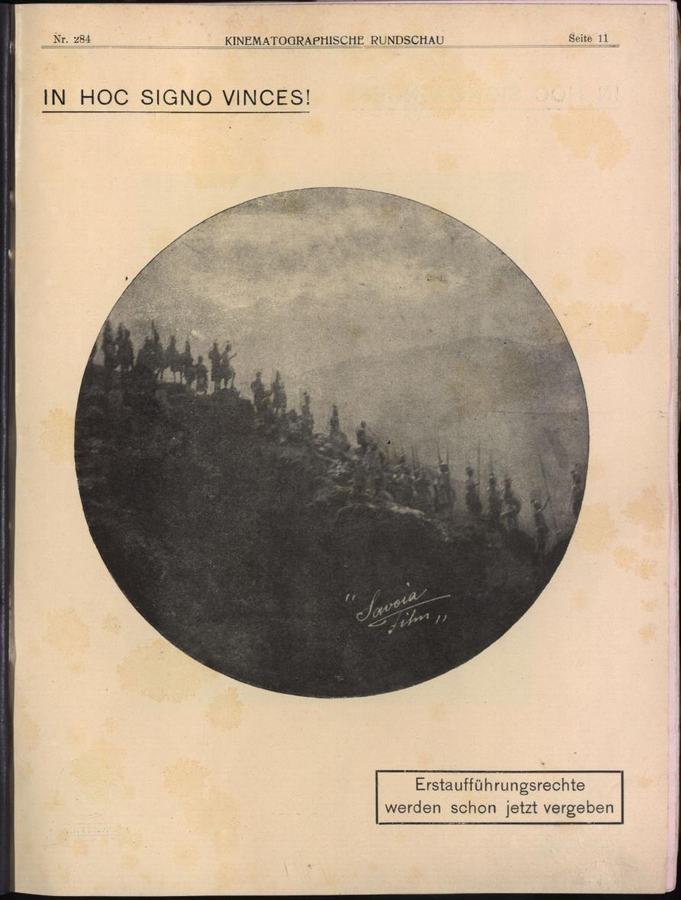
Then comes the Milvian Bridge—or rather, its cinematic surrogate: a wooden pontoon slapped together on the Tiber’s banks, filmed at dawn when river fog turns every spear into a ghost. The famous vision is rendered twice: first as objective spectacle—clouds peel back to reveal a blazing crux emblazoned IN HOC SIGNO VINCIS—then as subjective hallucination, a double-exposure hallucination where Christ’s face merges with Constantine’s own reflection on a polished shield. The theological implication is bold: the emperor does not merely receive divine favor; he recognizes the imago Dei within himself. No wonder the subsequent battle becomes less a clash of armies than a ritual cleansing of history’s palate.
Maxentius drowns, Maximian is led to the block, Fausta flees into exile. Yet the film refuses a crude triumphalism. The final reel lingers inside the Lateran basilica—actually a cavernous set built in Turin’s glass studios—where Constantine kneels before Pope Melchiades. The camera, stationed at the clerestory level, peers down through drifting incense as if heaven itself were surveilling the transaction. Titles announce the Edict of Milan, but the true climax is a whispered exchange: the pope asks whether the emperor will protect the Church “even when she forgets to flatter you”; Constantine responds with a smile at once weary and beatific. In that moment power and conscience strike a fragile, epoch-shifting balance.
What lingers, long after the orchestra’s last chord fades, is the film’s tonal braid of pageantry and introspection. Yes, chariots careen, legions collide, and the Tiber foams red—but the heartbeats that matter occur in hush: Constance pressing damp earth onto a martyr’s fresh wound; Fausta clutching her father’s blood-spattered purple as though it were a child’s security blanket; Constantine alone beneath a lamp, fingertip tracing the decree that will let Christians emerge from catacombs into the blinding forum. The final shot—an iris closing around the emperor’s contemplative profile—echoes the opening iris on Maximian’s return, suggesting that history is less a march than a spiral of recurring choices between mercy and domination.
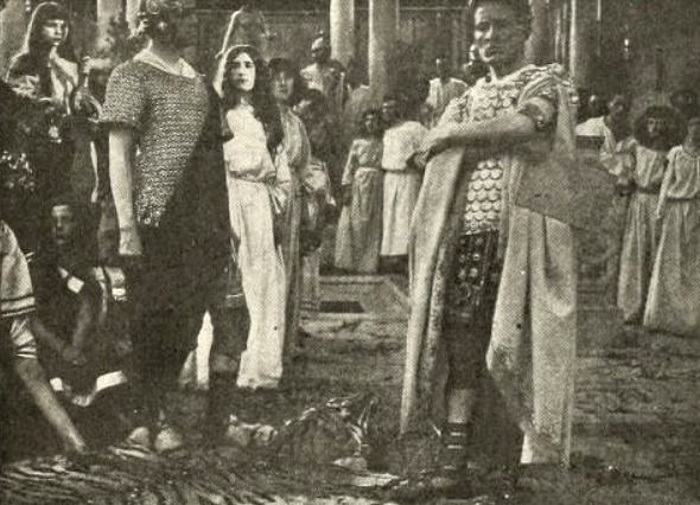
Viewers weaned on CGI colossi may smirk at painted backdrops and papier-mâché columns. Resist the smirk. The very fragility of these materials—their obvious artifice—renders the spiritual stakes more urgent. When a plywood parapet wobbles as Maximian pounds his fist, the tremor feels like the moral instability of empire itself. Conversely, when hand-tinted scarlet seeps across a martyr’s tunic, the color arrives as miraculous intrusion, a throb of transcendence in a monochrome cosmos. Such dialectics between sham and sublimity typify early Italian spectacle, aligning this film with the mystical naïveté of Life and Passion of Christ yet forecasting the muscular psychology of later biblical cycles.
Performances oscillate between declamatory bravura and proto-naturalistic murmur. Jacobini’s Fausta is all mercury: one instant the dutiful daughter, next the panicked informant, then the grief-numbed orphan. Close-ups catch her nostrils flaring like a frightened mare—an affective detail that anticipates Les Amours de la Reine Elisabeth’s histrionic minimalism. Opposite her, Jeanne Bay as Constance opts for stillness: her eyes become lanterns of interior resolve, brightening not through dialogue but through the gradual straightening of her spine. The contrast—Fausta’s kinetic guilt versus Constance’s magnetic repose—creates a feminist dyad rare in pre-WWI cinema.
Technical footnotes deserve applause. The production reportedly employed over 3,000 extras, real legionary armor borrowed from Roman museums, and a full-size pontoon bridge that collapsed on cue—an engineering feat that sent several stuntmen to the hospital, their broken ribs immortalized every time the film screened. Cinematographer Lucarelli experimented with magnesium flares to create the halo round the vision of the cross, inadvertently scorching the edge of the negative; the blemish remains visible in restorations, a scar that testifies to the medium’s flesh-and-blood origins.
Yet the film’s greatest legacy is ideological. Released only two years before Europe would tear its own Milvian bridges apart in trench warfare, The Triumph of an Emperor dares to propose that conscience can leash the dogs of imperial appetite. Constantine’s conversion is neither clean nor complete—it is a political calculation shot through with superstitious awe, a paradox the film refuses to resolve. In doing so it anticipates every subsequent historical epic that treats faith as lived contradiction rather than propaganda poster. Compare it to Quo Vadis?’s polished martyrs or Cleopatra’s gilded decadence—this Roman narrative prefers its marble cracked, its gold leaf tarnished, its theology wrestled with in the small hours before battle.
Restoration status: sadly, only fragments survive. The Cineteca Nazionale in Rome holds a 35mm nitrate print missing the first reel and the final montage; a secondary 28mm reduction, discovered in a Lyon attic, supplies the Milvian Bridge vision but suffers from vinegar syndrome. Digital reconstructions splice in production stills and textual recreations of lost intertitles. Even in mutilated form the film pulses with a grandeur that no amount of decay can silence. Watch it on a big screen if you can; let the photochemical flicker remind you that history, like celluloid, is fragile, flammable, and—when held against the light—capable of revealing transfigured faces.
Bottom line: The Triumph of an Emperor is not merely a curiosity for silent-cinema archaeologists; it is a gauntlet thrown at the feet of every modern epic that mistakes volume scale for moral scope. In 1912, with cardboard and candlelight, these Italians asked whether power can ever coexist with humility. Over a century later, the question still burns, and the answer—like Constantine’s vision—remains both dazzling and just out of reach.
IMDb —
1925
Community
Log in to comment.