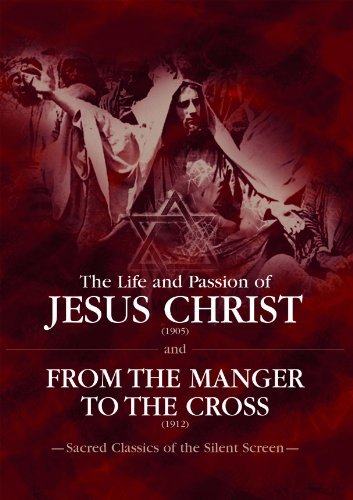
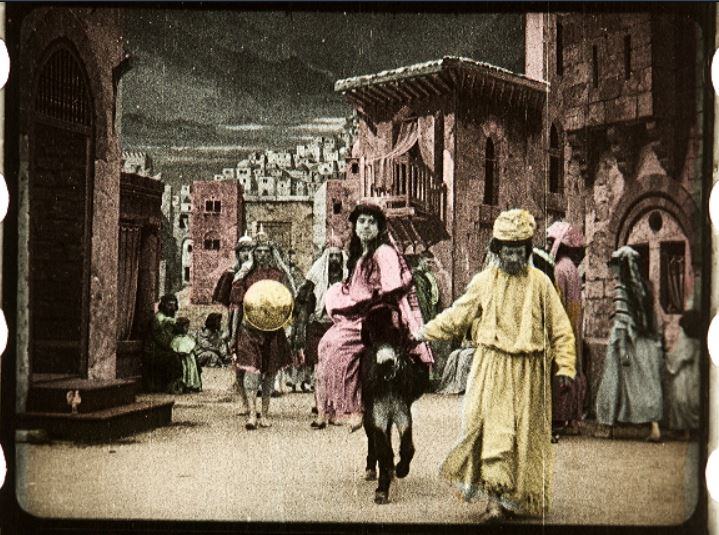
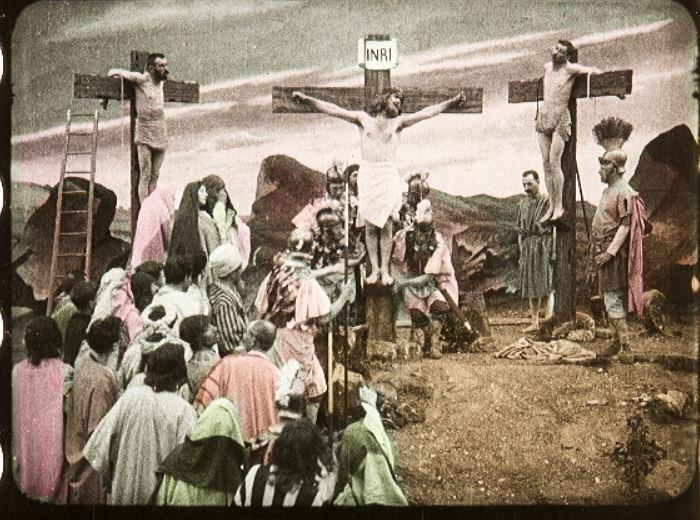
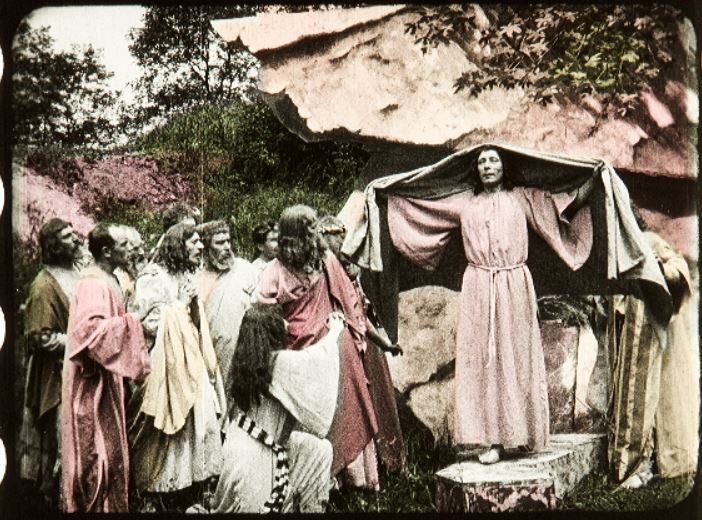
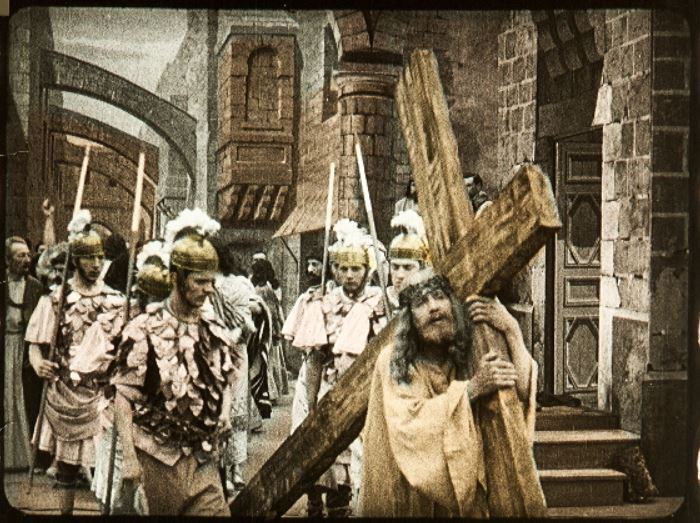
Depicting well-known incidents in the life of Jesus Christ, this milestone of early cinema won world fame, huge audiences and a screen life of decades when most secular films of the time measured their commercial life in weeks..
France
The Enduring Radiance of Early Faith: A Deep Dive into 'Life and Passion of Christ'In the nascent, flickering dawn of cinema, when the very concept of narrative storytelling on screen was still an audacious experiment, Ferdinand Zecca’s ‘Life and Passion of Christ’ emerged not merely as a film, but as a cultural phenom...
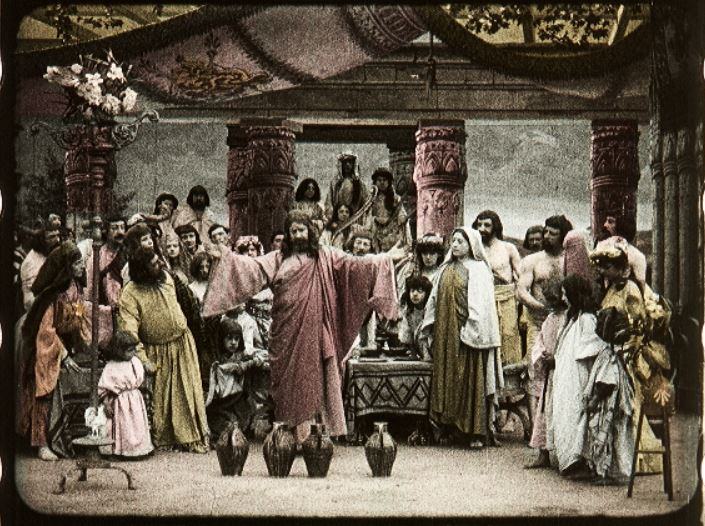
still_frame
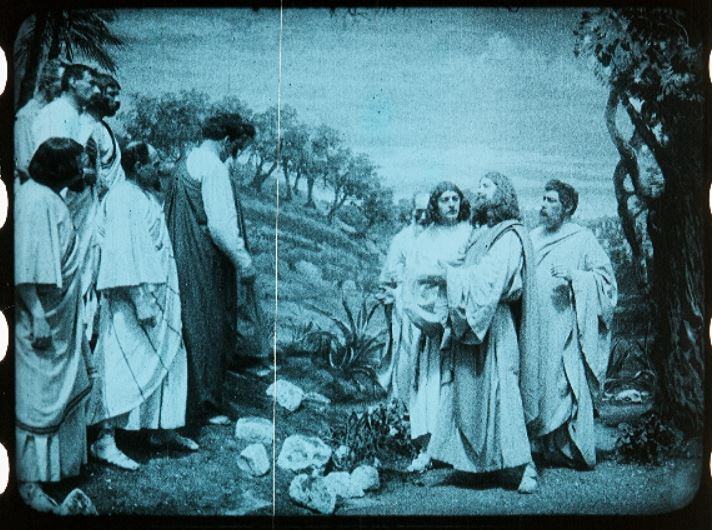
still_frame
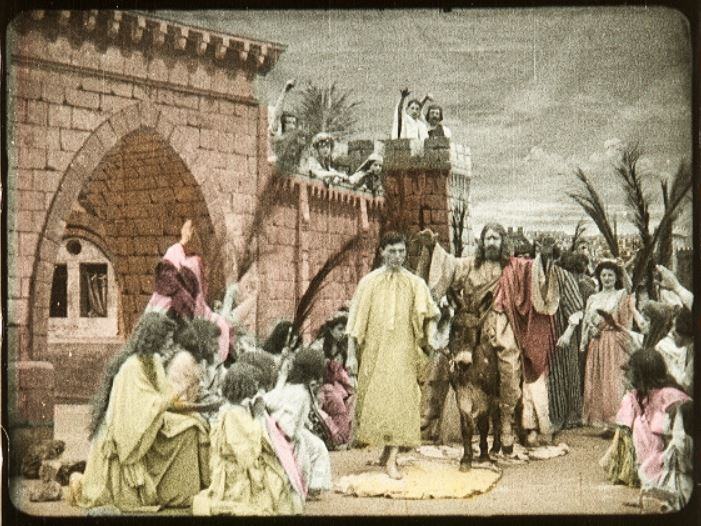
still_frame
still_frame
still_frame
still_frame
still_frame
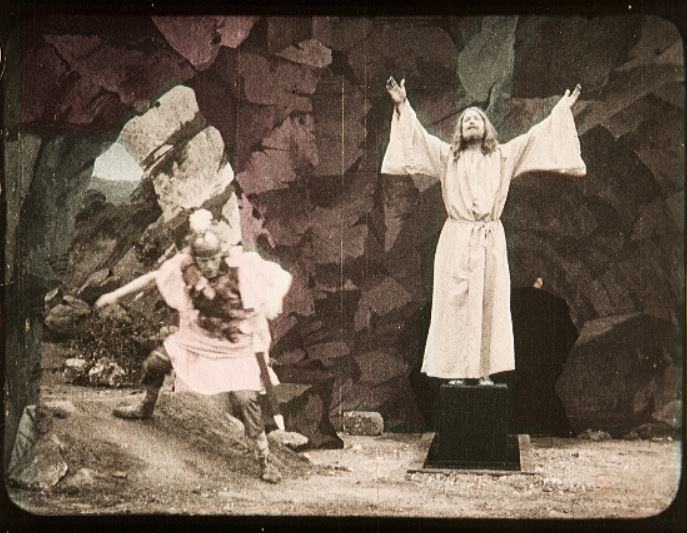
still_frame

Community
Log in to comment.
"The Enduring Radiance of Early Faith: A Deep Dive into 'Life and Passion of Christ'In the nascent, flickering dawn of cinema, when the very concept of narrative storytelling on screen was still an audacious experiment, Ferdinand Zecca’s ‘Life and Passion of Christ’ emerged not merely as a film, but as a cultural phenomenon. Released in the early years of the 20th century, this cinematic undertaking was a bold declaration of the medium’s potential, transcending the novelty of mere actualities or ..."
Deep dive into the cult classic
Discover similar cinematic experiences
A Directorial Spotlight on Ferdinand Zecca
