DbcultAccessing Vault...
6.1/10
Senior Film Conservator
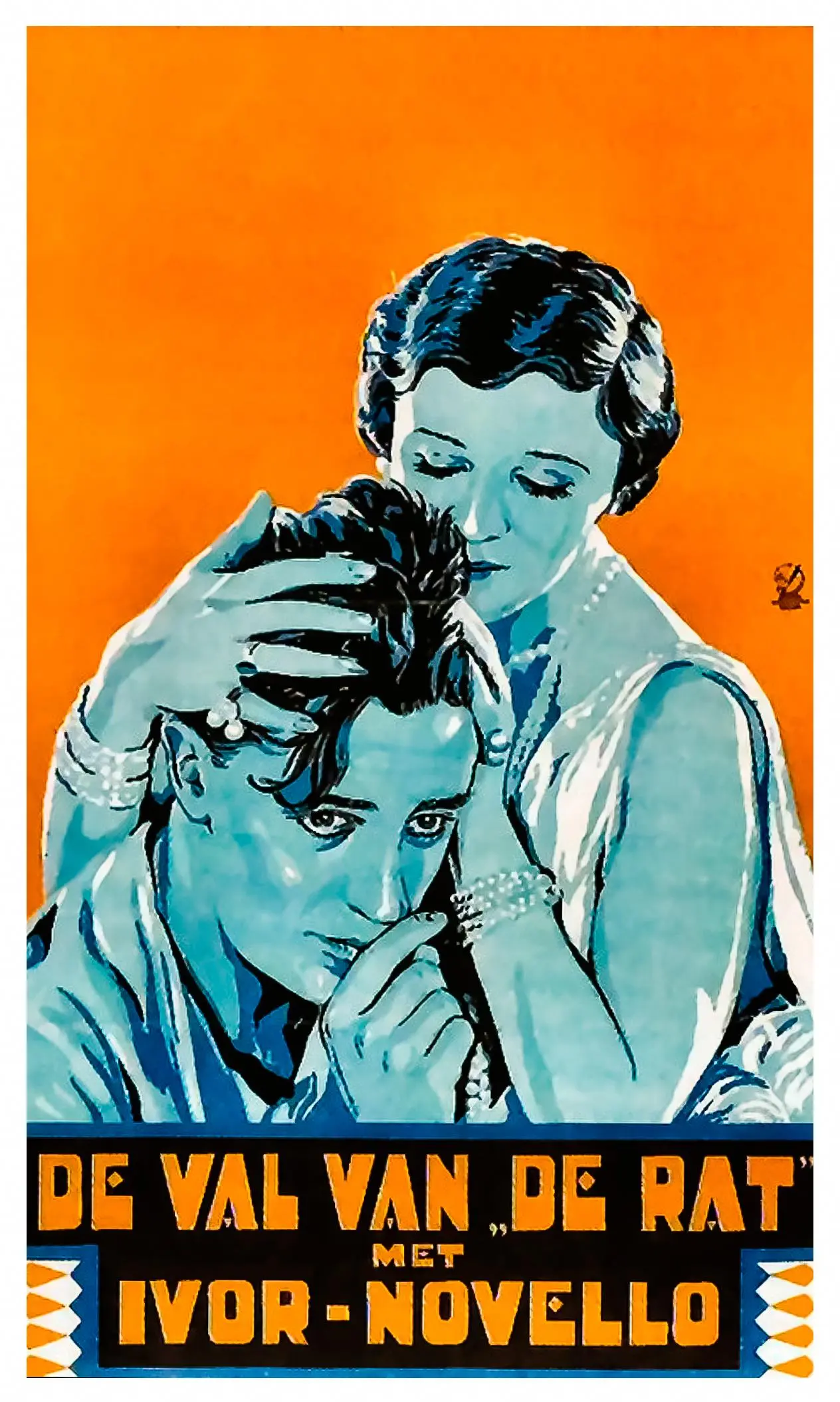
A definitive 6.1/10 rating for a film that redefined the boundaries of cult cinema. The Triumph of the Rat remains a cornerstone of transgressive art.
Short answer: yes, but only if you possess a genuine appetite for the stylized, ink-black melodrama of the 1920s. This film is for those who find beauty in the performative decay of the silent era and the magnetic pull of a tragic anti-hero; it is most certainly not for viewers who require modern pacing or a protagonist with a moral compass.
The Triumph of the Rat is a strange, intoxicating beast of a film. It serves as a sequel to the 1925 hit 'The Rat,' but it carries a much heavier, more cynical weight than its predecessor. It is a study in the futility of class mobility and the destructive power of unrequited obsession.
This film works because it leans heavily into the 'Apache' subculture aesthetic, utilizing high-contrast lighting and Ivor Novello's intense, almost predatory facial expressions to create an atmosphere of impending doom.
This film fails because the middle act, which focuses on Pierre’s attempt to play the gentleman, drags significantly, losing the visceral energy of the Montmartre street scenes.
You should watch it if you want to see a masterclass in silent film acting that prioritizes physical presence and gaze over intertitles, or if you are tracking the evolution of the crime thriller.
Ivor Novello was more than just a pretty face in 1926. In this film, he proves he could dismantle his own image. As Pierre Boucheron, he spends the first third of the film radiating a dangerous, feline energy. He moves like a man who knows exactly where the exits are.
The most compelling aspect of his performance is the shift in his posture. When he is 'The Rat' in the seedy bars, he is coiled and ready. When he becomes the gentleman, he is stiff, uncomfortable, and performative. It is a meta-commentary on acting itself. He is a man playing a man playing a gentleman.
Consider the scene where he first enters the high-society ballroom. Novello uses his eyes to convey a deep-seated insecurity that his expensive suit cannot hide. It is a subtle touch in a medium often criticized for being over-the-top. He makes us feel the weight of his social fraudulence.
Graham Cutts was a director who understood the power of the frame. In The Triumph of the Rat, he utilizes the 'Apache' style—a French subculture of street gangs known for their distinctive dress and violent dances—to ground the film in a specific, gritty reality.
The cinematography here rivals the work seen in The Salvation Hunters, though it trades that film's stark realism for a more theatrical, expressionistic gloom. The shadows in the Montmartre bars aren't just lighting choices; they are characters in their own right.
One standout moment involves a long, slow pan across a crowded bar. The camera lingers on the scarred faces of the patrons before settling on Pierre. It establishes a world where violence is the only currency. It makes his transition to the 'gentleman' world feel even more like a death sentence.
The screenplay, co-written by Novello himself, is surprisingly cruel. Most films of this era would offer a path to redemption. Instead, this film offers a slide into the abyss. The 'triumph' in the title is entirely ironic.
The fall is precipitated by Zelie de Chaumet, played with a cold, aristocratic detachment by Isabel Jeans. Unlike the melodrama found in The Whip, the conflict here is psychological. Pierre is destroyed because he wants something he cannot steal: genuine affection.
When Zelie finally discards him, the film shifts gears into a nightmare. The final act is a grueling watch. Pierre doesn't just lose his money; he loses his spirit. He becomes a ghost of the man he was in the opening frames. It is a haunting transformation.
If you are looking for a historical artifact that still feels emotionally resonant, then yes, The Triumph of the Rat is worth watching. It captures a specific moment in British and French cinema where the lines between art and pulp were starting to blur.
The film provides a fascinating look at the 'Apache' craze of the 1920s. It offers a performance by Ivor Novello that is far more complex than his usual romantic leads. It is a dark, stylish, and ultimately depressing journey into the heart of vanity.
Compared to other films of the era like Is Divorce a Failure?, this movie feels significantly more modern in its cynicism. It doesn't preach; it simply observes the wreckage. It shares a certain thematic DNA with The Silent Lie, particularly in its focus on the secrets we keep to maintain social standing.
The pacing is better than many of its contemporaries, such as The Invisible Bond, though it still suffers from the 'middle-act sag' common in silent features. The film's insistence on showing every beat of Pierre's social ascent can feel tedious to a modern audience used to montage.
However, the payoff in the final reel justifies the slow build. The imagery of Pierre returning to the gutter, now an outcast even among his own people, is as powerful as anything found in Thin Ice. It is a total erasure of the self.
Pros:
- Intense, physical performance by Ivor Novello.
- Exceptional use of shadow and set design.
- A daringly bleak ending for its time.
- Fascinating look at the 'Apache' subculture.
Cons:
- The pacing in the second act is uneven.
- Some of the social-climbing subplots feel dated.
- The female characters are somewhat one-dimensional archetypes.
The Triumph of the Rat is a gritty, uncompromising look at the impossibility of escaping one's past. It is anchored by a performance from Ivor Novello that is both beautiful and grotesque. While it stumbles in its middle chapters, the atmospheric highs and the crushing lows of the finale make it a essential viewing for any serious student of silent cinema. It works. But it is a deeply flawed, deeply sad piece of art. It is a film that bites and leaves a mark.
"Novello doesn't just play a criminal; he plays the soul of the gutter trying to wear a silk hat, and the result is devastating."
IMDb 6.4
1927
Community
Log in to comment.