DbcultAccessing Vault...
6.3/10
Senior Film Conservator
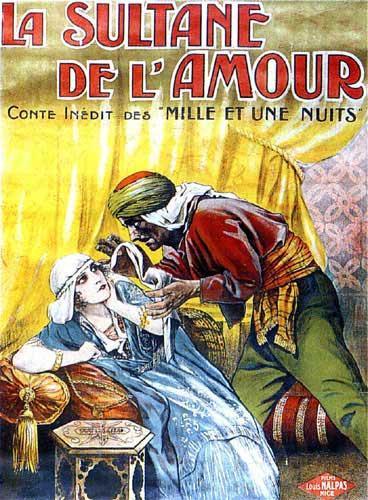
A definitive 6.3/10 rating for a film that redefined the boundaries of cult cinema. La Sultane de l'amour remains a cornerstone of transgressive art.
Stepping back into the nascent years of cinema, one occasionally unearths a gem whose luminescence, though perhaps dimmed by the passage of a century, still radiates with an undeniable, resonant power. Such is the case with Louis Nalpas and Franz Toussaint's 1919 epic, 'La Sultane de l'amour'. This silent film, a grand tapestry of romantic melodrama and Eastern intrigue, invites us to consider the foundational elements of storytelling that captivated audiences long before synchronized sound or Technicolor. It is a work that, through its meticulous staging and the expressive performances of its cast, manages to transcend its technical limitations, speaking directly to the universal pangs of love, loss, and the relentless pursuit of destiny.
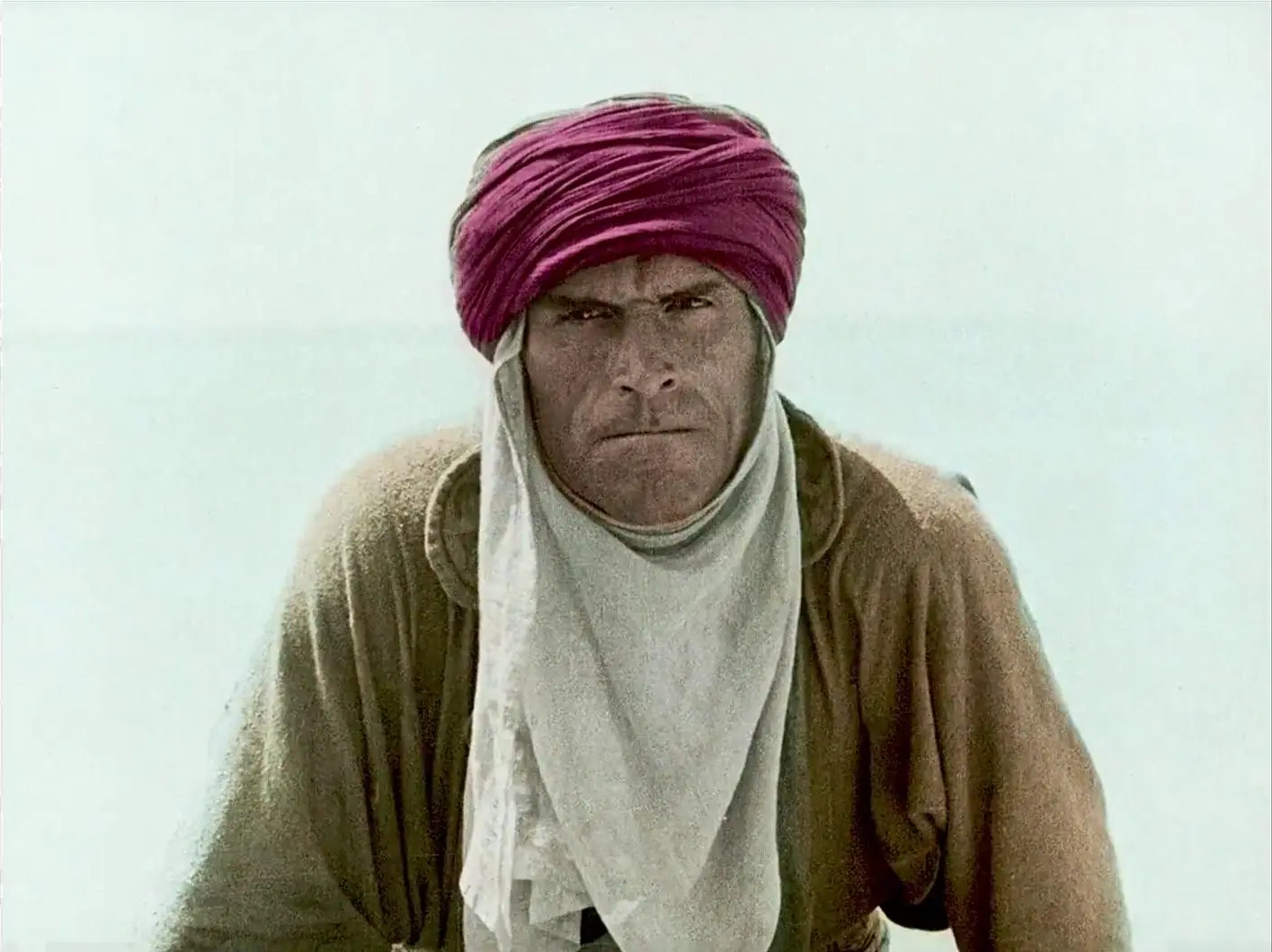
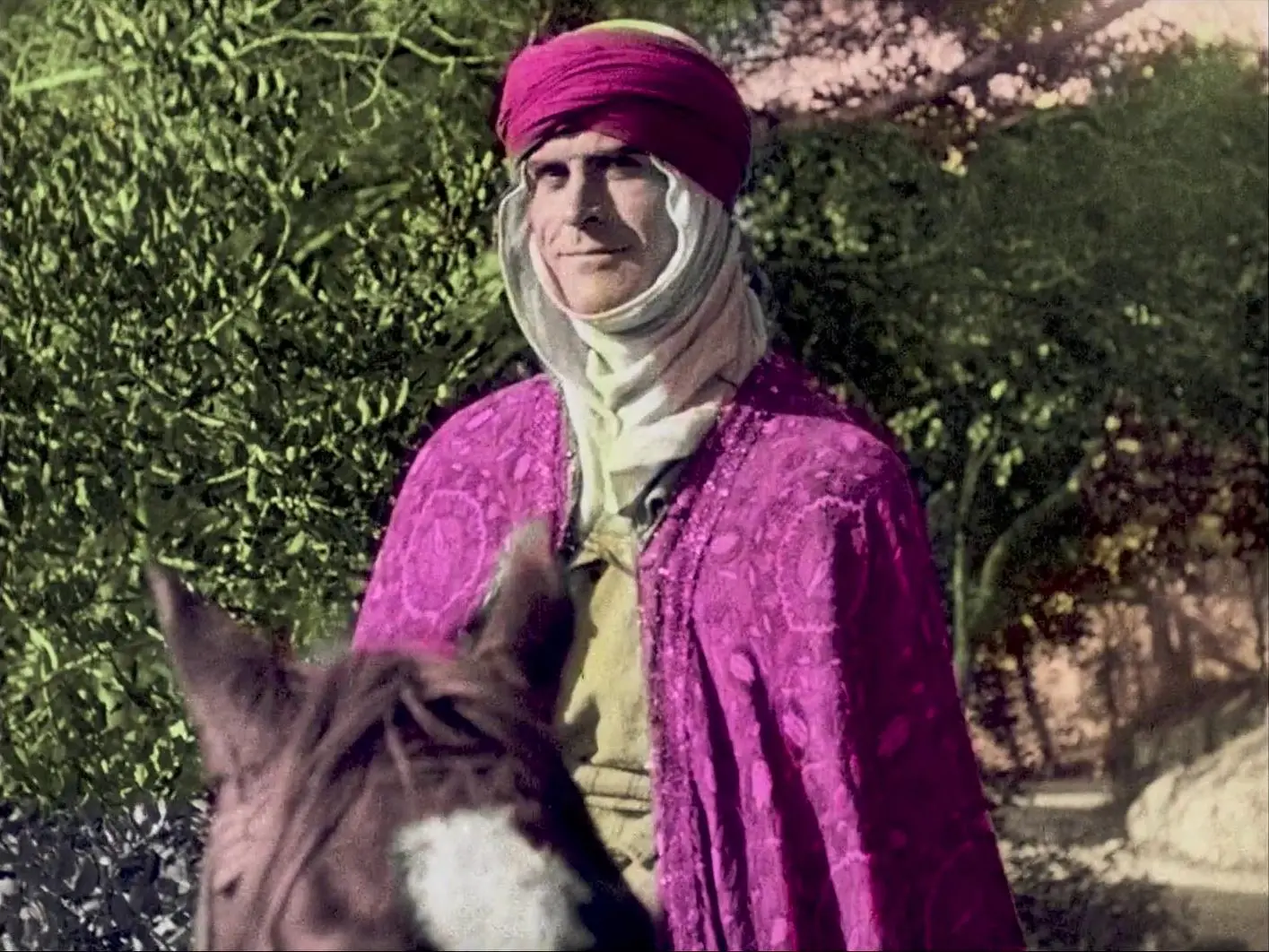
At its core, the narrative of 'La Sultane de l'amour' is a poignant exploration of star-crossed lovers, Princess Daoulah and Prince Mourad, whose initial encounter is steeped in the exquisite irony of mistaken identities. Daoulah, weary of her gilded cage, ventures into the bustling world disguised as a girl of the people, seeking a fleeting taste of freedom. Mourad, similarly, assumes the humble garb of a poor fisherman, perhaps driven by a desire to understand the lives of his subjects or simply by a longing for a connection untainted by royal pretense. Their meeting is portrayed with a delicate tenderness, a silent ballet of glances and gestures that convey an immediate, profound attraction. This initial spark, however, is not allowed to ignite into a steady flame; instead, it becomes a cruel twist of fate, as their disguises prevent them from recognizing each other in their true forms, setting the stage for a prolonged, agonizing separation. This narrative device, while common in romantic lore, is executed here with a particular emphasis on the emotional toll it exacts, transforming a simple misunderstanding into a formidable barrier to their happiness.
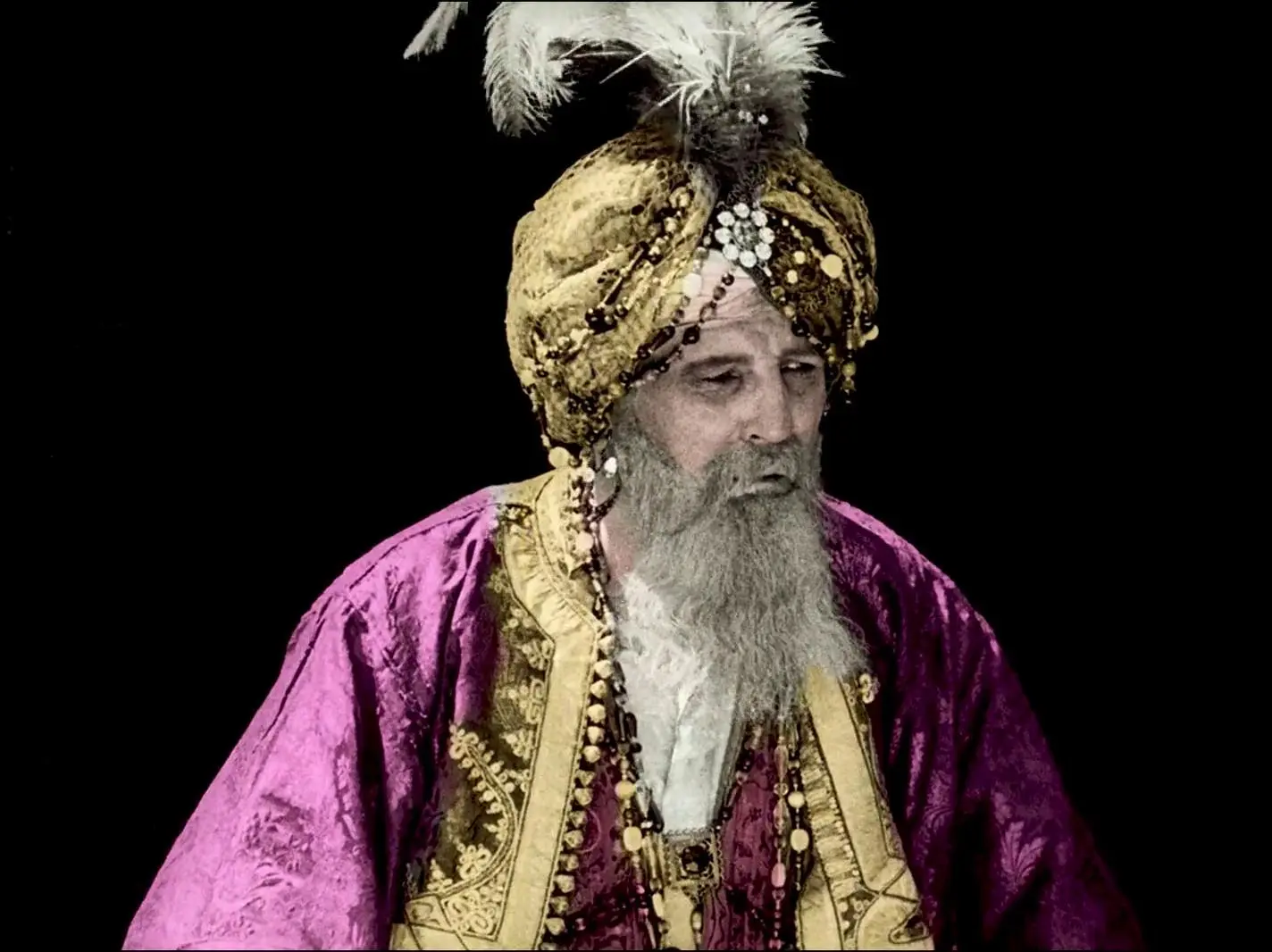
The torment of their separation is exacerbated by the insidious machinations of Sultan Malik, a character imbued with a palpable sense of menace and possessive desire. Malik, a figure of absolute power and questionable morality, covets Princess Daoulah, viewing her not as an individual with agency, but as a prize to be acquired. His sinister intentions cast a long shadow over the narrative, transforming a romantic drama into a tense struggle for freedom and self-determination. Assisting Malik in his nefarious schemes is the fearsome Kadjar, a loyal but utterly ruthless enforcer whose presence amplifies the sense of peril surrounding Daoulah. The interplay between Malik’s tyrannical ambition and Kadjar’s brutal efficiency creates an atmosphere of constant threat, pushing Daoulah into a state of perpetual vulnerability, yet also subtly hinting at her inherent strength and resilience. The film masterfully uses these antagonists to heighten the emotional stakes, making every fleeting hope of reunion for Daoulah and Mourad feel like a hard-won victory against overwhelming odds.
The performances in 'La Sultane de l'amour' are a testament to the evocative power of silent acting. Yvonne Sergyl, as Princess Daoulah, delivers a portrayal rich in nuance and emotional depth. Her eyes, her posture, the subtle movements of her hands convey a spectrum of feelings – from the initial joy of newfound love to the despair of captivity and the steely resolve to resist. She embodies the classic damsel in distress, yet imbues Daoulah with an inner fire that prevents her from ever appearing entirely helpless. Le Nain Frankeur, despite his stage name suggesting a physical characteristic, often brought a compelling intensity to his roles, and here, his presence as a key figure in the drama (likely Prince Mourad, given the romantic lead) would have been crucial in conveying the prince's steadfastness and tormented longing. The sheer challenge of communicating complex emotions without dialogue demanded a profound understanding of body language and facial expression, a skill Sergyl and Frankeur evidently possessed in spades. Their ability to draw the audience into their internal worlds, to make us feel their yearning and their pain, is a hallmark of truly great silent cinema.
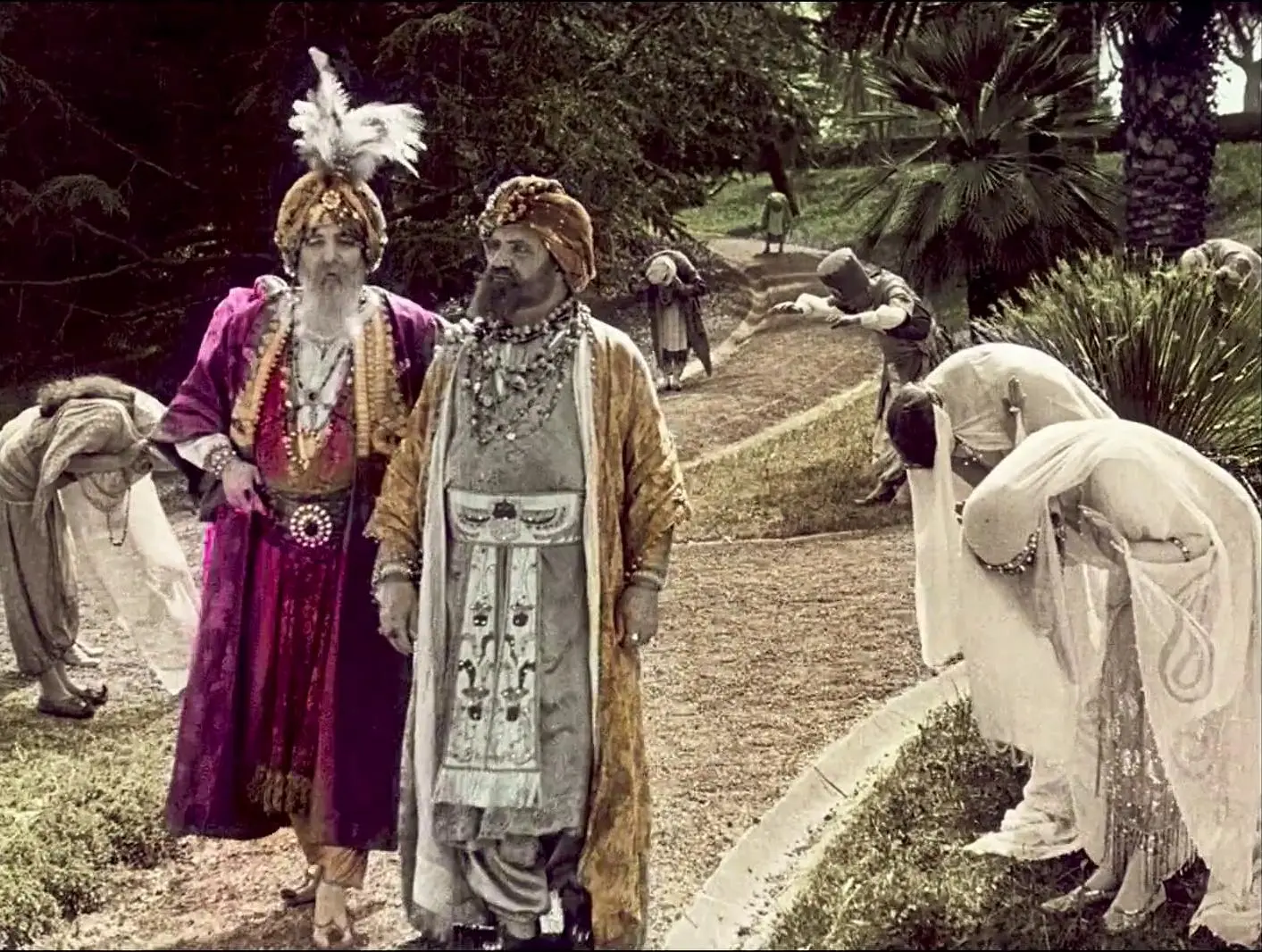
The villainous duo of Sultan Malik and Kadjar are brought to life with chilling effectiveness by their respective actors, Paul Vermoyal and Gaston Modot. Vermoyal, as Malik, likely projected an aura of cruel authority, his every gesture imbued with a sense of entitlement and menace. Modot, a familiar face in early French cinema, would have brought his distinctive gravitas to Kadjar, creating a truly formidable and terrifying presence. His silent portrayal of a relentless enforcer, perhaps with a piercing gaze and an imposing physicality, would have been instrumental in establishing the high stakes of Daoulah's predicament. The power dynamics between these characters – the ruthless ruler, the unwavering henchman, and the captive princess – form the dramatic backbone of the film, showcasing the fundamental struggle between good and evil, freedom and oppression. These performances, devoid of spoken words, relied entirely on the actors’ mastery of pantomime and expression to convey character and motivation, a demanding art form that, when executed well, could be profoundly captivating. The silent film era, often dismissed by modern viewers, was in fact a crucible for acting talent, forcing performers to hone their craft to an exquisite degree.
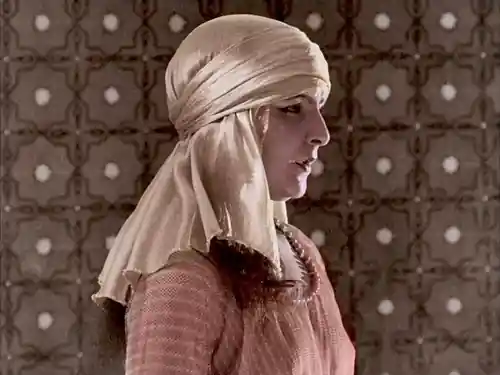
Louis Nalpas and Franz Toussaint, as the creative forces behind 'La Sultane de l'amour', demonstrated a clear vision for grand-scale storytelling. The production values, for its time, would have been considerable, with elaborate sets and costumes designed to transport the audience to an exotic, opulent, and dangerous Eastern world. The visual spectacle was paramount in silent cinema, and films like this often spared no expense in creating immersive environments. One can imagine the lavish palaces, the bustling marketplaces, and the tense dungeons, all meticulously crafted to enhance the narrative's dramatic weight. The cinematography, though perhaps rudimentary by today's standards, would have been carefully composed, utilizing light and shadow to create mood, and employing camera angles to emphasize power or vulnerability. The direction would have focused on clear, expressive blocking and framing, ensuring that the story, despite the absence of dialogue, was always intelligible and emotionally resonant. This commitment to visual storytelling is what allowed films of this era to achieve such widespread appeal, transcending linguistic barriers and captivating audiences globally.
The thematic richness of 'La Sultane de l'amour' extends beyond mere romance. It delves into questions of social class, the illusion of appearances, and the oppressive nature of unchecked power. The initial meeting of Daoulah and Mourad in disguise highlights the superficiality of titles and the potential for true connection to blossom outside societal constraints. Their inability to find each other underscores the tragic consequences of societal expectations and the barriers they erect. Sultan Malik's character, on the other hand, serves as a stark embodiment of tyranny, a reminder of the vulnerability of individuals when faced with absolute authority. These themes resonate deeply, offering a commentary on human nature that remains relevant even today. While the narrative is couched in an exotic, fantastical setting, the underlying human emotions and struggles are universal, making the film's appeal enduring. It speaks to the timeless human desire for freedom, for love, and for justice, against a backdrop of seemingly insurmountable obstacles.
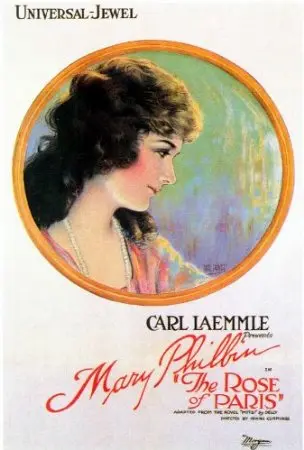
Comparing 'La Sultane de l'amour' to its contemporaries reveals its place within the burgeoning landscape of early 20th-century cinema. While not directly comparable in genre, the ambition and scale might draw parallels to historical epics like The Last Days of Pompeii (1913), which also relied on grand spectacle and dramatic human stories against a backdrop of imminent disaster. Similarly, the romantic melodrama and the focus on a strong female lead facing adversity might be seen in films like The Woman or even Trilby, which explored themes of manipulation and artistic passion. However, 'La Sultane de l'amour' distinguishes itself with its particular blend of Arabian Nights fantasy and high-stakes romantic tension, establishing a distinct flavor that would influence subsequent exotic adventure films. It sits comfortably alongside other early narrative experiments, demonstrating the diverse storytelling avenues filmmakers were exploring, from the political commentary of Fighting Bob to the more intimate dramas like The Wasted Years.
The legacy of 'La Sultane de l'amour', while perhaps not as widely discussed as some canonical silent films, lies in its contribution to the development of cinematic language. It showcases the sophisticated techniques being employed to convey complex narratives without dialogue, relying heavily on visual cues, character expressions, and the evocative power of music (which would have been performed live during its initial screenings). The film serves as a fascinating artifact, offering insights into the cultural tastes and narrative conventions of its era. It reminds us that even in cinema's infancy, filmmakers were grappling with profound human emotions and universal conflicts, crafting stories that aimed to transport, thrill, and move their audiences. The careful balance between spectacle and intimate human drama, between the exotic setting and the relatable yearning for love and freedom, is a testament to the enduring craft of early cinema. It's a reminder that truly compelling stories, regardless of the technological era in which they are told, possess an inherent power to captivate and endure.
In conclusion, 'La Sultane de l'amour' is more than just a historical curiosity; it is a vibrant, emotionally charged cinematic experience that speaks volumes about the artistry and ambition of its creators. Its exploration of forbidden love, royal intrigue, and the indomitable human spirit against overwhelming odds continues to resonate. For those willing to engage with the unique language of silent film, it offers a rich and rewarding journey into a world where expressions, gestures, and the power of suggestion held sway. It stands as a testament to the timeless appeal of a well-told story, proving that the echoes of tormented hearts can truly transcend the boundaries of time and technology.
IMDb 6
1934
Community
Log in to comment.