DbcultAccessing Vault...
Cult Review
Senior Film Conservator
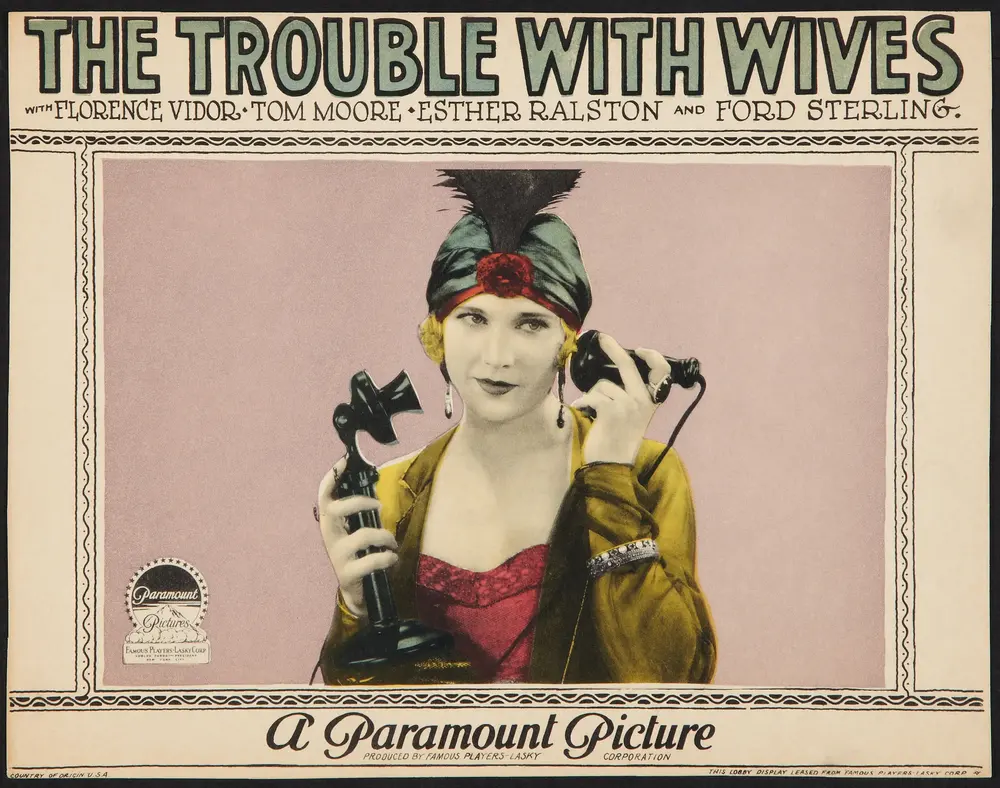
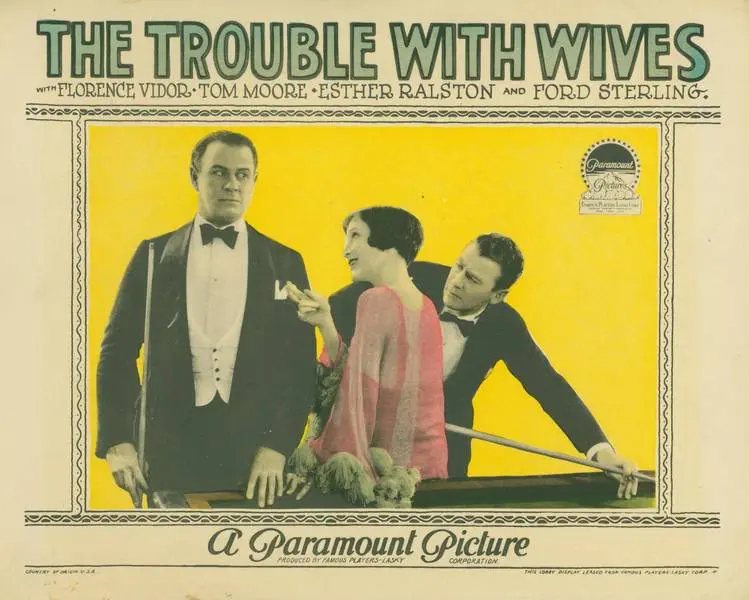
The Trouble with Wives

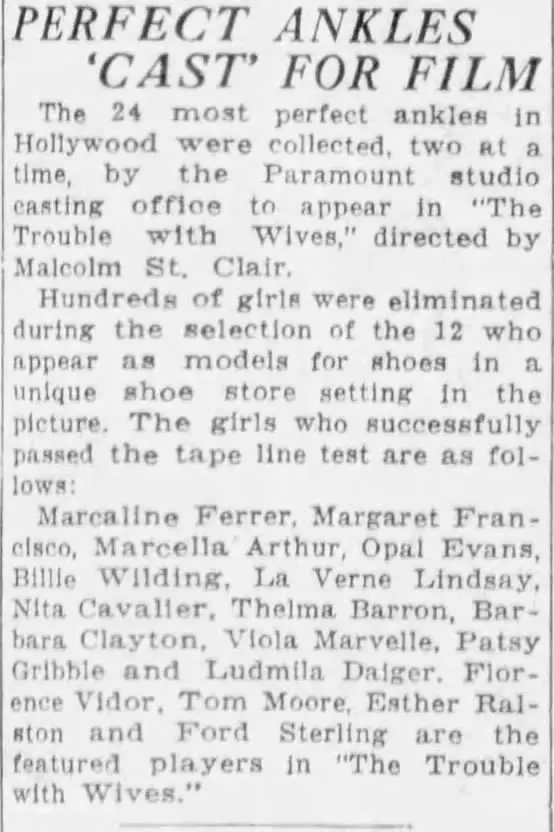
Edgar Kennedy stars as William Hyatt, the owner of a high-end bootery, a term that elegantly masks his profession as a shoe-shop owner, in a film that delves into the intricacies of marital life and the complexities of human relationships. The story unfolds in the opulent setting of Hyatt's exclusive establishment, a backdrop that serves not only to establish the film's class and prestige but also to underscore the societal expectations that weigh heavily on the characters.

Grace Hyatt, played by Etta Lee, is the embodiment of a loving and devoted wife. Yet, her heart is yearning for something more - a life of solitude, romance, and meaningful connection. Her dreams are repeatedly thwarted by the presence of two individuals: Al Hennessy, William's former college chum, and her mother, whom she adores but whose constant intrusion is a source of frustration. These characters, while seemingly minor, are pivotal in the unfolding drama. Hennessy's blunders and his friendship with William set the stage for the inevitable betrayal, while the mother's intrusive presence adds a layer of tension and complexity to Grace's already tumultuous life.
The narrative takes a turn when Hennessy reveals a visit to a Parisian shoe designer, Dagmar, to Grace. This revelation is the catalyst for a series of events that spiral out of control. Hyatt's affair with Dagmar is discovered, igniting a firestorm of accusations and recriminations. The morning after his tryst, Hyatt is met with a new phase of the triangle when Dagmar persuades him to visit her apartment, bringing Hennessy along. This decision sets in motion a series of events that test the loyalties and resolve of all involved.
Hennessy's character is particularly intriguing. Known for his blunders, he is also a man of action. His swift and decisive actions towards the end of the film, particularly in bringing Dagmar to the Hyatt household and introducing her as his wife, serve as a surprising and satisfying resolution. This twist not only resolves the marital conflict but also provides a narrative closure that is both unexpected and emotionally satisfying.
The film's script, penned by Sada Cowan and Howard Higgin, is a masterclass in the art of dramatic tension and conflict. The dialogue is sharp and witty, with a keen sense of humor that occasionally breaks the tension, providing moments of levity in an otherwise intense narrative. The use of dialogue to build character and advance the plot is particularly effective, with each character's words revealing their true nature and motivations.
The cinematography is a visual feast, with the opulent setting of the bootery and the Parisian apartment serving as a backdrop for the characters' emotional turmoil. The use of close-ups and medium shots effectively captures the intensity of the characters' emotions, from Grace's despair to Hyatt's conflicted feelings. The use of lighting is particularly noteworthy, with the contrast between the warm, inviting interiors and the cold, sterile hotel room creating a stark visual representation of the emotional landscape of the characters.
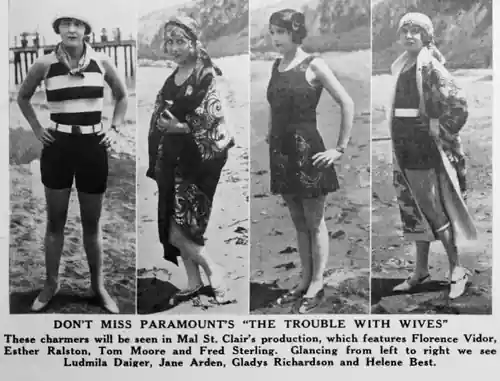
The performances are uniformly strong, with Edgar Kennedy delivering a nuanced and complex portrayal of William Hyatt. His performance captures the character's insecurity, his love for Grace, and his vulnerability. Etta Lee's portrayal of Grace is equally compelling, with her performance capturing the character's strength, her love, and her resolve. The supporting cast, including Florence Vidor, Gladys Richardson, and Helene Best, also deliver strong performances, each adding their own layer of complexity to the narrative.
The film's pacing is well-balanced, with a slow buildup of tension that culminates in a series of intense and emotionally charged scenes. The film does not shy away from the darker aspects of human nature, with the characters' actions and motivations driven by a combination of love, jealousy, and a desire for connection. The film's exploration of these themes is both nuanced and compelling, making it a must-watch for anyone interested in classic Hollywood drama.
Comparatively, 'The Trouble with Wives' stands out among its contemporaries, such as 'Algeria' and 'The Common Law,' with its intricate plot and strong performances. It is a film that rewards close attention and multiple viewings, with each layer of the narrative revealing new depths and insights into the characters and their motivations.
In conclusion, 'The Trouble with Wives' is a classic tale of marital intrigue and betrayal. Its strong performances, sharp dialogue, and intricate plot make it a must-watch for fans of classic Hollywood drama. Its exploration of the complexities of human relationships and the societal pressures that shape them make it a timeless and thought-provoking film.
IMDb 6.3
1934
Community
Log in to comment.