DbcultAccessing Vault...
5/10
Senior Film Conservator
A definitive 5/10 rating for a film that redefined the boundaries of cult cinema. The Turn in the Road remains a cornerstone of transgressive art.
Ah, the silent era! A canvas of raw human emotion, painted with broad strokes and subtle gestures, where the absence of spoken dialogue only amplifies the power of visual storytelling. And then there's King Vidor, a director whose career spanned decades, evolving with the medium yet always retaining a distinctive voice. To delve into his early work, such as the 1919 drama 'The Turn in the Road', is to witness the nascent stirrings of a master grappling with profound themes that would echo throughout his filmography. This isn't just a historical artifact; it's a testament to the enduring power of narrative, exploring faith, doubt, social injustice, and the unexpected catalysts of human transformation.
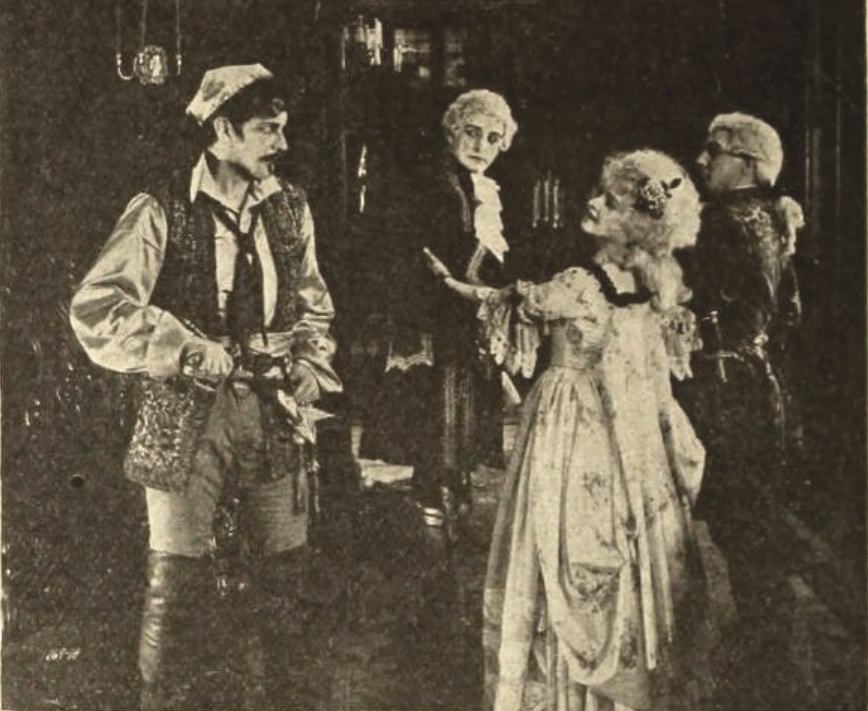
The film commences with an almost idyllic, albeit subtly fraught, setup. We are introduced to Paul Perry, portrayed with earnest intensity by Lloyd Hughes, a young man born into the lap of luxury as the son of Perryville's most affluent citizen. His marriage to Evelyn, the younger daughter of the Reverend Matthew Barker (Winter Hall, embodying the sternness of a man of God), appears to be the cornerstone of a contented future. Yet, beneath this veneer of happiness, a quiet tension simmers. June (Helen Jerome Eddy), Evelyn's sister, harbors an unrequited love for Paul, a secret sorrow that adds a layer of poignant complexity to the domestic landscape. More significantly, June stands as a quiet dissenter against her father's rigid sermons, which dogmatically preach that all affliction is merely the will of God. This theological divide, though initially understated, foreshadows the cataclysmic events that will soon shake their world to its foundations. It's a classical setup, reminiscent of the intricate family dynamics often explored in literary adaptations of the period, such as the various cinematic interpretations of A Tale of Two Cities, where personal fates become entwined with broader societal or spiritual upheavals.
The turning point, indeed, the very 'turn in the road,' arrives with a devastating swiftness: Evelyn's tragic death in childbirth. This singular event acts as a seismic shock, obliterating Paul's world and sanity. Lloyd Hughes, through the exaggerated yet deeply felt expressions characteristic of silent cinema, conveys a man utterly unmoored, teetering on the precipice of madness. His grief is not just personal; it is existential. He confronts Reverend Barker with searing questions about God's purported role in this cruel twist of fate. These anguished inquiries, born of profound loss, do more than just challenge the Reverend's sermons; they fundamentally destabilize his own deeply held beliefs. Winter Hall's portrayal of Barker's subsequent spiritual crisis is particularly compelling, showing the cracks in a once unshakeable faith. He is forced to confront the limitations of his dogma, to grapple with a God who allows such suffering. This internal struggle is beautifully rendered, a quiet revolution of the soul. The Reverend's subsequent sermons, now infused with a newfound focus on God's boundless love rather than His punitive will, are a direct consequence of Paul's agony. This shift, however, proves too radical for his wealthy, comfortable congregation, who preferred the reassuring certainty of their old doctrines, ultimately leading to Barker's dismissal. It's a powerful commentary on institutional religion's resistance to change and empathy, a theme that resonates even today.
While Reverend Barker embarks on a spiritual journey, Paul's path leads him into a literal and figurative wilderness. Driven by an insatiable hunger for 'God's truth' – a truth that can reconcile the horror of his loss with any benevolent divine plan – he abandons his privileged existence and descends into the anonymous depths of Chicago. Here, he becomes a derelict, a stark visual representation of his internal desolation. This transformation from the son of wealth to a man on the fringes of society is a potent visual metaphor for his spiritual and emotional collapse. It’s a narrative arc that speaks to the fragility of human fortune and the destructive power of unresolved grief, echoing the intense emotional turmoil seen in films like The Love That Lives, where characters face overwhelming personal tragedies that redefine their existence.
Meanwhile, June, the quiet observer, the silent sufferer, emerges as a figure of remarkable strength and selflessness. She takes Paul's infant son, Bob, under her wing, seeking to provide him with a semblance of stability. Her decision to take Bob to Chicago, presumably to be closer to Paul or to escape the judgmental eyes of Perryville, highlights her enduring devotion. Helen Jerome Eddy imbues June with a quiet dignity, her sacrifices often made without fanfare, a testament to her profound love and sense of duty. However, even June's resilience is tested; she is fired from her employment for refusing an employer's advances, a stark reminder of the precarious position of women in that era, particularly those without significant social or financial protections. This incident forces her to return to Perryville, bringing Bob with her, setting the stage for the film's eventual convergence of storylines.
Back in Perryville, another drama unfolds, one rooted in the harsh realities of industrial capitalism. Hamilton Perry (George Nichols), Paul's father, epitomizes the unyielding, profit-driven industrialist, denying his iron works employees desperately needed wage increases. This creates a volatile situation, simmering with resentment and injustice, a common narrative thread in films of this period reflecting burgeoning labor movements and social inequalities. The workers, pushed to their breaking point, are on the verge of violent rebellion, contemplating shooting their employer. This scene of impending class conflict is a powerful indictment of unchecked corporate power and the desperation it breeds, a stark contrast to the individual spiritual crises unfolding elsewhere in the narrative. It’s a potent social commentary, illustrating how economic disparity can fuel rage and violence, a theme not uncommon in silent films that dared to tackle contemporary issues, much like the social realism found in some European productions of the time, though perhaps less overtly political than some. The tension here is palpable, a powder keg ready to ignite, and the audience is left to wonder if any force can prevent the inevitable bloodshed.
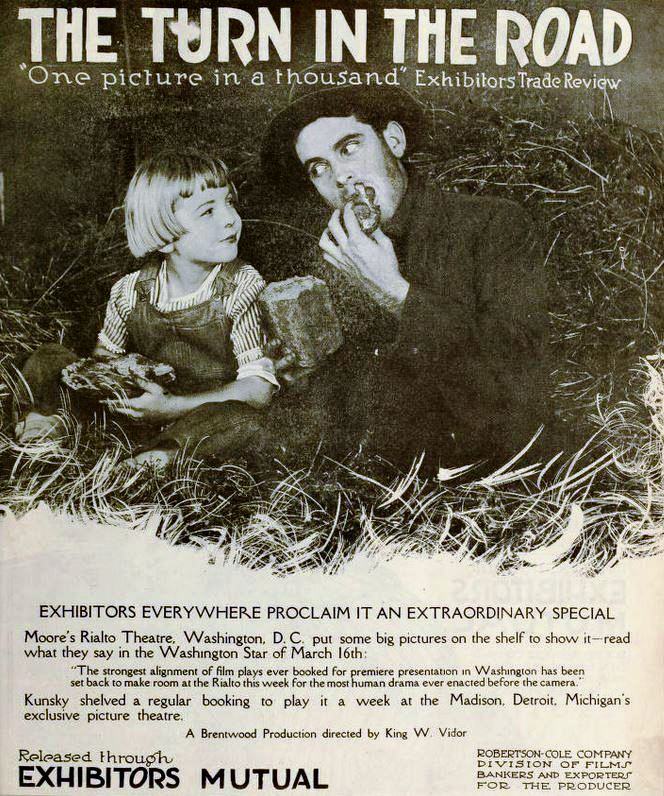
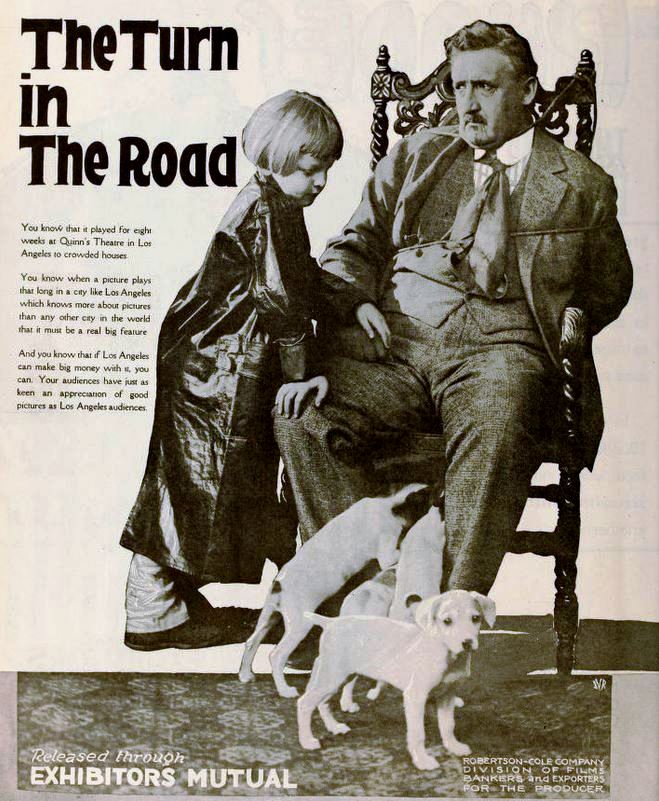
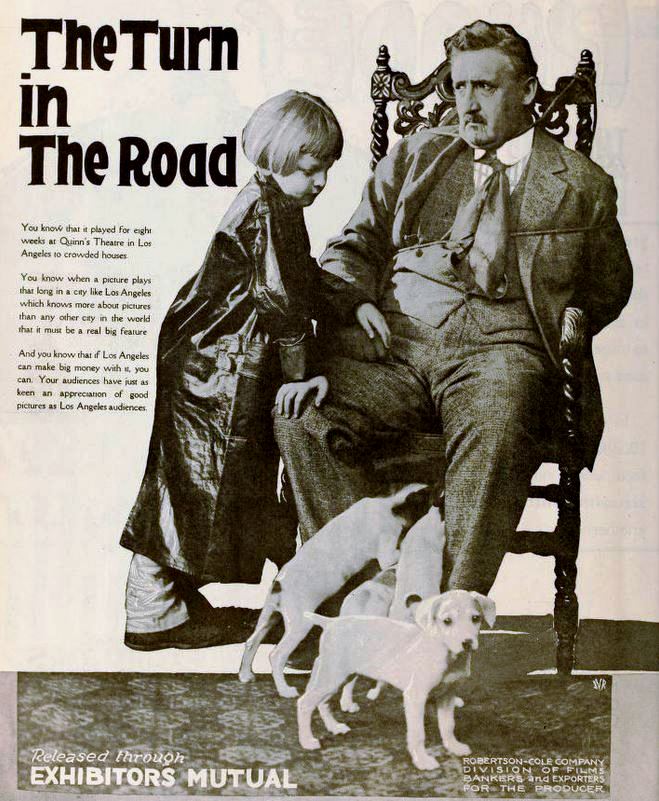
And then, a miraculous intervention. Enter Bob, now six years old, accompanied by a delightful litter of six puppies. Ben Alexander, as young Bob, delivers a performance that transcends the typical child actor role; he is not merely cute but profoundly impactful. His lovable, innocent nature, coupled with the irresistible charm of the puppies, acts as an unexpected balm on the inflamed passions of the workers. This is the heart of the film's message: the transformative power of pure, unadulterated love and innocence. The scene is masterfully constructed, a moment where the stark realism of social conflict is momentarily suspended by the sheer, unadulterated joy and disarming presence of a child. The workers, their anger defused, are subdued not by force, but by empathy and affection. Even Hamilton Perry, the hardened industrialist, is softened by Bob's presence. George Nichols, through subtle shifts in his demeanor, conveys the thawing of a heart long calcified by greed and power. He complies with their requests, a capitulation brought about not by threat, but by the gentle, persuasive force of a child's love. This resolution, while perhaps idealistic, serves as a powerful cinematic statement about the potential for human connection to bridge even the widest divides.
Paul's return to Perryville coincides with this extraordinary event. He arrives, a shadow of his former self, still searching for meaning, still reeling from his loss and his subsequent descent. To witness the profound effect Bob has had, not just on the workers but on his own unyielding father, must be a revelation. The film carefully builds to this moment of recognition. Paul observes Bob, absorbing the child's innate philosophy of love, a philosophy so potent it has quelled a rebellion and softened a tyrant. It is in this observation that Paul begins to find the answers he so desperately sought. The 'truth' he pursued in the grimy alleys of Chicago was not some abstract theological concept, but the tangible, transformative power of human connection and innocent affection, embodied in his own son.
The revelation that Bob is his own son is the final piece of the puzzle, the ultimate catalyst for Paul's healing. Lloyd Hughes, in this climactic moment, must convey a profound shift from despair to an overwhelming resurgence of happiness. It's a powerful emotional beat, a culmination of all the trials and tribulations. The film suggests that true redemption isn't found in theological debates or material wealth, but in the simple, profound bonds of family and the inherent goodness of a child's heart. June, who has silently anchored this fragile family, finally sees her quiet devotion bear fruit, though her personal sacrifices remain largely unremarked upon by the narrative's end, a subtle reflection of societal norms of the time.
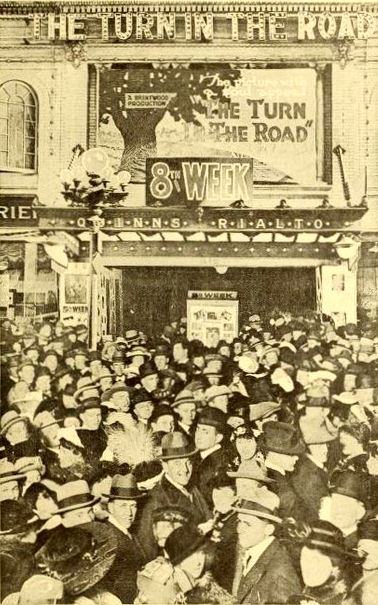
Even in this early work, King Vidor's directorial prowess shines through. While 'The Turn in the Road' might not possess the grand scale or overt experimentalism of his later masterpieces, it demonstrates a clear understanding of narrative structure, character development, and the emotional impact of visual storytelling. Vidor, even at this nascent stage of his career, was adept at extracting powerful performances from his cast, relying on their nuanced expressions and gestures to convey complex internal states in the absence of dialogue. The pacing, crucial for silent films, would have been carefully orchestrated to allow moments of intense drama to breathe, juxtaposed with scenes of quiet reflection and eventual joyous resolution.
The film's themes—faith, doubt, social responsibility, and the redemptive power of love—are remarkably sophisticated for its time. It’s not afraid to question established religious dogma or to highlight the stark inequalities of industrial society. The resolution, while leaning towards the sentimental, offers a hopeful vision of reconciliation through empathy and the transformative influence of innocence. This blend of social realism with an underlying spiritual message would become a hallmark of Vidor's work. The narrative’s ability to weave together personal tragedy with broader social commentary is particularly noteworthy, a difficult balance to strike in any era of filmmaking, let alone the silent period.
The performances, particularly by Lloyd Hughes as the tormented Paul and Helen Jerome Eddy as the steadfast June, are central to the film's success. Hughes's portrayal of Paul's descent into madness and eventual return to sanity would have required immense physical and emotional commitment, using every tool available to a silent actor. Eddy, often in a more restrained role, communicates volumes through her eyes and subtle body language, embodying quiet strength and unwavering devotion. Winter Hall's transformation as Reverend Barker from rigid theologian to compassionate spiritual guide is another highlight, showcasing the internal struggle of a man forced to reconsider his entire worldview. These portrayals elevate the narrative beyond a simple melodrama, imbuing it with genuine human resonance.
In conclusion, 'The Turn in the Road' stands as more than just an early entry in King Vidor's illustrious filmography. It is a compelling silent drama that bravely tackles profound questions of faith, grief, and social justice. Its narrative, though rooted in the specific concerns of its time, resonates with timeless human experiences. It reminds us that even in the darkest valleys of despair, a path to redemption can be found, often in the most unexpected places—or, in this case, through the innocent eyes and loving heart of a child. It's a film that speaks to the enduring power of compassion and the human capacity for change, a poignant and powerful cinematic journey worth revisiting, offering insights into both the art of early filmmaking and the perennial struggles of the human spirit.

IMDb 6.8
1930
Community
Log in to comment.