DbcultAccessing Vault...
Cult Review
Senior Film Conservator
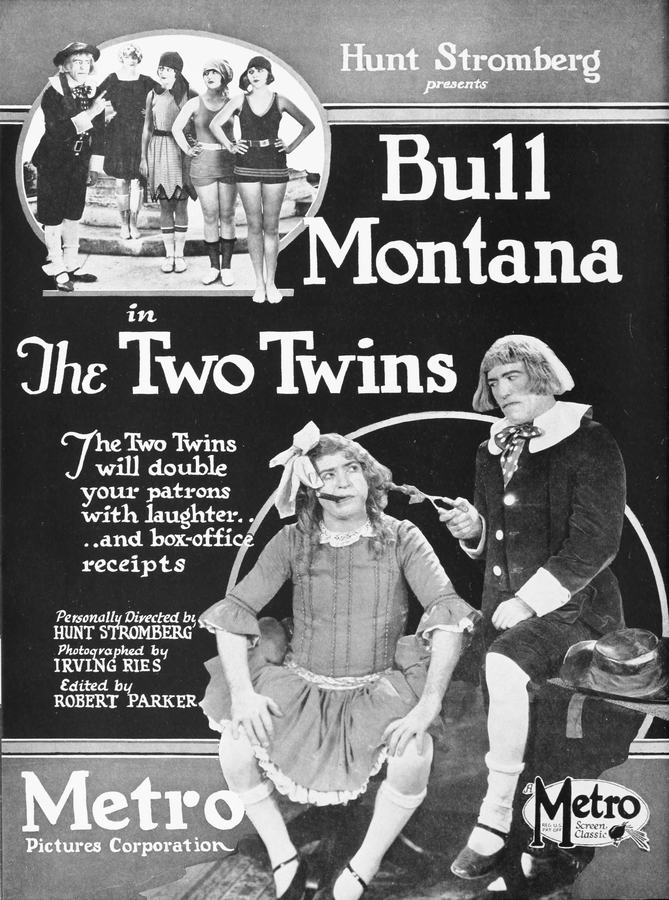
The film opens with a telephone call that crackles with insincerity—a society woman, her voice lacquered with condescension, demands the "worst boys" from an orphanage. The matron, weary from years of institutional drudgery, obliterates protocol and ships Buster and Custer into the lion’s den. This act of bureaucratic cowardice sets the tone: the world of 'The Two Twins' is one where adult authority figures are as flawed and self-serving as the children they claim to guide.
Buster and Custer are not the traditional mischievous twins of slapstick lore; they are cultural disruptors with a childlike ruthlessness. Their antics—smashing crystal, reenacting battles on piano tops—aren’t mere chaos but a deliberate dismantling of bourgeois aesthetics. When they stage a mock opera using the family’s dinner guests as marionettes, the film’s true thesis emerges: the elite’s obsession with performance is a fragile construct, easily upended by the raw, unfiltered energy of youth.
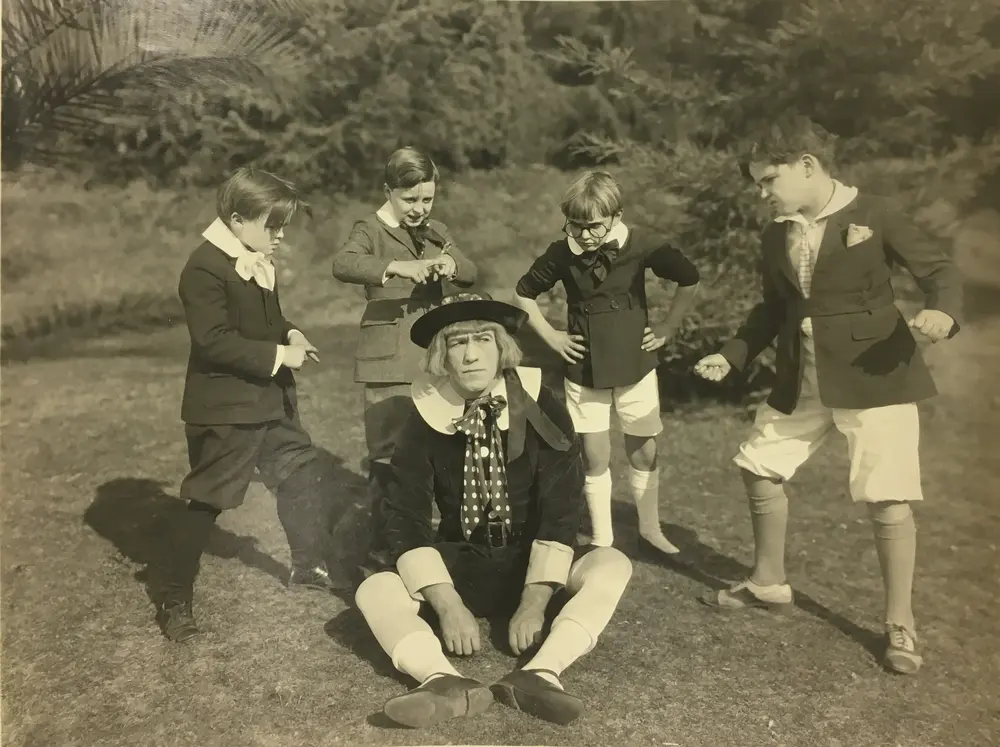
At its core, 'The Two Twins' is a war between generations, with the children wielding their innocence like a sledgehammer. The husband’s transformation from earnest adoptive father to exasperated recluse mirrors the audience’s journey—from complicity in the system to reluctant acknowledgment of its absurdity. The film’s silent language—gestures amplified, expressions exaggerated—turns the twins into existential threats to the status quo.
While The Sawmill uses orphans as symbols of purity in a gritty industrial landscape, 'The Two Twins' weaponizes them. The contrast is jarring: here, the twins are not victims but agents of chaos, a reversal that challenges the audience’s expectations. Similarly, Love at First Sight romanticizes class collisions, whereas this film satirizes them, exposing the transactional nature of adoption as both a social and economic maneuver.
The film’s rhythm is a masterclass in physical comedy. A standout sequence features the twins turning a lavish dinner into a guerrilla theater piece, using the silverware as props in a shadow puppet show. The choreography—honed by the directors’ meticulous eye—turns the mundane into the surreal, with each gag escalating in absurdity until the viewer is left breathless. The husband’s futile attempts to restore order—clutching a napkin like a flag of surrender, his facial expressions cycling from rage to resignation—anchor the humor in a human (albeit privileged) experience.
Grace Gordon’s portrayal of the society woman is a study in repression. Her stiff posture and calculated gestures mirror the cage of her own making, while the twins’ physicality—a blend of Polly of the Circus-esque acrobatics and Heart Strings-style emotional volatility—contrasts sharply with her icy demeanor. The performance highlights the film’s central irony: the real outcasts are not the boys, but the adults who cling to their artificial hierarchies.
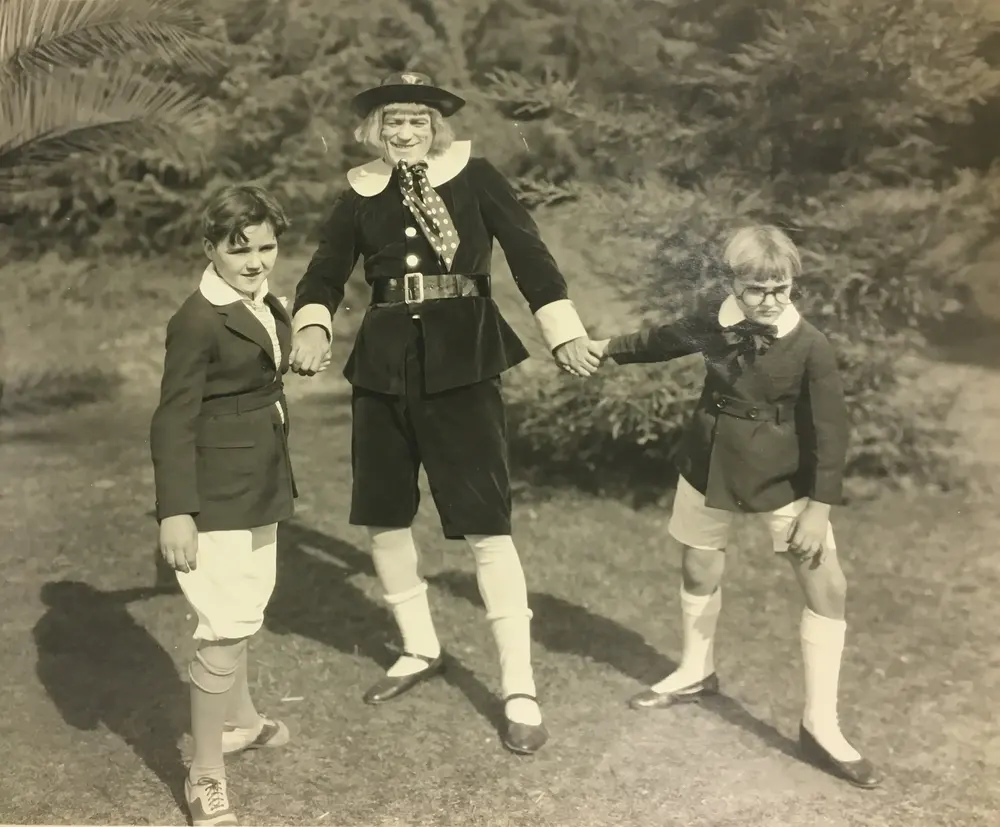
The twins’ legacy extends beyond their screen time. Their anarchic ethos echoes in later films like A Baby Doll Bandit, where innocence is weaponized against corruption, and Joan the Woman, which similarly deconstructs gendered expectations of motherhood. Yet 'The Two Twins' remains unique in its unflinching critique of class as a performative construct, a theme that resonates with modern audiences grappling with the same societal fissures.
The film’s visual storytelling is a triumph of the silent era. The use of shadows to delineate social spaces—the twins darting through periphery lighting like shadows of the system they disrupt—adds a layer of subtext. The editing, brisk yet purposeful, ensures that the farcical chaos never descends into incoherence. A particularly striking transition uses a broken mirror to cut from the twins’ antics to the husband’s fractured psyche, a metaphor for the societal self the film dissects.
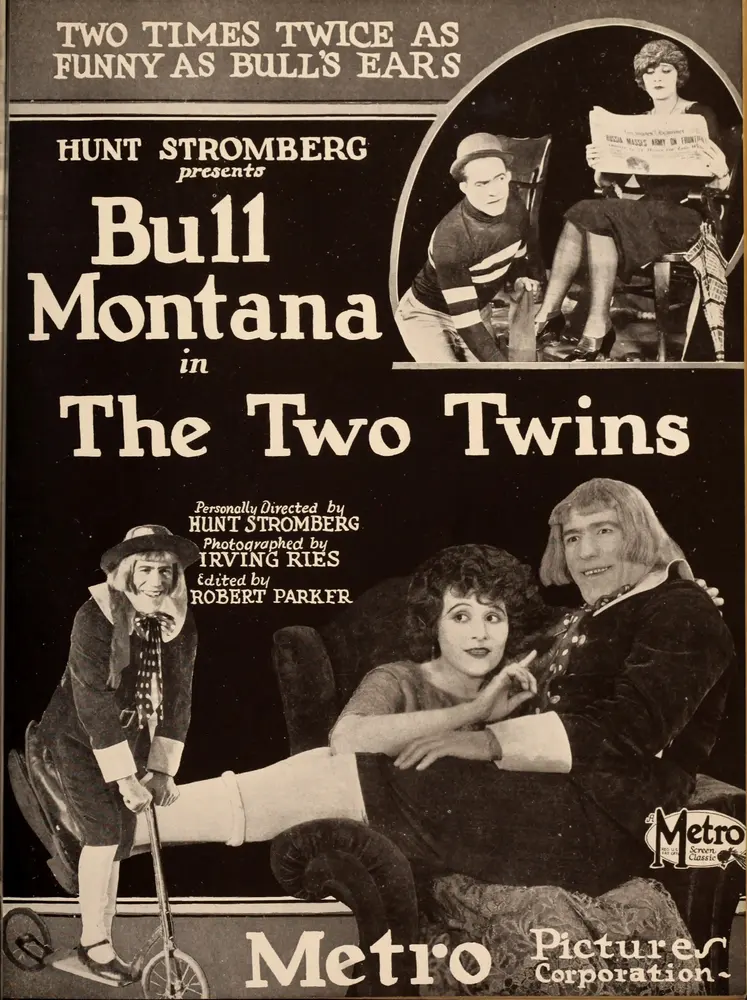
The film’s resolution is neither a moral triumph nor a tragic downfall. Instead, it offers a quiet resignation: the society woman, her world irreparably altered, walks away from the orphanage, her expression unreadable. The twins, having fulfilled their disruptive mission, vanish into the horizon—a fitting coda for a film that values chaos over order. The husband, now a broken man, sits alone in his study, the empty chairs around him a testament to the hollow victories of his class.
While the film’s structure follows a familiar template—mischievous children, a crumbling elite—the execution is where it diverges. The directors avoid the trap of cliché by infusing each scene with a specificity that elevates it beyond mere slapstick. The twins’ final act of painting a mural on the drawing-room wall—depicting a utopian world where orphans and aristocrats dine as equals—is a cheeky nod to the film’s radical heart.
Where Burglar Proof uses crime as a narrative device to critique economic disparity, 'The Two Twins' weaponizes innocence for the same purpose. The contrast is illuminating: one film’s villains wear masks, while this one’s are draped in silk. Both, however, arrive at the same conclusion—societal structures are inherently vulnerable, and the only way forward is to dismantle them from within.
'The Two Twins' endures not because it is a perfect film—its pacing falters in the second act—but because it captures an eternal truth: that power is a performance, and the only thing more fragile than power is the belief in it. In an age where social hierarchies are once again under scrutiny, this film is a reminder that laughter can be the sharpest form of dissent. The twins may have exited the screen decades ago, but their legacy is a call to arms for anyone who dares to laugh at the absurdities of class, privilege, and the human condition.
IMDb 6.1
1932
Community
Log in to comment.