United States

The year 1929 stands as a seismic threshold in the annals of moving images, a period where the industry teetered between the refined visual language of the silents and the crude, yet intoxicating, allure of synchronized sound. Love at First Sight, a production that often escapes the broader historiography of the era,...
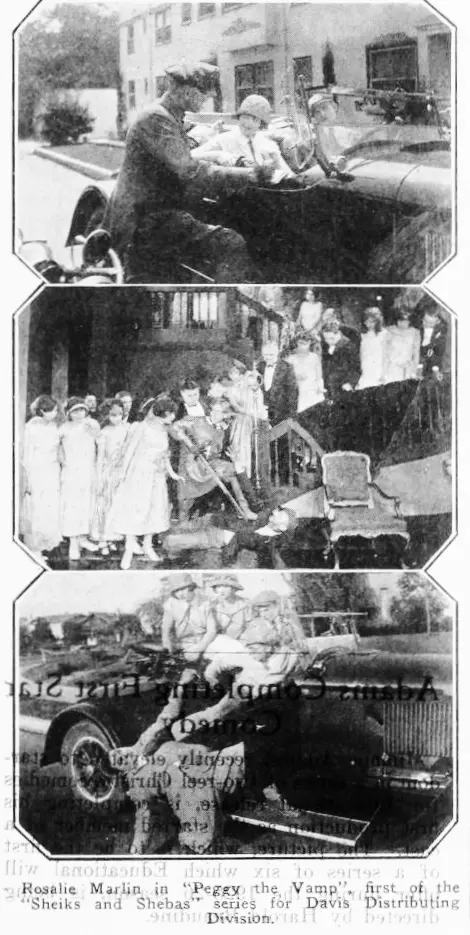
Comparing the cinematic DNA and archive impact of two defining moments in cult history.
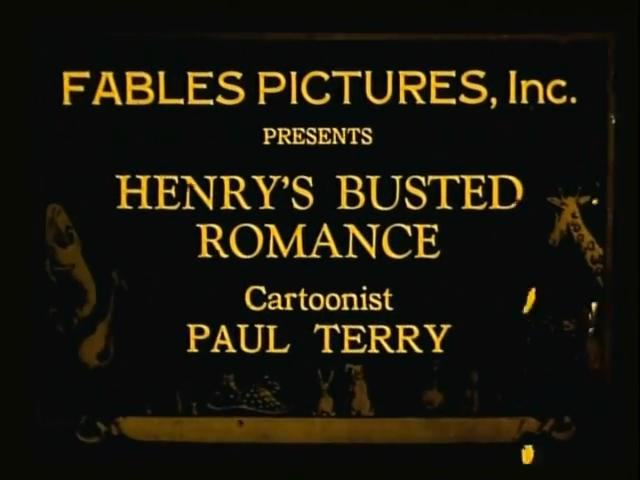
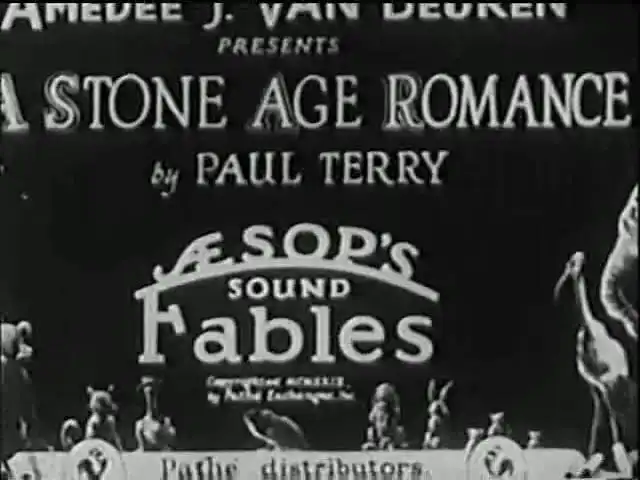
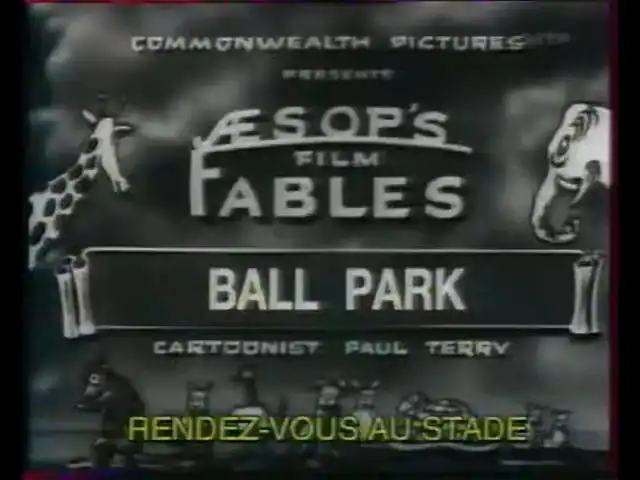
Paul Terry
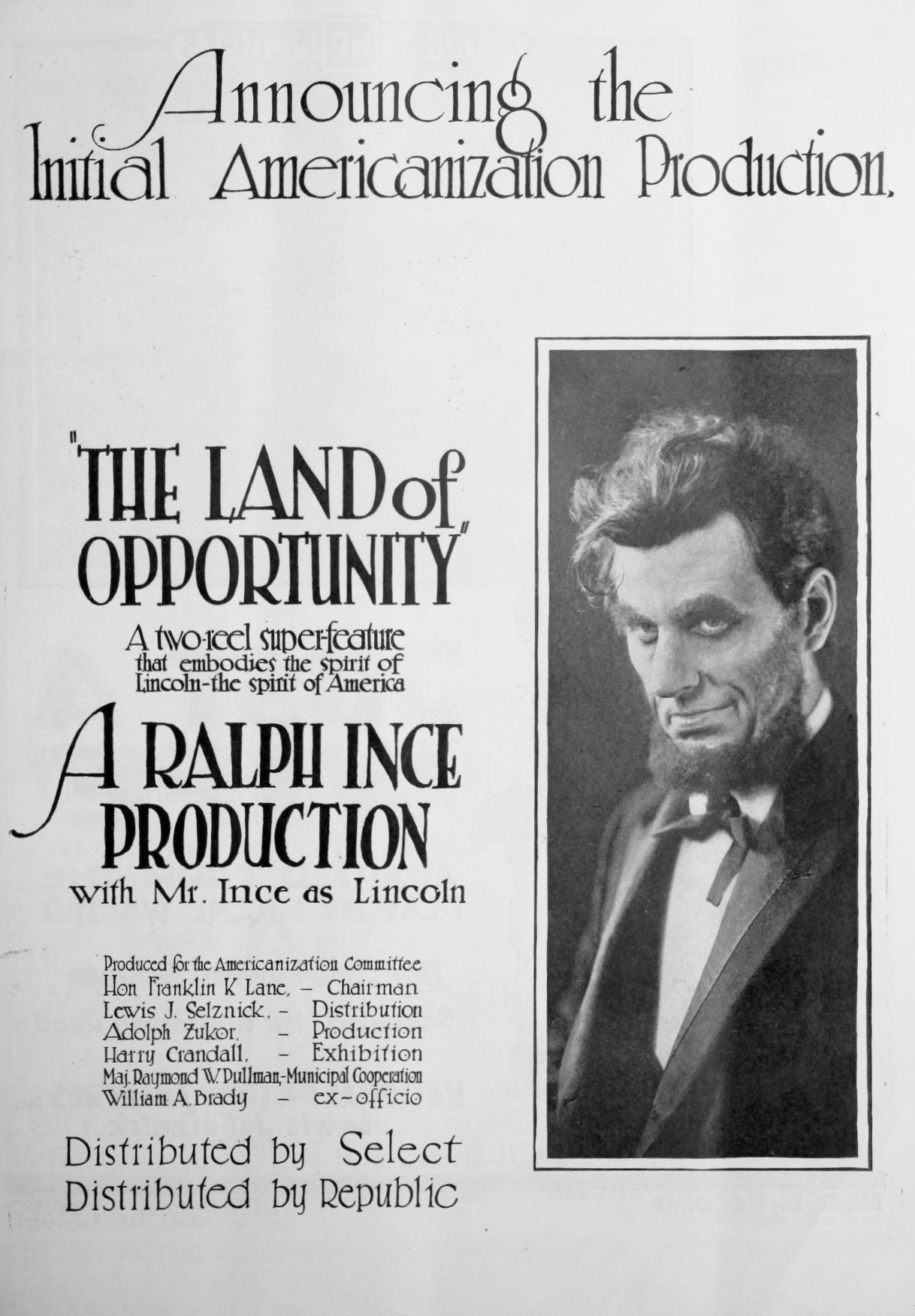
Ralph Ince
Community
Log in to comment.
" The year 1929 stands as a seismic threshold in the annals of moving images, a period where the industry teetered between the refined visual language of the silents and the crude, yet intoxicating, allure of synchronized sound. Love at First Sight, a production that often escapes the broader historiography of the era, serves as a fascinating specimen of this evolutionary flux. It is not merely a film; it is a historical artifact that captures the frantic, sometimes clumsy, yet always earnest tr..."

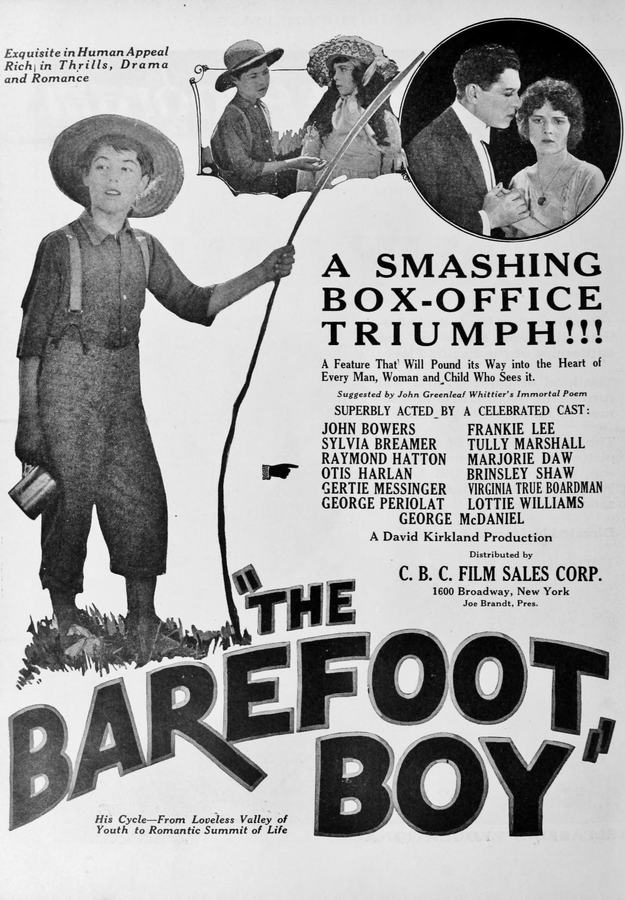
Deep dive into the cult classic
Discover similar cinematic experiences
A Directorial Spotlight on Paul Terry