DbcultAccessing Vault...
Cult Review
Senior Film Conservator
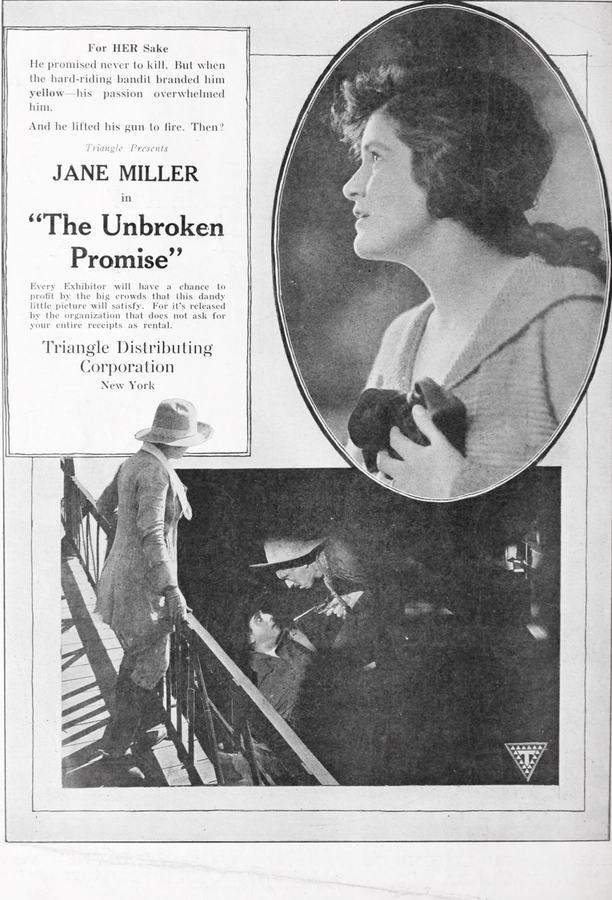
Frank Powell’s The Unbroken Promise emerges not merely as a relic of early 20th-century cinema, but as a profound meditation on the psychological architecture of the American West. While many contemporary Westerns of its era relied on the visceral thrill of gunplay, Powell, working from the literary foundations of Henry H. Knibbs, constructs a narrative where the most explosive conflicts occur within the silent chambers of the human heart. The film operates on a plane of elevated melodrama, yet it possesses a grounded, almost tactile sense of place that elevates it above the standard fare of its contemporaries like The Stolen Paradise.
The central friction—the perennial feud between the sheep ranchers and the cattlemen—serves as a macrocosmic reflection of the internecine struggles of the Corliss family. John Corliss, portrayed with a rugged stoicism by John Smiley, is a character who embodies the transition from the lawless frontier to a more civilized, though no less demanding, moral order. His love for Nell Loring is a quiet, burgeoning force, kept under the strict surveillance of his own sense of duty. This suppression is the engine of the film’s tension, creating a narrative velocity that rivals the more overt drama found in To Honor and Obey.
One of the most compelling aspects of the screenplay is the imposition of the "promise" itself. When Nell Loring (Jane Miller) extracts a vow of non-violence from John, she essentially disarms him in a world that only understands the language of force. This thematic choice introduces a layer of vulnerability rarely seen in the archetypal Western hero. It echoes the atmospheric dread of The Gray Wolf's Ghost, where the protagonist is haunted by external and internal specters alike. John’s refusal to kill, even when faced with the betrayal of his brother Billy and the insidious machinations of the cowboy Fadeaway, transforms him into a secular saint, a figure of ascetic endurance.
The scene where John rescues Nell from a runaway horse is a masterclass in kinetic storytelling. It is the moment where the physical world collides with the emotional one, forcing Nell to confront the futility of her pact with the wayward Billy. Jane Miller’s performance here is nuanced; she captures the frantic realization that her attempt to "save" Billy through a loveless marriage was a folly of youthful idealism. This realization sets the stage for the film’s second act, which delves into the darker recesses of familial betrayal and criminal conspiracy, reminiscent of the intricate plotting in The Great Ruby.
The character of Billy, played by Robert Taber, serves as the narrative’s volatile element. His descent from a mere drunkard to a conspirator in a safe robbery provides a stark contrast to John’s unwavering integrity. The dynamic between the brothers is a microcosm of the broader societal shift toward accountability. When John refuses Billy money, he is not merely being parsimonious; he is attempting to enforce a moral curriculum. Billy’s reaction—plotting with Fadeaway—is the desperate gasp of a dying ethos of entitlement. This conflict mirrors the tragic undercurrents of La Destinée de Jean Morénas, where fate and character are inextricably linked.
The climactic fight between John and Fadeaway is particularly significant because of what does not happen. John, remembering his promise to Nell, refrains from the lethal violence that the audience—and the genre—expects. He "punches him soundly," a choice that feels almost radical in its restraint. This restraint is what makes the subsequent misunderstanding so poignant. When John finds Fadeaway dead, he assumes Nell committed the act to protect him. His decision to plant evidence against himself is the ultimate act of chivalric sacrifice, a theme explored with similar intensity in L'empreinte de la patrie.
Frank Powell’s direction utilizes the Texas landscape not just as a backdrop, but as a psychological participant. The wide, desolate vistas reflect the isolation of the characters, while the tight interiors of the ranch houses emphasize the suffocating nature of their secrets. The cinematography captures the harsh sunlight of the plains with a starkness that brings to mind the visual clarity of A Tüz. Powell understands that in a silent film, the landscape must speak for the characters, and here, the dust and the distance articulate a profound sense of longing.
The supporting cast, including Sidney Mason and Richard L'Estrange, provides a solid foundation for the leads. The presence of Fadeaway as a catalyst for the plot's darker turn adds a layer of grit that prevents the film from becoming overly saccharine. The resolution, involving the sister of a woman Fadeaway betrayed, introduces a theme of feminine vengeance that feels surprisingly modern. This plot point echoes the mystical and often dark resolutions found in Madame de Thebes, where the past always finds a way to exact its toll.
When comparing The Unbroken Promise to other adventure narratives of the period, such as Allan Quatermain, one notices a distinct difference in focus. While Quatermain explores the external unknown, Powell’s film explores the internal frontier. It shares more DNA with the mystery-laden atmosphere of The House of a Thousand Candles or the duty-bound tension of Shannon of the Sixth. There is a specific kind of American nobility being forged here, one that is distinct from the European traditions of the time.
The film also touches upon the redemptive power of truth. Billy’s ultimate attempt to take the blame for the murder—though he is innocent of that specific crime—shows a character arc that is rare for "villainous" siblings in early cinema. It is a more sophisticated take on the "reformed man" trope than seen in The Princess of Patches. The final union of John and Nell is not just a romantic conclusion but a restoration of moral equilibrium. It is a moment of grace that feels earned, much like the hard-won resolutions in The Ring and the Ringer or Hugon, the Mighty.
The Unbroken Promise stands as a testament to the power of the silent medium to convey complex ethical dilemmas. It avoids the easy path of black-and-white morality, choosing instead to inhabit the grey areas of human motivation. By weaving together a story of pastoral conflict, romantic sacrifice, and criminal intrigue, Frank Powell created a work that remains resonant. It is a film that demands to be viewed with the same level of intellectual engagement as The Hidden Pearls, offering a rich tapestry of human experience that transcends its historical moment. For those seeking a Western that prioritizes the spirit over the spectacle, this is an essential piece of cinema history. The performances are earnest, the direction is purposeful, and the central promise—though tested by fire—remains a beacon of hope in a world of dust and shadow.
IMDb 7.4
1933
Community
Log in to comment.