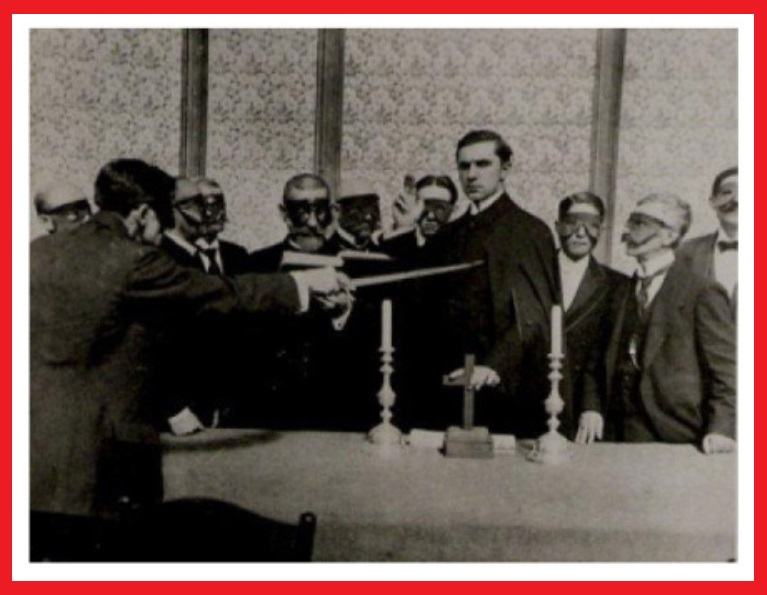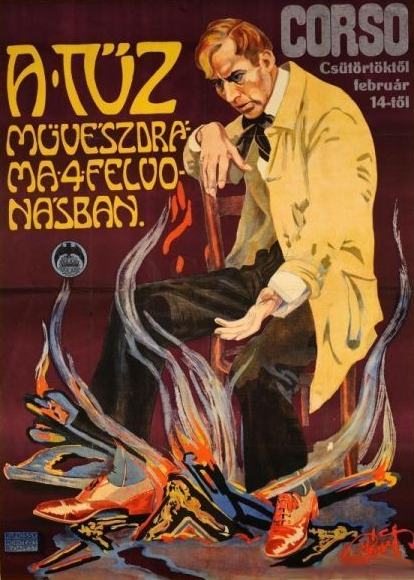
Imagine celluloid soaked in kerosene—that is the texture of Mihály Kertész’s A Tüz, a film that does not depict a conflagration so much as become one. Shot on nitrate so volatile the crew kept buckets of sand between takes, the 1921 Hungarian feature has resurfaced only in fragments: four cans, vinegar-scented, tucked...

still_frame

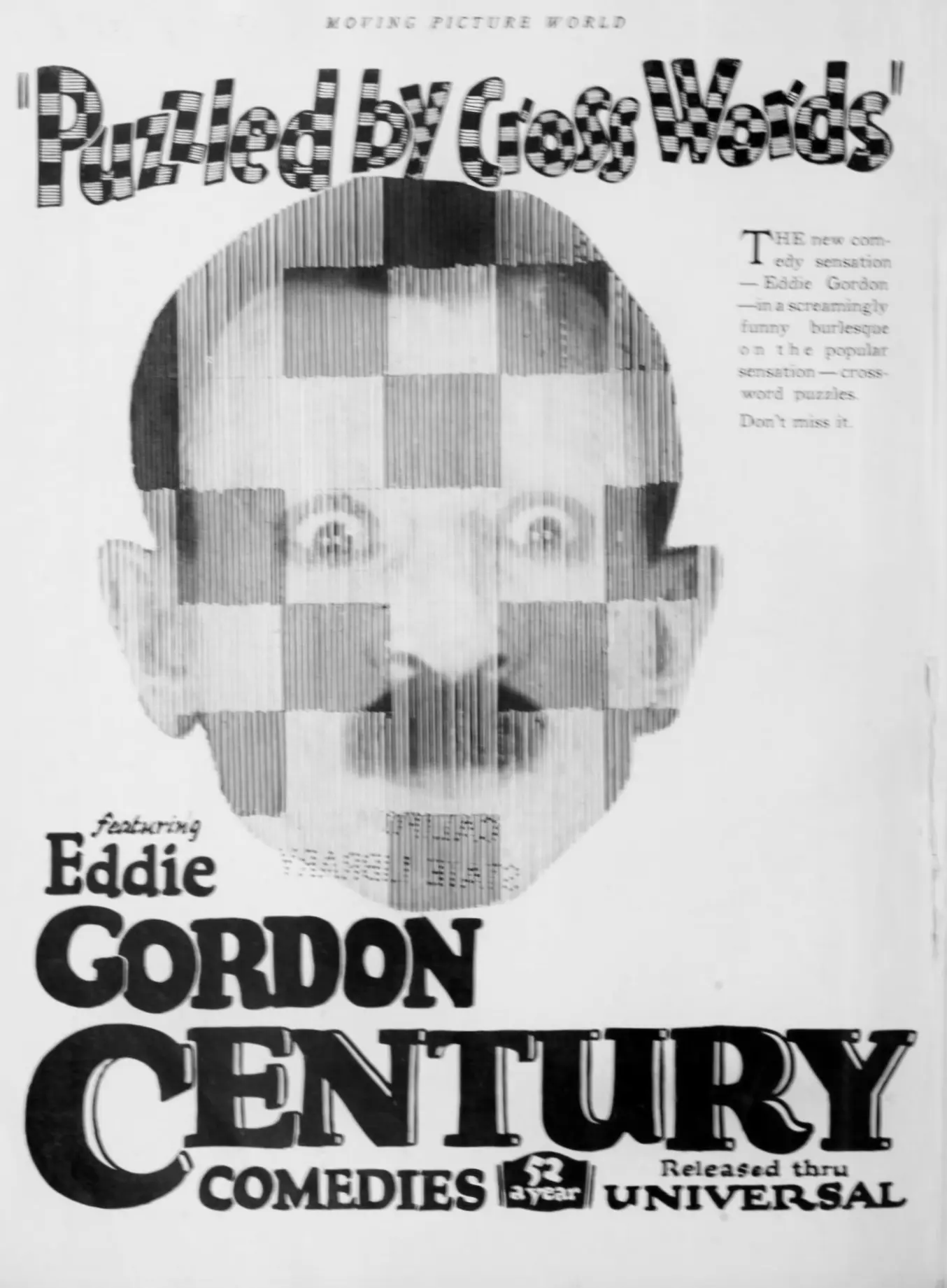
Comparing the cinematic DNA and archive impact of two defining moments in cult history.
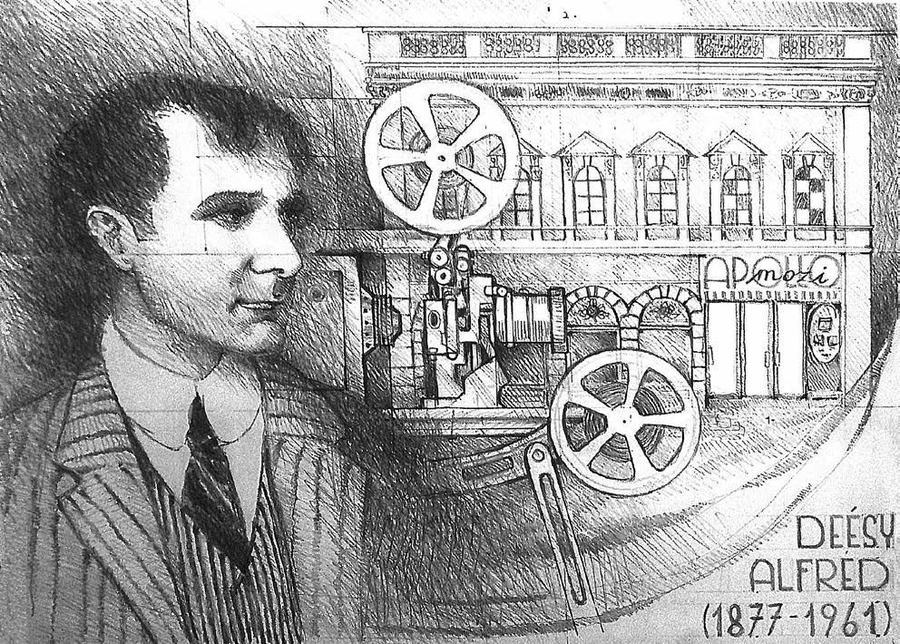
Alfréd Deésy
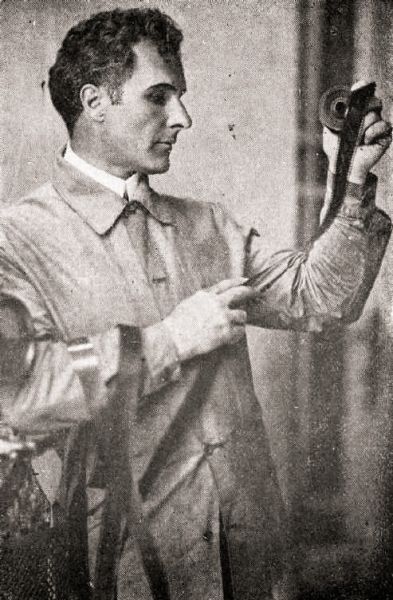
Alfréd Deésy
Community
Log in to comment.
" Imagine celluloid soaked in kerosene—that is the texture of Mihály Kertész’s A Tüz, a film that does not depict a conflagration so much as become one. Shot on nitrate so volatile the crew kept buckets of sand between takes, the 1921 Hungarian feature has resurfaced only in fragments: four cans, vinegar-scented, tucked inside a mislabeled reel of Parentage. Yet what remains scorches the retina more vividly than any complete print of its contemporaries. From the first close-up—Norbert Dán’s pupil..."