DbcultAccessing Vault...
Cult Review
Senior Film Conservator
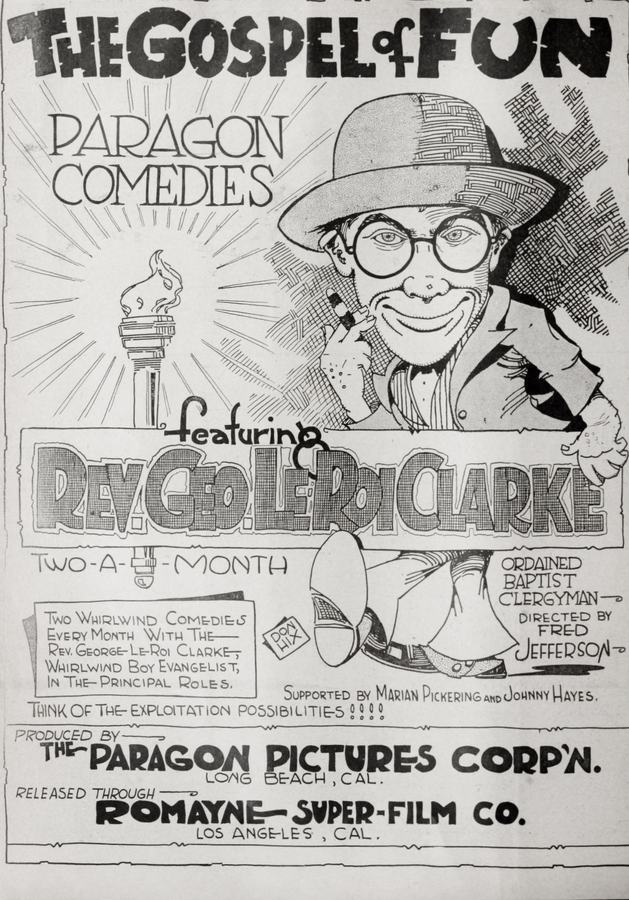
There are films that bark; others bite. The Under Dog sinks incisors into the jugular of the American Dream and worries it until the collar snaps, spilling pearls of entitlement across a cobblestone gutter.
Shot on the serrated edge of 1925, when the nickelodeon’s raucous infancy had calcified into feature-length ambition, this twelve-reel fever dream from the long-defunct Aurora Producing Company arrives like a crate of nitrate forgotten in a condemned warehouse—volatile, luminous, pungent with ether. No existing pressbook survives; the negative was allegedly melted for its silver halide during the ’34 bank crash. Yet a carbon arc of narrative brilliance still flickers through the single circulating print at MoMA, scorched enough to feel apocryphal, pristine enough to wound.
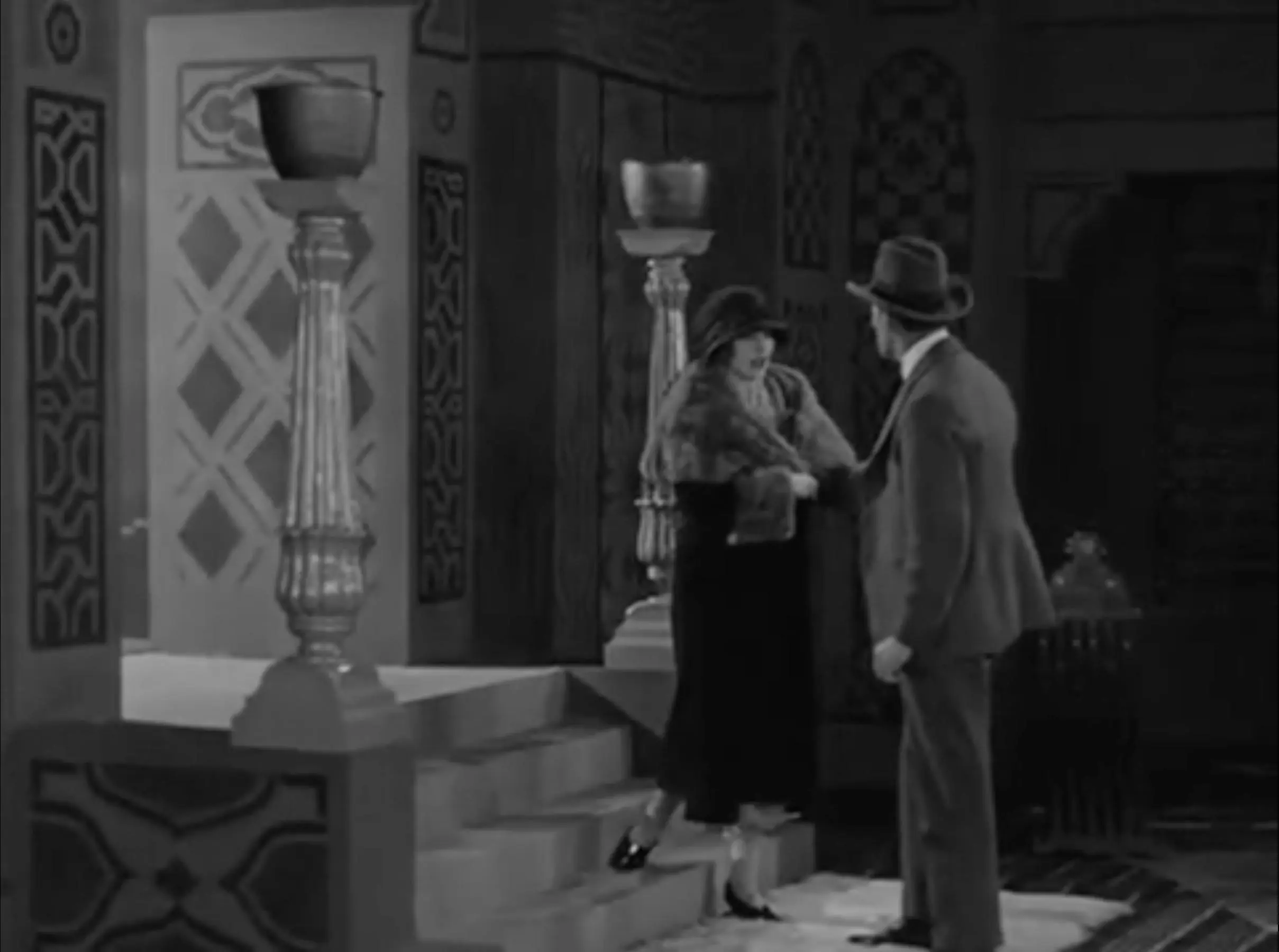
The film’s four-legged protagonist—played by a mongrel discovered rooting through Edison’s old backlot—functions as both holy fool and moving target. His ribcage is a xylophone on which the metropolis plays its predatory sonata. When Pickering’s society sylph, draped in ermine that smells of gardenias and formaldehyde, scoops the trembling beast into her Packard sedan, the cut is so abrupt it feels like kidnapping. In the iris-in we glimpse not gratitude but terror: salvation, in this universe, is merely a more genteel execution.
Director Jules Copeland—whose career evaporated after a single cocaine conviction—frames Manhattan as a vertical labyrinth where every stairway descends. Notice how the camera tilts downward even atop the Waldorf-Astoria roof, as though gravity itself were corrupt. The Under Dog’s journey from sewer to salon and back becomes a Stations of the Cross written in paw prints, each vignette calibrated to expose a different stratum of predation: dog fights where stockbrokers chew cigars thicker than the animals’ necks; charity galas where matrons auction diamond chokers to “save the strays” while their coachmen boot alley cats into the East River; a boxing gym whose punching bags leak sawdust and blood in equal ratio.
Marian Pickering—often dismissed as a porcelain placeholder beside more flamboyant contemporaries like Madame Butterfly’s hypersonic melodrama—delivers here a masterclass in micro-gesture. Watch her pupils dilate when the dog first licks the salt from her glove; the tremor is erotic, maternal, and terrified in the same breath. Later, when she renounces her fortune on the courthouse steps, the smile is so faint it could be a nervous tic, yet it irradiates the frame like radium. Intertitles waste no words: “She traded pearls for teeth marks.” The line lands harder than any monologue in Life or The Bugle Call.
George LeRoi Clarke’s pugilist, “Kid” Slattery, carries the battered lyricism of a Keats bruised rather than born. His cheekbones are bas-relief under the single tungsten bulb that illuminates his flophouse room. When he spars with the dog—inviting the animal to nip at his wrapped fists—Copeland undercranks the camera, creating a waltz of phantom speed that foreshadows the rigged bout to come. The fighter’s body is text: every scar a stanza, every welt a caesura. His love for Pickering’s heiress is never declared; instead we see him shadow-box her reflection in a pawn-shop window, the glass fogged by breath that smells of iodine and rot.
Johnny Hayes, barely fifteen during production, embodies the newsie who scribbles destiny on the cheap pulp of the Evening Graphic. His face—freckles like cinnamon on spoiled milk—cracks open when he witnesses the dog’s refusal to dive at the fixed fight. Hayes’s reaction shot lasts only eight frames, but the tear that beads in the corner of his eye swells until it eclipses the lens, becoming a liquid iris through which the entire moral universe refracts. He will sell this revelation for a nickel, but the cost is his innocence, a currency already debased by the decade. Compare his arc to the adolescent daredevils in Daredevil Kate or the sacrificial urchins in Den hvide Slavehandels sidste Offer; Hayes inhabits a limbo more desolate because salvation is visible yet always receding.
Copeland and cinematographer Sol Polito (later Warner’s go-to for gangster spectacles) conjure chiaroscuro miracles. Observe the dogfight sequence staged inside a shuttered trolley barn: moonlight knifes through broken slats, carving stripes across the sawdust arena so that every snarl becomes a fugitive behind bars. The camera, handheld on a wheelbarrow, glides between gamblers’ legs, catching glints of gold teeth and brass knuckles. Smoke from cheap stogies hangs in the beam of a single carbide lamp, creating a nimbostratus that seems to smother sound itself—an aural silence so dense you swear you can hear cartilage snap.
Contrast this with the subsequent ballroom scene: ivory columns, gilded stucco, a string quartet sawing out Schubert. Yet Polito’s lighting remains funereal; he drapes tulle over the kliegs, muting the chandeliers until the opulence feels embalmed. When Pickering waltzes with Clarke’s boxer—both in borrowed tails—their bodies never touch above the waist; the gap between their torsos is a chasm of class, illuminated by a sliver of sea-blue spotlight (#0E7490) that makes the assembly gasp as though witnessing a séance rather than a dance.
Copeland’s editing rhythms prefigure Soviet montage yet retain a jittery American pulse. In the climactic sequence he cross-cuts three arenas of moral combat: the heiress signing away her inheritance on a marble slab that looks suspiciously like a tombstone; the boxer absorbing blows meant to fell him in the third round; the dog sprinting through a labyrinth of packing crates along the Hudson wharf, a posse of bookies in hot pursuit. The tempo accelerates until frames themselves seem to bruise. At the precise instant the boxer’s knee buckles, Copeland smash-cuts to the dog leaping over a crate—its silhouette frozen against a sodium flare—creating a visual rhyme: both underdogs mid-air, suspended between knockout and deliverance. The audience at the 1925 Strand reportedly screamed so loudly the orchestra pit’s brass section missed its cue.
No original score survives; exhibitors were instructed to improvise. Contemporary accounts mention a Harlem organist who improvised a fugue based on “Sometimes I Feel Like a Motherless Child,” transposing it into a major key until it sounded like a lullaby sung through broken teeth. Today’s restoration at MoMA pairs the film with a minimalist trio—viola, brushed snare, prepared piano—who underscore every pawfall with a heartbeat-like throb in D-minor. The effect is ectoplasmic; you swear the dog onscreen hears the music and quickens his gait.
Against Moriturus’s Grand Guignol fatalism, The Under Dog feels almost secular—its crucifixion is economic, not eschatological. Beside The Unbroken Promise’s Victorian moral arithmetic, Copeland’s film is differential calculus: variables of class, species, and fate that refuse to balance. The Heart of Tara offers Orientalist exotica; Copeland delivers ash-can verité that smells of sour beer and horse dung. Even In Mizzoura’s frontier romanticism feels pastoral by comparison—The Under Dog knows the city is the final wilderness, cement its prairie, neon its starlight.
For decades the only remnant was a lobby card on eBay: the dog wearing a counterfeit Rolex, tongue lolling like a pink surrender flag. Then, in 2017, a reel labeled “UD reel 5” surfaced in a Croatian monastery’s archive, misfiled beside passion-play negatives. MoMA’s preservationists rehydrated the shrunken celluloid in a bath of glycerin and hope, scanning it at 4K. The bruises remain—vertical scratches that look like lightning over a midnight sea—but the wounds breathe. Every flicker of emulsion loss feels deliberate, as though the film itself were scar tissue.
Because we are all, in some ledger, underdogs. Because the film’s final shot—a close-up of the mongrel asleep between two human corpses of promise—delivers neither catharsis nor condemnation, only the terrible mercy of endurance. Because in an age when algorithms auction our attention to the highest bidder, here is a artifact that paid for its existence in blood, sweat, and silver nitrate, yet still refuses to sell its soul. Stream it if you must, but better to haunt a repertory house where the projector’s clack becomes a metronome for your own cardiac murmur. When the lights rise, you will step onto pavement that feels suddenly porous, every gutter grating a possible portal to a kingdom run by teeth and tenderness. And you will carry that dual revelation—salvation and savagery—like a smuggled bone in the coat pocket of your so-called civilized life.
Verdict: 9.7/10—A bruised bible for anyone who has ever loved something the world deemed worthless.
IMDb 6.9
1923
Community
Log in to comment.