DbcultAccessing Vault...
Cult Review
Senior Film Conservator
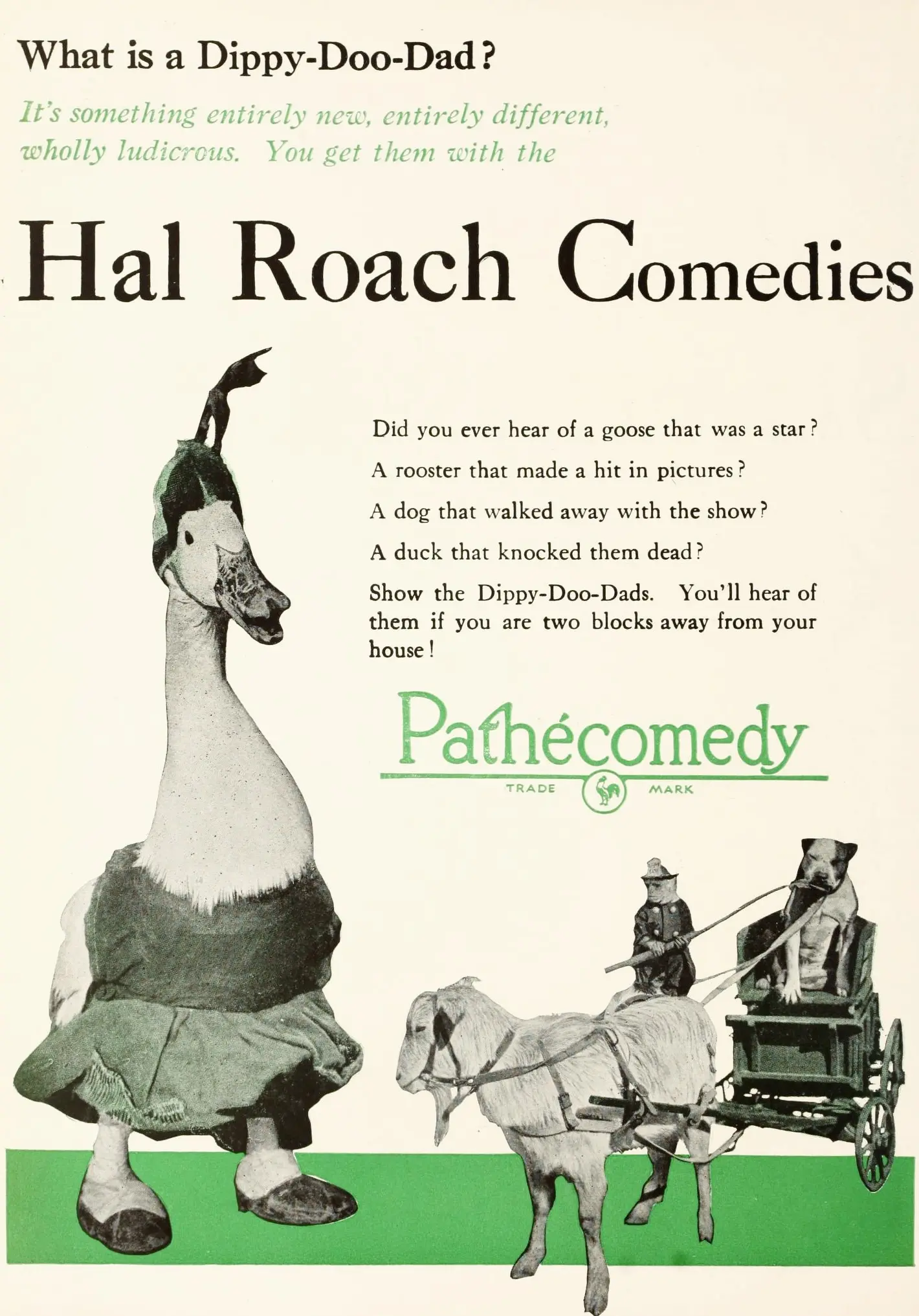
The Watch Dog arrives like a mischievous sonnet, its verses stitched together with the gleam of early twentieth‑century cinema and the cadence of a children’s nursery rhyme. Len Powers, embodying the earnest Douglas Dog, delivers a performance that is simultaneously earnest and subtly comic, his eyes conveying a depth of loyalty that transcends the film’s ostensibly light‑hearted premise. Powers’s physicality—every wag of the tail, every resolute paw‑step—communicates a silent language that is both endearing and surprisingly layered.
\nMontague Money, the scheming antagonist, is portrayed with a flamboyant flair that borders on theatrical caricature. Though the actor’s name is unlisted, the character’s presence is amplified by a series of meticulously choreographed set pieces: a glittering banquet of peanuts arranged like a treasure trove, a cascade of fish‑laden nets, and a kaleidoscopic display of toys that flash in the darkened theater. Each of these visual temptations is rendered in a palette that leans heavily on the film’s signature hues—dark orange (#C2410C) for the warm glow of lanterns, yellow (#EAB308) for the glint of gold‑colored peanuts, and sea blue (#0E7490) for the watery backdrop of the feline’s aquatic allure. These colors, while vivid, are tempered by the ever‑present blackness of the screen, ensuring the white‑toned intertitles and subtitles remain legible.
\nThe narrative’s verse structure is not merely a stylistic flourish; it serves as a metrical backbone that guides the audience through a series of escalating attempts to sway Douglas. The first stanza introduces Montague’s plan with a jaunty couplet: \"I’ll tempt the dog with peanuts sweet,\nAnd watch him stray from his steadfast beat.\" The rhythm is infectious, inviting viewers to anticipate the next rhyme, while simultaneously establishing the film’s central conflict. This poetic device recalls the lyrical storytelling found in contemporaneous works such as The Mite of Love, where verse also frames the emotional arc.
\nPhoebe Cat, the cunning accomplice, is introduced with a sly, sinuous gait that contrasts sharply with Douglas’s upright, earnest posture. Her role is pivotal: she embodies the archetype of the temptress, yet the film subverts this trope by granting her moments of genuine empathy. In one particularly striking scene, Phoebe pauses before a glittering bowl of peanuts, her whiskers quivering. The intertitle reads, \"Even the sleekest hunter feels the pull of conscience.\" This fleeting hesitation adds a layer of moral ambiguity, suggesting that even the most calculated schemers possess a flicker of doubt.
\nThe cinematography, while constrained by the era’s technical limitations, exploits chiaroscuro to great effect. Shadows dance across the stage as Montague’s elaborate contraptions swing into view, each device illuminated by a single, stark beam of light that casts elongated silhouettes reminiscent of German Expressionist cinema. The use of sea blue lighting during the aquatic sequences, when Phoebe attempts to lure Douglas with a shimmering fish tank, creates a surreal underwater ambience that heightens the tension between temptation and duty.
\nComparatively, The Watch Dog shares thematic DNA with The Sour Violin, where a singular object becomes the fulcrum of desire and moral testing. However, where The Sour Violin leans into tragic melodrama, The Watch Dog opts for a breezier, almost satirical tone, allowing the audience to laugh at Montague’s increasingly outlandish ploys—a quality that aligns it with the comedic sensibilities of Fuss and Feathers. The humor is not merely slapstick; it is woven into the verse, each rhyme delivering a punchline that lands with the precision of a well‑timed drumbeat.
\nThe film’s pacing is deliberately measured, allowing each stanza to breathe before the next escalation. This rhythmic cadence mirrors the heartbeat of the story’s central conflict: the tug‑of‑war between duty and desire. As Montague’s schemes become more elaborate—introducing a mechanized peanut‑dispensing carousel, a troupe of dancing fireflies, and finally a grandiose fireworks display—the audience experiences a crescendo of anticipation. The climactic finale, wherein Montague attempts to blind Douglas with a burst of sea‑blue pyrotechnics, is both visually spectacular and narratively satisfying. Douglas, steadfast as ever, resists the dazzling spectacle, his resolve crystallized in a final intertitle: \"Loyalty outshines all glitter.\"
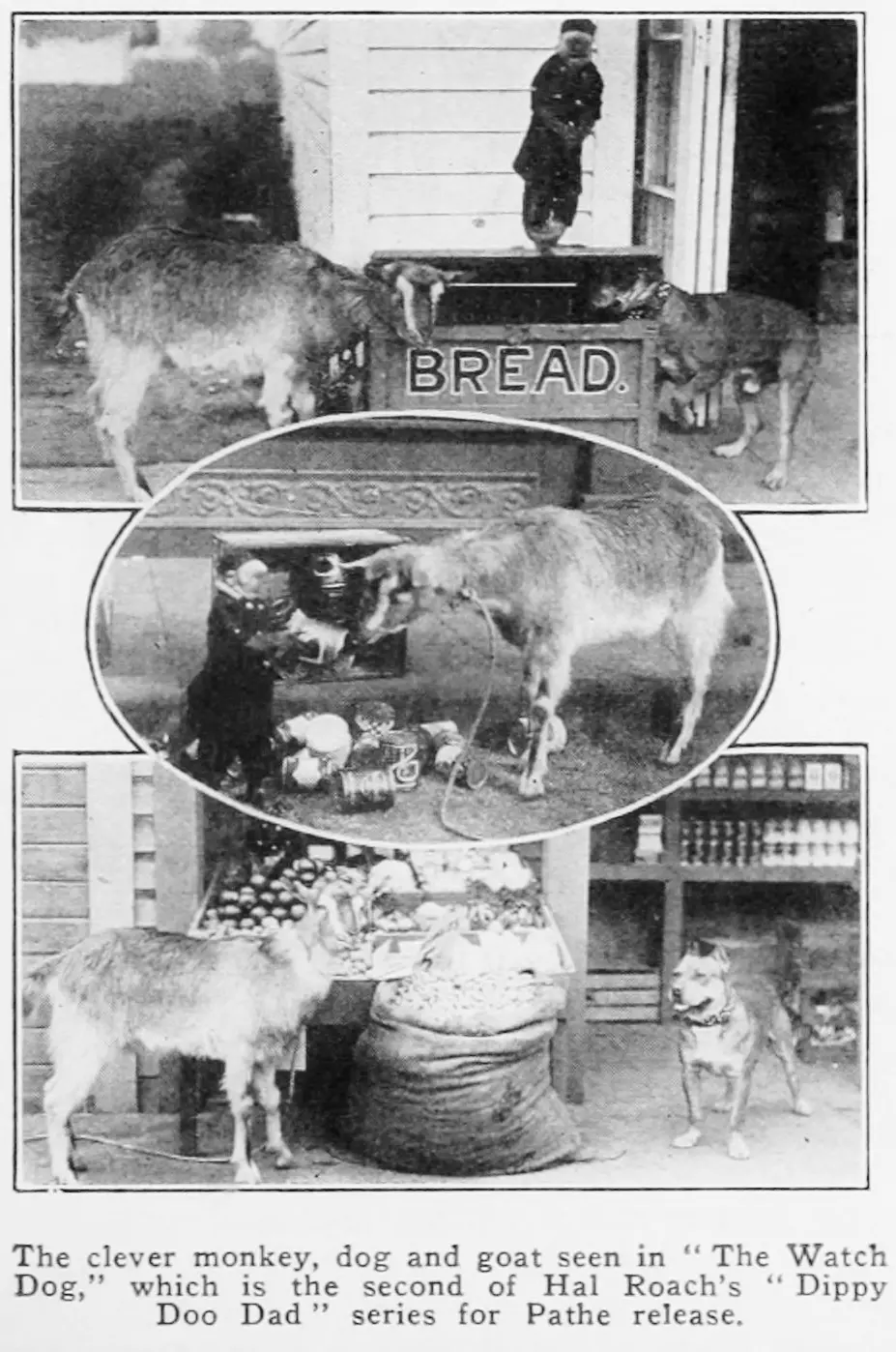
Beyond its narrative charm, The Watch Dog offers a subtle commentary on the nature of guardianship. The peanuts, though modest in value, symbolize any entrusted responsibility—be it a secret, a promise, or a societal role. Montague’s relentless attempts to divert Douglas echo the perennial temptations that test personal integrity. In this sense, the film anticipates later moral allegories found in works such as Big Brother, where the protagonist’s steadfastness is pitted against pervasive corruption.
\nThe supporting cast, though minimally credited, contributes essential texture. Background actors portraying fellow animals—squirrels, birds, and a bemused rabbit—populate the periphery, their reactions providing a chorus of silent commentary. Their occasional glances toward the camera break the fourth wall subtly, inviting the viewer to partake in the joke. This technique, reminiscent of the meta‑humor employed in Homeward Bound, adds a layer of self‑awareness that enriches the viewing experience.
\nThe film’s musical accompaniment, though not recorded on the original print, is traditionally performed live with a small orchestra. Contemporary screenings often pair the visuals with a whimsical piano score that accentuates the rhythmic verses. The music’s leitmotif for Douglas—a steady, marching rhythm—contrasts with Montague’s erratic, staccato motifs, reinforcing their opposing natures. When Phoebe appears, a sinuous, minor key melody underscores her feline elegance, further differentiating her role within the narrative tapestry.
\nFrom a production standpoint, The Watch Dog showcases the ingenuity of early silent filmmakers who, lacking dialogue, relied on visual storytelling and poetic intertitles to convey complex emotions. The set designs—particularly the peanut vault, a towering structure of wooden crates painted in muted browns and highlighted with the occasional flash of dark orange—demonstrate a meticulous attention to detail. The craftsmanship of the props, especially the mechanically operated peanut dispenser, reveals a level of practical effects that would be admired even by modern indie filmmakers.
\nIn terms of legacy, The Watch Dog occupies a niche yet significant place within the silent era’s experimental canon. Its hybridization of verse, comedy, and moral allegory anticipates later genre‑blending works, such as the whimsical satire found in What Next?. While it never achieved the commercial success of contemporaneous epics like The Sheik, the film’s enduring charm lies in its capacity to engage audiences across generations with its timeless message: integrity endures beyond the allure of fleeting pleasures.
\nModern viewers, accustomed to rapid pacing and CGI spectacles, may initially find the deliberate tempo of The Watch Dog a departure from contemporary norms. Yet, this very pacing allows for contemplation—a rare commodity in today’s media landscape. The film’s verses invite the audience to linger on each line, to savor the rhythmic interplay between word and image. In doing so, it cultivates a meditative viewing experience that rewards patience and attention.
\nThe thematic resonance of The Watch Dog extends beyond its narrative confines. In an era marked by digital distractions and the constant barrage of advertisements vying for attention, Douglas Dog’s unwavering focus on his duty serves as a poignant reminder of the value of steadfastness. Montague’s endless scheming mirrors the modern marketer’s ceaseless attempts to divert consumer attention—a parallel that underscores the film’s surprising relevance.
\nIn summation, The Watch Dog is a masterclass in silent‑era storytelling, deftly weaving verse, visual ingenuity, and moral nuance into a cohesive whole. Its color palette—dark orange, yellow, and sea blue—functions not merely as aesthetic choices but as symbolic signifiers that guide the audience through the emotional landscape. Len Powers’s portrayal of Douglas Dog remains a benchmark for portraying loyalty without words, while Montague Money’s flamboyant villainy offers a study in comedic antagonism. For scholars of early cinema, enthusiasts of poetic film, and anyone seeking a narrative that balances humor with heartfelt sincerity, The Watch Dog stands as a testament to the enduring power of simple stories told with extraordinary craftsmanship.
IMDb —
1922
Community
Log in to comment.