DbcultAccessing Vault...
6.2/10
Senior Film Conservator
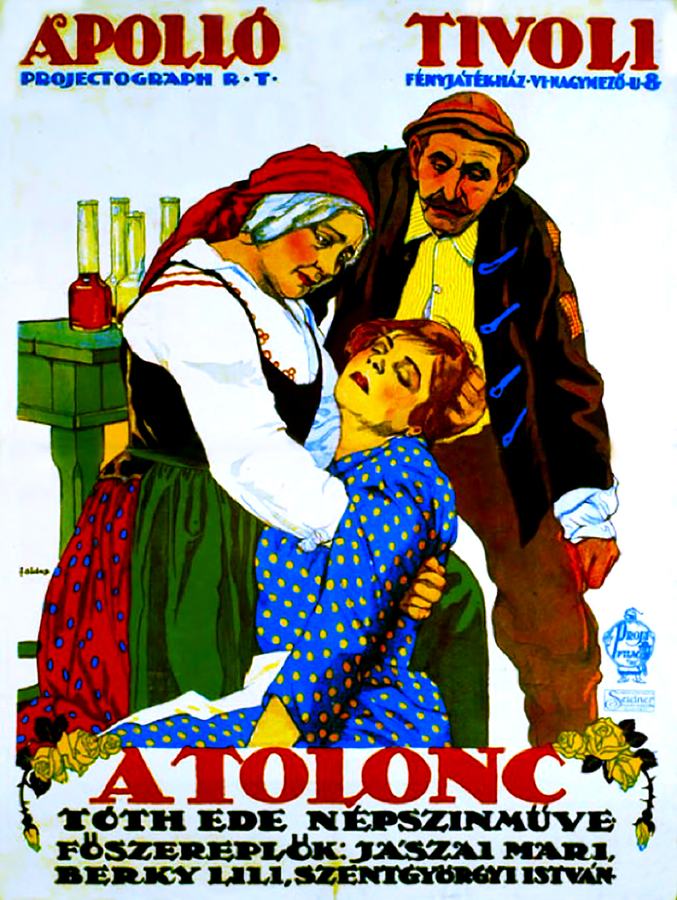
A definitive 6.2/10 rating for a film that redefined the boundaries of cult cinema. The Undesirable remains a cornerstone of transgressive art.
Miklós Mészöly’s 1914 curio, long buried beneath the avalanche of war-era newsreels, unfurls like a parched manuscript suddenly exposed to rain: every frame trembles between folkloric fatalism and proto-modernist cynicism. The tinting veers from tobacco-amber interiors to livid cobalt nightscapes, hinting that emotions here are neither monochrome nor morally convenient.
While Griffith was erecting Babylonian elephants, The Undesirable weaponized negative space: high-ceiling parlors swallow Betty in diagonal shadows, country roads stretch like verdicts without appellates. The camera rarely dollies; instead, it stares, forcing spectators to metabolize guilt in real time.
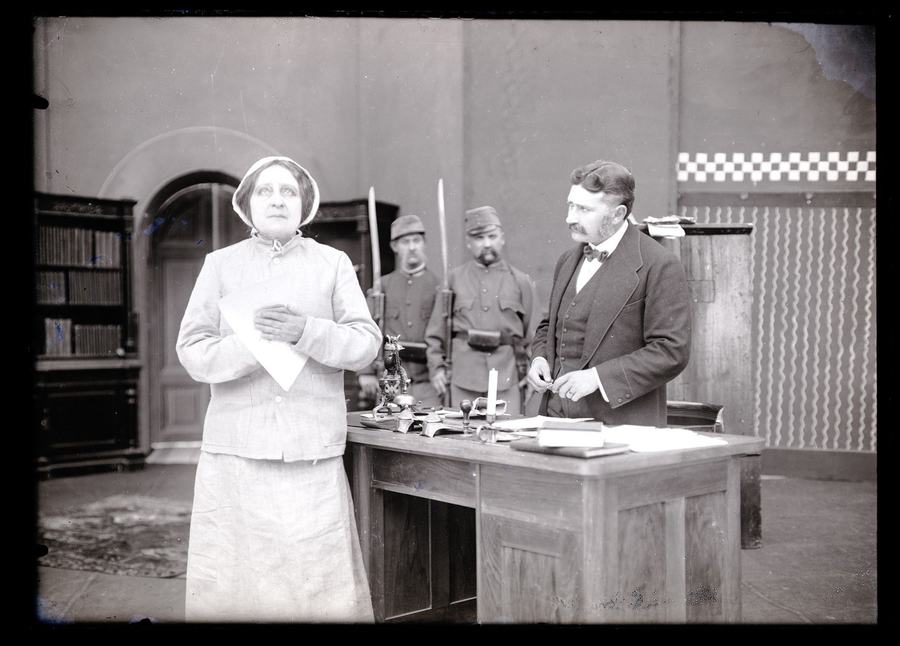
Lili Berky’s Betty carries the porous bewilderment of someone whose personal atlas has been rewritten with disappearing ink; watch her pupils dilate when Nick’s hand brushes hers—an infinitesimal flicker that speaks volumes in a medium robbed of speech. Opposite her, Victor Varconi tempers caddish magnetism with the first tremors of self-disgust, a cocktail later perfected by Barrymore in Don Juan but here still raw.
Sarah’s re-entry is staged like a resurrection in a medieval mystery play: fog curls around her shawl, prison gravel still lodged in her shoes. Mari Jászai, a tragedienne of the Hungarian National Theatre, refuses to romanticize penitence; her grin at reuniting with Betty is half-ecstatic, half-carnivorous, as though she already anticipates the price of freedom. Compare this maternal ambivalence to the sun-brushed nostalgia of A Daughter of Australia; the Antipodean film soothes where The Undesirable cauterizes.
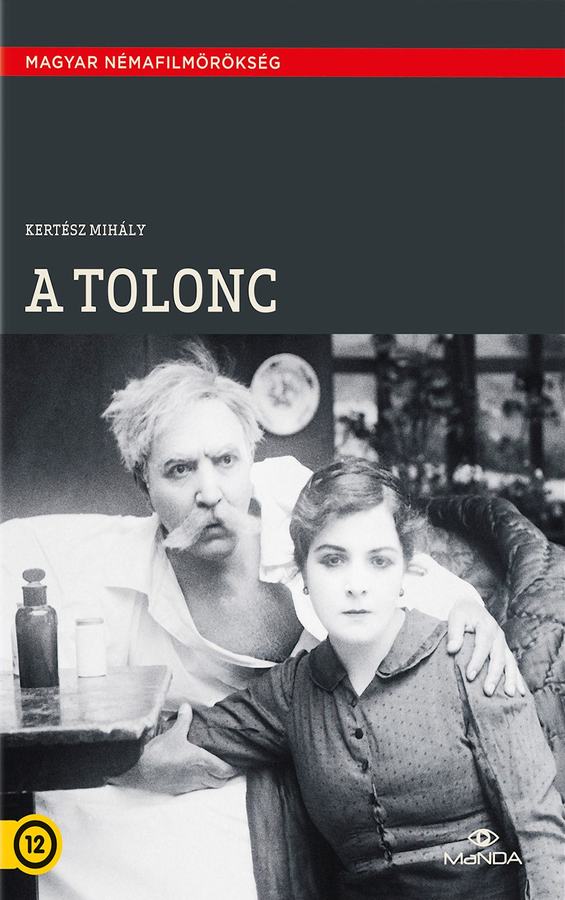
The film’s true antagonist is not a person but the invisible lattice of entitlement: silverware must gleam, maids must vanish when conversation turns carnal, and any disruption—say, love across the marble divide—must be pathologized as theft. This systemic venom anticipates the social surrealism of Le roman d’un caissier yet predates it by seven years, proving that Hungarian cinema was already adept at X-raying bourgeois hypocrisy.
Betty’s dismissal occurs while the family toasts “charity” in honor of St. Nicholas; the butler pockets the actual brooch even as she’s marched past a priest clutching a crucifix. Juxtapose this with the climactic recognition scene where mother and daughter embrace beside a beggar warming his hands over a trash fire—salvation and destitution share a single frame, the cut is deliberately abrupt, the aftertaste caustic.
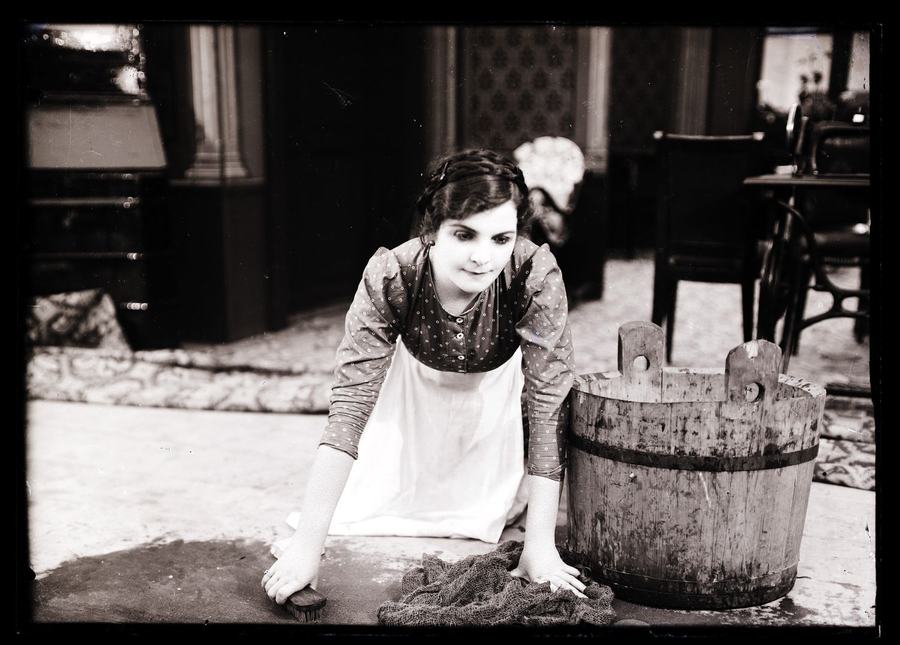
At 67 minutes, the storytelling is ruthlessly elliptical; entire backstories are compressed into prop details—Sarah’s prison-issued shawl, Betty’s country boots cracking under cobblestone strain. Editors Sándor & Kertész anticipated the Soviet montage wave by excising sentimental fat, a lesson Hollywood would absorb only post-The Spitfire flapper cycle.
If Glacier National Park lulls with travelogue grandeur and EvaThe Undesirable occupies a liminal corridor—too ferocious for pastoral nostalgia, too human for pure allegory. Its DNA resurfaces in the maternal noir of För sin kärleks skull and the social crucibles of The Daughters of Men. Even the airborne bravado of The Sky Monster cannot match the grounded dread this film distills with nothing more than candlelight and conscience.
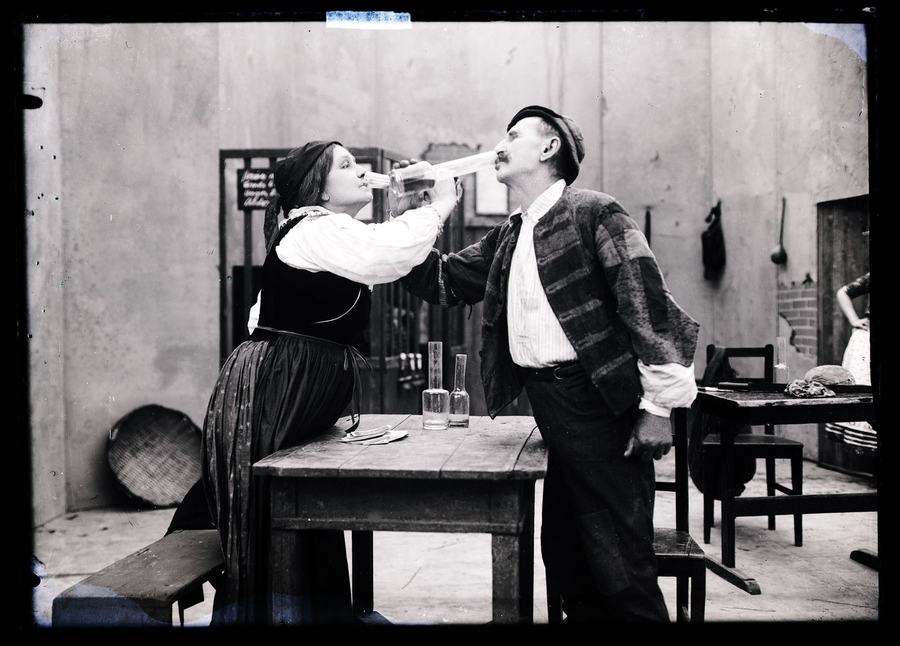
Prints were dynamited in WWI stock drives, and for decades the only evidence was a frayed distribution catalogue in Pécs. Yet the 2019 4-pin restoration from the Hungarian Film Archive—funded by EU archivists who understood that national wounds must be visible to heal—reveals textures once thought myth: the glint of rain on Sarah’s prison garb, the tremor in Nick’s cufflink fingers when he realizes love has a social tariff.
Contemporary screenings often pair the film with László Hortobágyi’s microtonal lute loops, a choice that amplifies the story’s Balkan dread. I prefer the purist route—no accompanist, only the rustle of modern spectators squirming at the recognition that 1914 already knew how viciously class could devour mercy.
Does the film end in redemption? Hardly. Mother and daughter exit toward an uncertain dawn, their silhouettes swallowed by urban smog, while behind them the manor lights flicker back on, oblivion reinstated. It is this refusal to console that places The Undesirable in the pantheon next to The Padre and leagues above the comedic fizz of The Brass Bottle. Seek it out in 4K, let the sepine nitrate ghosts corrode your certainties, and emerge newly fluent in the language of cinematic disquiet.
Verdict: a transfixing artifact whose jagged emotional shrapnel feels, terrifyingly, like tomorrow’s headlines.
IMDb —
1925
Community
Log in to comment.