DbcultAccessing Vault...
Cult Review
Senior Film Conservator
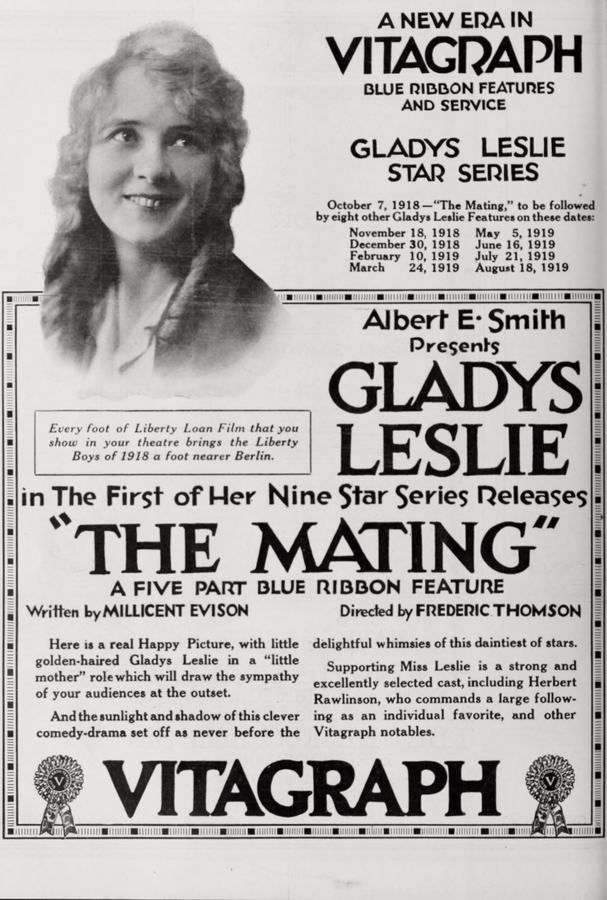
Stepping back into the cinematic landscape of 1918, one encounters a fascinating tapestry of societal anxieties and burgeoning storytelling techniques. *The Mating*, a silent drama penned by Millicent Evison and A. Van Buren Powell, and brought to life by a capable ensemble including Gladys Leslie and Herbert Rawlinson, offers a window into the prevailing narratives of its time. It’s a film that, despite its century-plus vintage, resonates with themes that remain remarkably persistent: the struggle against poverty, the allure of invention, the perils of misjudgment, and the enduring power of romantic connection. As a critic, approaching such a historical artifact requires a delicate balance of appreciating its period-specific charm while also evaluating its universal appeal, its technical merits, and its place within the broader evolution of narrative cinema.
The film introduces us to the Fane family, a household teetering on the brink of destitution, yet paradoxically housing a mind of extraordinary potential. Mr. Fane, the eccentric patriarch, is less a provider and more a dreamer, utterly consumed by the intricacies of his latest invention. This type of character, the absent-minded professor whose brilliance is matched only by his impracticality, was a common trope even then, designed to elicit both sympathy and exasperation from the audience. His single-minded pursuit of innovation, while admirable in theory, leaves his family in a precarious state. This narrative choice immediately grounds the film in a relatable, if somewhat exaggerated, reality. Nancy Fane, portrayed with a compelling blend of fortitude and vulnerability by Gladys Leslie, becomes the de facto head of the household. Her daily existence is a testament to resourcefulness, her thoughts constantly preoccupied with the fundamental necessities of life – how to clothe her younger siblings, how to put food on the table. Leslie's performance, typical of the silent era's emphasis on expressive physicality and facial nuance, conveys Nancy's burden without resorting to histrionics. She embodies the quiet heroism of everyday survival, a stark contrast to her father's grand, if financially unrewarding, ambitions.
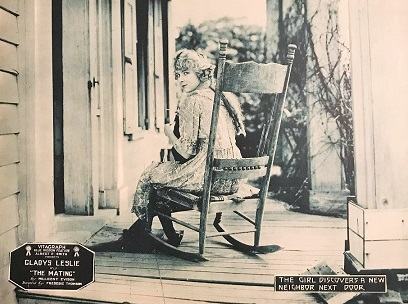
The domestic drama is further amplified by the presence of Mammy, a character who, in her desperation, contemplates the extreme measure of pilfering the neighbor’s chickens. This detail, though seemingly minor, is a potent indicator of the family’s dire straits, adding a layer of realism and urgency to their plight. It underscores the profound impact of Mr. Fane’s inventive obsession on the more mundane, yet vital, aspects of their lives. The narrative then pivots with the introduction of Dick Ives, played by the dashing Herbert Rawlinson. His initial appearance, as an apparent intruder in the long-abandoned house next door, sets up a classic misunderstanding. The sheriff’s reveal that Ives is, in fact, the rightful owner, a novelist seeking solitude to complete his prize-winning manuscript, immediately reconfigures audience perception. Rawlinson, with his earnest demeanor, skillfully navigates this transition from perceived threat to romantic lead. His character is a refreshing counterpoint to Mr. Fane; where one is lost in abstract invention, the other is grounded in the creative pursuit of narrative, yet both share a dedication to their craft.
The central conflict truly ignites when Dick Ives, with a keen eye for potential, recognizes the profound value of Mr. Fane’s invention. This moment is crucial, as it elevates Ives beyond a mere romantic interest, positioning him as an ally and a man of discerning judgment. His conviction is so strong that when a 'crooked promoter' attempts to exploit Mr. Fane’s naiveté by offering a paltry sum for the invention, Ives intervenes dramatically. He 'spirits it away' to his own room, an act of protective custody that is tragically misconstrued by Nancy. Here lies the core of the film’s romantic tension: a well-intentioned act, viewed through the lens of poverty and suspicion, becomes an act of betrayal. Nancy, already burdened by her family’s struggles, sees Ives as nothing more than another opportunist, reinforcing her cynicism about the world beyond her immediate, struggling circle. This misjudgment, a narrative device frequently employed in silent films to heighten drama and prolong romantic suspense, is expertly handled here, allowing for both character development and plot progression.
The ensuing estrangement between Nancy and Dick is painful precisely because the audience is privy to Ives’s noble intentions. Nancy’s unwavering belief in his culpability creates a compelling emotional barrier. The dramatic stakes are further elevated when Ives, in a selfless act of profound heroism, rescues Nancy’s sister from drowning. This scene, a staple of melodramatic cinema, serves to showcase Ives’s inherent goodness, regardless of Nancy’s current perception. His subsequent contraction of pneumonia adds a layer of pathos, transforming him from a misunderstood figure into a suffering martyr. It’s a classic cinematic move, designed to soften the heroine’s heart and pave the way for a grand reconciliation. Such heroic acts, often involving physical peril and subsequent illness, were powerful tools in the silent era to demonstrate character and evoke strong emotional responses from the audience. Films like The Challenge or Warning! The S.O.S. Call of Humanity often relied on similar dramatic incidents to propel their narratives, highlighting the vulnerability of characters in the face of adversity.
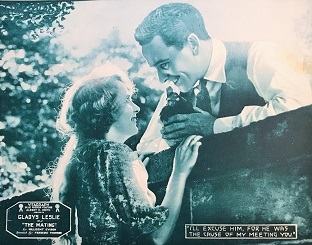
The narrative arc culminates in a satisfying resolution, typical of the era’s penchant for happy endings. Ives’s connections with an engineering firm lead to the invention’s rightful recognition and a substantial financial reward for Mr. Fane. This moment is pivotal, as it not only alleviates the family’s economic woes but also vindicates Ives’s earlier actions. The large check serves as irrefutable proof of his integrity and foresight. Nancy, finally understanding the true nature of his character, experiences a profound shift in perspective. Her rush to the sick man’s room, an act of tender concern, marks the emotional turning point. She then takes his manuscript to the publisher, an act that not only supports his literary ambitions but also symbolically bridges the gap between their two worlds. The dual triumph – Ives winning both the literary prize and the girl next door – is a quintessential romantic conclusion, affirming the power of perseverance, good intentions, and, ultimately, love. This kind of resolution, where material success and romantic fulfillment intertwine, was a popular formula, offering audiences a comforting vision of justice and happiness.
The performances in *The Mating* are quintessential silent era fare. Gladys Leslie, a prominent actress of her time, brings a compelling earnestness to Nancy. Her expressions, though broad by modern standards, effectively communicate Nancy's internal struggles, her determination, and her eventual softening. She avoids the excessive melodrama that sometimes plagued her contemporaries, imbuing Nancy with a grounded realism that makes her plight genuinely affecting. Herbert Rawlinson, as Dick Ives, projects a strong, honorable presence. He embodies the ideal silent film hero – intelligent, courageous, and ultimately virtuous. His portrayal of a man misunderstood but unwavering in his principles is convincing, making his eventual vindication all the more satisfying. The supporting cast, including John Thomson, Forrest Robinson, Aida Horton, Frances Miller, and Stephen Carr, contribute to the film's texture, each playing their roles with the expected stylization of the period. The direction, while not groundbreaking, is competent, effectively utilizing close-ups and intertitles to convey emotion and plot points, guiding the audience through the narrative with clarity.
From a technical standpoint, *The Mating* reflects the filmmaking capabilities of 1918. Cinematography, while not boasting the sophisticated camera movements of later eras, is functional and clear, focusing on framing and composition to tell the story. The editing maintains a steady pace, allowing the narrative to unfold without feeling rushed or sluggish. The use of intertitles, an indispensable element of silent cinema, is judicious, providing necessary dialogue and exposition without overwhelming the visual storytelling. The film’s sets and costumes, while likely modest given the production budgets of the time, effectively establish the social strata of the characters – the Fane family’s threadbare existence versus the more refined world of Dick Ives. These elements collectively create a believable, if somewhat idealized, world for the drama to unfold.
Comparing *The Mating* to other films of its era provides valuable context. Its focus on domestic struggle and ingenious invention finds echoes in the problem plays of the period, though perhaps with a lighter, more romantic touch than some of the more overtly social commentary films. The theme of a resourceful woman navigating challenging circumstances is a recurring motif in silent cinema, seen in films like Her Own People, where female protagonists often had to display immense fortitude. The trope of mistaken identity or misjudgment, central to Nancy’s initial disdain for Dick, is a classic narrative device that also drives plots in films such as Stop Thief! or Scandal, demonstrating its effectiveness in building dramatic tension. The blend of romance, social observation, and a touch of heroic derring-do makes *The Mating* a representative example of popular entertainment from the period, designed to engage audiences with relatable struggles and aspirational outcomes.
The film’s portrayal of invention and its potential impact on social mobility is also noteworthy. Mr. Fane’s invention, initially a source of further hardship, ultimately becomes the catalyst for the family’s salvation. This reflects a broader cultural fascination with technological progress and the American dream of innovation leading to prosperity. It’s a recurring theme in cinema, where the underdog inventor triumphs against adversity, a narrative that continues to resonate even today. The romantic pairing of the pragmatic, strong-willed Nancy with the intellectual, heroic Dick Ives is also a classic pairing, suggesting a union of complementary strengths. This 'mating' of minds and spirits, overcoming social barriers and misunderstandings, is precisely what gives the film its enduring charm and its titular significance.
While *The Mating* may not be as widely celebrated as some of the groundbreaking works of its contemporaries, it holds a significant place as a well-crafted example of popular cinema from the late 1910s. It offers a clear, engaging narrative, strong performances for its time, and a satisfying emotional journey. The film’s ability to weave together themes of poverty, ingenuity, heroism, and romance into a cohesive and entertaining package speaks to the enduring power of simple, yet resonant, storytelling. It reminds us that even in an era of nascent cinematic language, the fundamental elements of human drama were being explored with earnestness and skill. For enthusiasts of silent film, or those interested in the evolution of cinematic narrative, *The Mating* serves as a valuable historical document and a charming piece of entertainment.
The enduring appeal of such narratives lies in their ability to tap into universal human experiences. The struggle for financial stability, the desire for recognition, the yearning for love, and the often-circuitous path to understanding and forgiveness are all threads expertly woven into the fabric of *The Mating*. It’s a testament to the writers, Millicent Evison and A. Van Buren Powell, that they crafted a story that, despite its period trappings, still speaks to audiences today. The character of Nancy, in particular, resonates as a strong female lead who, though initially misguided, learns and grows, ultimately making the right choices for herself and her family. Her journey from cynicism to love, from hardship to hope, is a timeless one. Dick Ives, too, represents the ideal of the patient, principled suitor, whose good deeds eventually shine through the veil of misunderstanding.
In conclusion, *The Mating* is more than just a historical curiosity; it is a vibrant example of early cinematic storytelling. It captivates with its blend of melodrama and genuine human emotion, showcasing the talents of its cast and the narrative sensibilities of its era. For those who appreciate the foundational works of cinema, this film offers a delightful excursion into a world where ingenuity, integrity, and affection ultimately prevail against the odds. Its charm lies not just in its period aesthetic, but in its earnest portrayal of characters striving for a better life and finding connection amidst adversity. It is a reminder that the essence of compelling storytelling transcends time and technological advancements, focusing instead on the heart of the human experience.
Starring: Gladys Leslie, John Thomson, Forrest Robinson, Aida Horton, Frances Miller, Herbert Rawlinson, Stephen Carr
Written by: Millicent Evison, A. Van Buren Powell
Film Slug: the-mating-1918
IMDb 5.2
1936
Community
Log in to comment.