DbcultAccessing Vault...
6.8/10
Senior Film Conservator
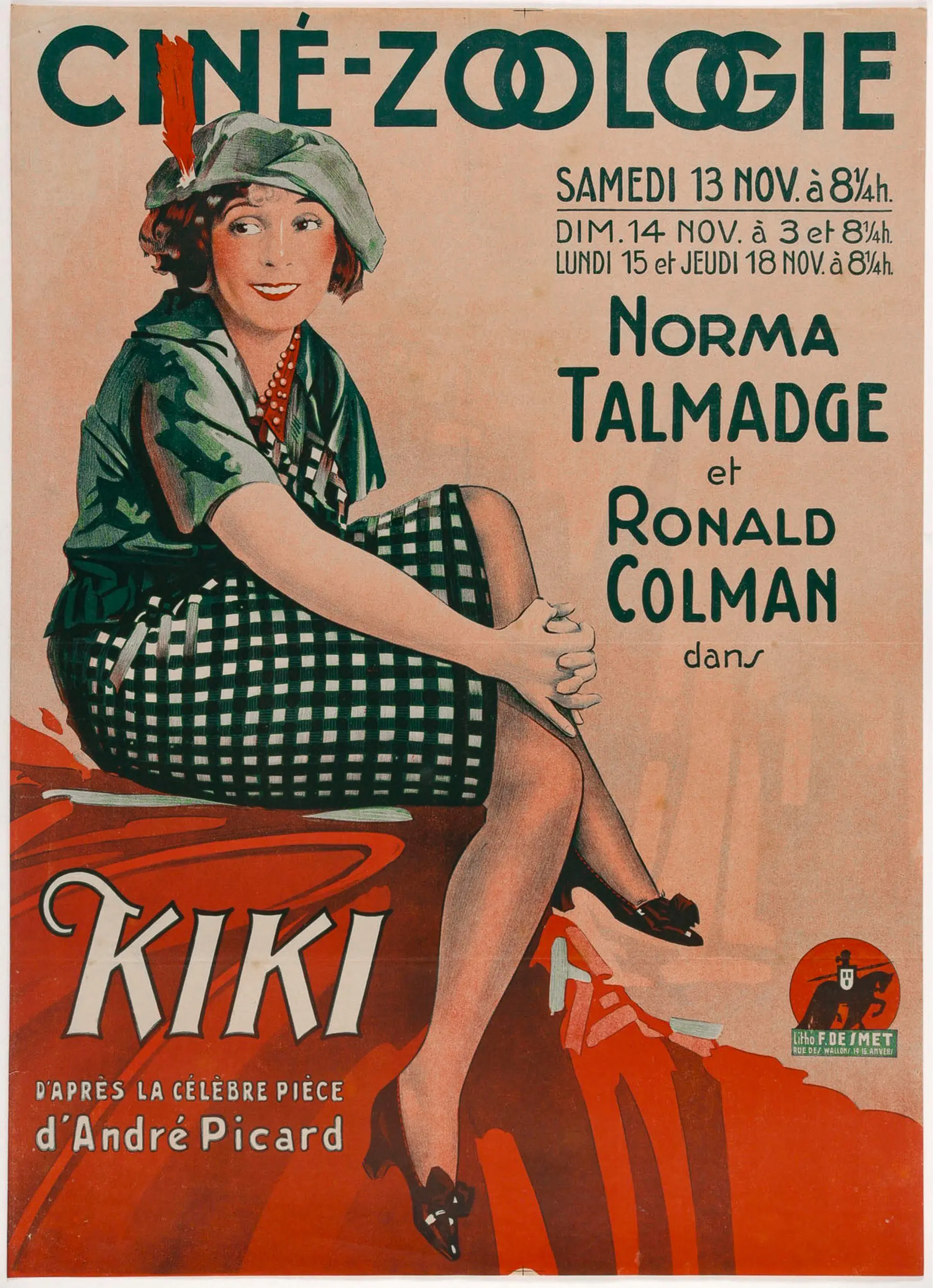
A definitive 6.8/10 rating for a film that redefined the boundaries of cult cinema. Kiki remains a cornerstone of transgressive art.
Short answer: Yes, but it's worth watching with a critical eye. Kiki, a charming romantic comedy from the early 1920s, offers a delightful glimpse into the Parisian theater scene, but its dated conventions and occasional plot holes might make it less engaging for modern audiences.
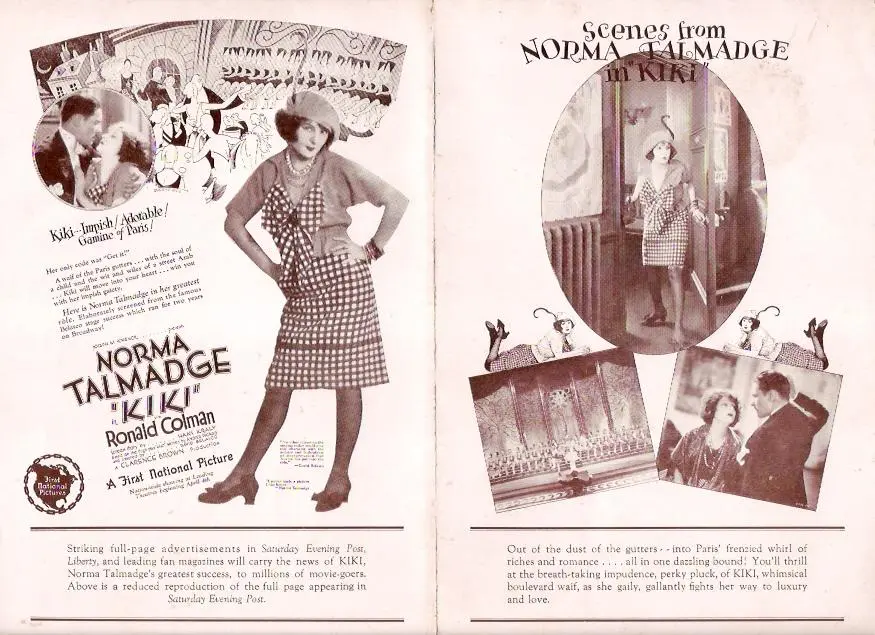
This film is perfect for those with an appreciation for early Hollywood musicals and the charm of pre-code cinema. It is not for viewers seeking a deeply nuanced or complex narrative, as Kiki leans more towards the escapist and light-hearted.

This film works because of its charming leads and the vibrant, colorful world it presents. Eugenie Besserer's performance as Kiki is delightful, capturing both the innocence and determination of a young woman rebelling against her circumstances. The musical numbers, particularly the opening number, are beautifully choreographed and add a layer of joy to the film. The setting of early 20th century Paris, with its bustling theaters and lively streets, provides a colorful backdrop that enhances the film's charm.
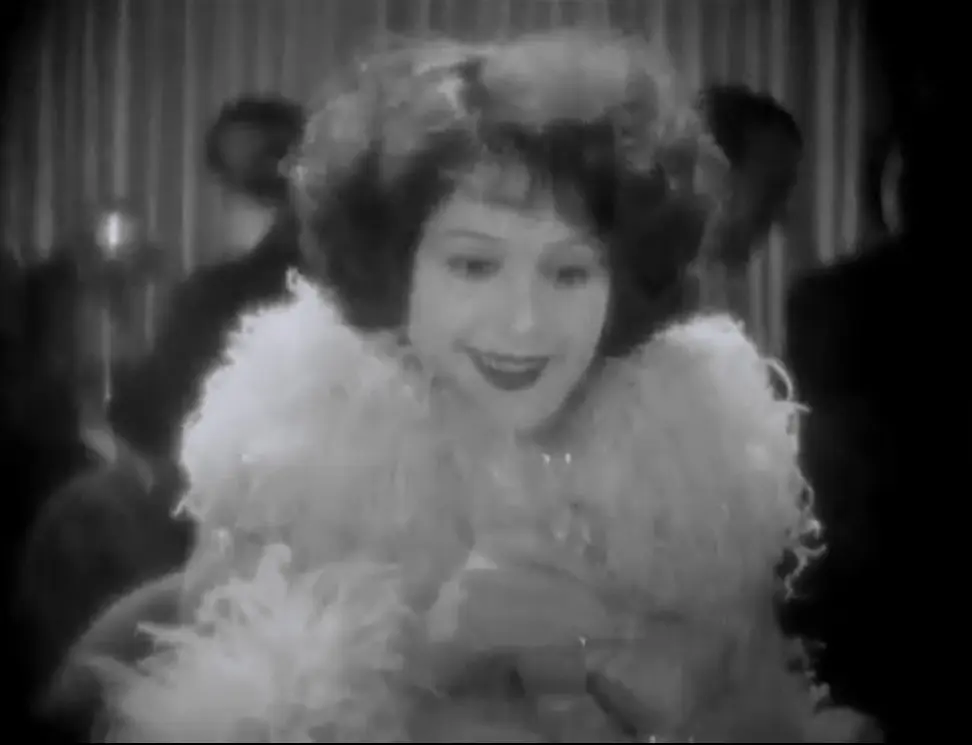
This film fails because of its overly simplistic plot and occasional lapses in logic. The romantic subplot, while sweet, feels somewhat contrived, and the resolution to Kiki's personal and professional dilemmas is predictable. Additionally, the film's reliance on broad, often stereotypical characterizations can be off-putting to modern viewers who expect more depth and nuance.
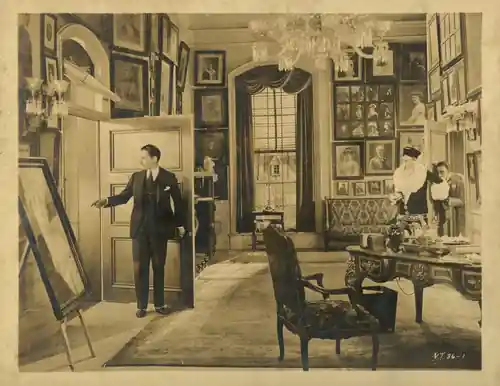
You should watch it if you are a fan of early Hollywood musicals, have an appreciation for the charm of pre-code cinema, or are interested in a glimpse into the vibrant Parisian theater scene of the 1920s. If you are looking for a deeply introspective or complex narrative, you may find Kiki lacking. However, its colorful performances and joyful atmosphere can still offer a pleasant viewing experience.

The film's setting in early 20th century Paris is a significant strength, offering a vibrant and colorful backdrop that enhances the story's charm. The streets of Paris, with their bustling life and colorful atmosphere, provide a rich visual feast for the audience. The characters, particularly the lead actors, bring a sense of authenticity and warmth to their roles, making the narrative more engaging.
The direction of Kiki by George Marion Jr. and André Picard is adept at capturing the spirit of the era. The film's use of vibrant colors and dynamic camera work helps to create a lively and engaging atmosphere. The cinematography, with its emphasis on close-ups and expressive facial shots, effectively conveys the emotions of the characters. The musical numbers are well-choreographed, adding a layer of joy and energy to the film.
The acting in Kiki is notable, with Eugenie Besserer delivering a charming and earnest performance as Kiki. Her portrayal of a young woman determined to better herself and win the love of the theater manager is both believable and engaging. The supporting cast, including André Cheron and Frankie Darro, also contribute to the film's charm with their performances. However, the pacing occasionally feels uneven, with some scenes dragging slightly, which can detract from the overall viewing experience.
The music in Kiki is a standout feature, with a score that captures the spirit of the era. The musical numbers are well-composed and beautifully performed, adding a layer of joy and energy to the film. The use of live music during the performances is particularly effective, enhancing the sense of authenticity and engagement. The sound design is crisp and clear, ensuring that the musical numbers are heard with clarity and enjoyment.
While Kiki is not without its flaws, it remains a delightful and charming journey through the Parisian theater scene of the 1920s. Its strong performances, vibrant setting, and joyous musical numbers make it a worthwhile watch for fans of early Hollywood musicals and pre-code cinema. However, it is not without its shortcomings, particularly in its plot and pacing. For those seeking a deeply nuanced or complex narrative, Kiki may be less satisfying, but for those looking for a light and enjoyable film, it delivers.
It works. But it’s flawed. Kiki offers a delightful and charming journey through the Parisian theater scene of the 1920s, with strong performances and vibrant musical numbers. However, its overly simplistic plot and occasional plot holes may make it less engaging for modern audiences. For those with an appreciation for early Hollywood musicals and pre-code cinema, Kiki is a worthwhile watch, but it is not without its flaws.
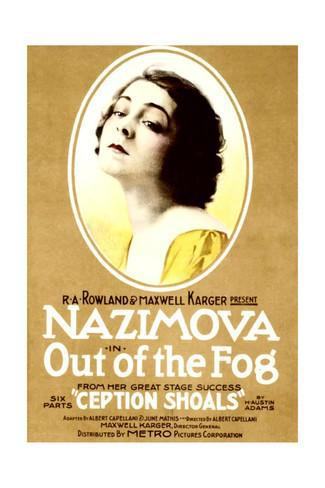
IMDb —
1919
Community
Log in to comment.